Memory improvement Normal Worksheets for Ages 3-6
5 filtered results
-
From - To
Enhance your child's cognitive skills with our Memory Improvement Worksheets, specially designed for ages 3-6. These engaging and fun activities are crafted to boost memory retention and concentration in young learners. Each worksheet features vibrant illustrations and age-appropriate exercises, making learning enjoyable. Through games and challenges, children will develop essential memory skills that lay the foundation for future learning. Perfect for homeschooling or classroom settings, these printable worksheets encourage independent learning while fostering cognitive growth. Explore our collection now to support your child's early development and watch their confidence soar as they master memory tasks with ease!
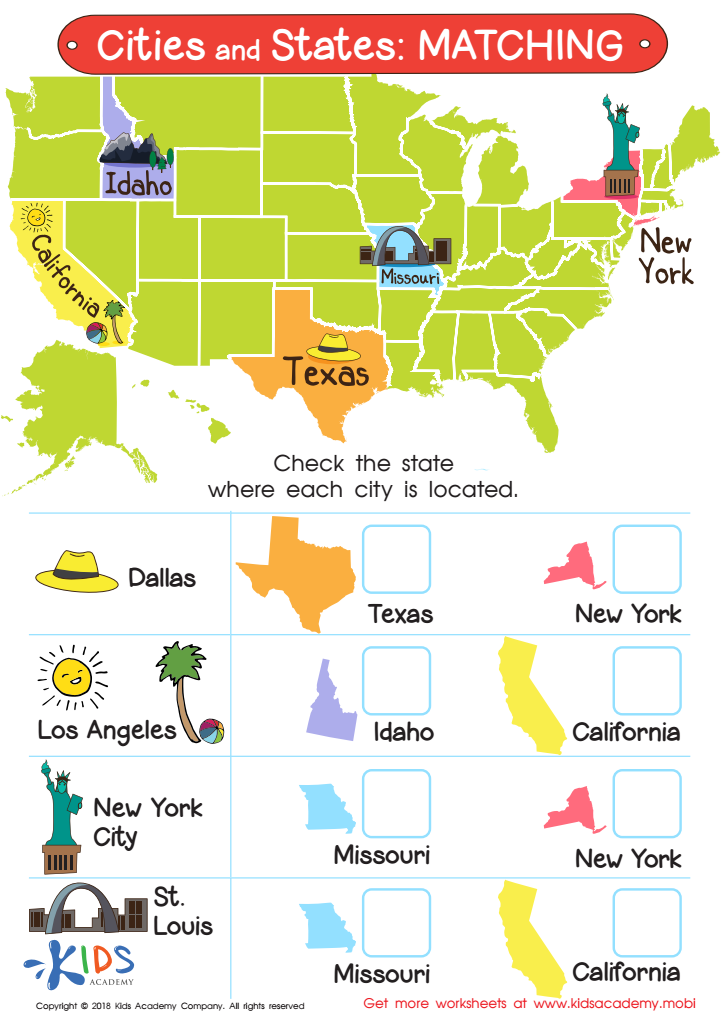
Cities and States: Matching Worksheet
 Assign to My Students

Chinese Word Symbols Worksheet
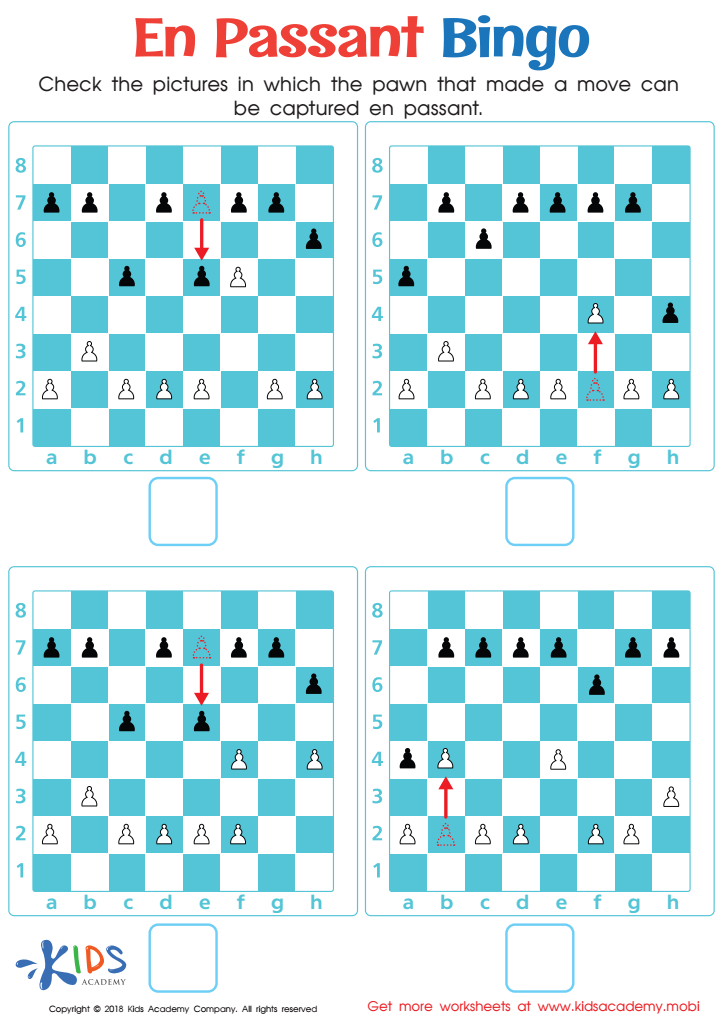
En Passant Bingo Worksheet
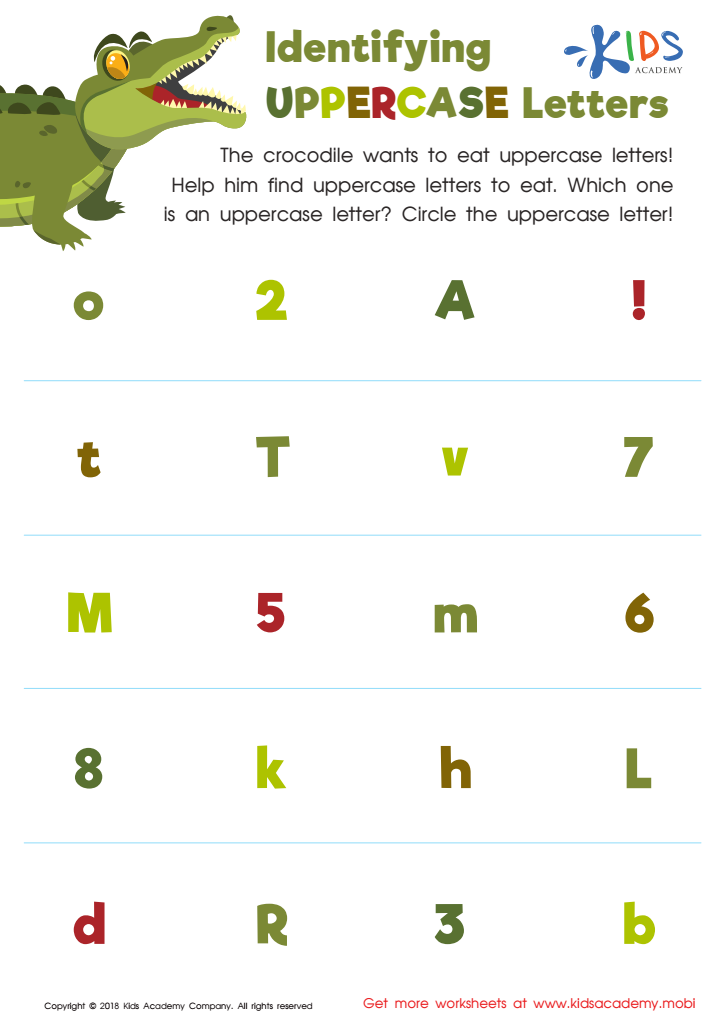
Identifying Uppercase Letters Worksheet

World Flags Maze Worksheet








Memory improvement is essential for children aged 3-6, as this is a critical developmental stage where foundational cognitive skills are formed. At this age, a child’s brain is rapidly developing, and fostering memory can significantly enhance learning and educational outcomes. Good memory skills enable kids to retain information, understand concepts, and follow instructions more easily, which contributes to their academic success and general readiness for school-like environments.
Parents and teachers play a crucial role in this development by creating enriching environments that stimulate memory through play, story-telling, and interactive activities. Engaging routines can help children remember sequences and improve their recall abilities. When memory improvement is prioritized, it encourages not just cognitive growth but also emotional and social skills, as children learn to communicate, collaborate, and solve problems together.
Moreover, strengthening memory can reduce frustration and increase a child's confidence, leading to a more positive learning experience. Involving parents and teachers in memory-enhancing activities fosters supportive relationships, ensuring children feel encouraged to explore and learn. Ultimately, prioritizing memory in early education is an investment in a child's future, laying a strong foundation for lifelong learning and critical thinking.








