Recognizing Patterns Normal Worksheets for Ages 3-6
6 filtered results
-
From - To
Discover a world of fun and learning with our "Recognizing Patterns Normal Worksheets" for children aged 3-6! These engaging worksheets are designed to enhance your child's cognitive skills while keeping them entertained. Patterns play an essential role in early math understanding and critical thinking. Our printable activities help young learners identify and create patterns with colorful illustrations and interactive exercises. As children explore sequences and shapes, they develop foundational skills necessary for future success in math and problem-solving. Whether at home or in the classroom, these worksheets provide a fun way to learn through play. Start pattern recognition today!
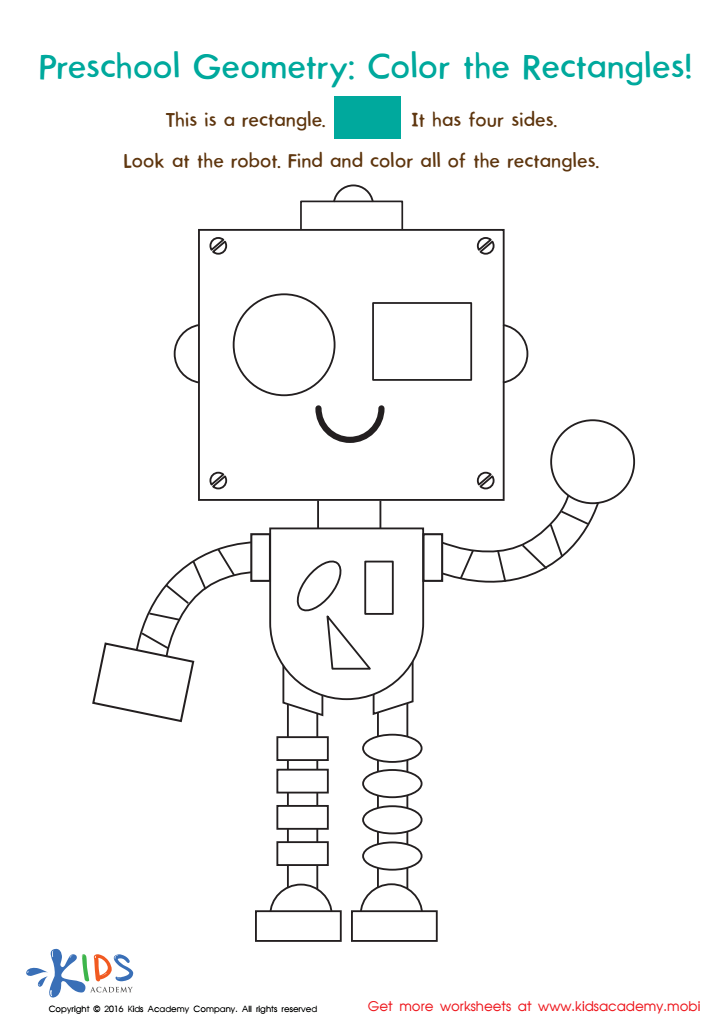
Geometry Worksheet
 Assign to My Students
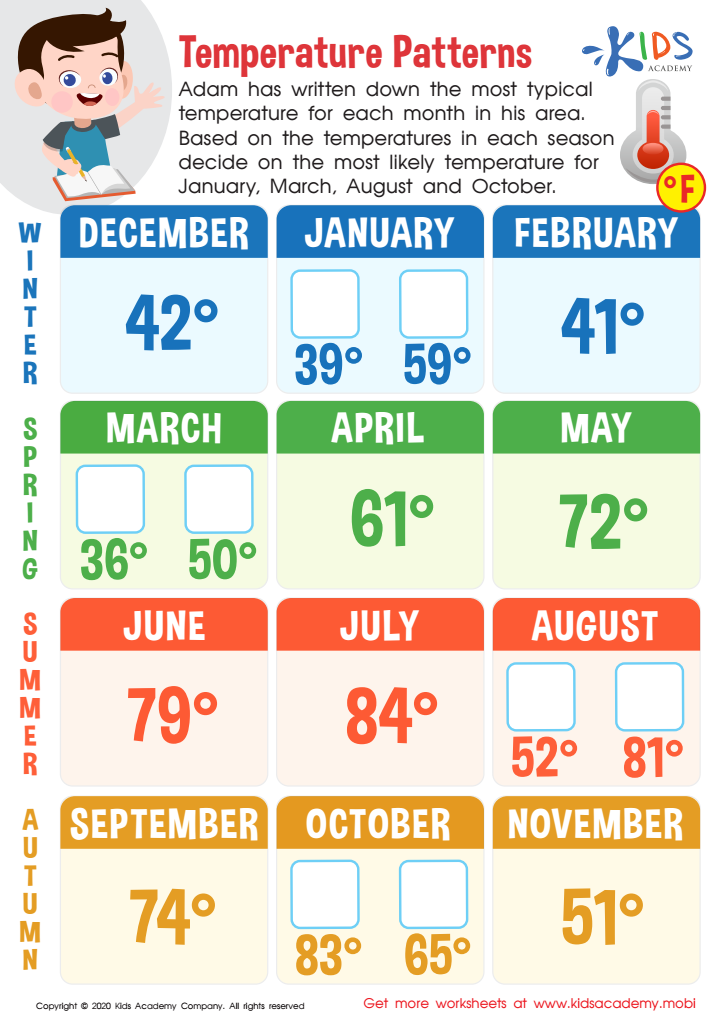
Temperature Patterns Worksheet
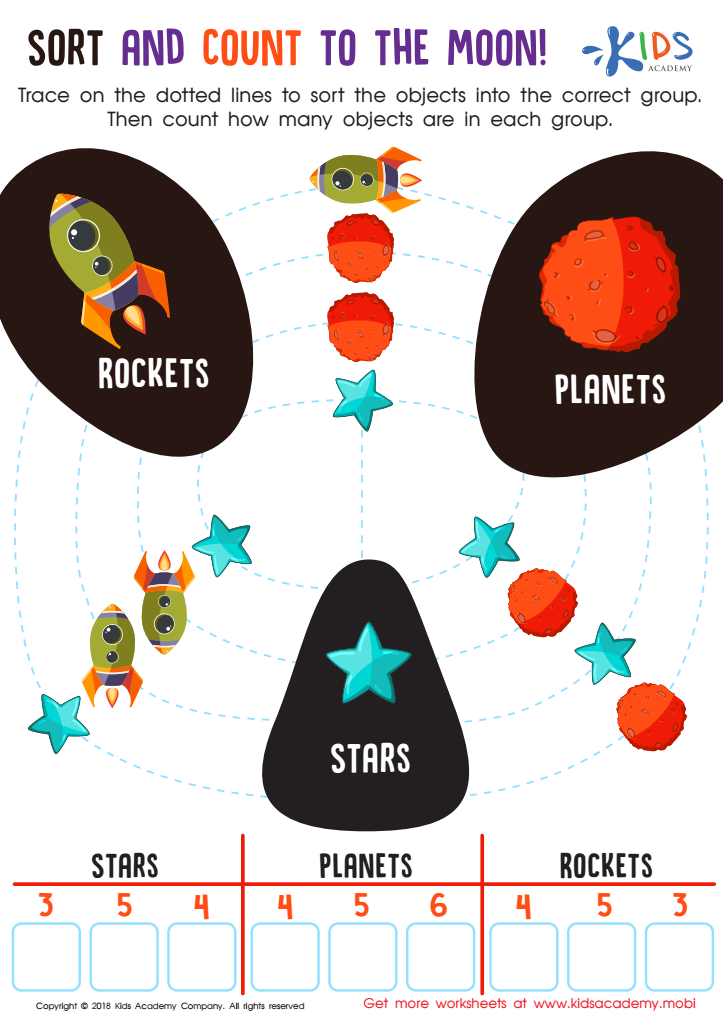
Sort and Count to the Moon Worksheet
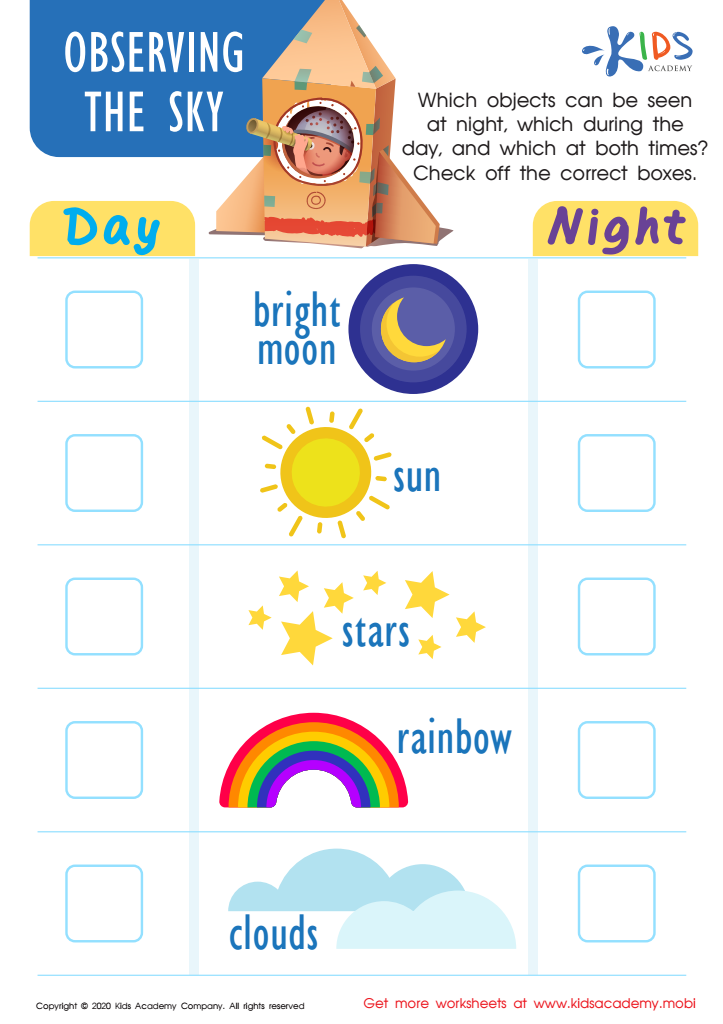
Observing the Sky Worksheet
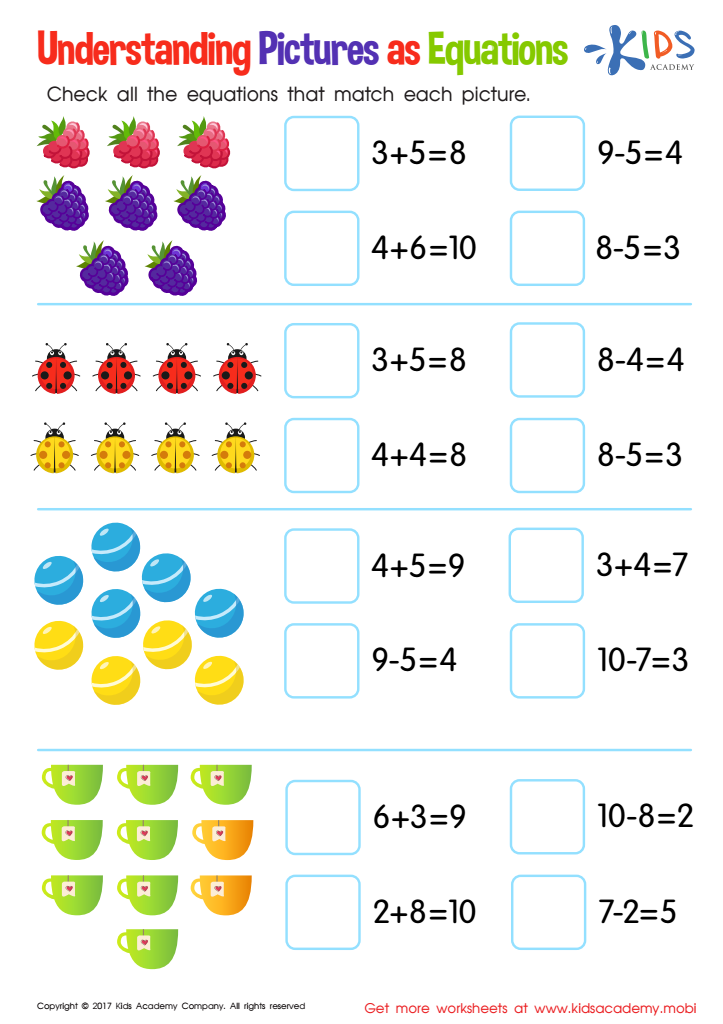
Understanding Pictures as Equations Worksheet
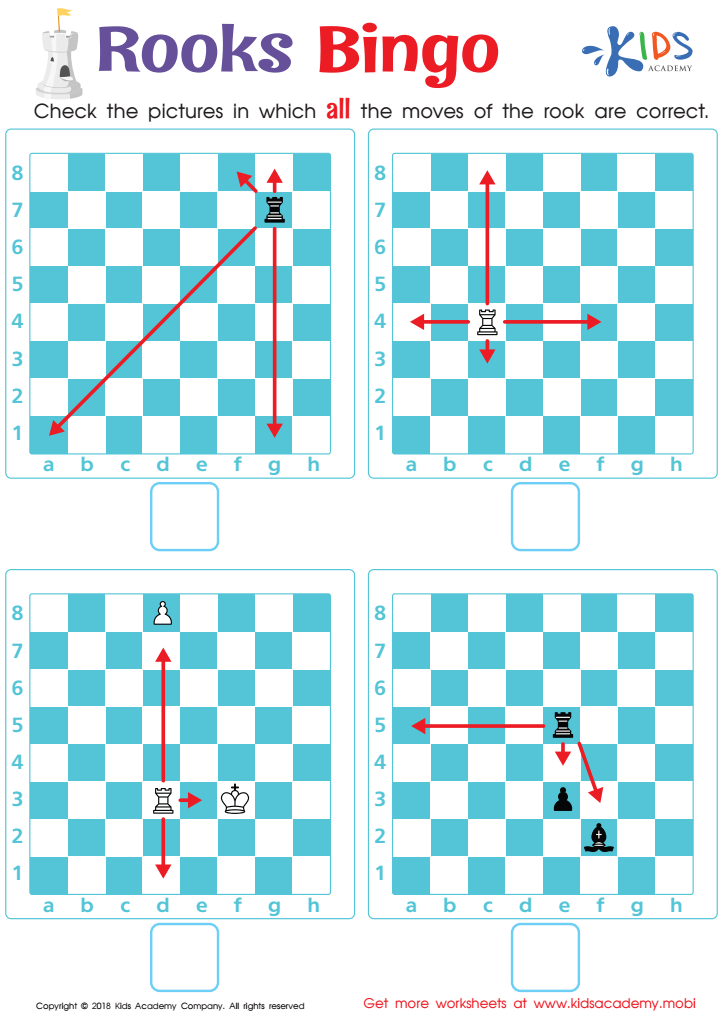
Rooks Bingo Worksheet








Recognizing patterns is a crucial skill for early childhood development, particularly for children aged 3-6. It lays the foundation for critical thinking, problem-solving, and logical reasoning. Parents and teachers should care about this developmental milestone because it directly impacts children’s future learning experiences, especially in mathematics and science.
Engaging children in recognizing patterns nurtures their observational skills, helping them identify relationships among objects, events, and concepts. For instance, recognizing a sequence in shapes or colors fosters early math literacy. This understanding not only supports numerical reasoning but also encourages creativity and expression through art, music, and storytelling.
Moreover, pattern recognition in social contexts promotes emotional intelligence. It aids children in understanding sequences in social interactions, like taking turns or understanding cause and effect, thereby enhancing their ability to navigate relationships.
Fostering pattern recognition enhances children's confidence and overall cognitive development. Parents and teachers can facilitate this by incorporating patterns into daily activities and play, paving the way for a more analytical and innovative mindset. As children learn to identify and create patterns, they develop skills that are applicable across diverse subjects and in real-world situations throughout their lives.








