Word identification Normal Worksheets for Ages 3-6
5 filtered results
-
From - To
Boost your child's reading skills with our engaging Word Identification Normal Worksheets designed for ages 3-6! These worksheets provide fun, interactive activities that help young learners recognize and identify common words. Crafted to align with early learning standards, each worksheet encourages creativity while building essential language skills. Perfect for both home and classroom use, your little ones will enjoy colorful illustrations and simple exercises that promote word recognition and vocabulary development. Foster a love for reading in your child and set the foundation for successful literacy! Explore our diverse range of worksheets to make learning an enjoyable adventure!
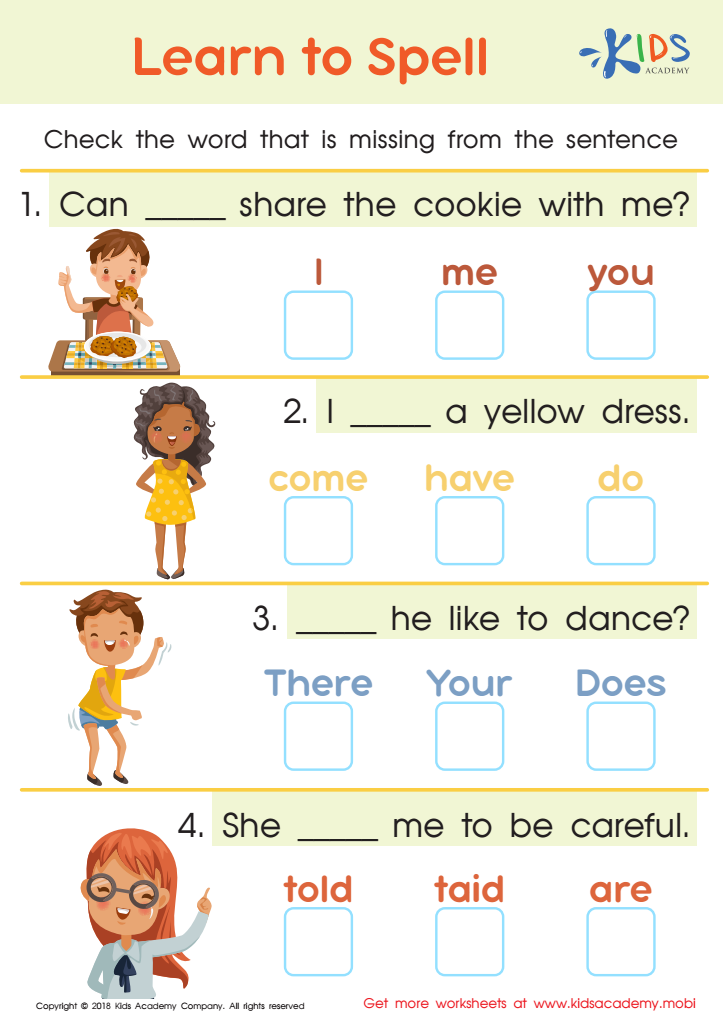
Learn to Spell Worksheet
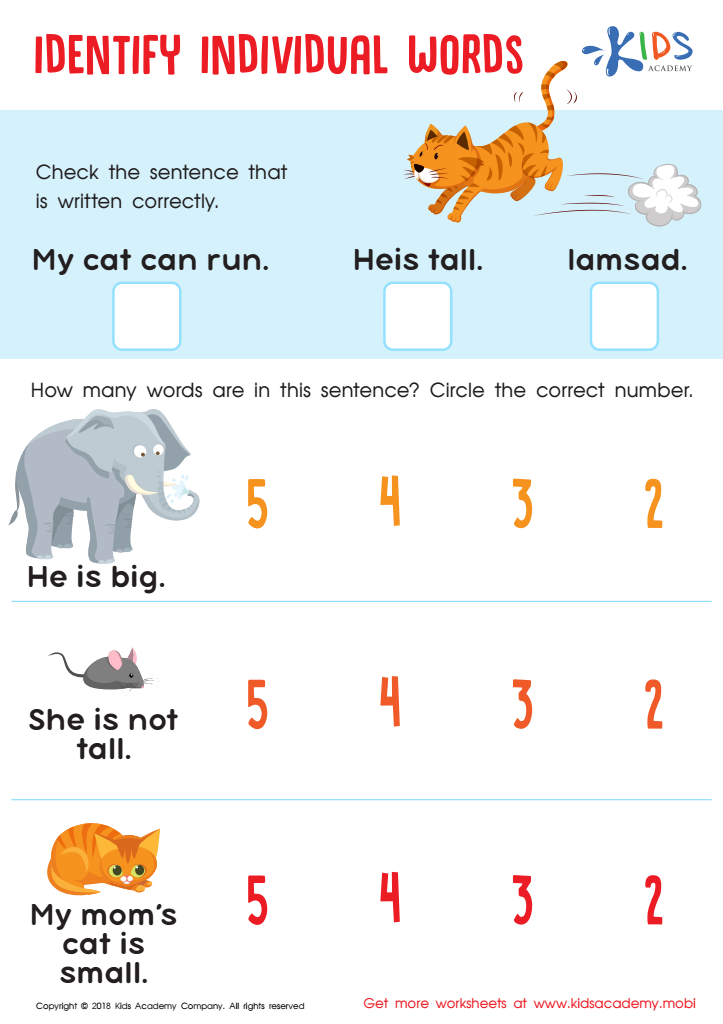
Identify Individual Words Worksheet
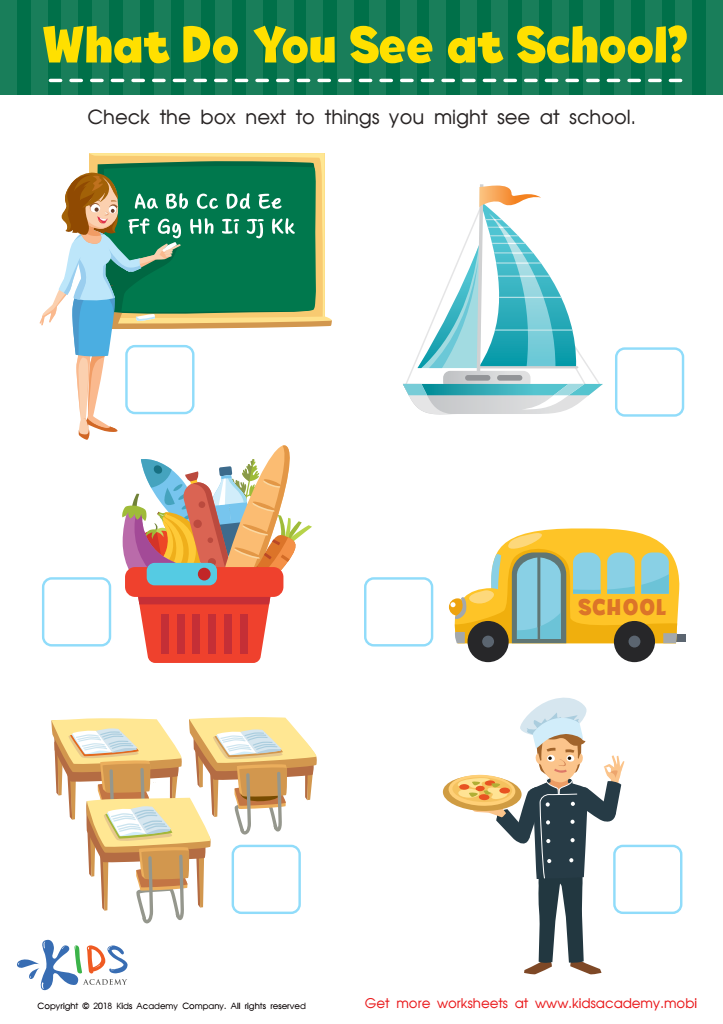
What Do you See at School? Worksheet
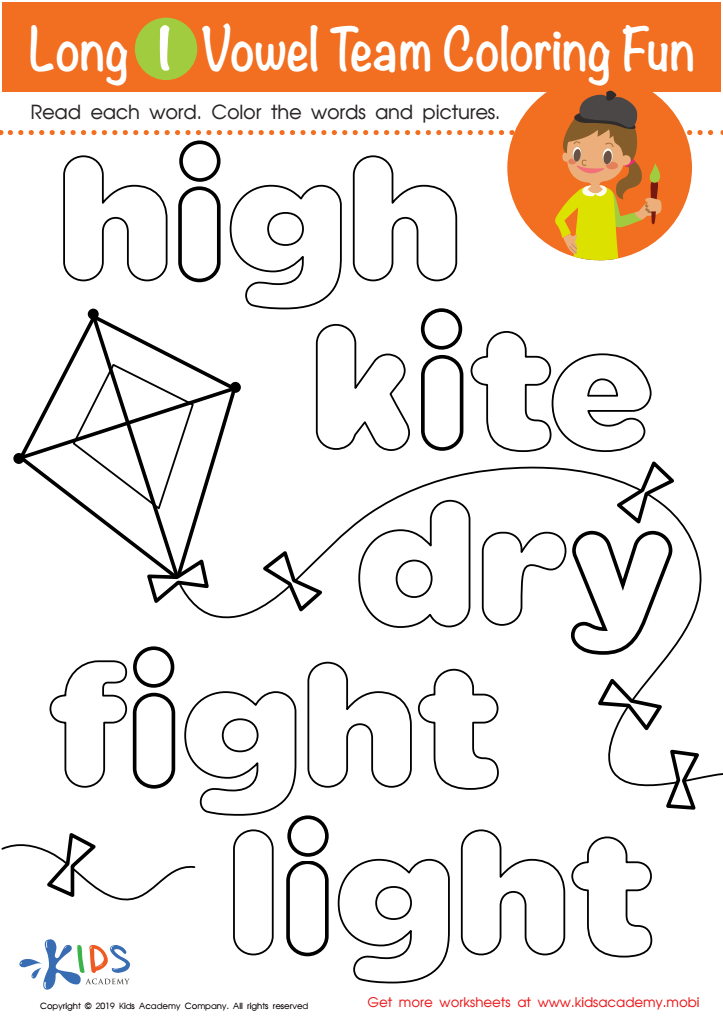
Long I Vowel Team Coloring Worksheet
 Assign to My Students
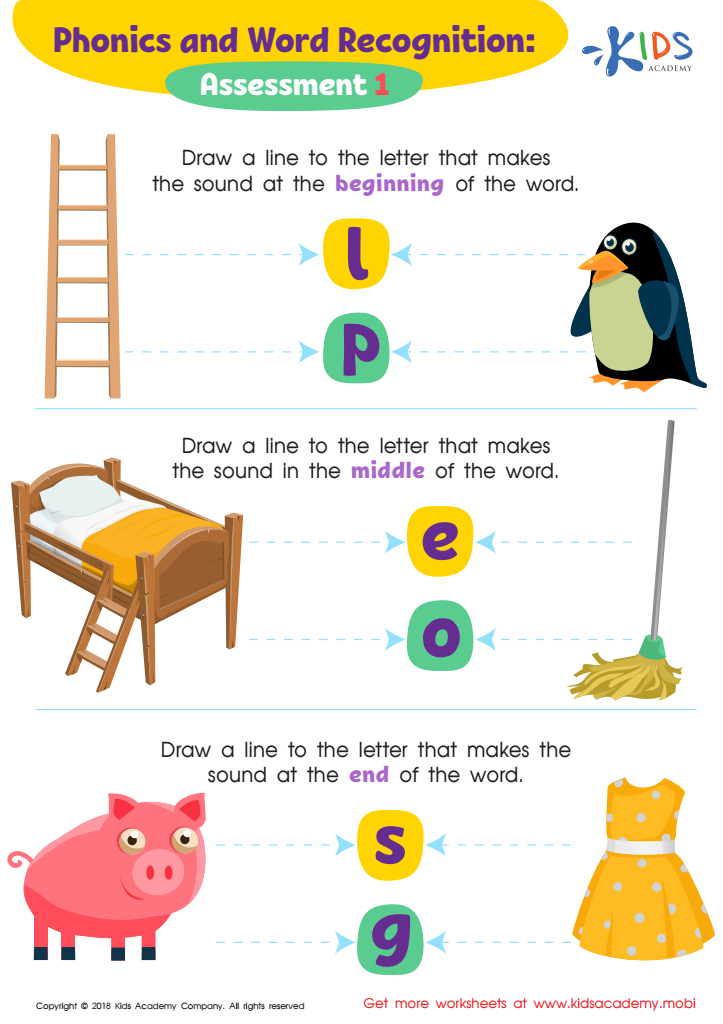
Phonics and Word Recognition: Assessment 1 ELA Worksheet


.jpg)

.jpg)


Word identification is a critical skill for children aged 3-6 as it lays the foundation for reading and language development. During these formative years, children are highly receptive to language, and their ability to recognize words has a profound impact on their literacy skills. Parents and teachers should care about this developmental milestone for several reasons.
First, word identification enhances vocabulary and language comprehension. By recognizing and understanding words, children can effectively communicate their thoughts and ideas, fostering social interaction and confidence. Second, early word recognition correlates strongly with future reading success. Children who master this skill are more likely to develop proficient reading habits, which are essential for academic achievement.
Moreover, fostering word identification encourages a love for reading. Engaging children with stories and reading activities not only improves their skills but also instills a sense of curiosity and joy about literature. Teachers and parents can introduce playful learning experiences through games, songs, and interactive reading sessions that make word identification enjoyable and effective.
Ultimately, supporting word identification in young children equips them with the necessary tools for lifelong learning and success, making it imperative for both parents and educators to prioritize this aspect of early childhood development.








