Reading comprehension Normal 2D Shapes Worksheets for Ages 3-6
4 filtered results
-
From - To
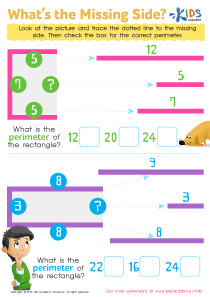
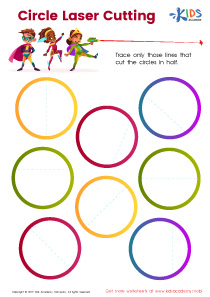
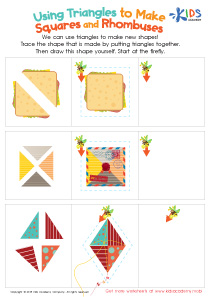
Discover our engaging "Reading Comprehension Normal 2D Shapes Worksheets" designed specifically for children aged 3-6. These worksheets promote early literacy while introducing young learners to the world of 2D shapes. Each activity combines reading simple text with colorful visuals, making it easy for preschool and kindergarten students to grasp the names and features of shapes like circles, squares, and triangles. Perfect for enhancing vocabulary and comprehension skills, our resources empower educators and parents to foster a joyful learning environment. Download now and watch your little ones develop essential skills as they embark on a fun-filled journey with shapes!
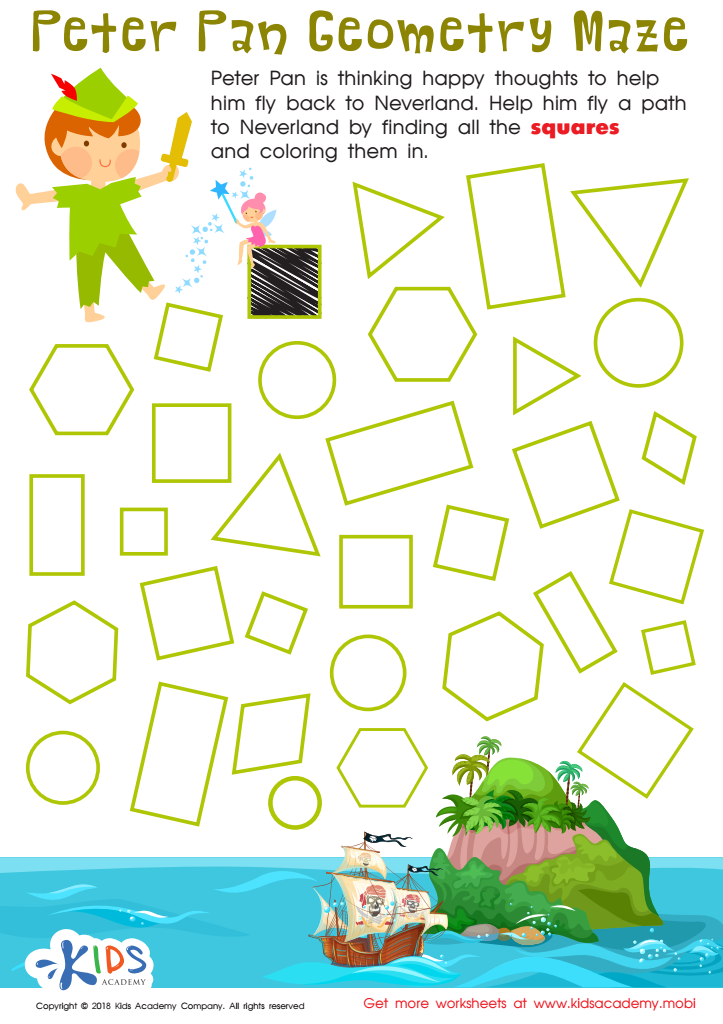
Peter Pan Worksheet
 Assign to My Students











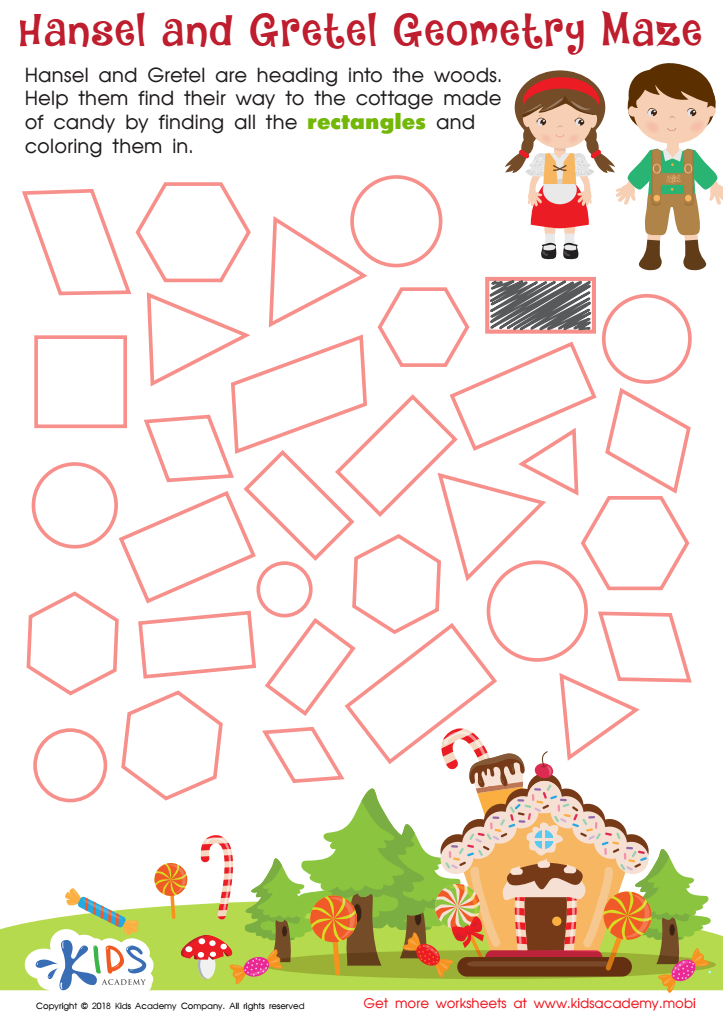
Hansel and Gretel Geometry Maze Worksheet
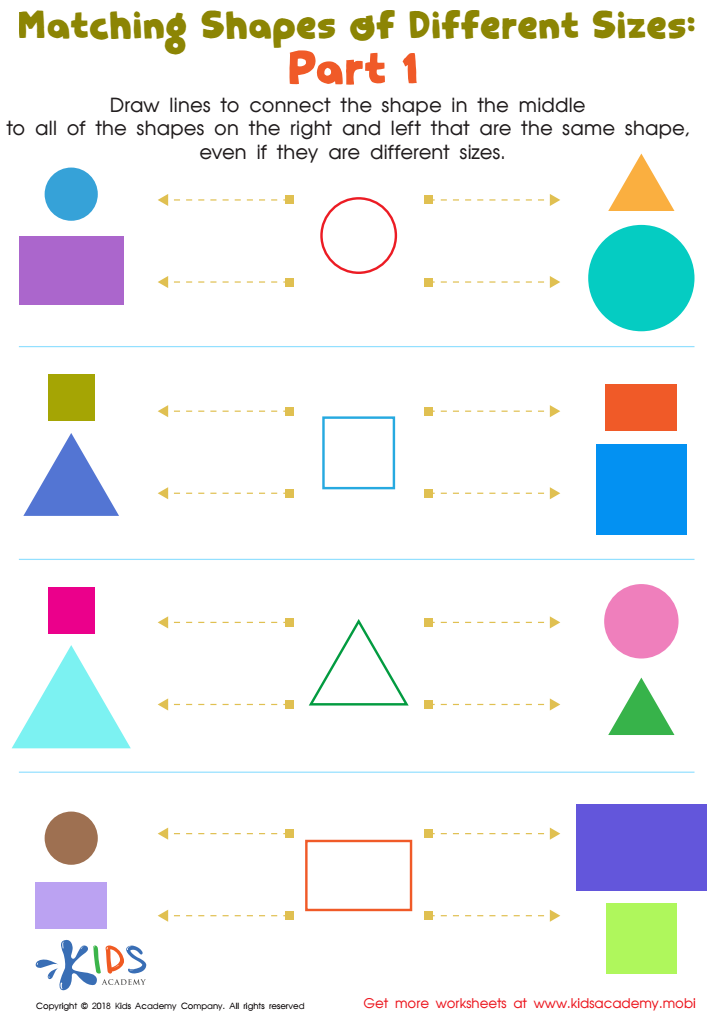
Geometry: part 1 Worksheet
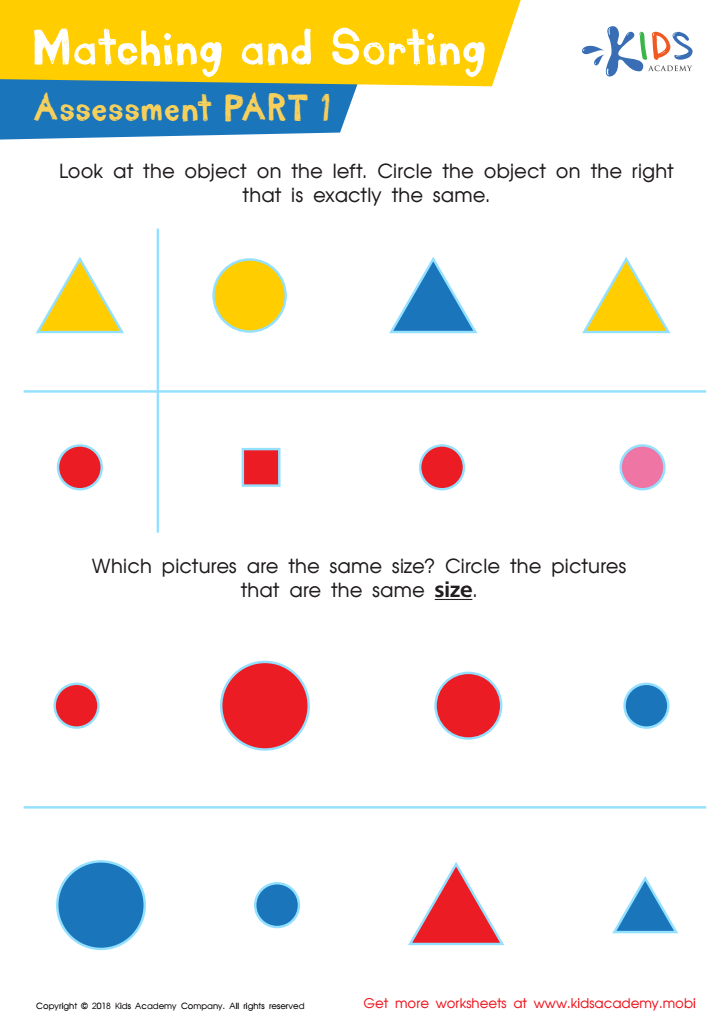
Matching and Sorting for Kindergarten: Assessment 1 Worksheet








Reading comprehension and understanding normal 2D shapes are foundational skills for children aged 3-6, and both areas significantly contribute to a child's overall cognitive development. For parents and teachers, recognizing the importance of these skills is crucial for fostering a strong educational foundation.
First, reading comprehension helps young learners build essential literacy skills. As they grasp the meaning of texts, they develop vocabulary, improve their attention span, and learn to critically analyze information. This foundation enables them to engage more effectively with various subjects later on.
Moreover, knowledge of 2D shapes is integral to mathematical understanding. Familiarity with shapes enhances spatial awareness, which is vital in problem-solving and everyday tasks. It also lays the groundwork for more advanced concepts such as geometry, fostering analytical thinking.
When parents and teachers emphasize these skills early, they promote confident, capable learners. Engaging children through activities that combine reading and shape recognition—like storytelling with illustrated shapes—creates a well-rounded learning experience. Ultimately, nurturing these competencies empowers children to thrive academically and socially, ensuring a seamless transition to more complex educational challenges in the future. Supporting this foundational knowledge is an investment in a child's lifelong learning journey.