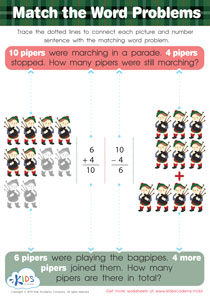
Mathematical reasoning Normal Addition Worksheets for Ages 3-6
3 filtered results
-
From - To
Explore our engaging Mathematical Reasoning Normal Addition Worksheets designed for children ages 3-6! These thoughtfully crafted worksheets foster essential early math skills, encouraging young learners to develop confidence and proficiency in addition. Our fun, interactive exercises promote critical thinking, problem-solving, and logical reasoning, making math enjoyable for young minds. Ideal for at-home practice or classroom use, these worksheets provide a solid foundation in basic addition concepts through colorful visuals and relatable scenarios. Help your child master addition with our comprehensive resources, all while cultivating their love for learning! Dive into a world of math exploration today!
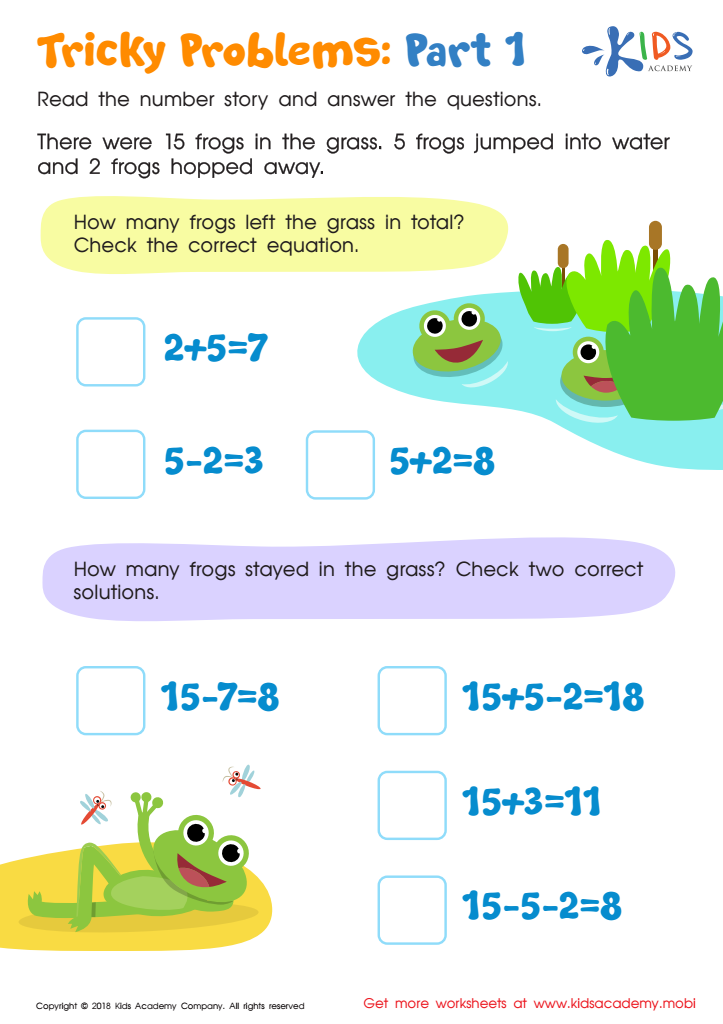
Tricky Problems Worksheet: Part 1
 Assign to My Students
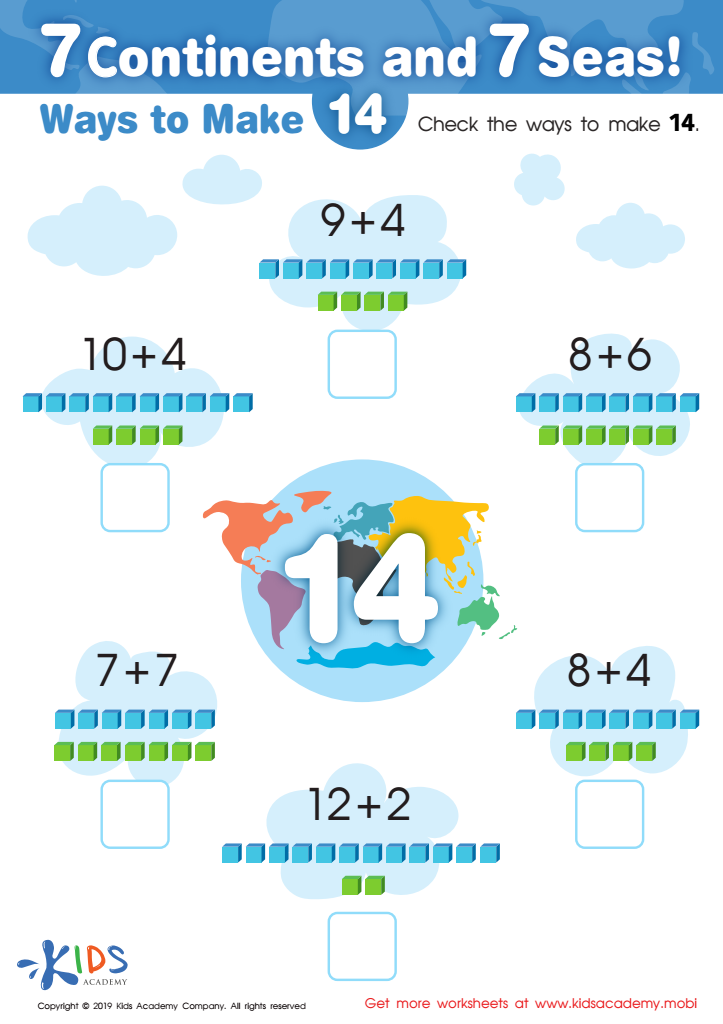
7 Continents and 7 Seas Worksheet
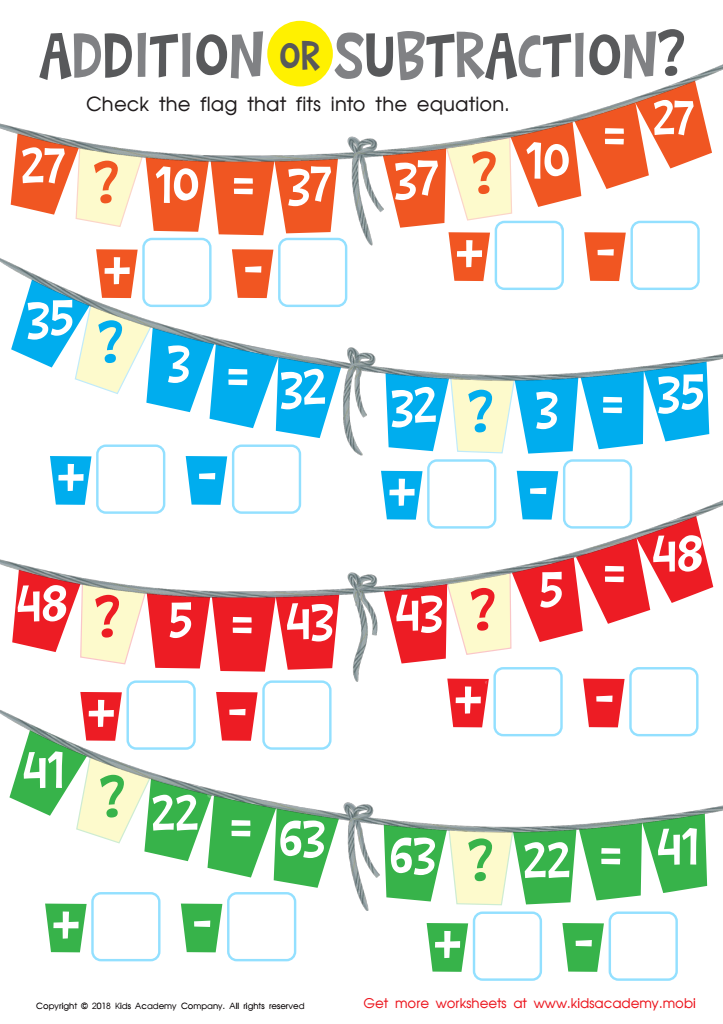
Addition or Subtraction? Worksheet





.jpg)


Mathematical reasoning, particularly in the context of normal addition for ages 3-6, is crucial for young children's cognitive development. During this formative period, children begin to build foundational skills that not only support their understanding of mathematics but also enhance their problem-solving capabilities and critical thinking. Engaging in addition teaches children how to recognize patterns, understand relationships, and develop strategies for tackling numerical challenges.
Parents and teachers play a vital role in this learning process by encouraging exploration and play-based activities that incorporate addition. Such engagement can foster a positive attitude towards math, reducing anxiety and building confidence. Incorporating everyday situations, like counting toys or sharing snacks, makes the concept of addition relevant and relatable to their lives.
Furthermore, early proficiency in mathematical reasoning lays the groundwork for future academic success. Research indicates that strong mathematical skills developed in early childhood significantly predict later achievements in math and even related areas like reading and critical thinking.
Investing time and resources in nurturing children's mathematical reasoning enhances their overall educational experience and prepares them for lifelong learning. Recognizing the importance of these early stages in numerical understanding is essential for parents and teachers aiming to cultivate well-rounded and capable young learners.