Number Recognition Normal Numbers Worksheets for Ages 3-6 - Page 4
76 filtered results
-
From - To
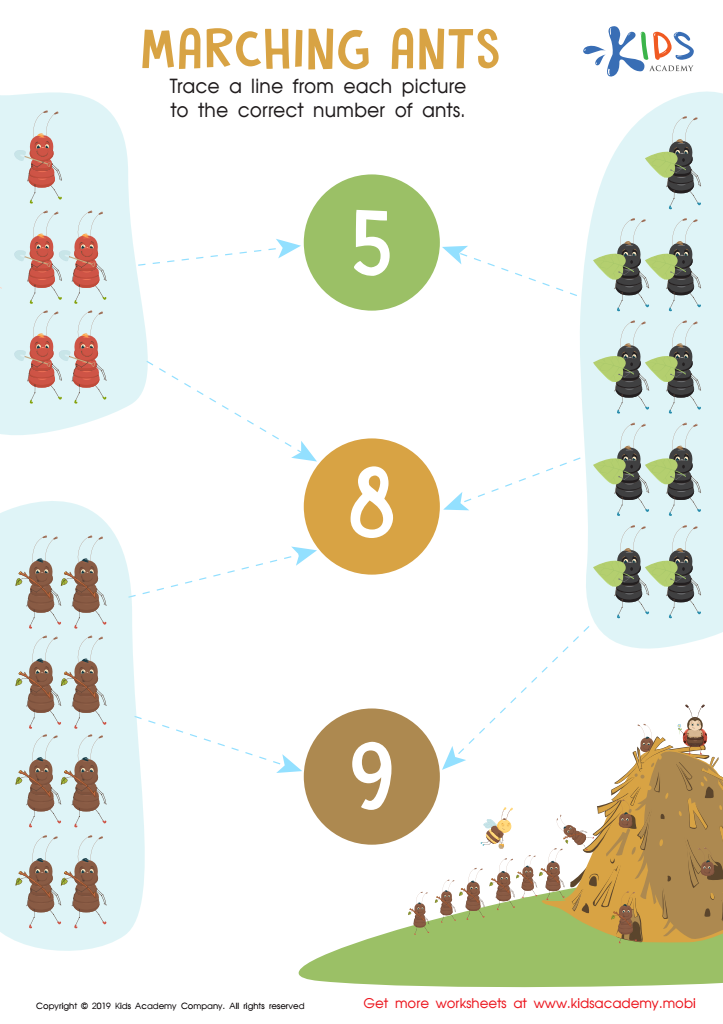
Marching Ants Worksheet
 Assign to My Students
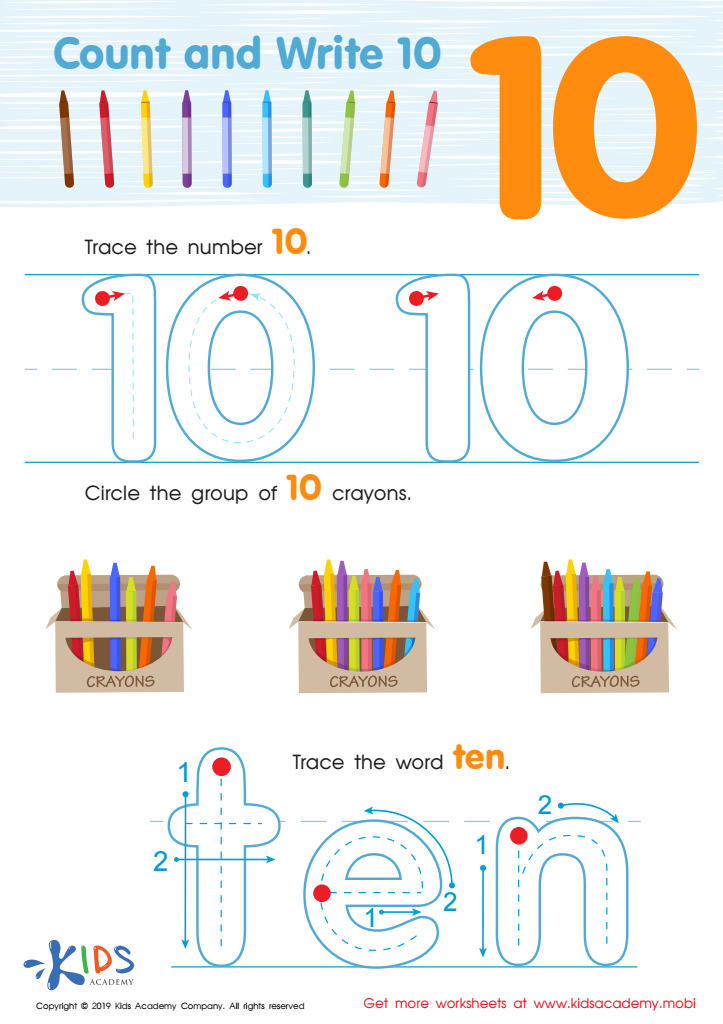
Count and Write 10 Worksheet
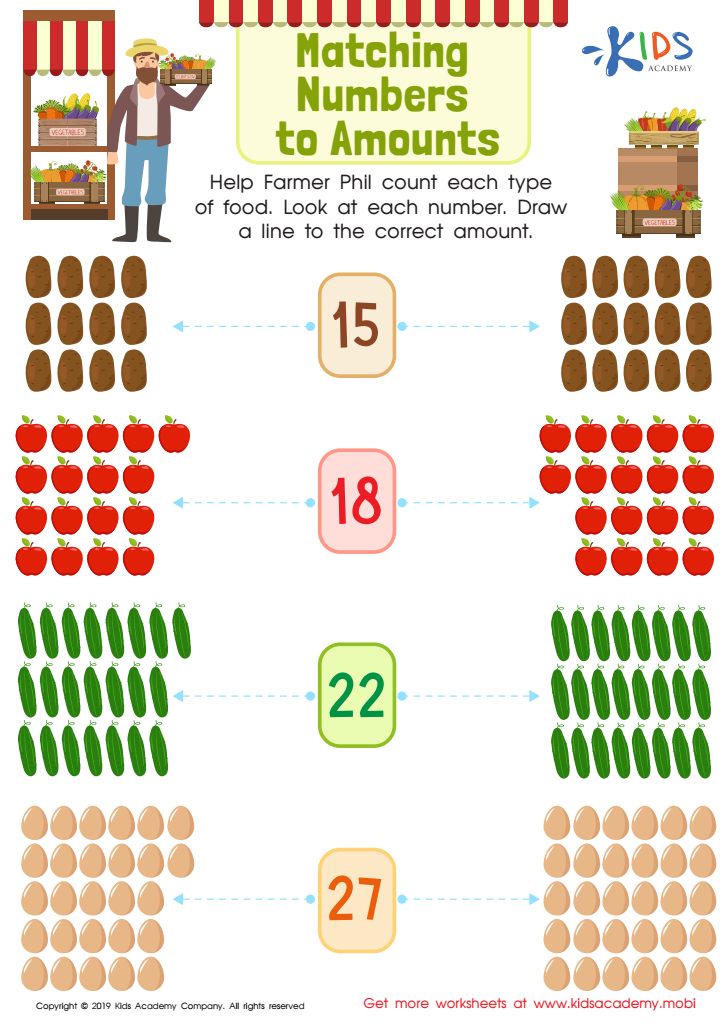
Matching Numbers to Amounts Worksheet
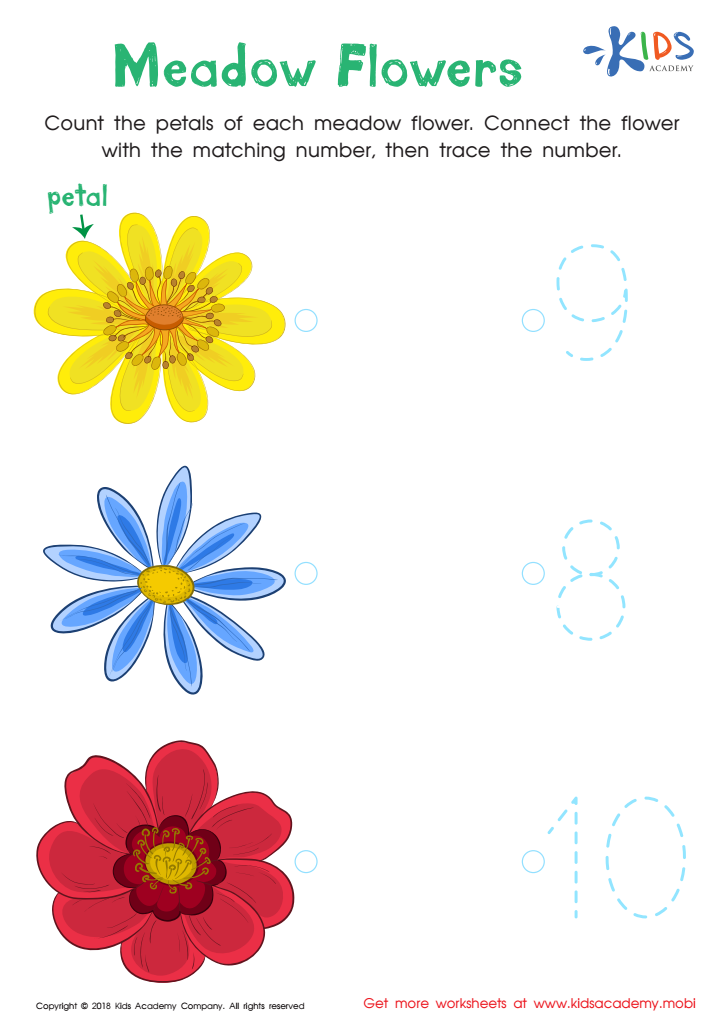
Kindergarten Number Tracing: Medow Flowers Worksheet







.jpg)
Number recognition is a foundational skill essential for early childhood development. For children aged 3-6, understanding normal numbers sets the stage for future mathematical learning and everyday skills. When parents and teachers prioritize number recognition, they foster not only cognitive development but also critical thinking and problem-solving abilities.
At this early stage, children learn to identify and understand numbers, which helps in making real-world connections, such as counting toys, identifying page numbers, or measuring ingredients during cooking. This lays the groundwork for more complex mathematical concepts they will encounter later, like addition and subtraction.
Furthermore, number recognition is linked to language development. As children learn to recognize numbers, they also expand their vocabulary as they describe quantities, compare sizes, and classify objects. Early exposure to numbers promotes confidence and a positive attitude towards math throughout school.
Teachers and parents play a crucial role in this process by providing diverse experiences through play, interactive games, and everyday discussions around numbers. Engaging children in these activities not only makes learning fun but also helps develop their sense of number concepts more effectively. Investing time in number recognition at this crucial age ultimately supports children's academic success and lifelong learning.








