Sentence construction Normal Building Vocabulary Worksheets for Ages 3-6
4 filtered results
-
From - To
Introduce young learners to the fundamentals of sentence construction with our engaging Normal Building Vocabulary Worksheets, designed specifically for ages 3-6. These worksheets offer interactive activities that promote language development and enhance vocabulary skills through fun exercises. Children will explore simple sentence formation using pictures and words, allowing them to express ideas creativeliy. Perfect for at-home or classroom settings, our worksheets foster critical thinking and comprehension while keeping learning enjoyable. Help your preschoolers build a solid foundation in language arts with these easy-to-use resources that support early literacy and boost confidence in communication. Start their learning journey today!
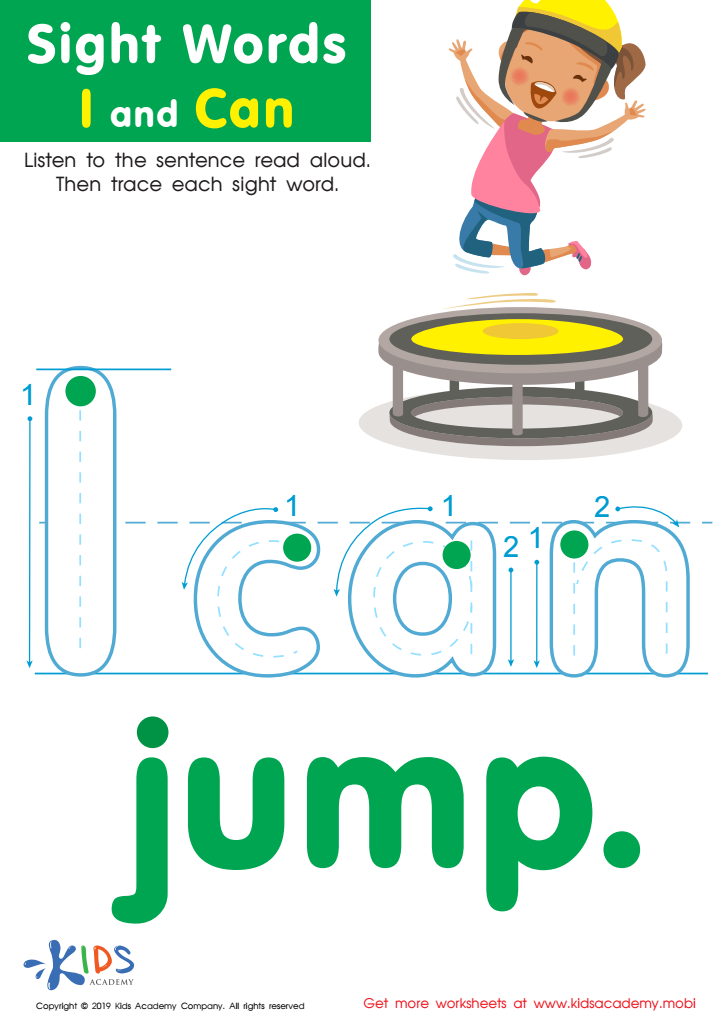
Sight Words I Can Worksheet
 Assign to My Students











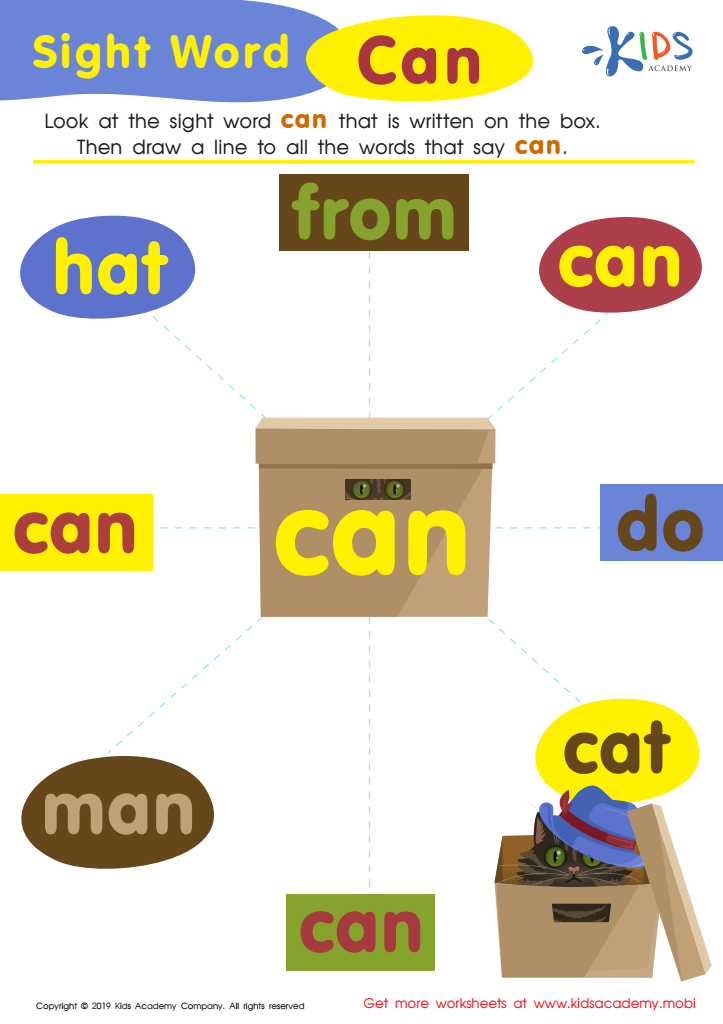
Sight Word Can Worksheet
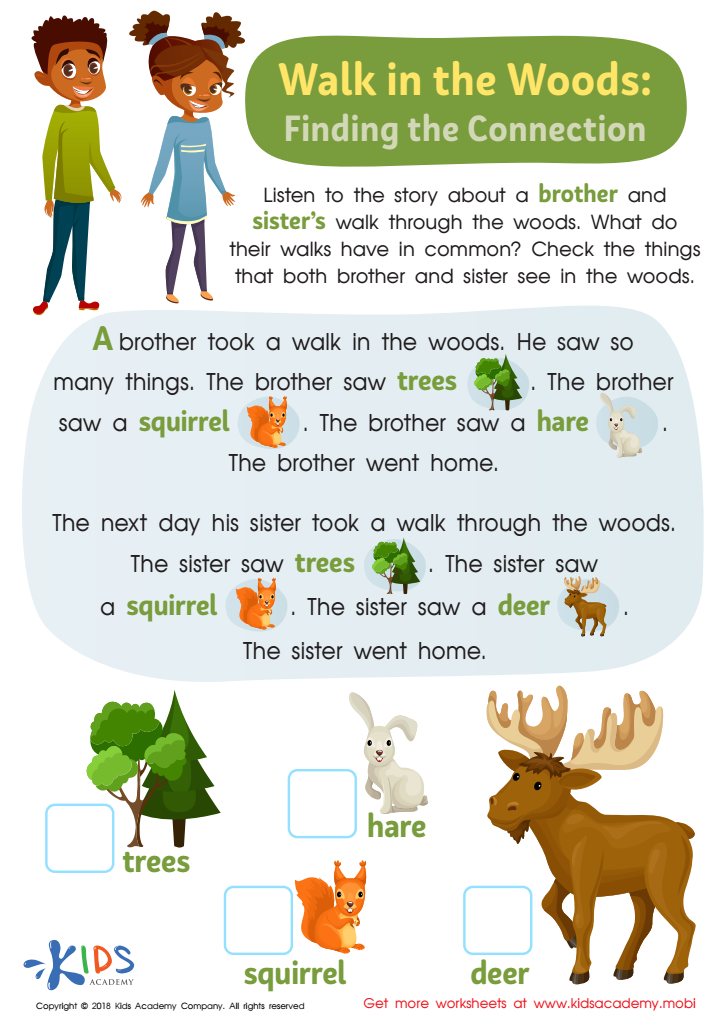
Walk In the Woods: Finding Connections Worksheet
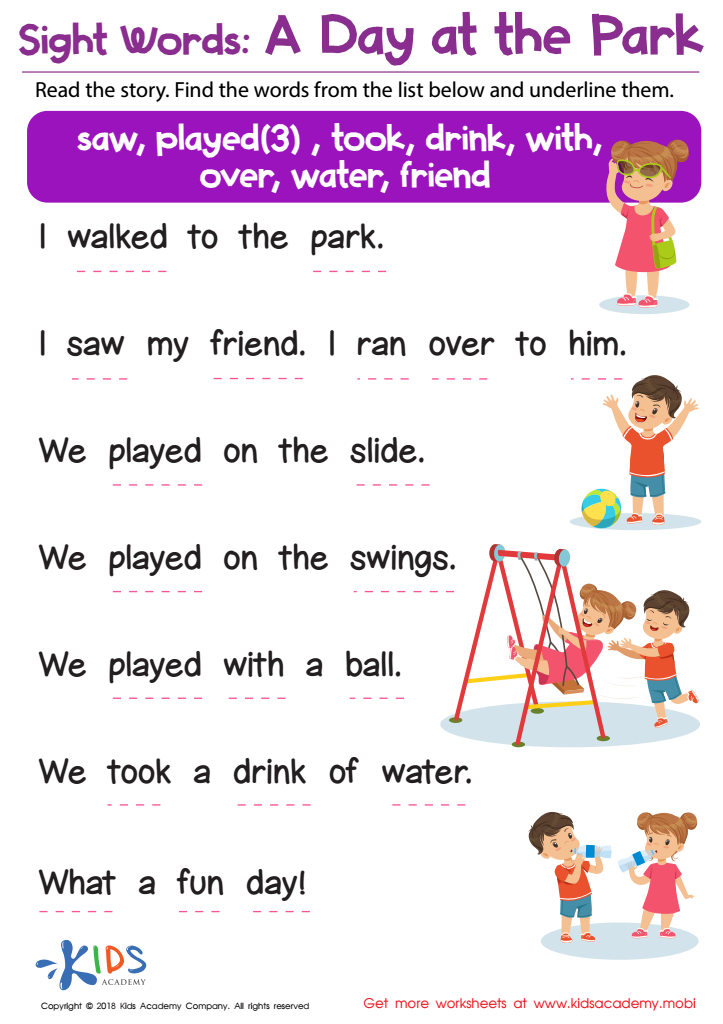
Sight Words: A Day at the Park Worksheet




.jpg)
.jpg)


Sentence construction and vocabulary building are critical components of early language development for children aged 3-6. During these formative years, children rapidly expand their understanding of language, making it vital for parents and teachers to actively engage in enhancing their linguistic skills.
Strong sentence construction helps children express their thoughts clearly and develop critical thinking abilities. The ability to form proper sentences also builds their confidence in communication, a crucial skill for social interactions and future academic success.
Moreover, a robust vocabulary lays the groundwork for literacy. Children who are exposed to rich language experiences tend to perform better in reading and writing later in school. By enriching a child's vocabulary through games, storytelling, and conversations, caregivers can create an enthusiastic learning environment that fosters curiosity and comprehension.
Connecting ideas through well-constructed sentences helps children make sense of their experiences and articulate their feelings. When parents and teachers emphasize sentence construction and vocabulary, they not only prepare children for academic challenges but also encourage lifelong learning and effective communication skills, which are essential in today's world. Both parents and teachers play a fundamental role in nurturing these language skills, shaping learners who can express themselves eloquently and confidently.








