Following instructions Normal Reading Worksheets for Ages 3-6
3 filtered results
-
From - To
Enhance your child's reading skills with our specially crafted "Following Instructions Normal Reading Worksheets" designed for ages 3-6. These engaging activities help young learners develop essential comprehension and listening abilities by following simple, clear guidelines. Perfect for preschool and kindergarten, our worksheets promote attentive reading, critical thinking, and the ability to act on instructions accurately. With a variety of colorful and exciting exercises, children will enjoy every moment while building fundamental skills needed for academic success. Empower your little one's learning journey today with these effective and fun worksheets from Kids Academy!
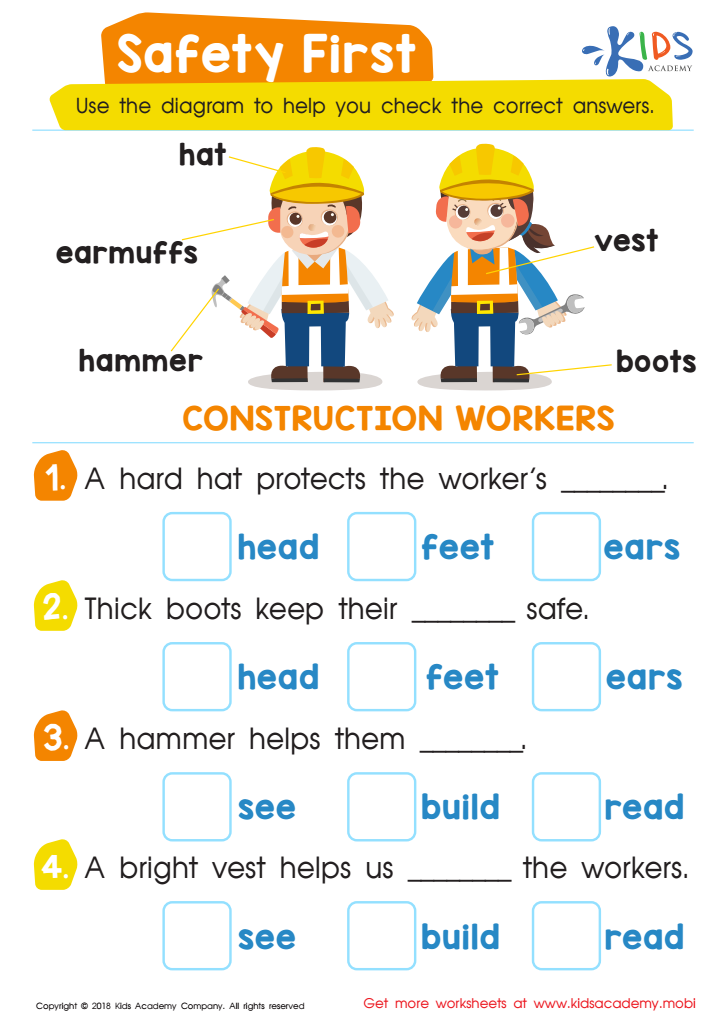
Safety First Worksheet
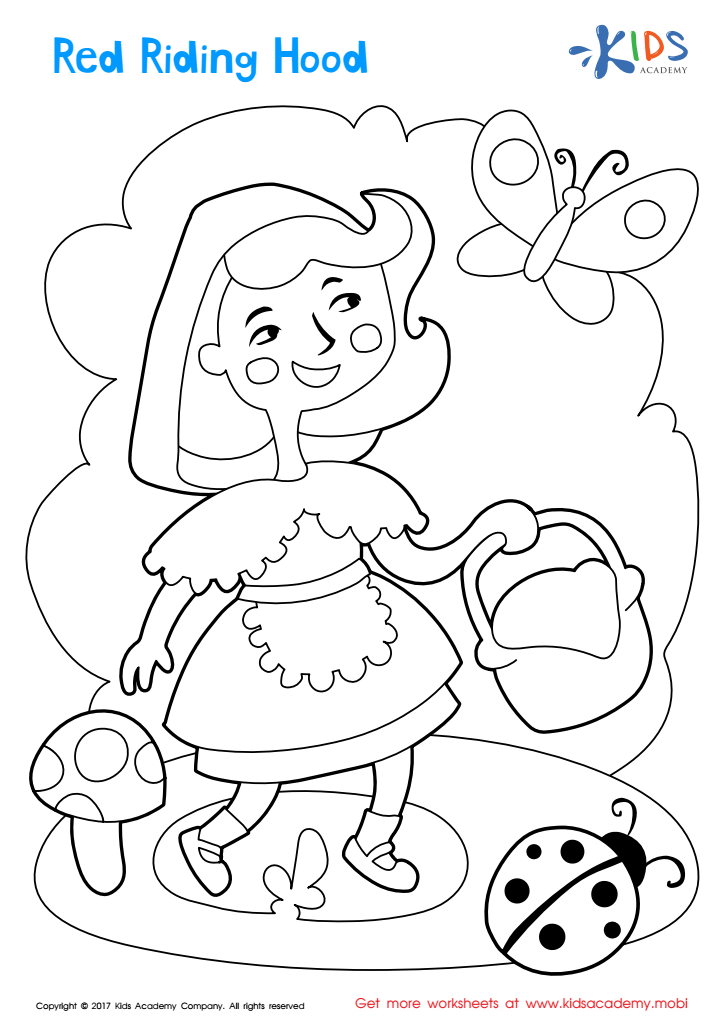
Red Riding Hood Coloring Page
 Assign to My Students
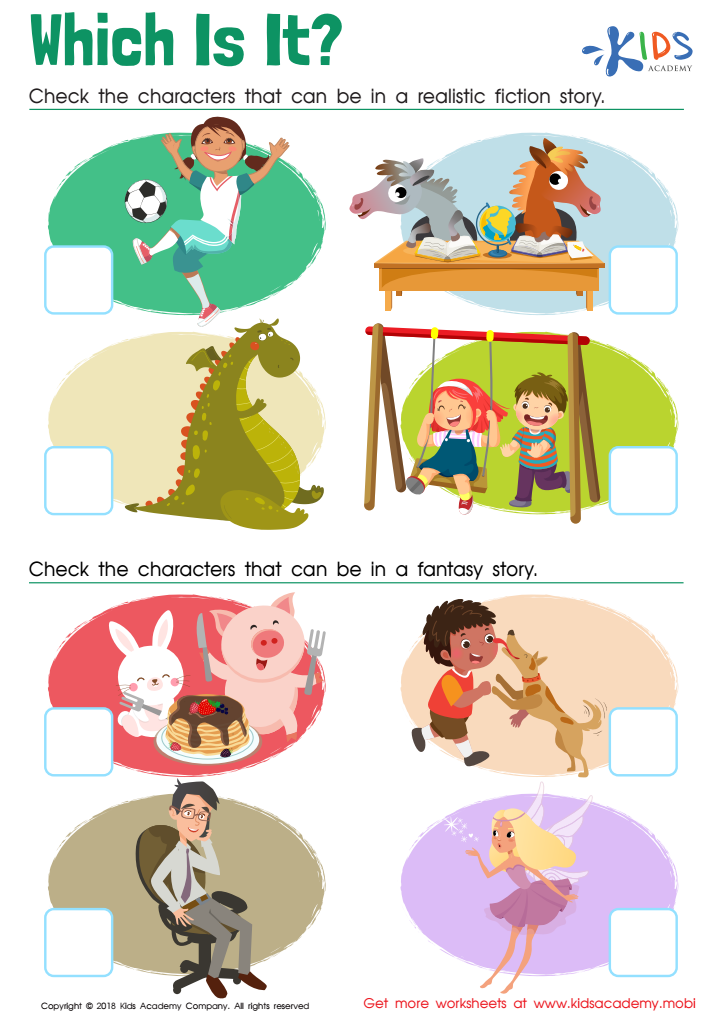
Which Is It? Worksheet








Following instructions is a crucial skill for young children aged 3-6 because it lays the foundation for their future academic and social success. For parents and teachers, nurturing this habit is essential.
Firstly, understanding and adhering to instructions enhances children's cognitive development. They learn to process, remember, and execute tasks systematically, which is vital for problem-solving and logical thinking. This early development fosters a sense of independence and confidence in their abilities.
Secondly, in a classroom setting, following instructions helps maintain order and efficiency, enabling a positive learning environment where teachers can effectively manage activities and ensure safety. For instance, correctly following directions prevents accidents—like using scissors or playground equipment improperly.
Thirdly, it bolsters social skills and cooperation. Children learn the importance of listening, paying attention, and responding appropriately, which are key components of effective communication and teamwork. This promotes positive interactions with peers and adults, leading to smoother social integration and stronger relationships.
Lastly, following instructions is integral to achieving academic milestones. As children begin to read, write, and undertake more complex tasks, their ability to follow detailed directions becomes increasingly critical. It ensures they comprehend literacy activities accurately, fostering a love for reading and learning.
In summary, teaching young children to follow instructions prepares them for future challenges, enhances safety and order, boosts social and cognitive skills, and supports academic growth.








