Vocabulary development Normal Reading Comprehension Worksheets for Ages 3-6
5 filtered results
-
From - To
Introducing our Vocabulary Development Reading Comprehension Worksheets, specially designed for children ages 3-6. These engaging worksheets help young learners build a strong vocabulary foundation through age-appropriate reading activities that make learning fun and effective. Developed by educational experts, each worksheet is crafted to enhance kids' reading comprehension, stimulate their critical thinking, and promote a love for reading. With bright illustrations and simple exercises, children can easily grasp new words and concepts at their own pace. Perfect for both classroom and home use, our worksheets provide an essential tool for early literacy development. Explore today and watch your child's vocabulary flourish!
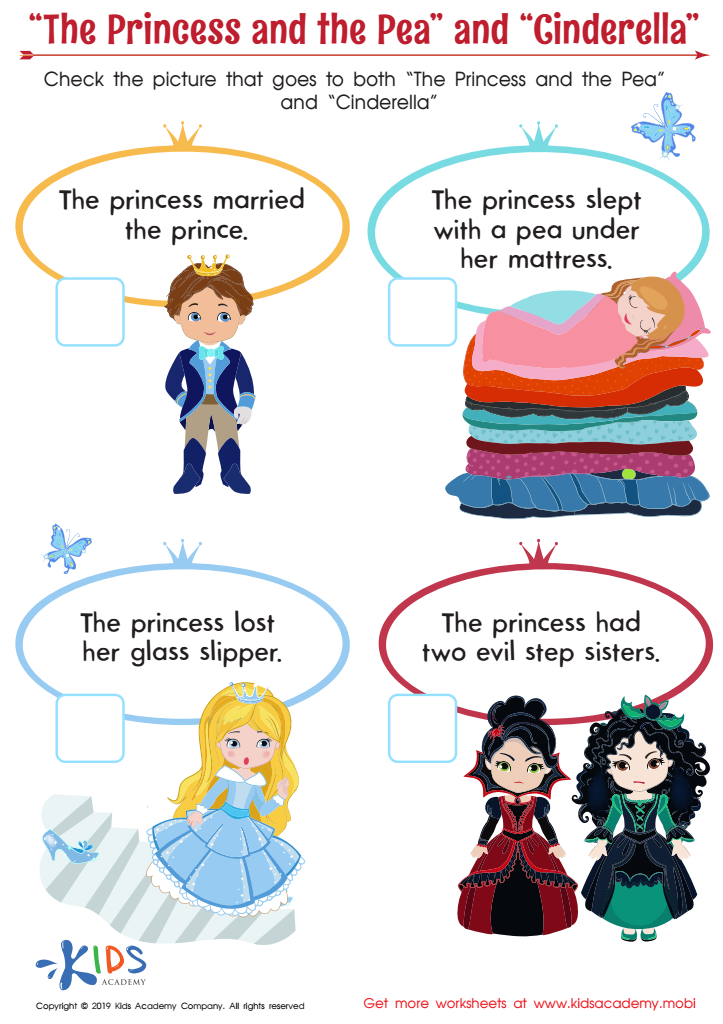
“The Princess and the Pea” and “Cinderella” Worksheet
 Assign to My Students
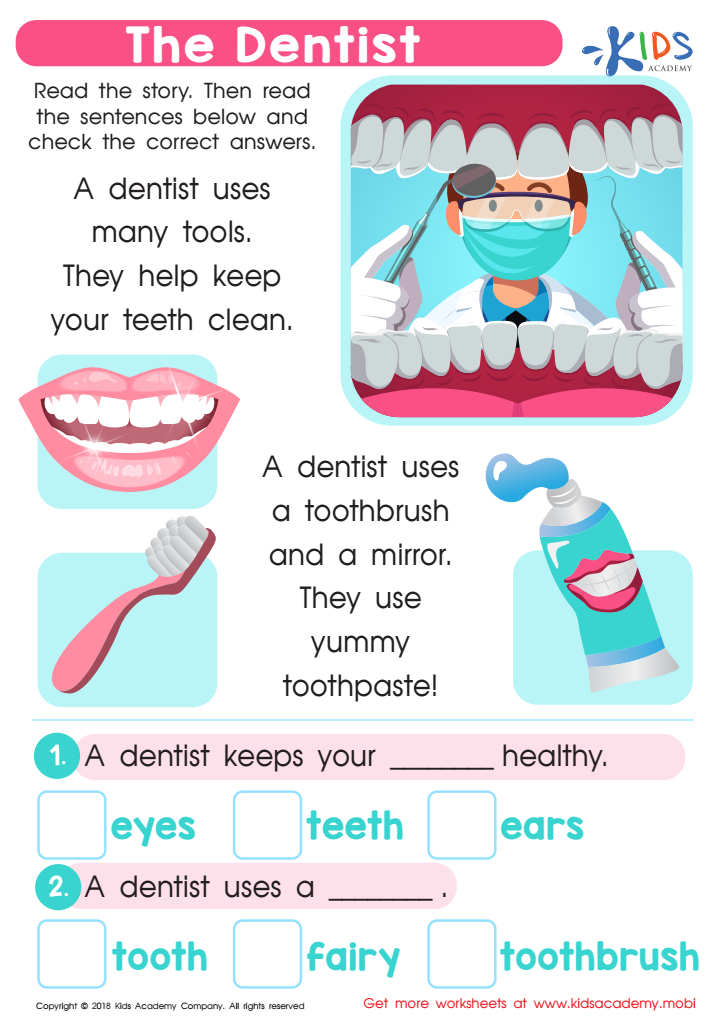
The Dentist Worksheet
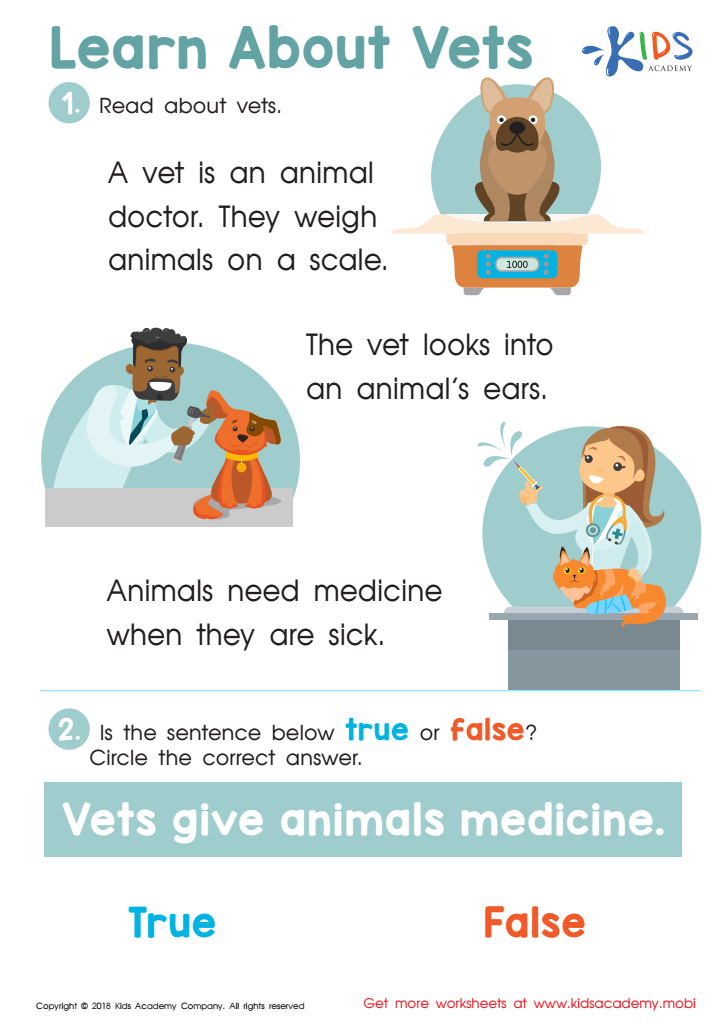
Learn About Vets Worksheet
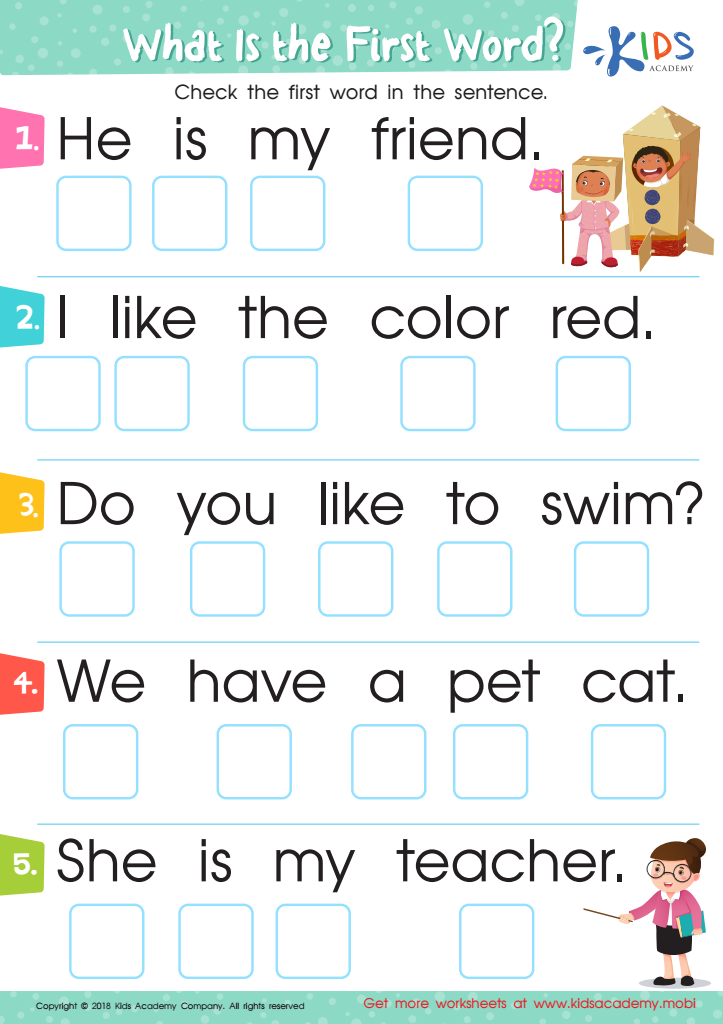
What is the First Word? Worksheet
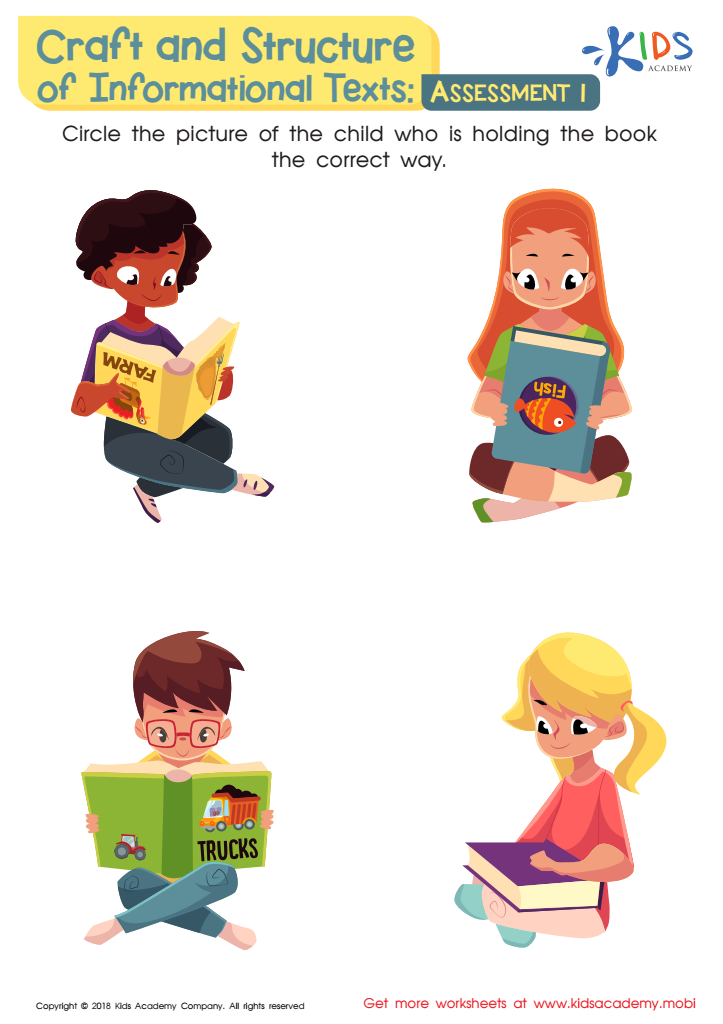
Craft and Structure of Informational Texts: Assessment 1 Worksheet








Vocabulary development and reading comprehension are crucial for children ages 3-6 because they lay the groundwork for their future academic success and overall intellectual growth. At this developmental stage, children's brains are highly receptive to new words and concepts. Thus, a rich vocabulary enables them to express their thoughts clearly, engage in meaningful conversations, and understand complex ideas as they grow older.
Strong reading comprehension skills are directly linked to a child's ability to learn across all subjects. When children understand what they read, they can easily acquire new knowledge, follow instructions, and make informed decisions. These skills foster an enduring love for learning and curiosity, which are essential for long-term educational success.
Moreover, early vocabulary and reading comprehension development are strongly correlated with later literacy and cognitive skills. Children who enter school with a robust vocabulary base and good comprehension skills are better equipped to tackle the structured learning that formal education demands. This can lead to higher academic achievement, greater confidence, and more positive attitudes toward school.
Parents and teachers play a pivotal role in this developmental phase by providing rich, varied language experiences and engaging reading activities. Their commitment can significantly impact a child's lifelong learning and development, emphasizing why these elements are crucial during the early years.








