Analytical skills Normal Reading Fiction Worksheets for Ages 3-6
5 filtered results
-
From - To
Boost your child's analytical skills with our engaging Normal Reading Fiction Worksheets, designed specifically for ages 3-6! These invaluable resources help young learners develop critical thinking, comprehension, and interpretation skills through interactive storytelling. Each worksheet focuses on assessing characters, settings, and plots, encouraging kids to think deeply while inspiring their creativity. Ideal for preschool and kindergarten classrooms or at-home learning, our activities foster a love for reading while enhancing cognitive abilities. Explore our thoughtfully crafted exercises that make learning enjoyable and effective. Set your child on a path to success with our entertaining and educational materials today!
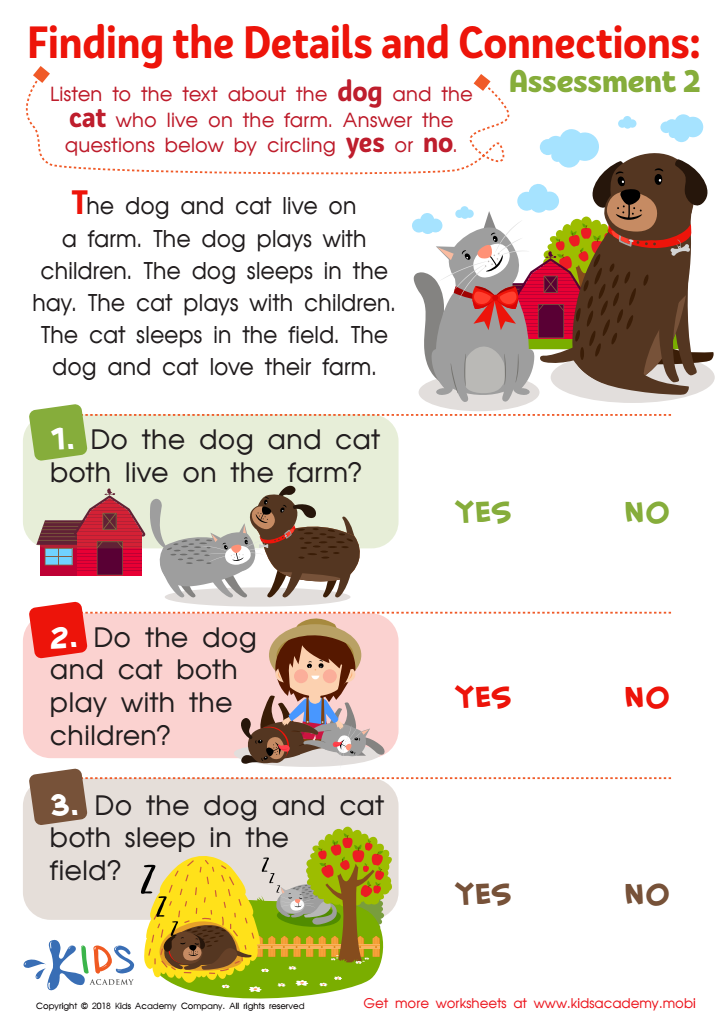
Finding the Details and Connections: Assessment 2 Worksheet
 Assign to My Students
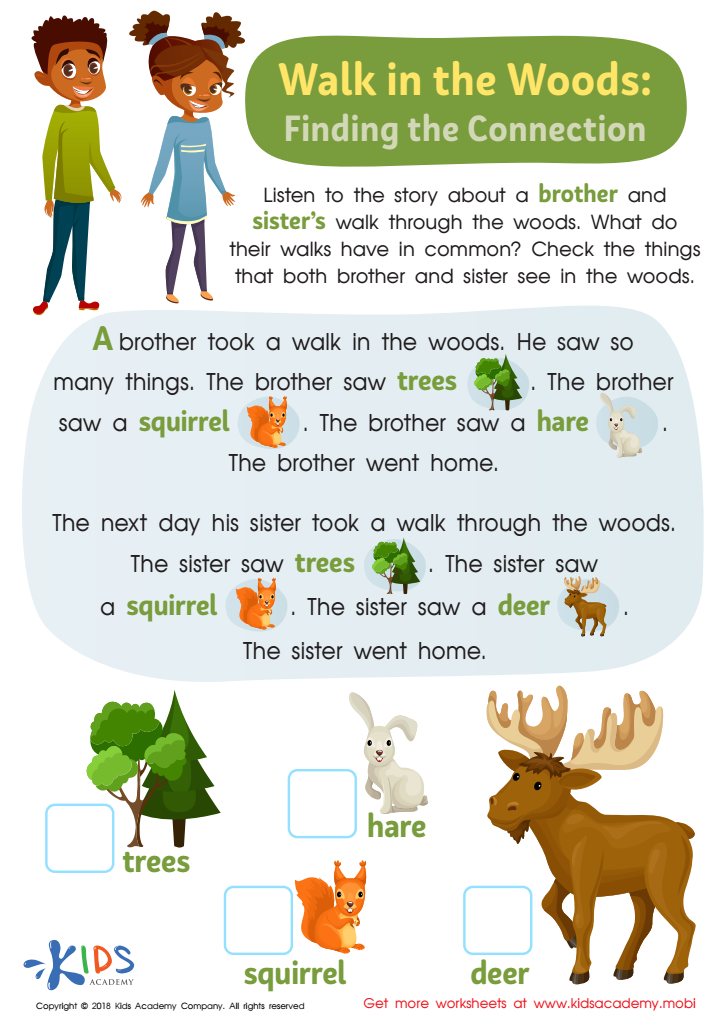
Walk In the Woods: Finding Connections Worksheet
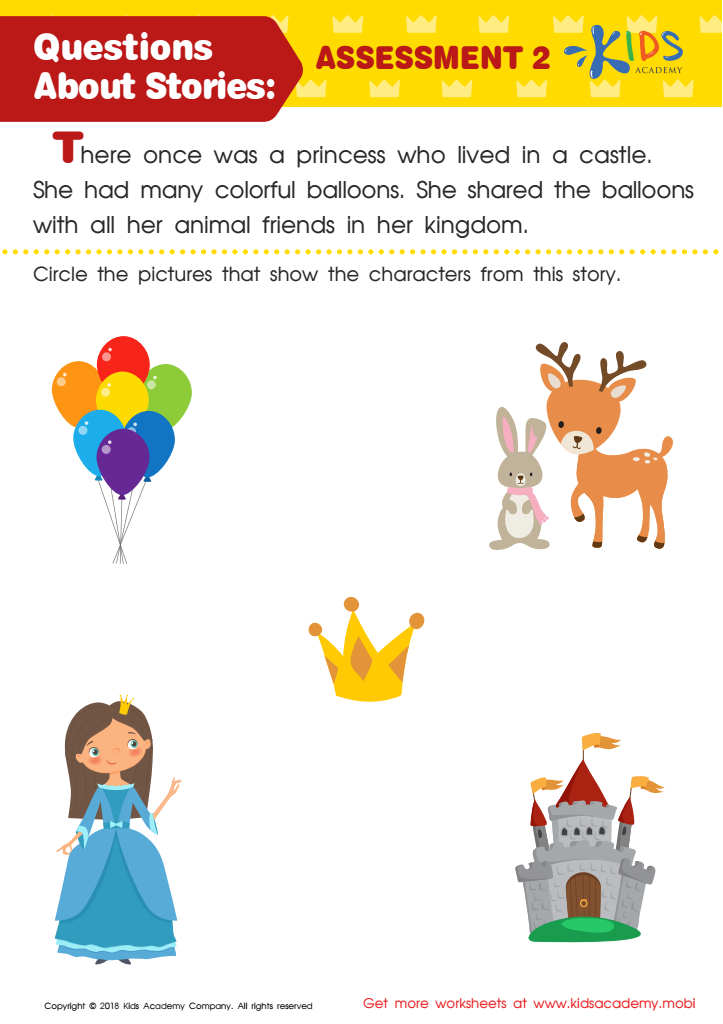
Questions About Stories: Assessment 2 Worksheet
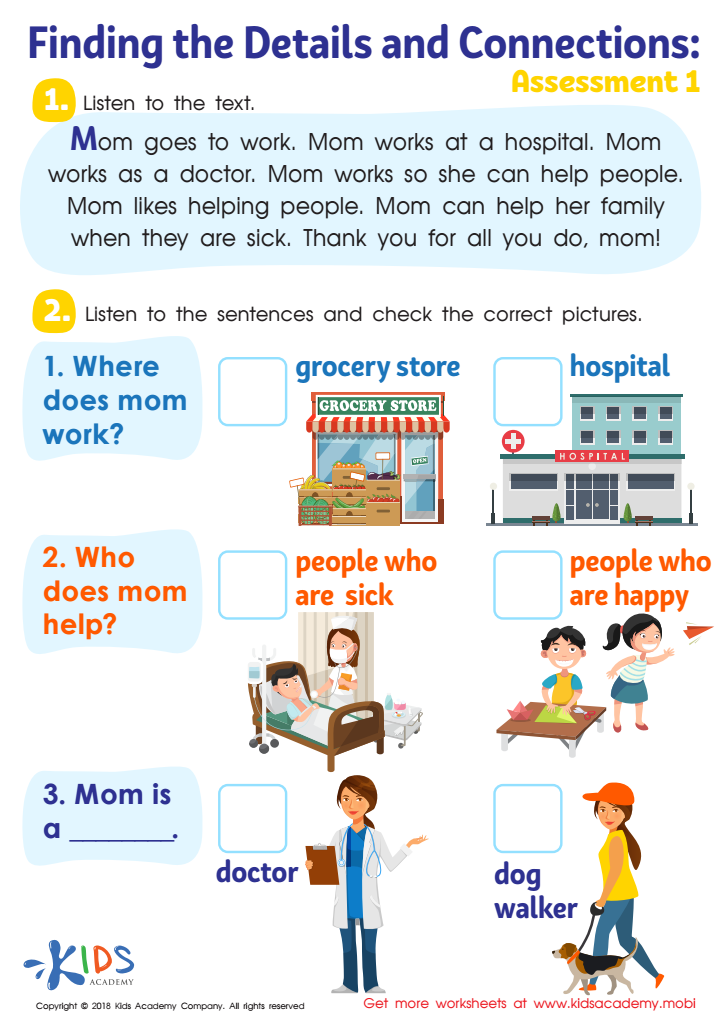
Finding the Details and Connections: Assessment 1 Worksheet
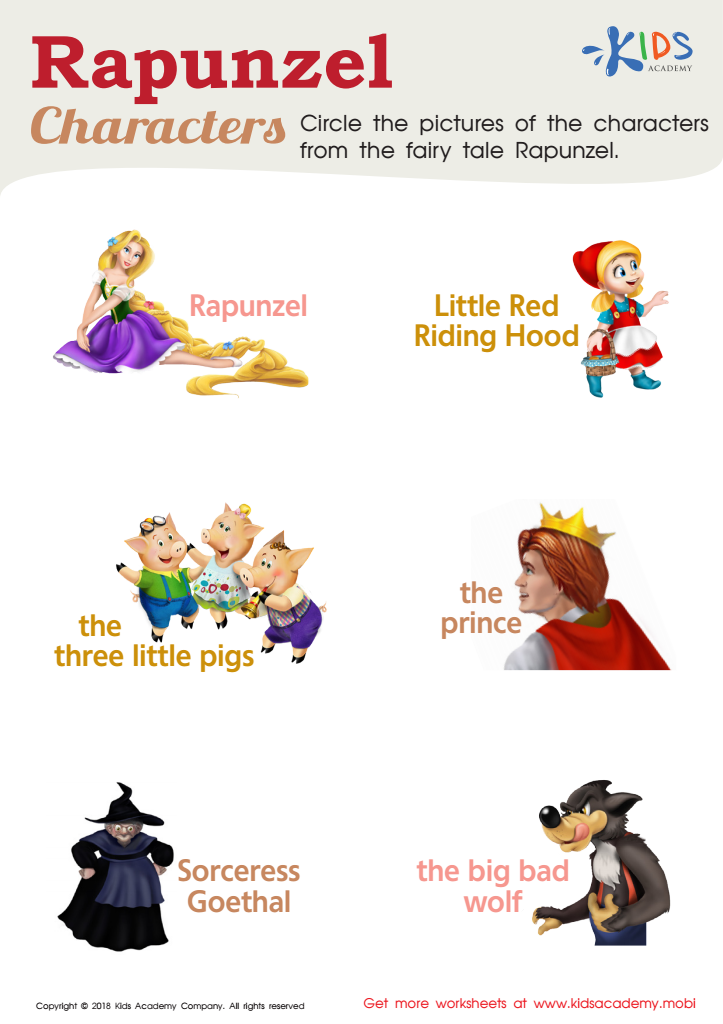
Rapunzel Characters Worksheet








Analytical skills are crucial for young children, especially in the realm of reading fiction. For ages 3-6, fostering these skills can significantly enhance a child's comprehension, critical thinking, and ability to make connections within the stories they encounter. When parents and teachers engage children in discussions about the characters, plot, and themes of a story, they encourage children to analyze and interpret the narrative, fostering curiosity and deeper understanding.
Reading fiction helps children to recognize patterns, draw inferences, and predict outcomes—key elements of analytical thinking. As they identify relationships between characters’ actions and the consequences that unfold, children develop a sense of cause and effect, which is fundamental in both literature and real life. Furthermore, discussing stories can promote empathy as children consider the motivations and feelings of various characters, effectively broadening their emotional intelligence.
Additionally, these analytical skills lay the groundwork for academic success as children progress in their education. By investing time in nurturing these abilities through reading, parents and teachers are not only enriching children's literary experiences but also equipping them with essential tools for problem-solving and reasoning that will serve them throughout their lives. Fostering these skills early can spark a lifelong love of reading and learning.







