Problem-Solving Skills Normal Reading Fiction Worksheets for Ages 3-6
4 filtered results
-
From - To
Discover our engaging “Problem-Solving Skills Normal Reading Fiction Worksheets” designed specifically for children ages 3-6! These worksheets combine enjoyable stories with interactive activities that promote critical thinking and problem-solving abilities. Through captivating narratives, kids will learn to identify challenges within the text and develop effective strategies for resolution. Ideal for young learners, these resources will not only enhance reading comprehension but also foster creativity and independent thinking. Perfect for home or classroom use, our worksheets offer a fun way to cultivate essential problem-solving skills while nurturing a love for reading. Explore our collection and support your child’s early development today!
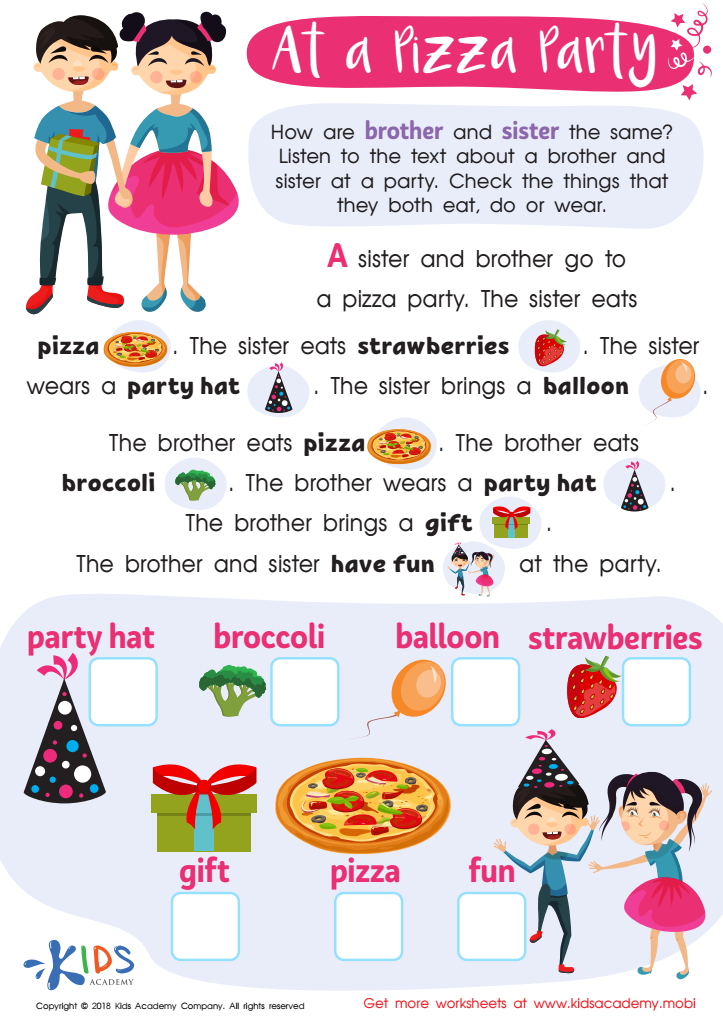
At a Pizza Party Worksheet
 Assign to My Students
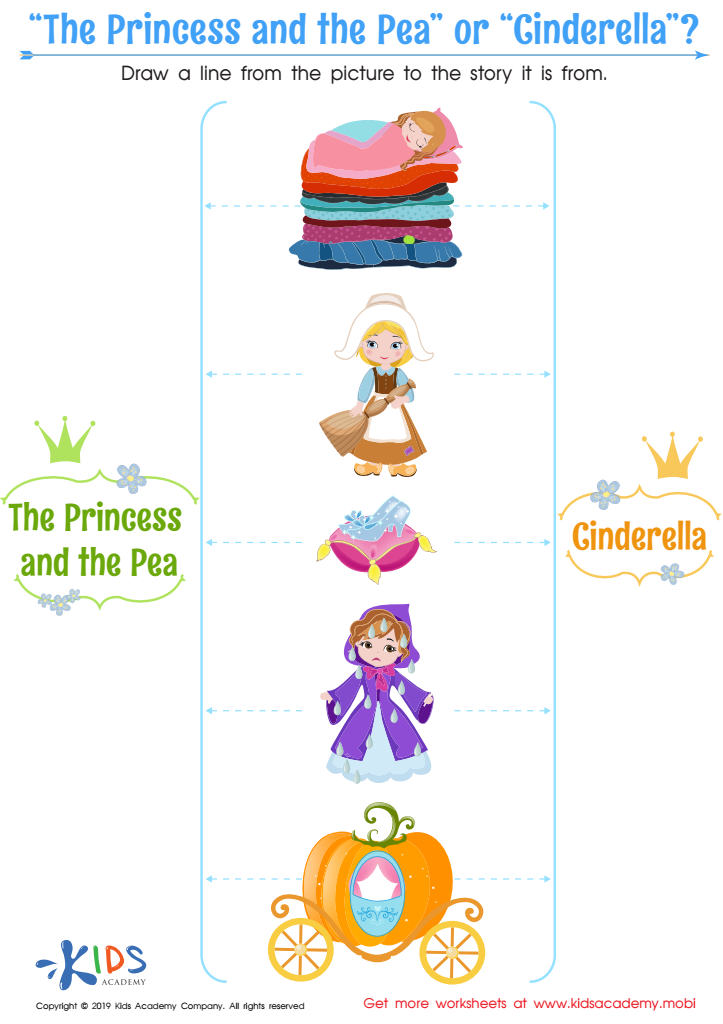
“The Princess and the Pea” or “Cinderella” Worksheet
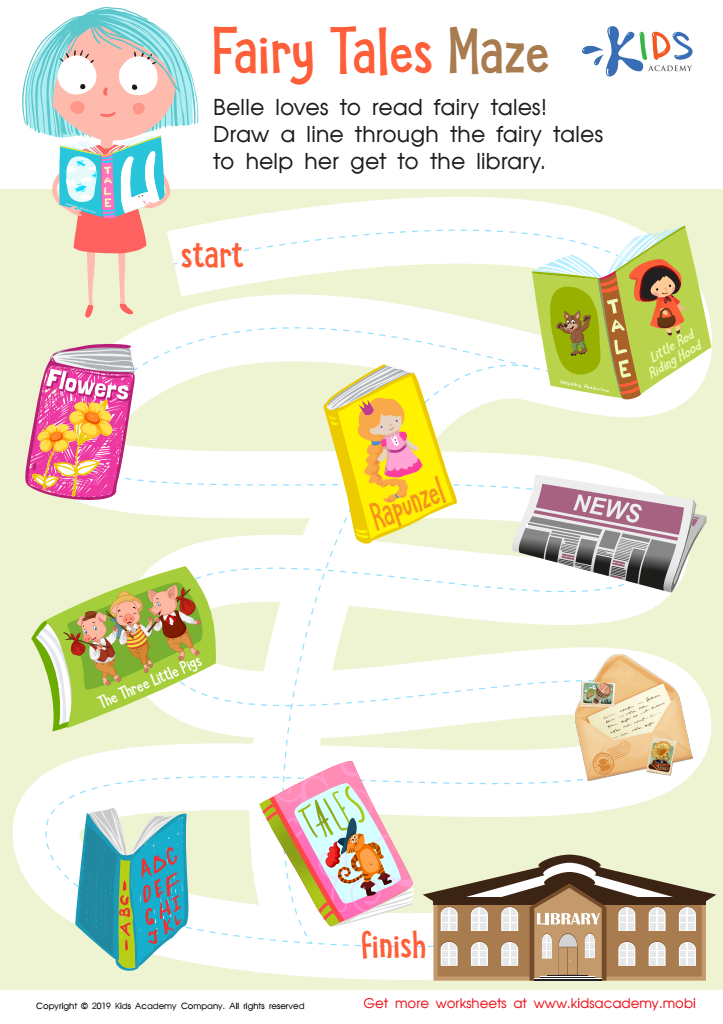
Fairy Tales Maze Worksheet
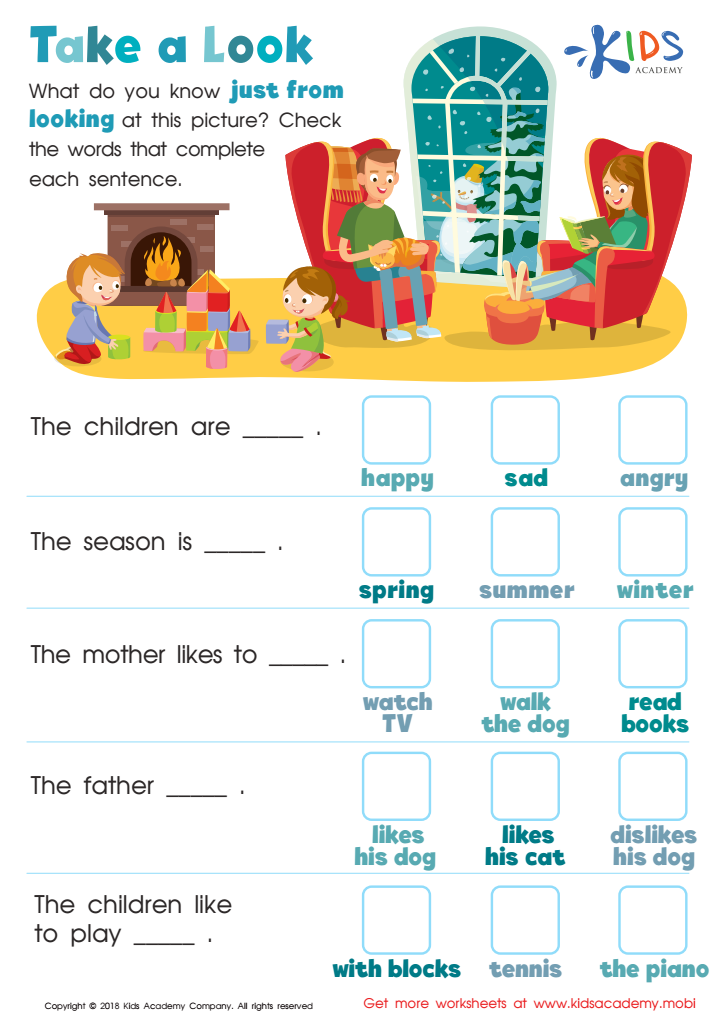
Take a Look - Part 1 Worksheet







Problem-solving skills are crucial for young children aged 3-6, as they lay the foundation for critical thinking and decision-making later in life. For parents and teachers, fostering these skills through normal reading and fiction is imperative. Engaging stories often present characters who face challenges and dilemmas, encouraging children to predict outcomes, analyze situations, and develop strategies to overcome obstacles. This not only boosts cognitive abilities but also enhances emotional intelligence, as children learn to empathize with characters and understand varying perspectives.
By engaging with fiction, children are exposed to diverse problem-solving scenarios in a safe and imaginative environment. This gentle exposure allows them to experiment with solutions, fostering independence and perseverance. Moreover, discussing stories with adults promotes dialogue, enabling children to articulate their thoughts and reasoning.
For educators and parents, nurturing problem-solving skills through reading also strengthens literacy and comprehension abilities. Kids learn language nuances and expand their vocabulary, further enhancing their communication skills. Ultimately, when parents and teachers prioritize problem-solving skills through fictional narratives, they empower young learners to navigate the world with confidence, creativity, and a foundational grasp of critical reasoning that benefits their lifelong learning journey.







