Animal Classification Normal Animals Worksheets for Ages 3-6
4 filtered results
-
From - To
Discover our engaging "Animal Classification Normal Animals Worksheets" designed specifically for ages 3-6! These worksheets introduce young learners to the fascinating world of animals, focusing on essential skills in classification. Through fun and interactive activities, children will explore various animal types, honing their observation and critical thinking abilities. Our age-appropriate resources include colorful illustrations and simple exercises that make learning entertaining. Perfect for early educators and parents alike, these worksheets help instill a love for science and nature while fostering essential cognitive skills. Enrich your child's learning experience today with our captivating animal classification worksheets!
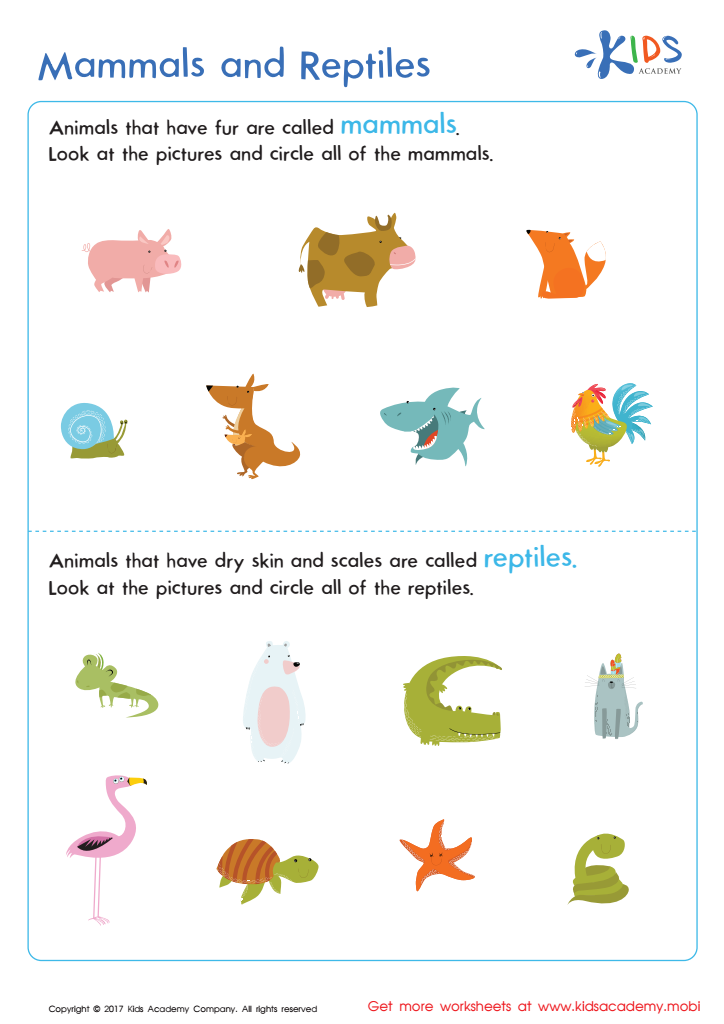
Mammals and Reptiles Worksheet
 Assign to My Students
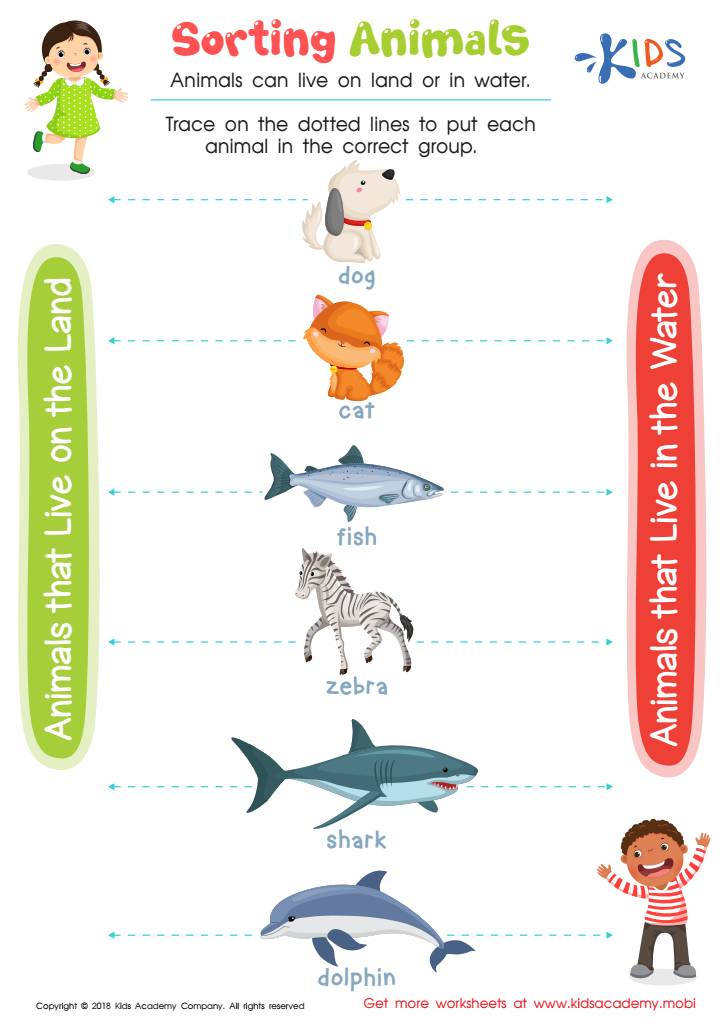
Sorting Animals Worksheet
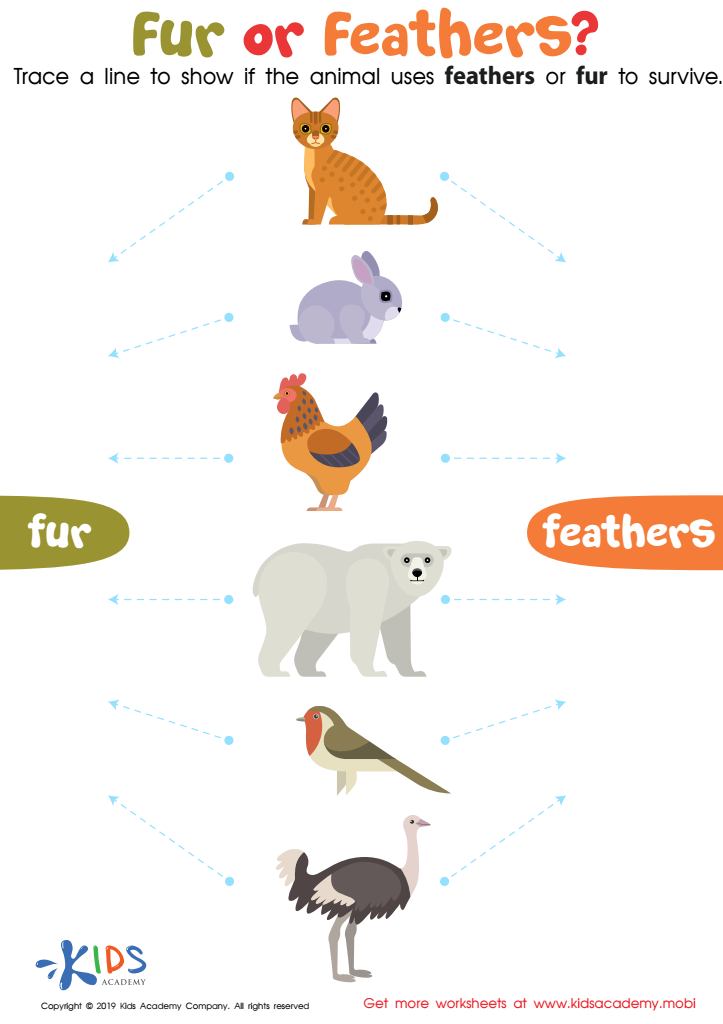
Fur or Feathers? Worksheet
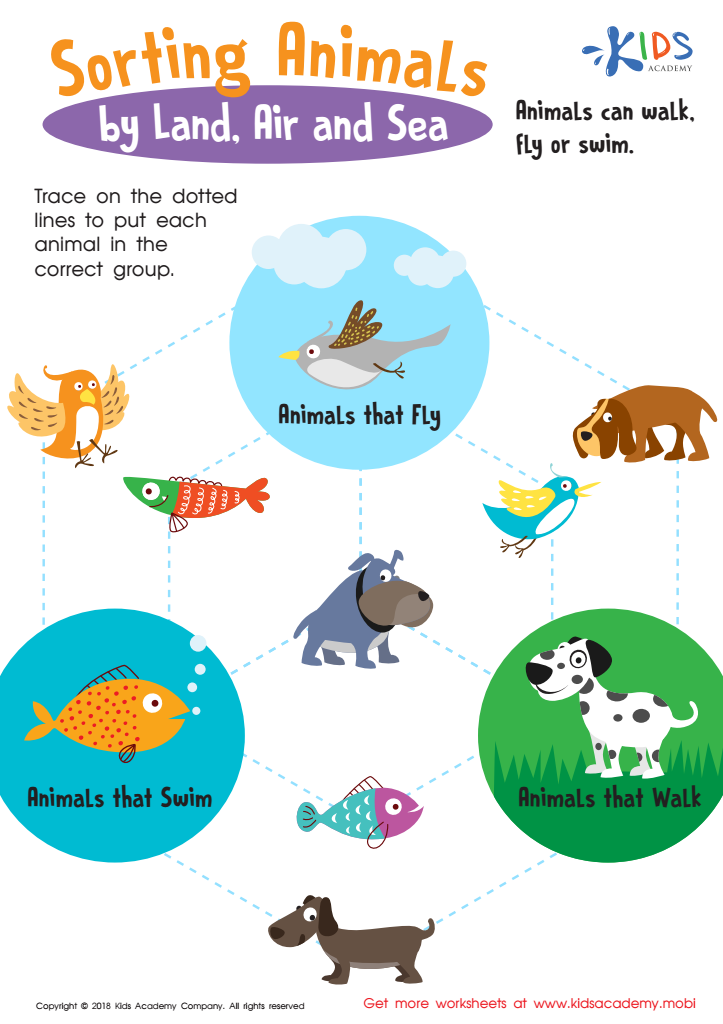
Sorting Animals by Land, Air and Sea Worksheet



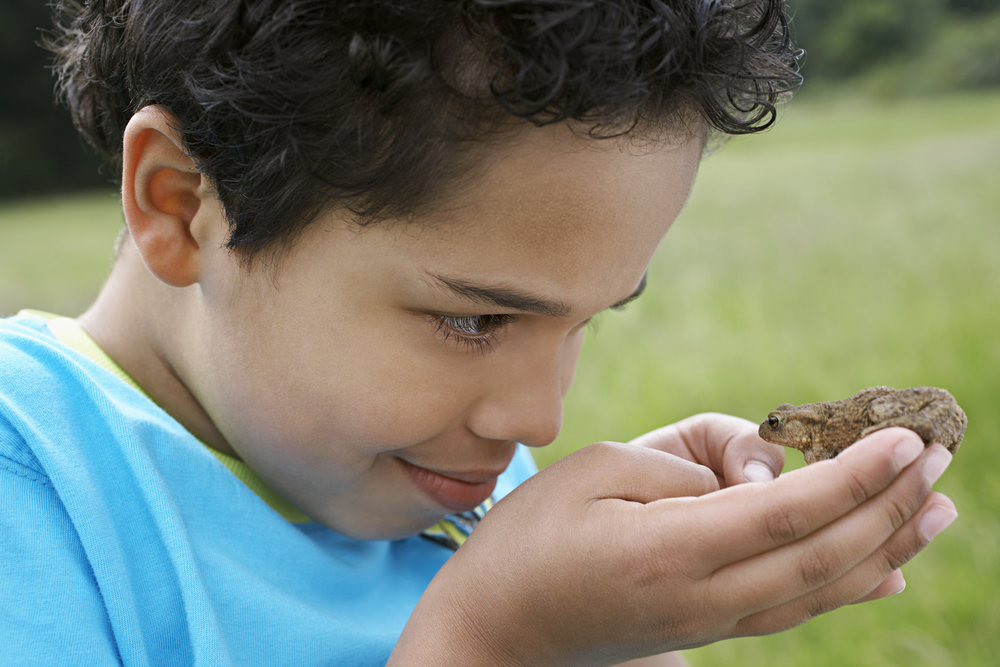



Animal classification is essential for young children aged 3-6, as it introduces fundamental concepts about the diversity of life and the natural world. By understanding normal animals, which encompass mammals, birds, fish, reptiles, and amphibians, children enhance their cognitive skills, observational abilities, and critical thinking. When parents and teachers engage in this learning, they motivate curiosity and a sense of wonder about animals.
Learning about animal classification lays the groundwork for scientific knowledge. Children can grasp the differences and similarities among animals, which nurtures their analytical skills. For instance, recognizing how mammals differ from birds fosters understanding of habitats, adaptations, and environmental interconnections.
Additionally, classification triggers imagination and storytelling, enabling children to create narratives about animals and their traits. This imaginative play stimulates language development, fostering communication skills.
Moreover, comprehending animal roles in ecosystems promotes empathy towards living things and the importance of conservation. As children learn that every species has a purpose, they develop a sense of responsibility toward the environment.
In essence, teaching animal classification not only builds foundational knowledge but also supports holistic development in young learners, making it a valuable topic for teachers and parents alike.








