Counting skills Normal Science Worksheets for Ages 3-6
6 filtered results
-
From - To
Enhance your child's counting skills with our engaging Normal Science Worksheets designed for ages 3-6! These interactive worksheets combine foundational math concepts with exciting scientific themes, making learning fun and effective. Kids will explore numbers through vibrant illustrations and relatable scenarios that spark curiosity. Each worksheet promotes not only counting but also critical thinking and problem-solving, essential for early development. Perfect for at-home learning or classroom settings, our materials aim to nurture a solid foundation in mathematics while encouraging a love for science. Dive into a world of numbers and discovery with our user-friendly counting skills worksheets today!
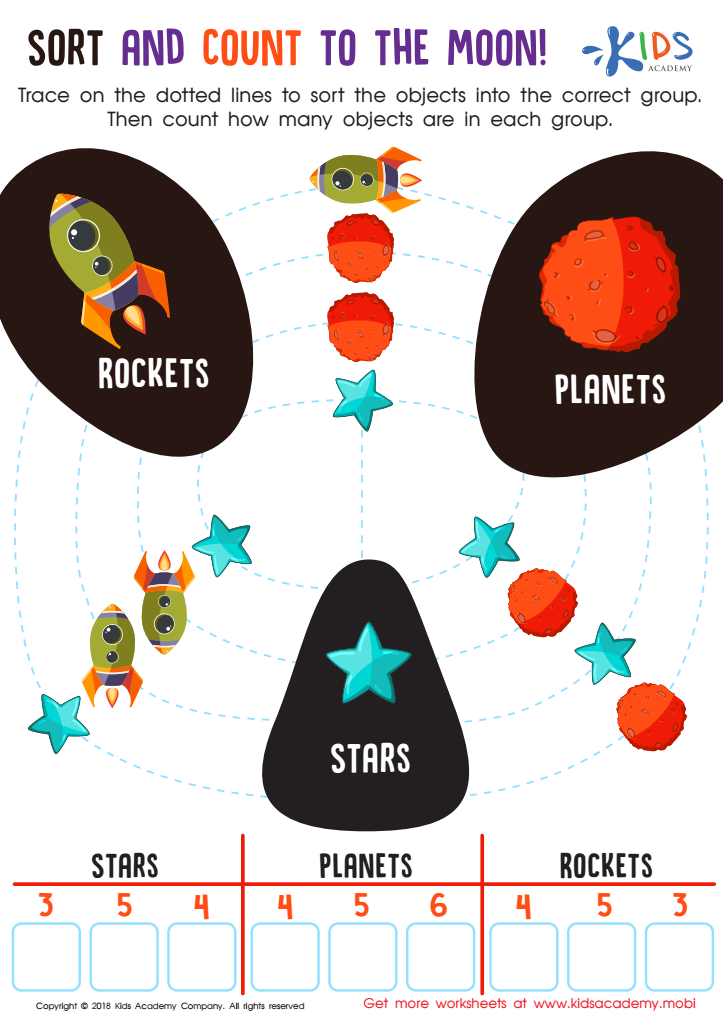
Sort and Count to the Moon Worksheet
 Assign to My Students
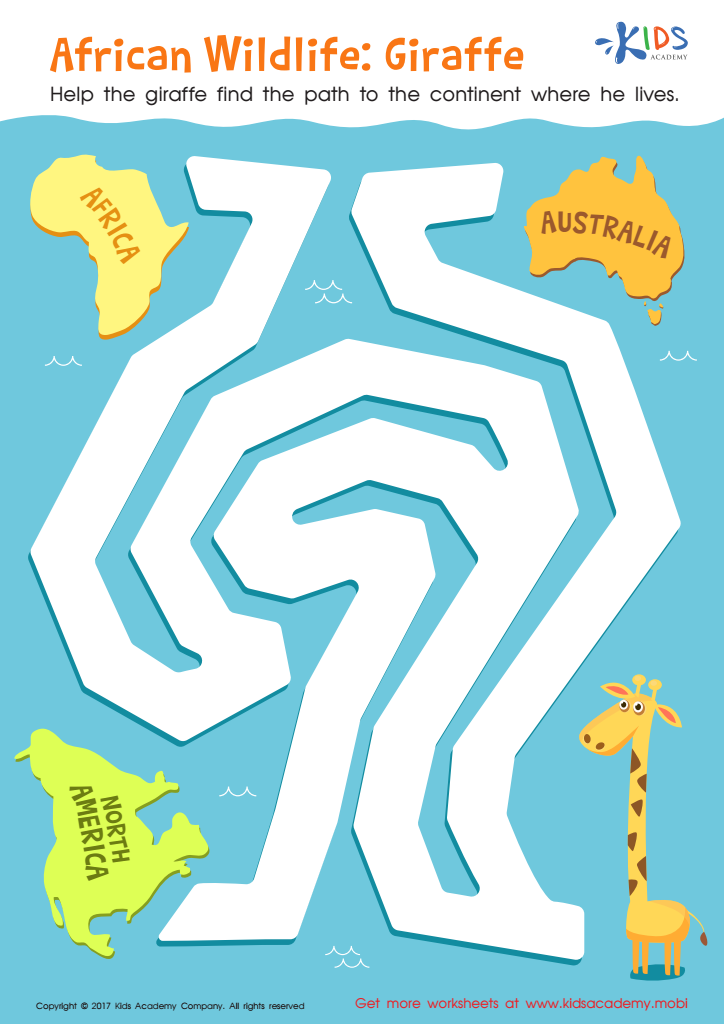
African Wildlife: Giraffe Worksheet
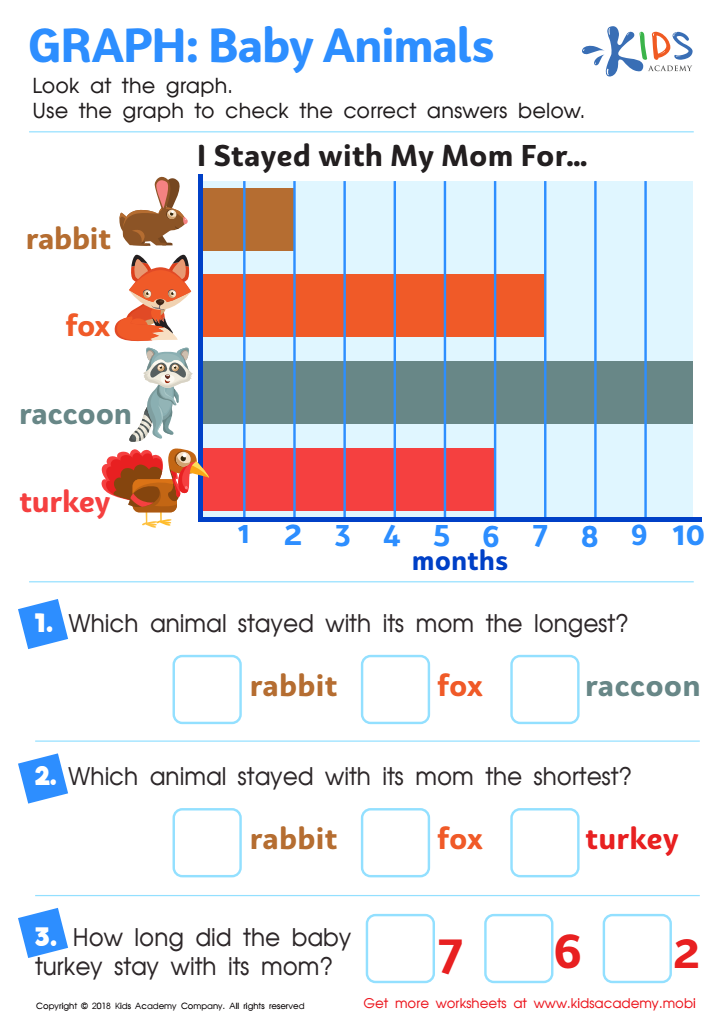
Graph: Baby Animals Worksheet
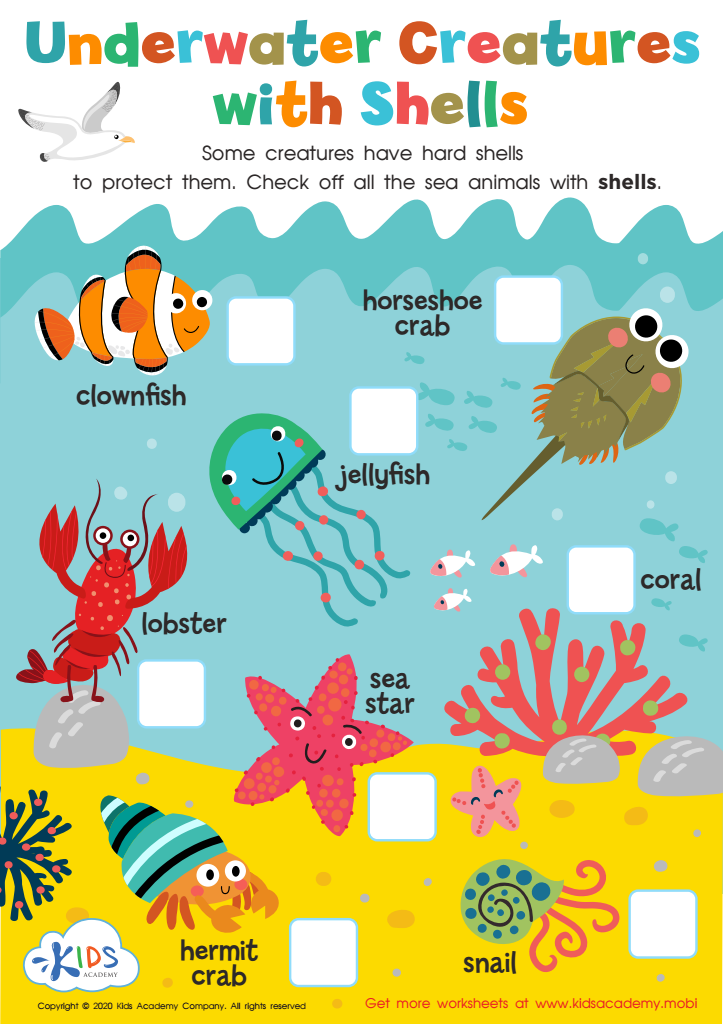
Underwater Creatures with Shells Worksheet
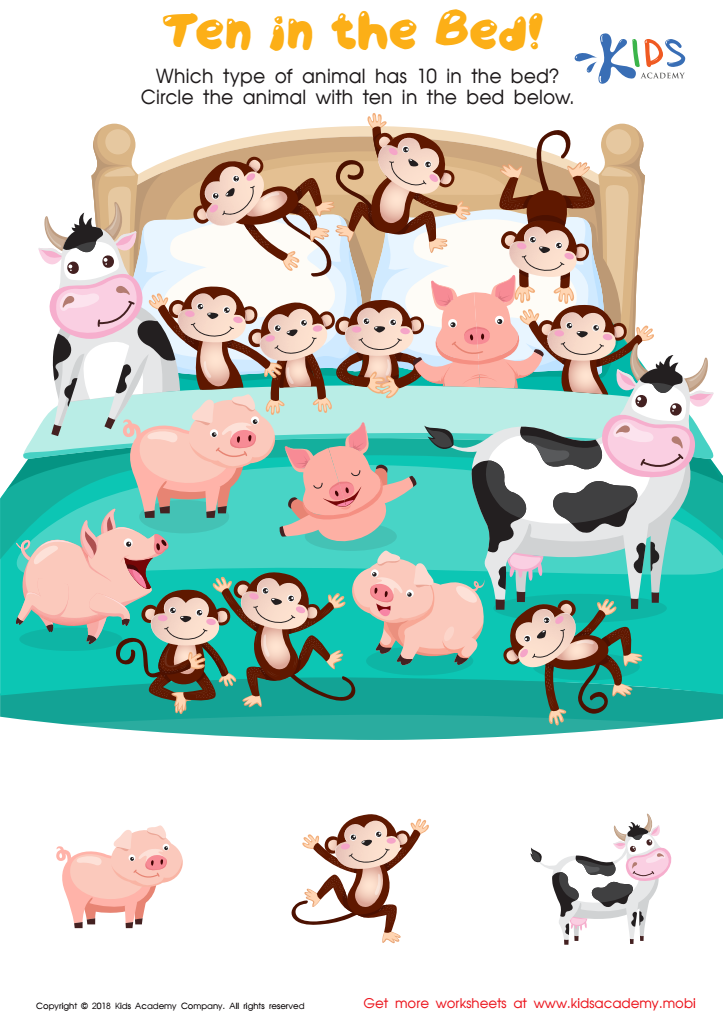
Ten in the Bed Worksheet
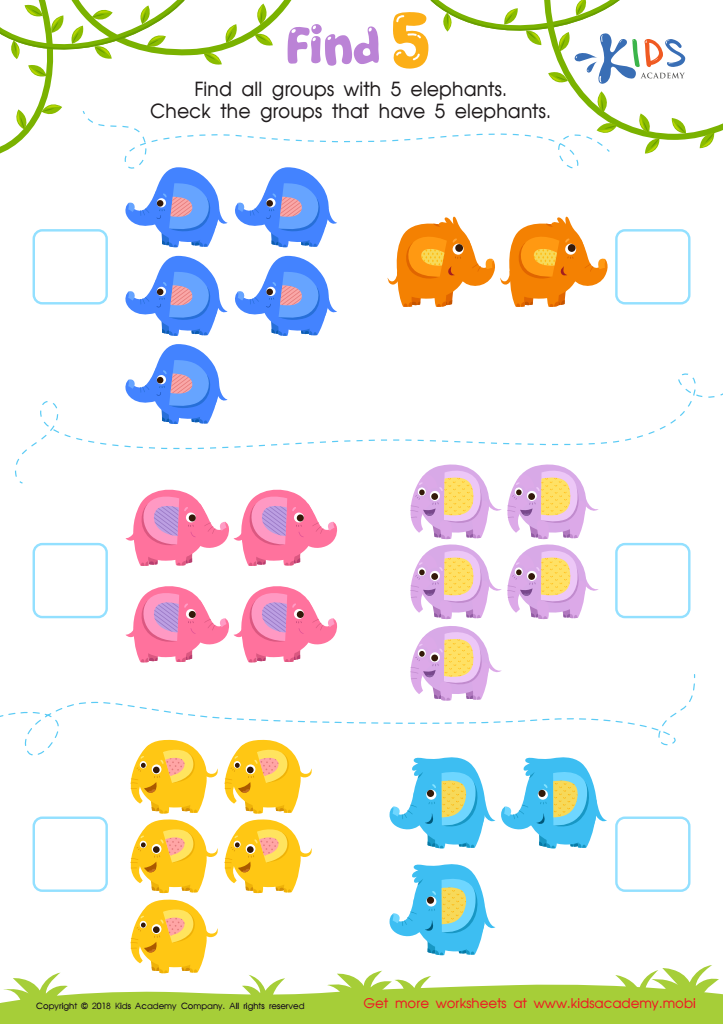
Find 5 Worksheet








Counting skills represent a foundational aspect of early mathematics education for children aged 3-6. Parents and teachers should prioritize these skills because they lay the groundwork for deeper mathematical understanding and problem-solving abilities. At this young age, children naturally exhibit curiosity about numbers, patterns, and quantities, and by nurturing their counting skills, adults can enhance cognitive development.
Establishing counting competence encourages numerical literacy, which is essential in everyday life. It helps children understand concepts such as addition and subtraction later on, as they learn to manipulate numbers and recognize values. Additionally, counting fosters critical thinking and analytical skills, as children begin to group and categorize objects based on quantity.
Engaging in counting activities—like counting toys, snacks, or books—can make learning enjoyable and interactive. It strengthens parent-child or teacher-student relationships through shared experiences. Moreover, children who develop strong counting skills often show greater confidence in math through their school years.
Ultimately, prioritizing counting skills prepares young learners for academic success and helps them navigate a world often governed by numbers and data. Investing efforts in these early skills can yield benefits that extend well beyond the classroom.







