Critical thinking development Normal Science Worksheets for Ages 3-6
3 filtered results
-
From - To
Our "Critical Thinking Development Normal Science Worksheets for Ages 3-6" are designed to engage young learners in meaningful exploration. These printable resources cultivate curiosity and enhance problem-solving skills through age-appropriate science activities. Tailored to preschool and kindergarten students, our worksheets cover various topics, fostering critical thinking in a fun, hands-on way. Each activity encourages children to ask questions, analyze information, and make observations, laying a solid foundation for future learning. Perfect for both classroom and home use, these worksheets provide a rich educational experience, supporting cognitive growth and a lifelong love for science. Download today to inspire young minds!
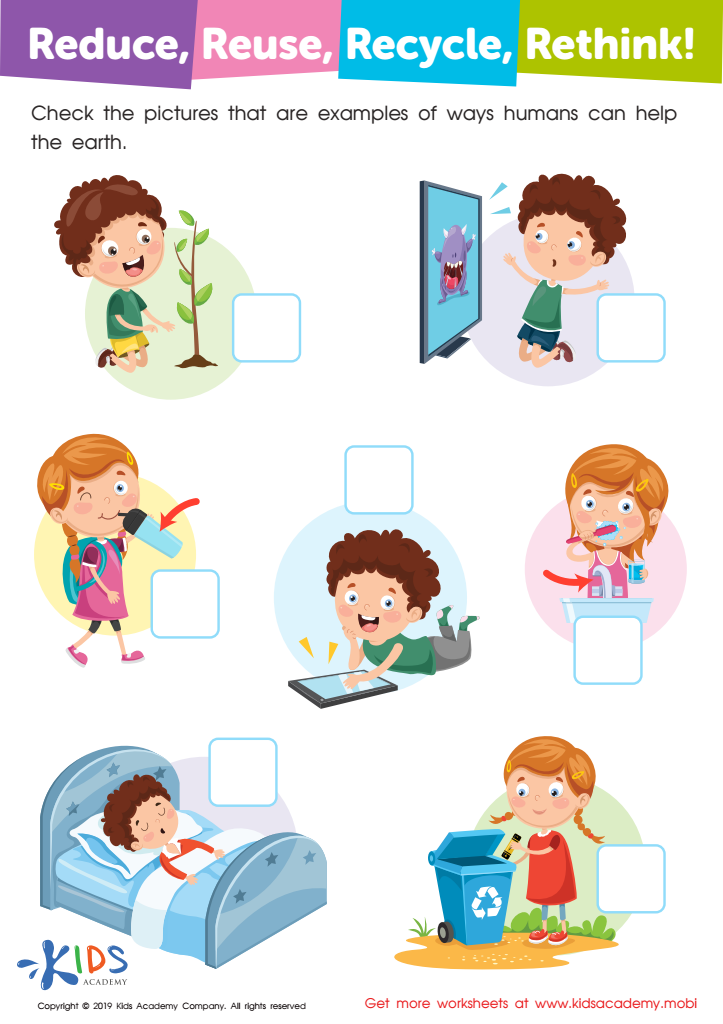
Reduce, Reuse, Recycle, Rethink Worksheet
 Assign to My Students
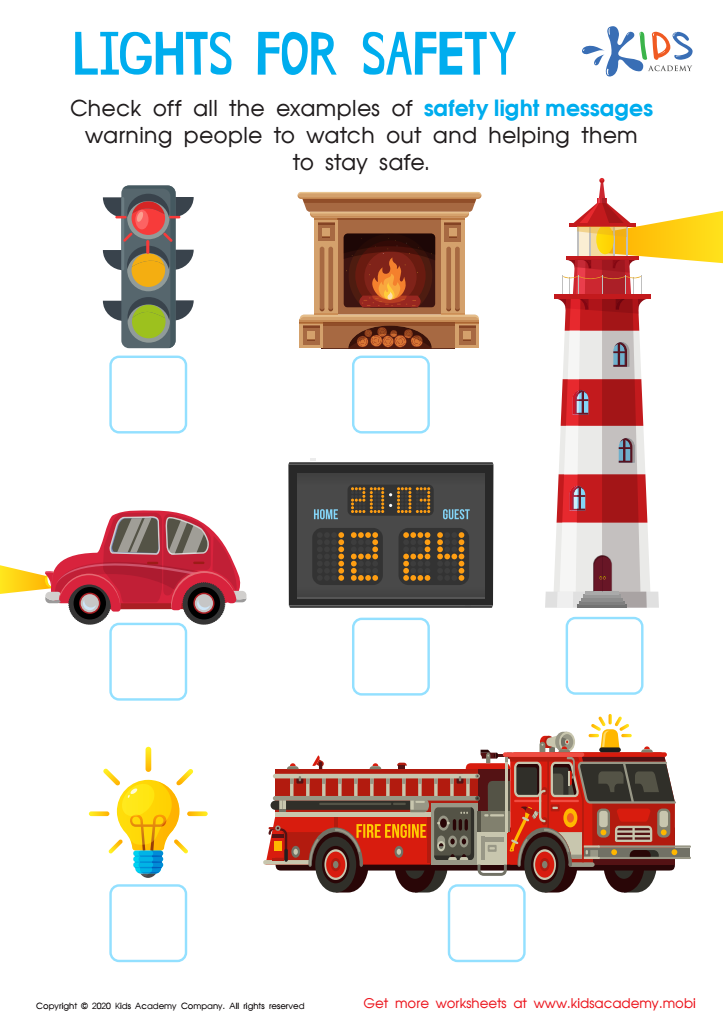
Lights for Safety Worksheet
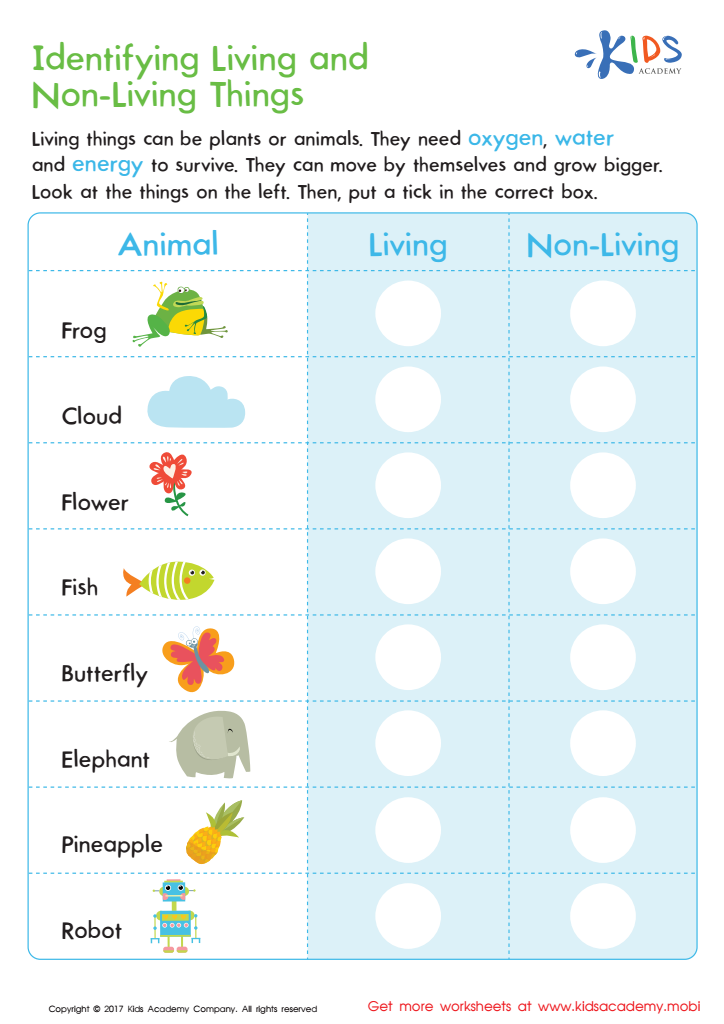
Identifying Living or Non–living Worksheet







Critical thinking is essential for young children as it lays the foundation for lifelong learning, problem-solving, and decision-making. Between the ages of 3-6, children's brains are rapidly developing, making it a crucial period for guiding their cognitive growth. Early exposure to critical thinking helps kids differentiate between different pieces of information, recognize patterns, and understand basic concepts like cause and effect. Through engaging activities like storytelling, building blocks, and simple experiments, children learn to ask questions, make predictions, and find solutions.
For parents and teachers, nurturing critical thinking at this stage fosters resilience and adaptability. As children encounter challenges, they develop the confidence and skills needed to navigate uncertainties. Introducing basic science concepts in an accessible and fun way cultivates curiosity and encourages a lifelong love of learning. It also supports other essential developmental areas, such as language, social skills, and emotional regulation.
The benefits extend beyond academics; children who develop critical thinking skills early are better equipped to make thoughtful decisions, resolve conflicts, and collaborate with others. Parents and teachers playing an active role in this process help build a strong foundation, setting children up for future success in school and in life.







