Enhancing categorization skills Normal Science Worksheets for Ages 3-6
3 filtered results
-
From - To
Enhance your child's learning experience with our engaging Normal Science Worksheets designed for ages 3-6, focusing on improving categorization skills. These interactive worksheets provide fun and age-appropriate activities that help young learners classify objects based on various characteristics. By sorting animals, plants, and everyday items, children will develop critical thinking and analytical skills while boosting their confidence in science concepts. Our carefully crafted worksheets ensure that learning is both enjoyable and effective. Perfect for use at home or in the classroom, these resources foster a foundational understanding of categorization in a playful environment. Empower your child's education today!
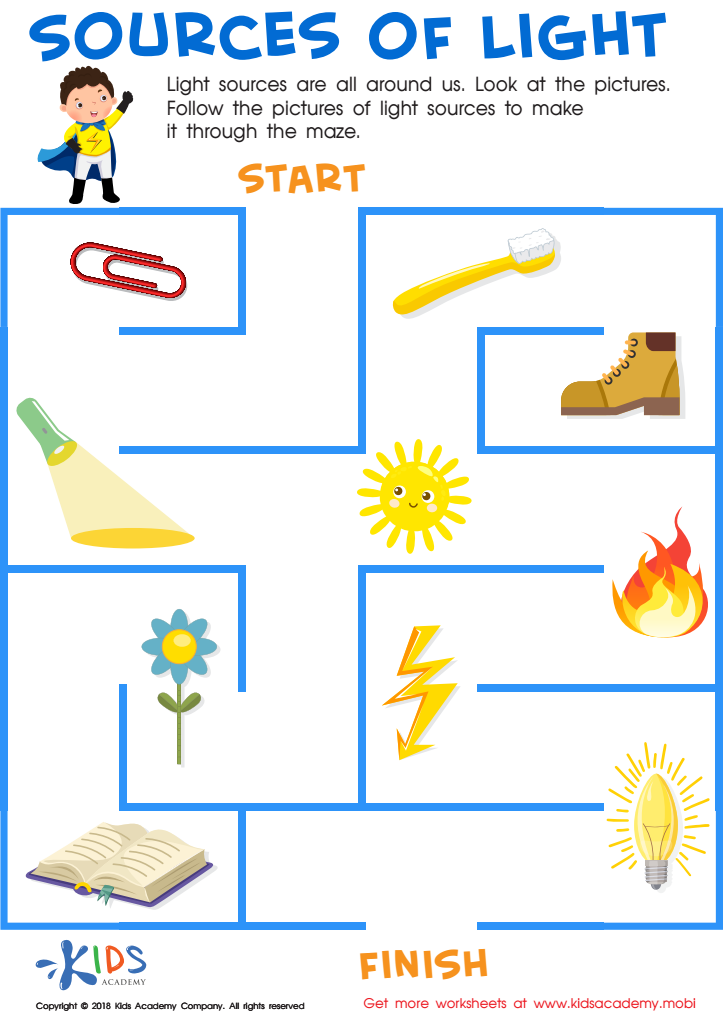
Sources of Light Worksheet
 Assign to My Students
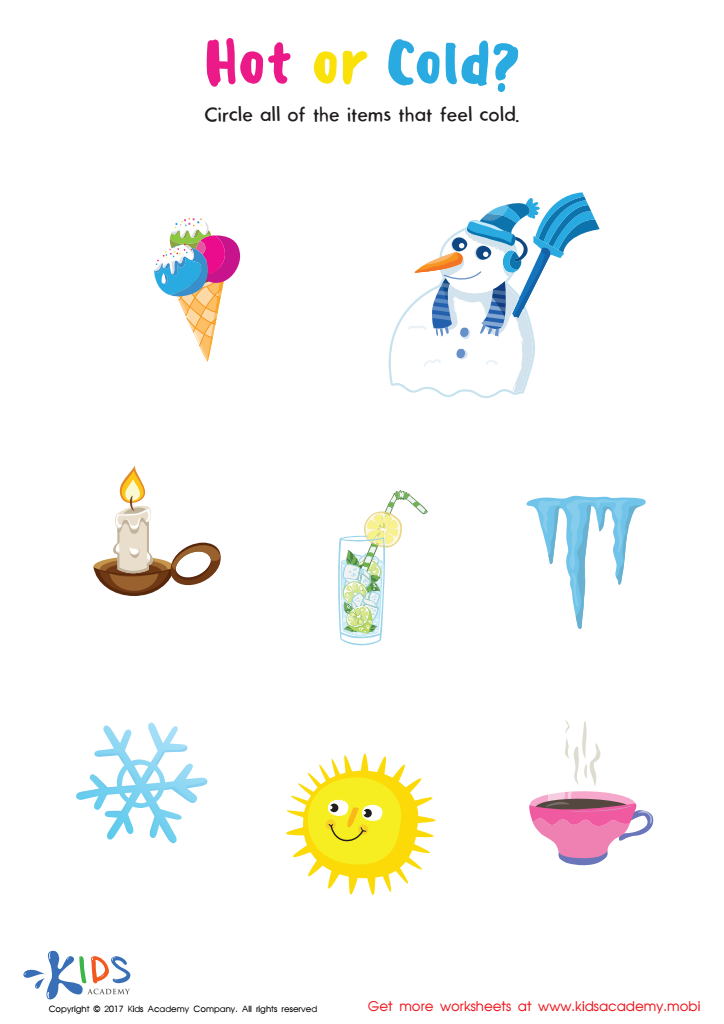
Hot or Cold Printable
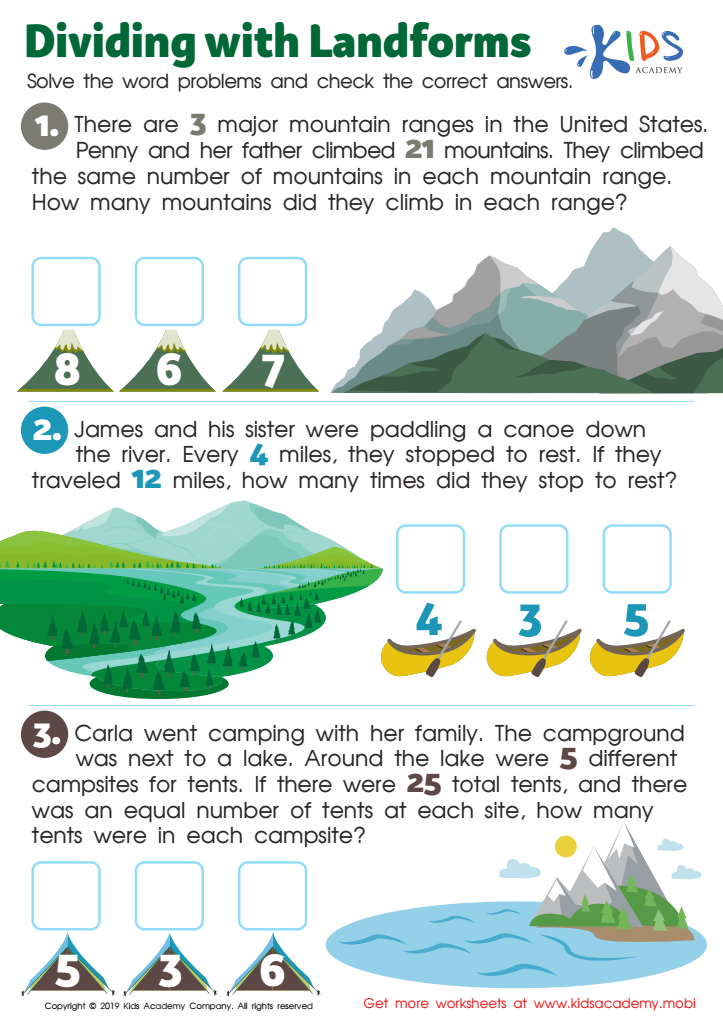
Dividing with Landforms







Enhancing categorization skills in young children, particularly in the context of Normal Science, is vital for their cognitive development and academic success. For parents and teachers, fostering these skills from ages 3 to 6 lays a strong foundation for critical thinking and problem-solving. Categorization helps children organize their experiences, enabling them to recognize patterns and make connections between different objects, concepts, or events.
Understanding categorization supports language development; as children categorize, they learn relevant vocabulary and improve their communication skills. It enhances their ability to identify similarities and differences, which are essential for grasping complex ideas later in life. Moreover, engaging in categorization activities encourages creativity and imagination, allowing children to explore and express their thoughts.
In a science context, categorization is integral for helping children sort living versus non-living things, different weather types, or classifications of animals, promoting scientific awareness from an early age. When parents and teachers invest in enhancing these skills, they nurture a child’s natural curiosity, encourage inquisitive mindsets, and prepare them for more advanced learning scenarios. Ultimately, developing categorization skills is a crucial step towards establishing a lifelong passion for learning and understanding the world around them.







