Observational skills Normal Science Worksheets for Ages 3-6
11 filtered results
-
From - To
Enhance your child's observational skills with our engaging Normal Science Worksheets designed for ages 3-6! These printable worksheets encourage young learners to explore their environment, cultivate curiosity, and develop critical thinking through fun activities. Each sheet is crafted to promote active observation, helping children identify colors, shapes, sizes, and patterns in everyday contexts. With user-friendly layouts and a variety of tasks, children will enjoy learning about the world around them while building essential skills. Perfect for preschool and kindergarten classrooms or home learning, our worksheets are an effective resource to support your child's early developmental milestones in science. Start exploring today!
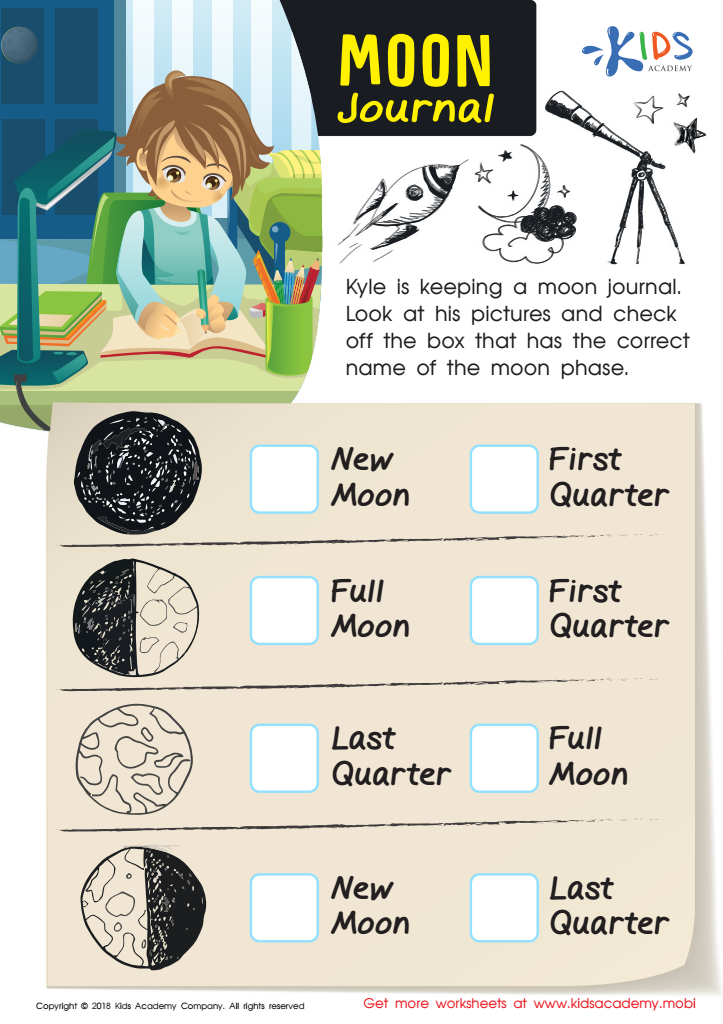
Moon Journal Worksheet
 Assign to My Students
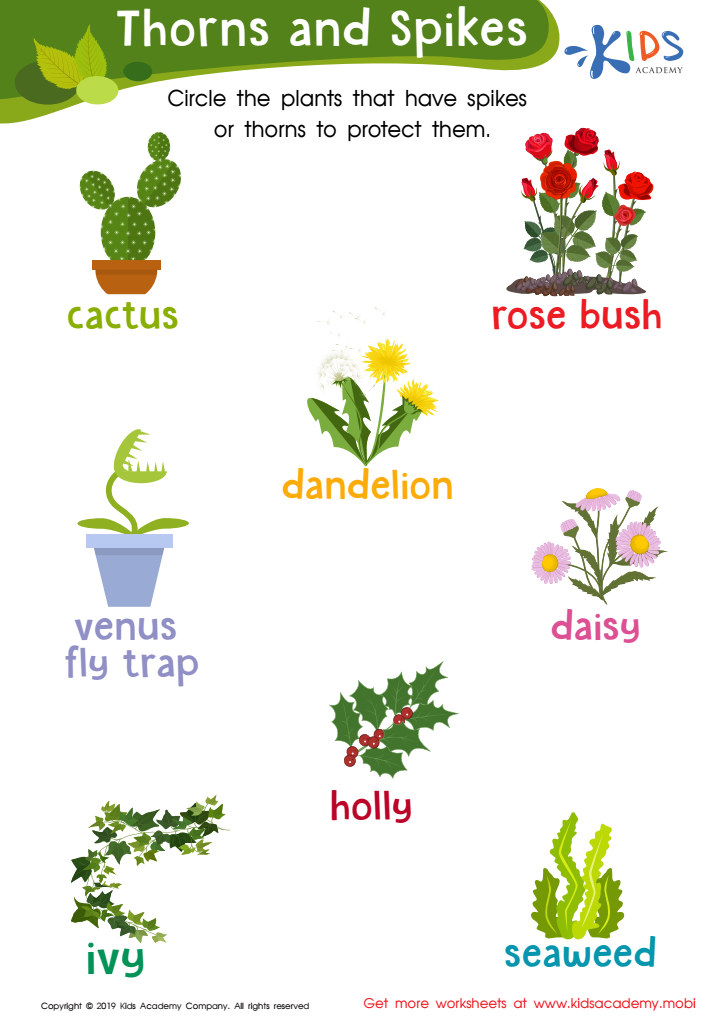
Thorns and Spikes Worksheet
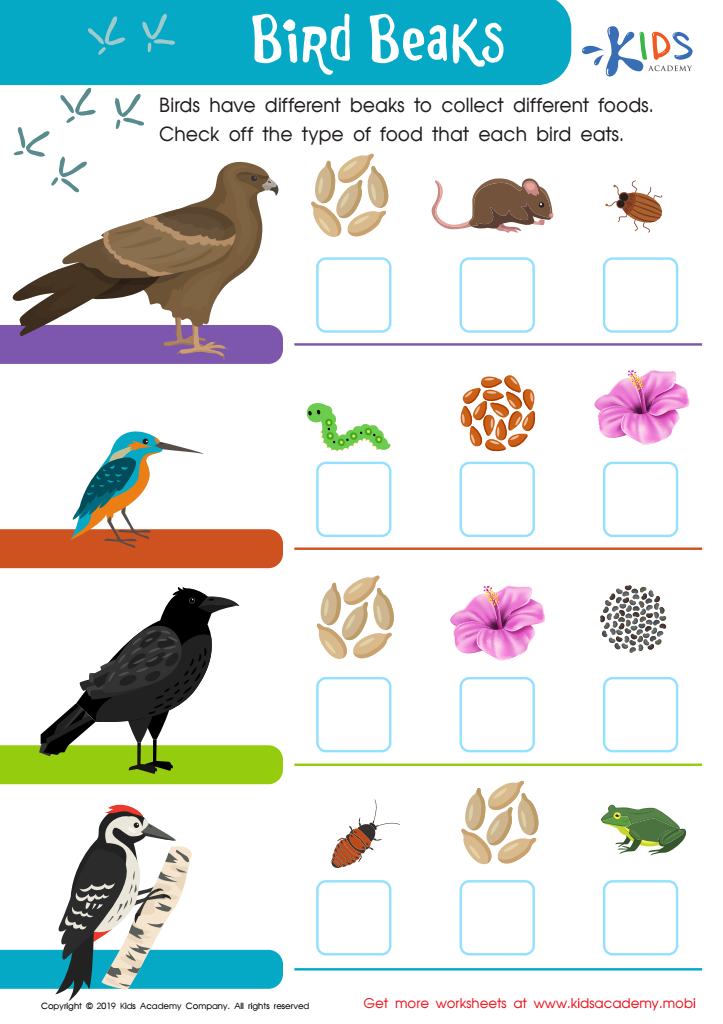
Bird Beaks Worksheet
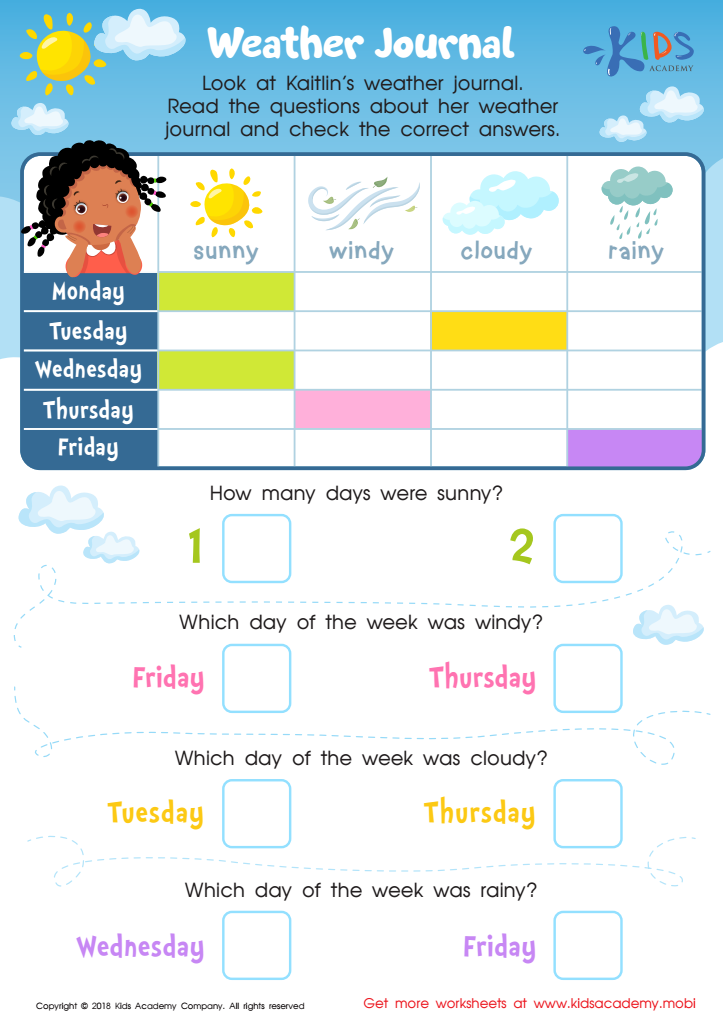
Weather Journal Worksheet
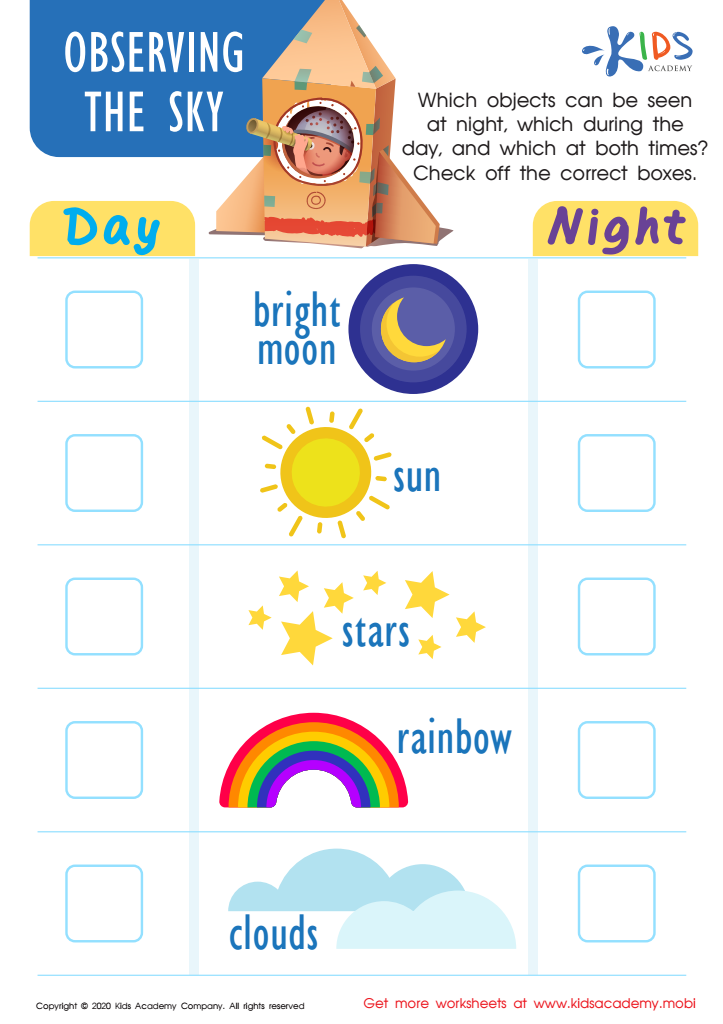
Observing the Sky Worksheet
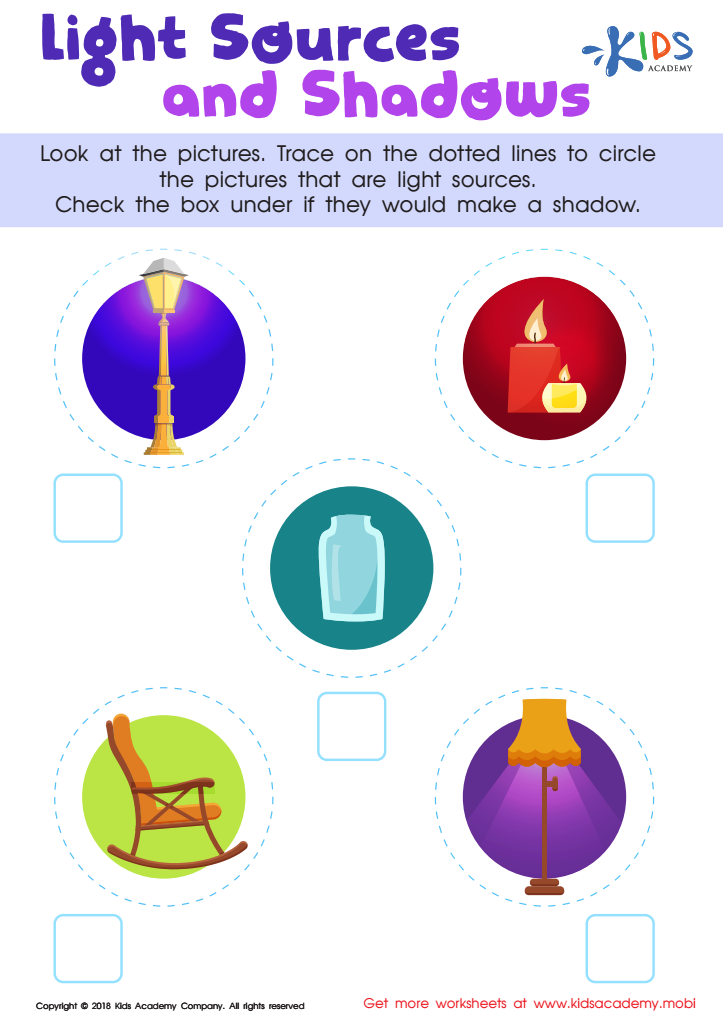
Light Sources and Shadows Worksheet
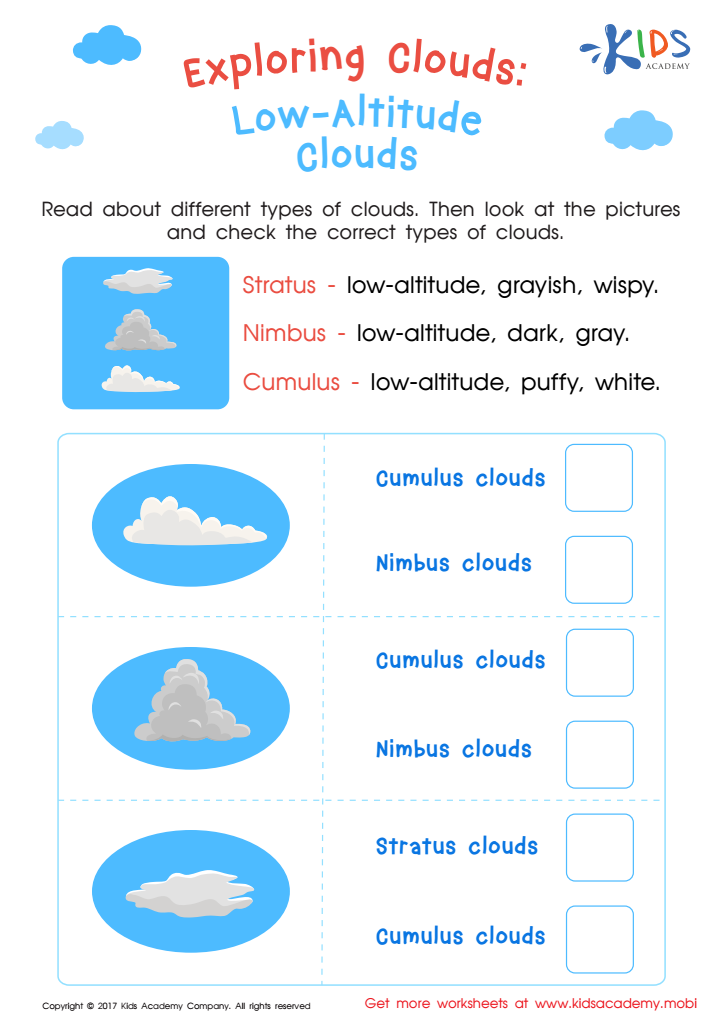
Exploring Clouds: Low Altitude Clouds Printable
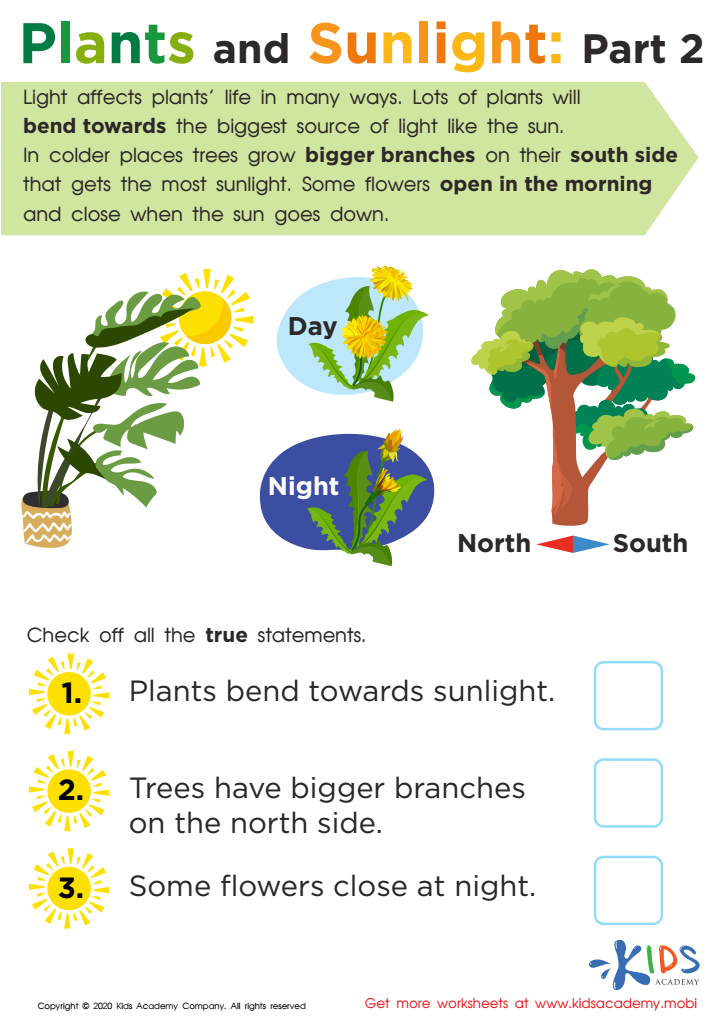
Plants and Sunlight: Part 2 Worksheet
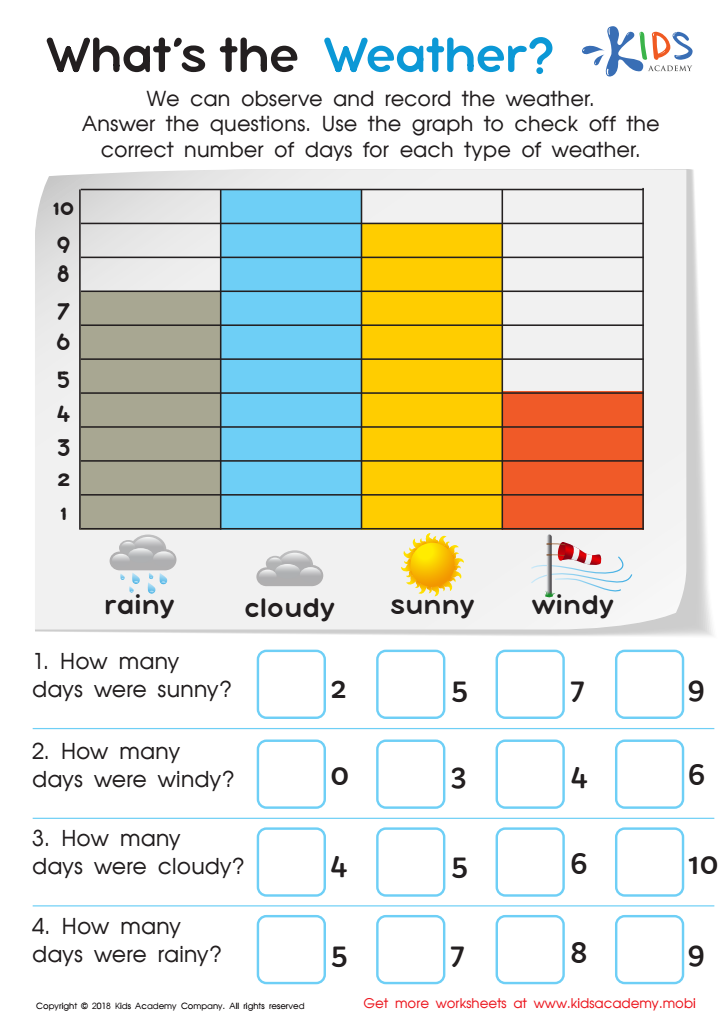
What's the Weather? Worksheet
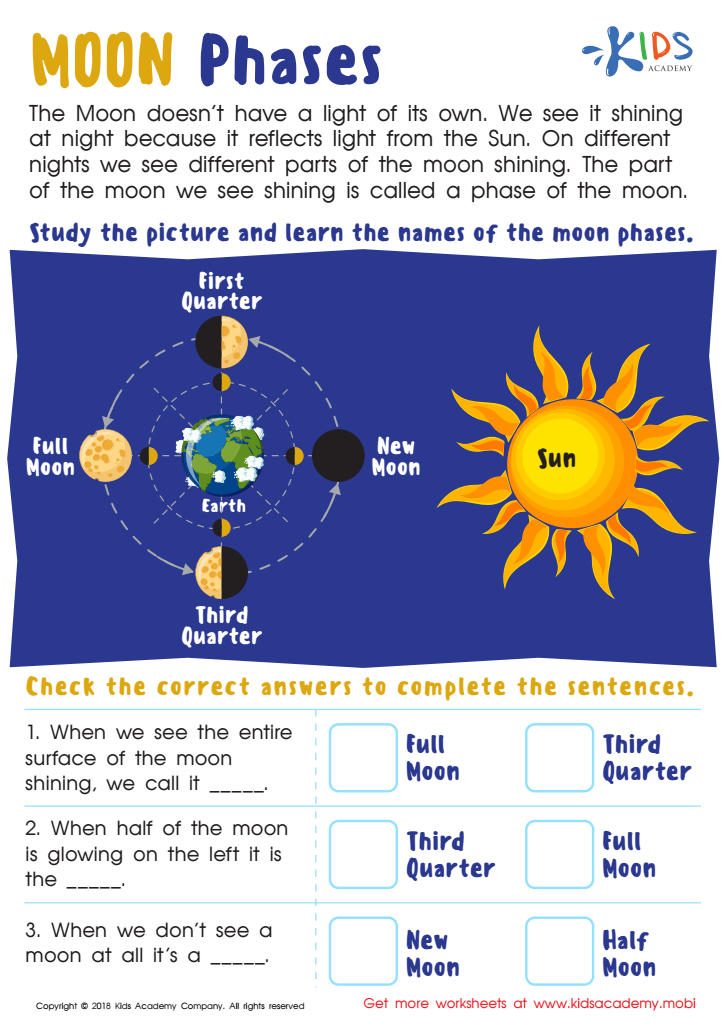
Moon Phases Worksheet
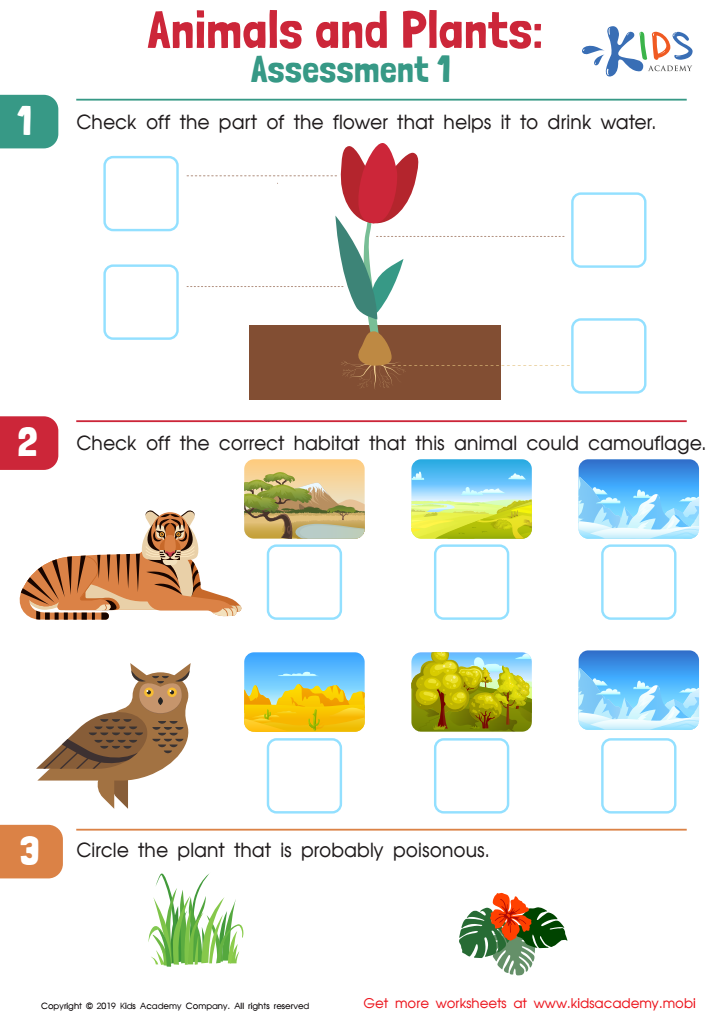
Animals and Plants: Assessment 1 Worksheet




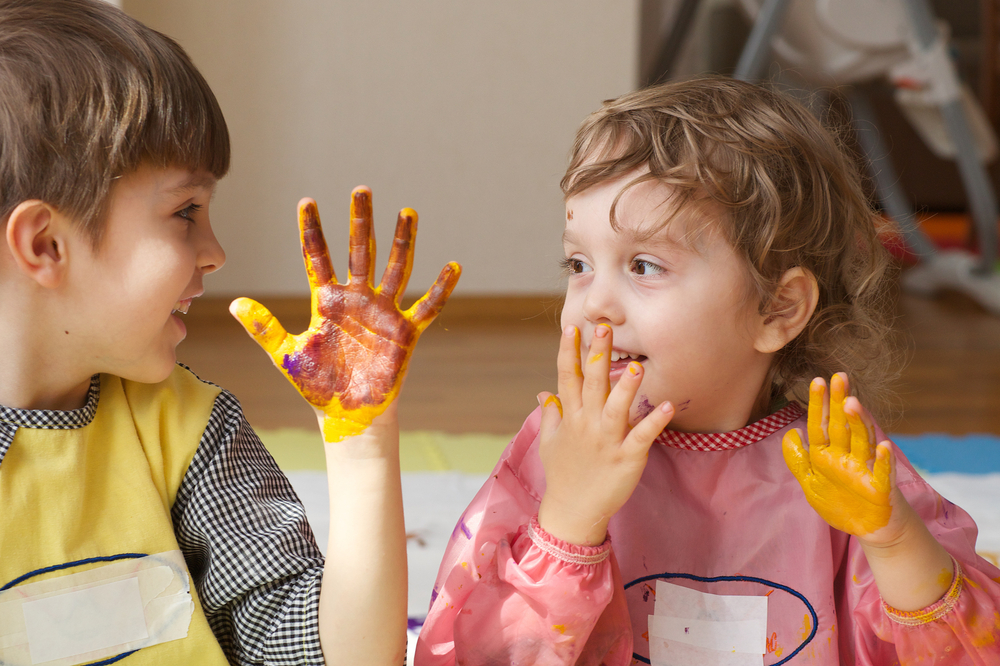
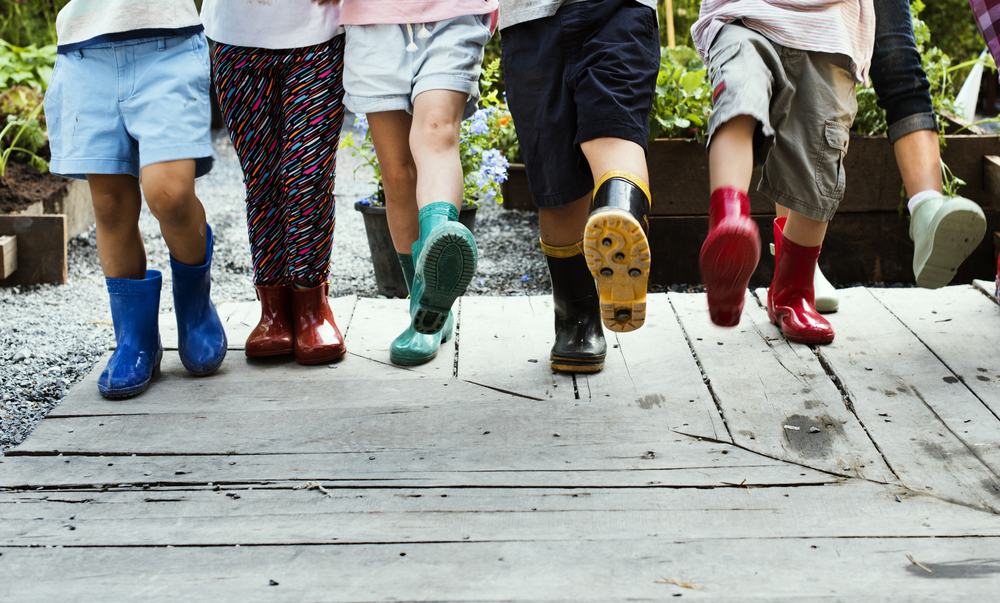


Observational skills are crucial for young children aged 3-6 as they form the foundation for learning and development. Through observation, children engage with their environment, enhancing cognitive, social, emotional, and language skills. Teachers and parents should care about promoting these skills because they enable children to explore, ask questions, and make sense of the world around them.
Observational skills facilitate critical thinking and problem-solving. By encouraging children to notice details, patterns, and changes, educators foster their ability to draw conclusions and think analytically. Additionally, observational experiences often lead to richer discussions and storytelling, which are vital for language development.
Moreover, cultivating these skills fosters independence and confidence. When children learn to observe effectively, they become active participants in their own learning, contributing to a sense of agency. Observational learning also enhances social skills; as children observe their peers, they learn to empathize, share, and collaborate.
Incorporating casual, playful opportunities for observation helps create a supportive environment where children feel safe to explore and question. Ultimately, enhancing observational skills prepares young learners for academic success and equips them with essential life skills that extend far beyond the classroom. Thus, parents and teachers play a pivotal role in nurturing this vital competency.







