Problem-Solving Skills Normal Community Worksheets for Ages 3-6
5 filtered results
-
From - To
Explore our "Problem-Solving Skills Normal Community Worksheets" designed for children ages 3-6! These engaging, interactive worksheets help young learners develop critical thinking and problem-solving skills through relatable community scenarios. Each activity encourages kids to think creatively, make decisions, and learn how to approach various challenges they might encounter in their daily lives. By fostering these essential skills early on, we prepare children for success in school and beyond. Our worksheets are easy to print and perfect for both classroom and home use. Start nurturing young problem-solvers today with our fun, educational resources that make learning enjoyable!
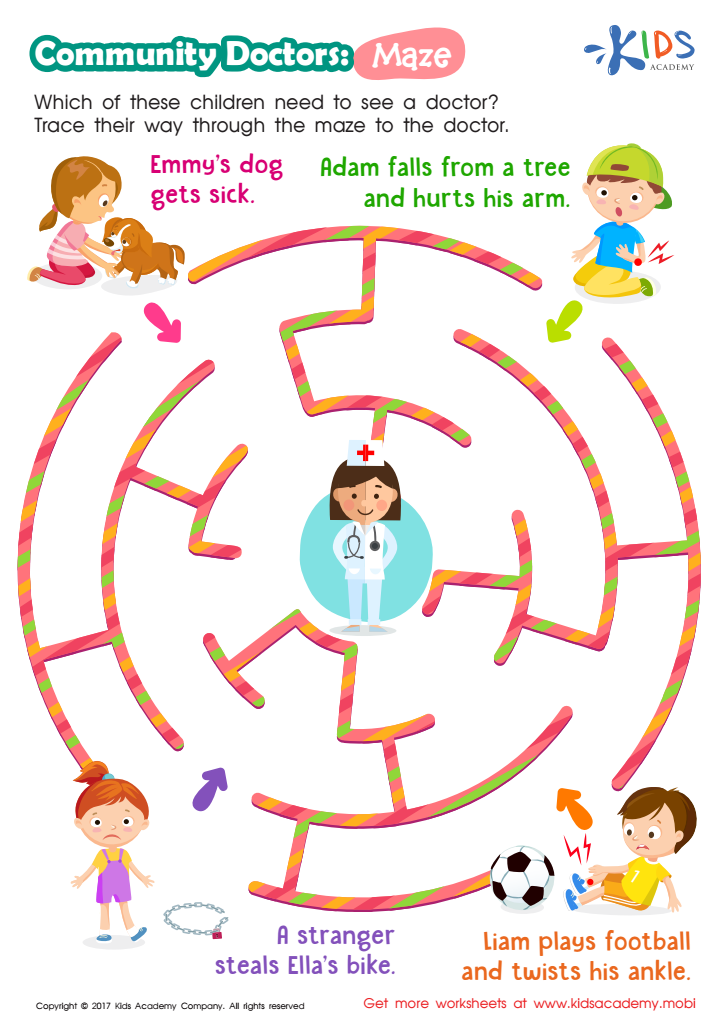
Community Doctors: Maze Printable
 Assign to My Students

Towns Worksheet

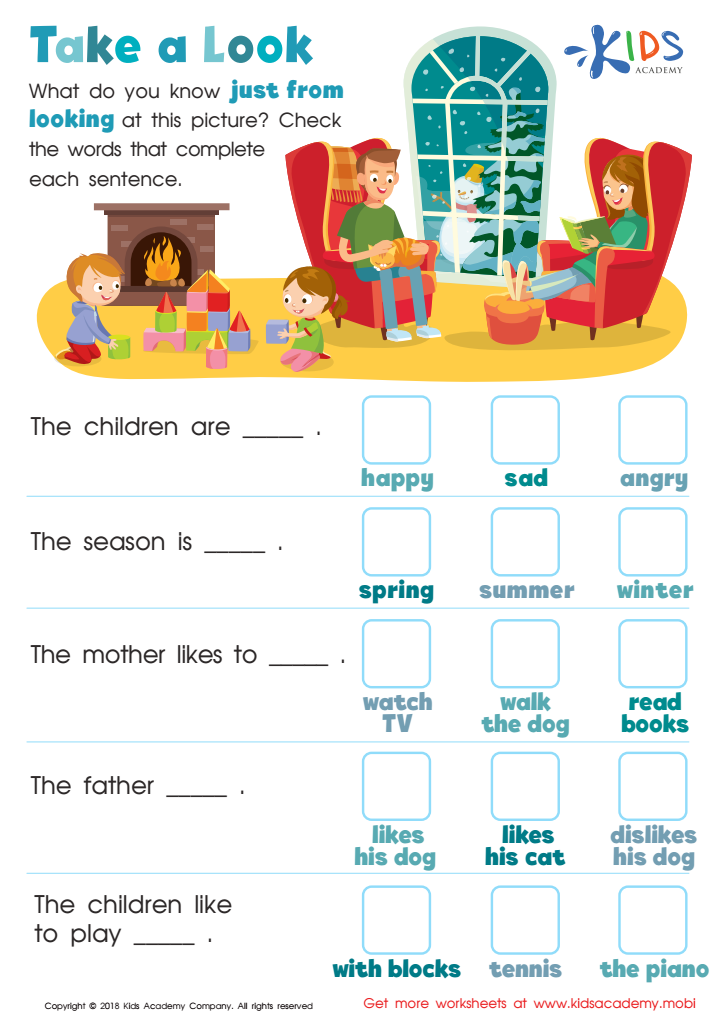
Take a Look - Part 1 Worksheet
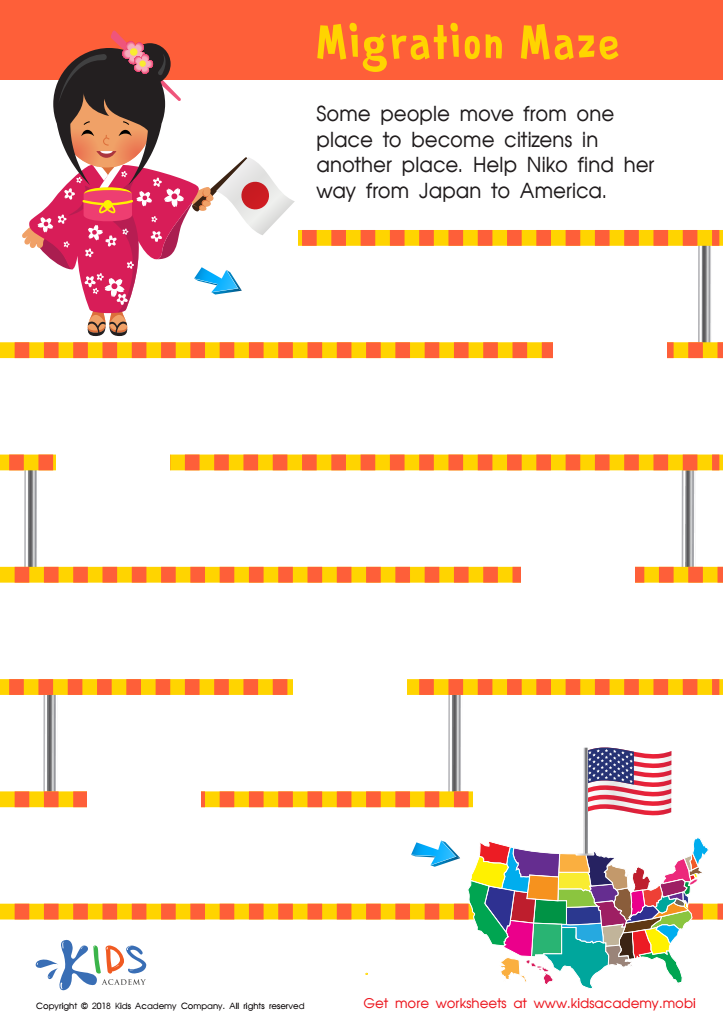
Migration Maze Worksheet








Problem-solving skills are crucial for children aged 3 to 6 as they lay the foundation for critical thinking and decision-making in later life. During these formative years, children are naturally curious and eager to explore their environments, making it an ideal time to nurture their ability to tackle challenges effectively. When parents and teachers focus on developing problem-solving skills, they empower children to think independently, reason through challenges, and devise creative solutions.
Moreover, these skills enhance social development. Learning to collaborate with peers during activities such as group play or structured games fosters essential communication and negotiation skills. This not only encourages teamwork but also builds confidence as children learn to voice their ideas and appreciate diverse perspectives.
Problem-solving activities also cultivate resilience. Children learn that mistakes are part of learning, instilling a growth mindset that will benefit them throughout their lives. Emphasizing problem-solving in early education aligns with wider community goals of developing well-rounded, adaptable individuals who can contribute positively to society. By actively engaging in problem-solving experiences, parents and teachers help shape self-sufficient learners who are prepared to face the complexities of the world around them.








