Cognitive Development Normal Social Studies Worksheets for Ages 3-6
5 filtered results
-
From - To
Welcome to our "Cognitive Development Normal Social Studies Worksheets for Ages 3-6" page! Here, you will find a rich collection of engaging worksheets designed to enhance your child's cognitive skills through fun social studies activities. Tailored specifically for young learners, these worksheets encourage critical thinking, problem-solving, and understanding of the world around them. Children will explore themes like family, community, and environment while developing essential cognitive abilities. Perfect for teachers or parents seeking supportive educational resources, our worksheets promise interactive and enriching experiences that help your little ones thrive academically and socially. Explore our offerings and foster your child's love for learning today!

Let's Look! Assessment Worksheet
 Assign to My Students
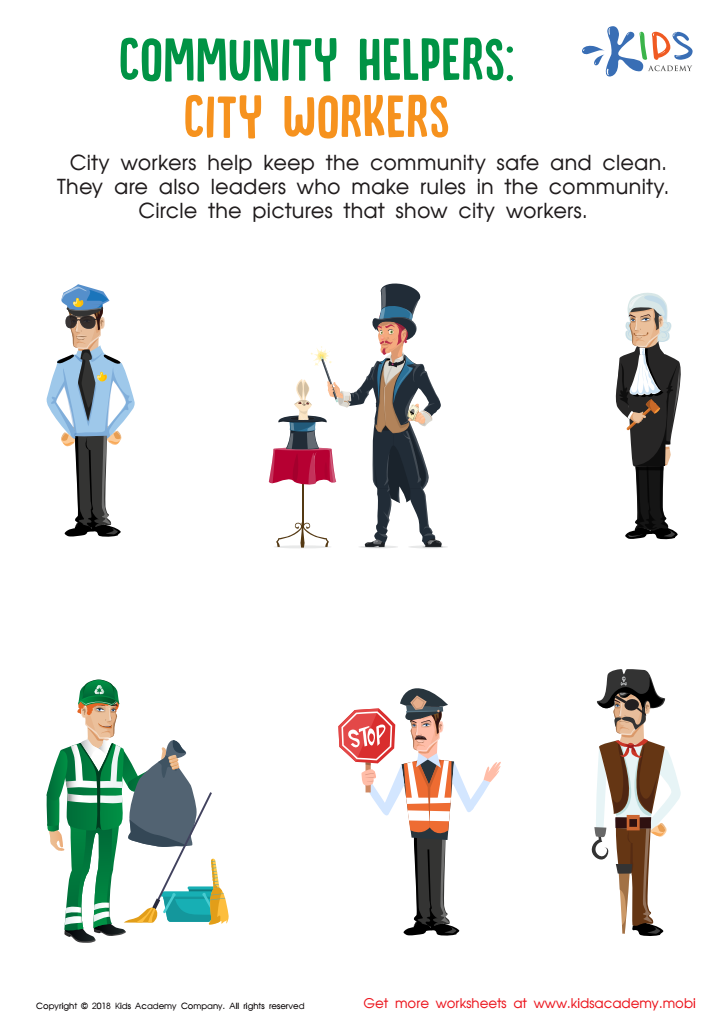
City Workers Community Helpers Worksheet

Traditional Dance Printable
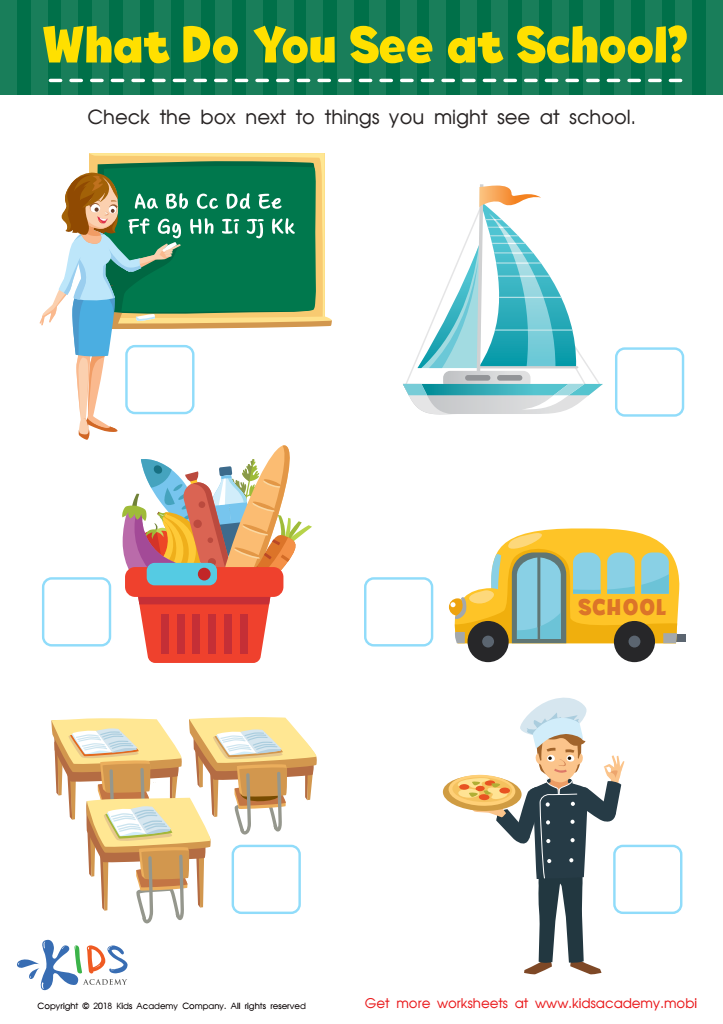
What Do you See at School? Worksheet

Seasons Match Worksheet








Cognitive development during early childhood, particularly in social studies for ages 3-6, plays a crucial role in shaping young learners' understanding of the world around them. At this stage, children begin to develop essential skills such as critical thinking, problem-solving, and social awareness.
Integrating cognitive development into social studies helps children make sense of their environment and fosters an appreciation for diversity, culture, and community. Through group activities and discussions, children learn to work collaboratively, developing empathy and respect for others. They start to understand concepts like roles within a community, basic geography, and historical context in a fun and engaging manner.
Additionally, early social studies education promotes language development as children expand their vocabulary through discussions about people, places, and events. It also provides opportunities for parents and teachers to model and nurture values of respect, responsibility, and citizenship.
Investing in cognitive development within this context ensures that children are not only gaining knowledge but also developing the social skills necessary for meaningful interactions as they enter formal schooling and beyond. Ultimately, this foundation prepares them to be informed, engaged, and compassionate members of society.