Handwriting practice Normal Social Studies Worksheets for Ages 3-6
5 filtered results
-
From - To
Discover engaging "Handwriting Practice Normal Social Studies Worksheets for Ages 3-6" at Kids Academy. Perfectly designed for young learners, these worksheets blend handwriting exercises with essential social studies topics. Each activity aims to strengthen fine motor skills while introducing children to key concepts like community helpers, cultural diversity, and basic geography. Through tracing, copying, and interactive tasks, children build handwriting prowess and social understanding. Ideal for both classroom and home settings, these worksheets ensure an enjoyable and educational experience that fosters a love of learning and prepares little ones for academic success. Explore a vibrant world of handwriting and social studies today!
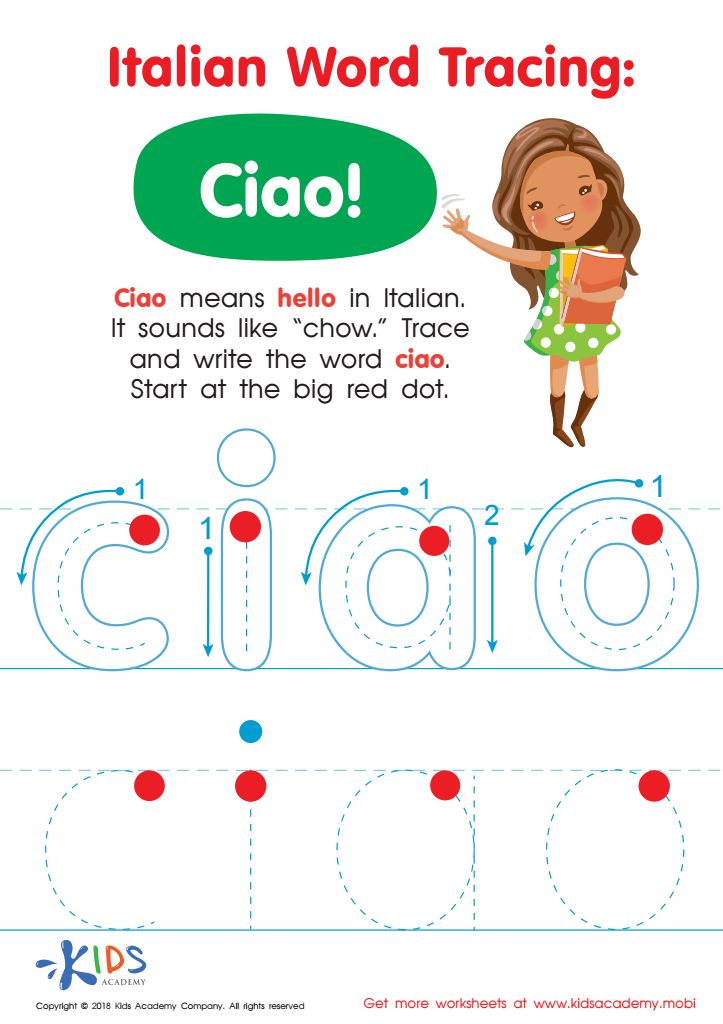
Italian Word Tracing: Ciao Worksheet
 Assign to My Students
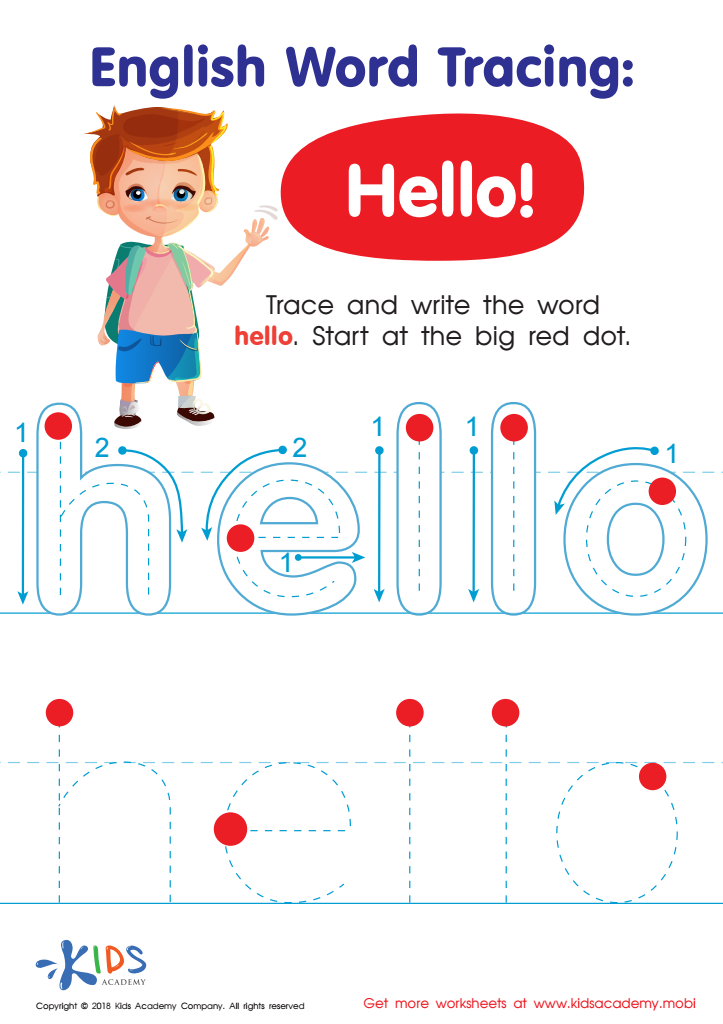
English Word Tracing: Hello Worksheet
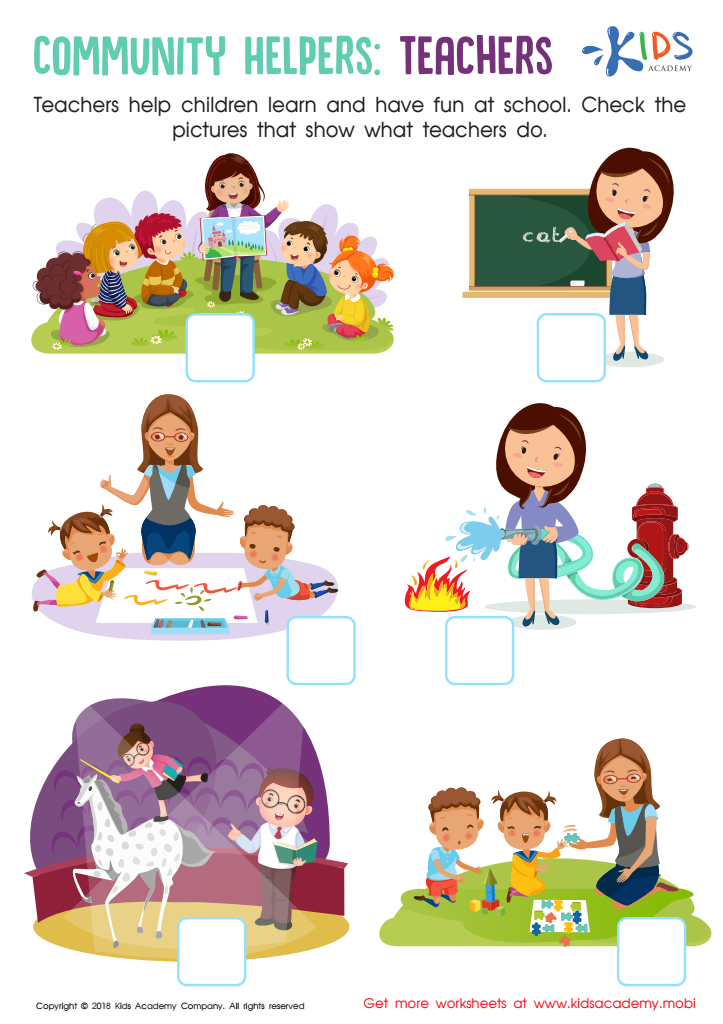
Teachers Community Helpers Worksheet
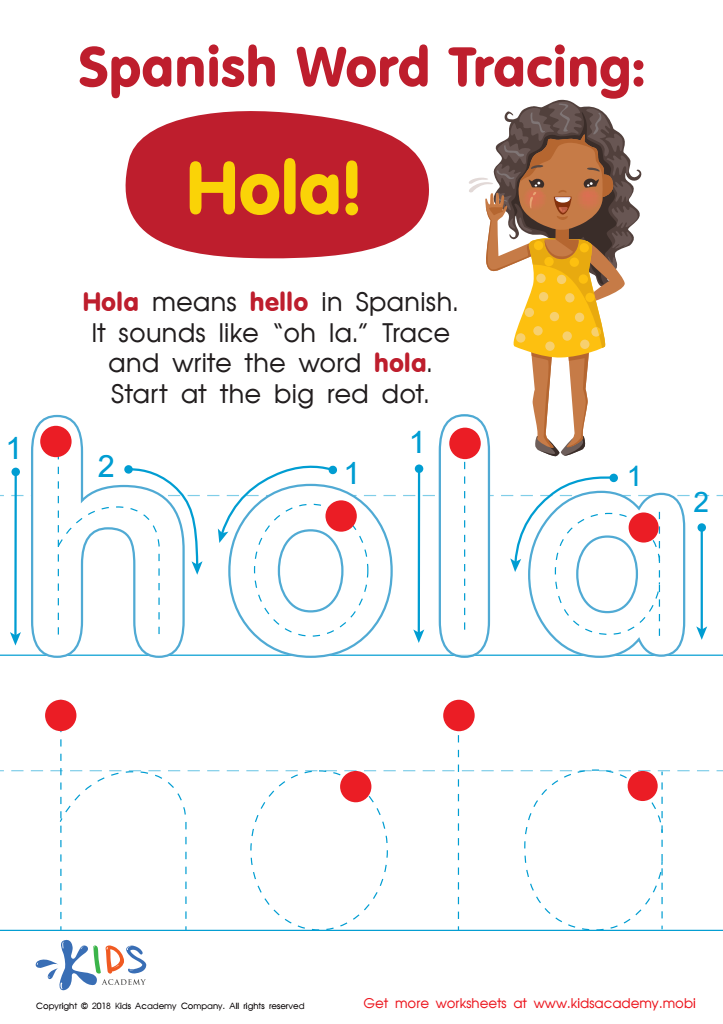
Spanish Word Tracing: Hola Worksheet
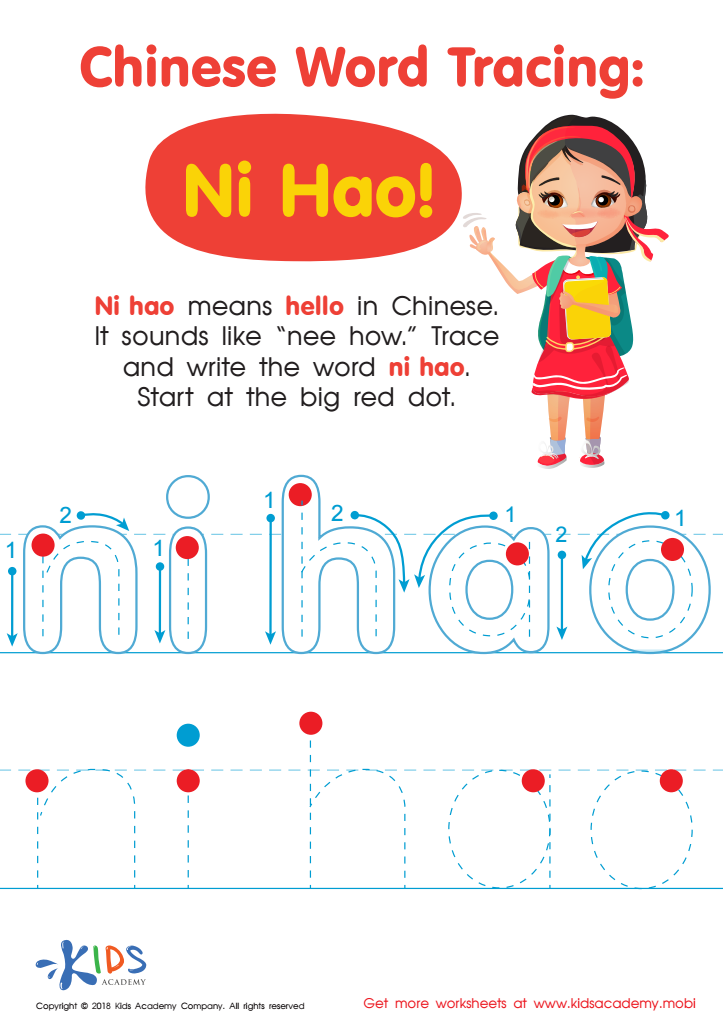
Chinese Word Tracing: Ni Hao Worksheet








Handwriting practice and social studies are both fundamental components in early childhood education that significantly contribute to the overall development of children aged 3-6. Handwriting practice is crucial for various reasons. It enhances fine motor skills, helping children develop the precise movements required to form letters and numbers correctly. This practice is not just about legibility but also about facilitating cognitive processes linked to reading and writing. When children write by hand, they engage more areas of their brain than when they type on a keyboard, enhancing memory and understanding of the material they are learning.
On the other hand, normal social studies for young children play an essential role in shaping their understanding of the world around them. Social studies introduce basic concepts of community, geography, cultures, and history. Through engaging activities, children learn about cooperation, relationship-building, and social norms, which are vital for successful interpersonal interactions. Moreover, these subjects foster curiosity and critical thinking, encouraging children to ask questions and seek knowledge about their surroundings.
By prioritizing both handwriting and social studies, parents and teachers provide a balanced foundation that supports fine motor skills, cognitive growth, social understanding, and lifelong learning habits. Together, these practices prepare children for more advanced academic challenges and foster a sense of identity and community belonging.