Verb identification Normal Grammar Worksheets for Ages 3-6
3 filtered results
-
From - To
Introduce young learners to the fascinating world of verbs with our Verb Identification Normal Grammar Worksheets designed for ages 3-6. These printable worksheets from Kids Academy make learning fun and engaging, helping children easily identify and understand action words through playful activities. With beautifully illustrated visuals and simple sentences, kids will enhance their grammar skills and spark their creativity. Perfect for both classroom use and at-home practice, these worksheets will lay the foundation for effective communication and literacy development. Set your little one on the path to language success with our expertly designed resource!
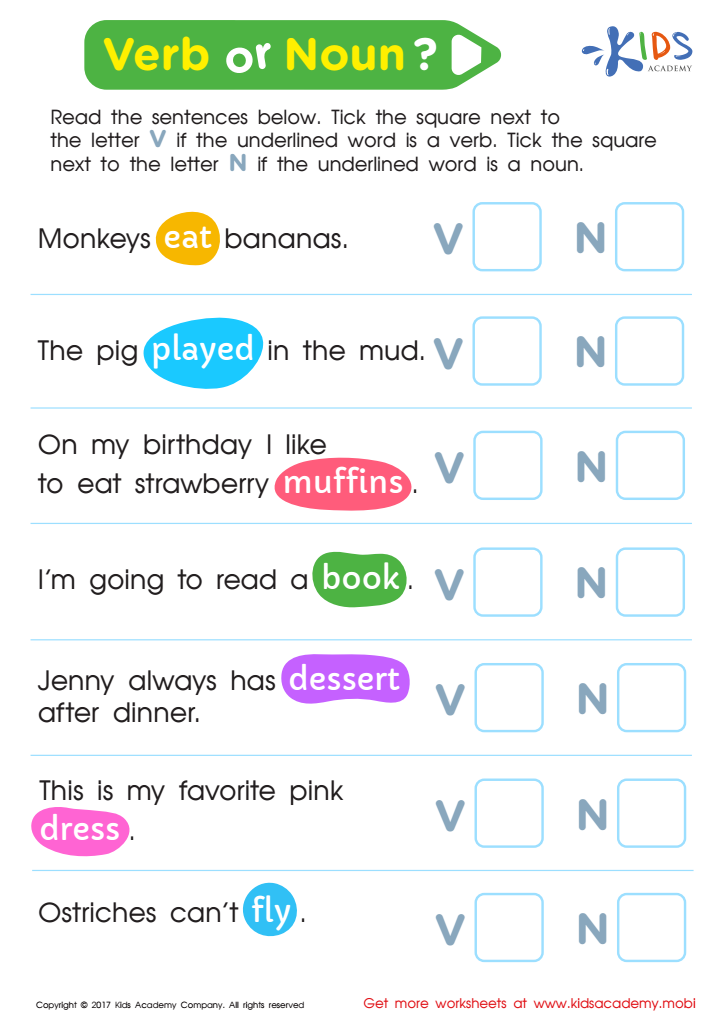
Verb or Noun Worksheet
 Assign to My Students
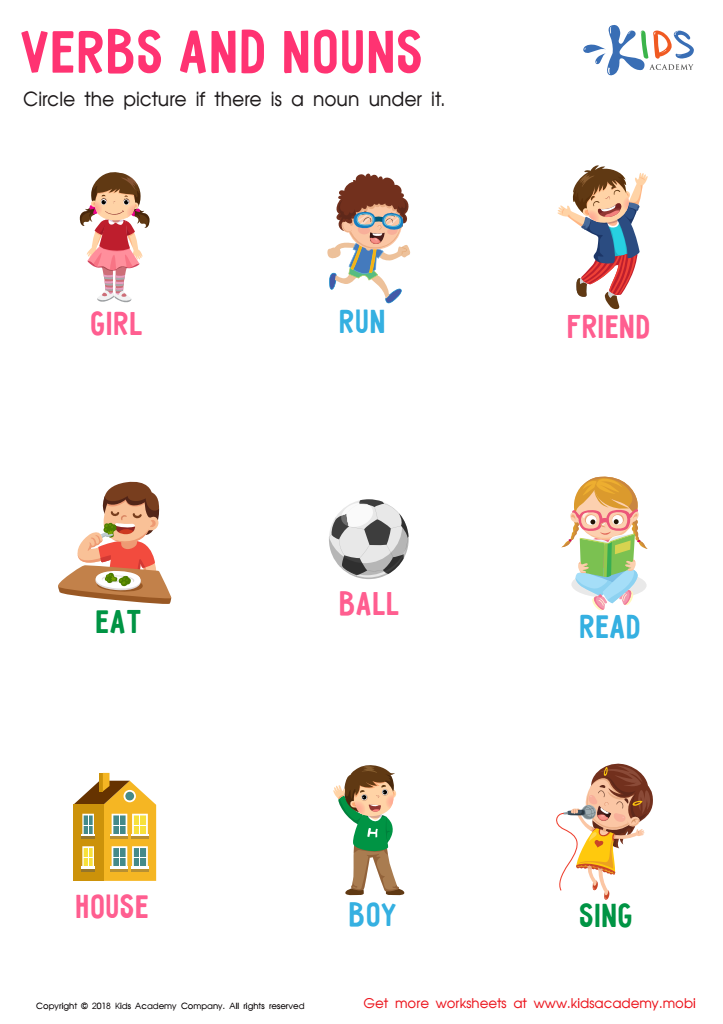
Verbs and Nouns Worksheet
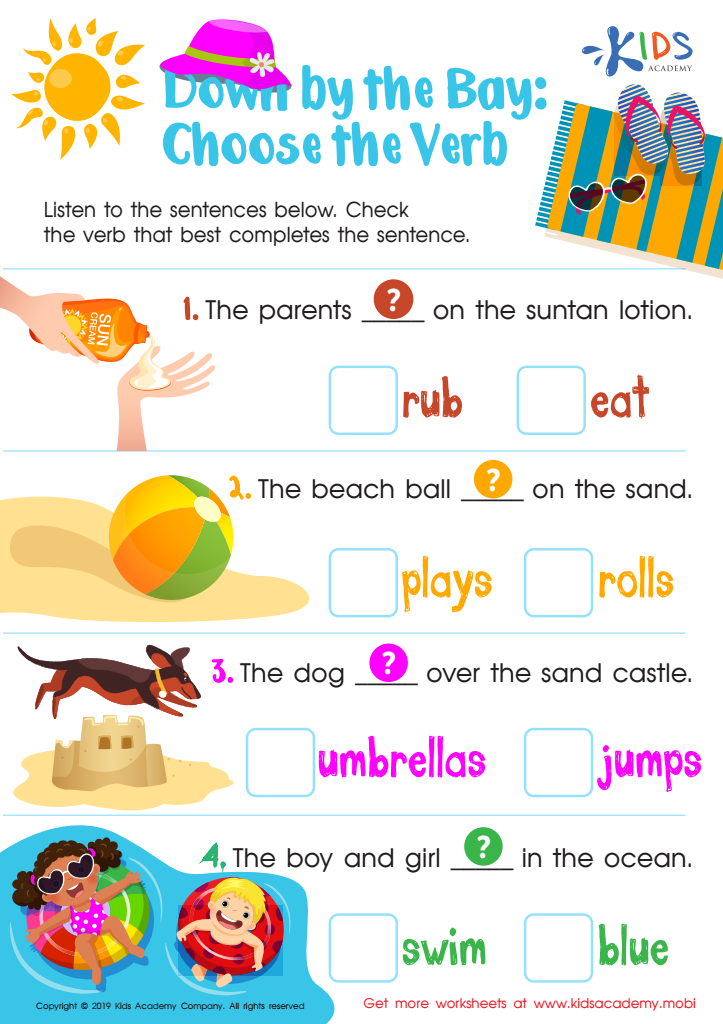
Down by the Bay: Choose the Verb Worksheet






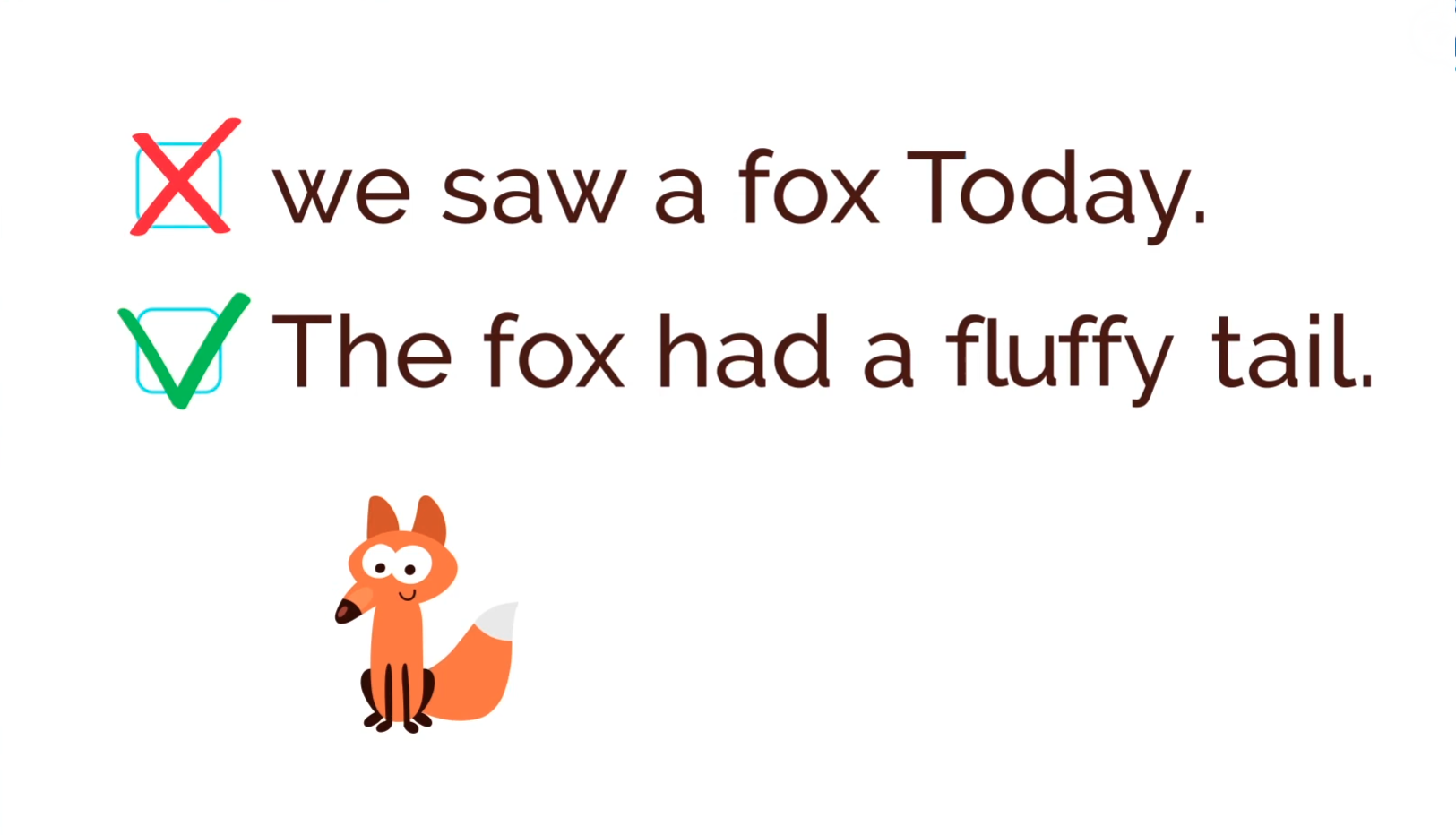

Caring about verb identification in early grammar for ages 3-6 is crucial because this foundational skill sets the stage for effective communication and literacy development. During these formative years, children's brains are particularly receptive to language acquisition. Introducing verbs, the action or "doing" words, helps young learners understand and describe what is happening in their world. Parents and teachers who take the time to help children identify verbs provide them with essential tools for sentence construction, thereby enhancing their ability to express needs, feelings, and ideas clearly.
Moreover, understanding verbs accelerates vocabulary development and improves comprehension skills. As children identify and use verbs, they're better able to follow instructions and narratives, which are key components of early learning. This not only supports cognitive development but also boosts their confidence and ability to engage in social interactions.
Additionally, early mastery of basic grammar, including verb identification, prepares children for future academic success. It lays the groundwork for more complex grammatical structures they'll encounter in later grades, ensuring they're not lagging when more demanding literacy tasks arise. Thus, focusing on verb identification in early grammar fosters essential educational growth and equips children with the necessary skills for lifelong learning and communication.