Vocabulary development Normal Writing Worksheets for Ages 3-6
4 filtered results
-
From - To
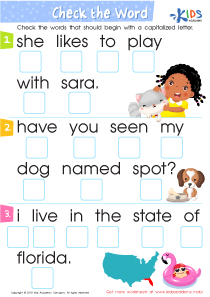
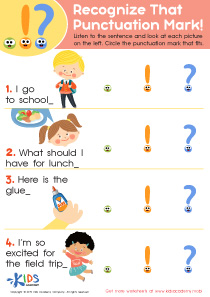
Enhance your child's vocabulary development with our engaging Normal Writing Worksheets, designed specifically for ages 3-6. These interactive worksheets provide a fun and engaging way for young learners to expand their word knowledge through colorful activities and creative exercises. Each worksheet focuses on identifying, writing, and using new vocabulary words in a contextually rich environment, ensuring that children not only recognize words but can also apply them effectively. Perfect for parents and educators alike, these resources promote language skills while encouraging a love for learning. Discover the joy of vocabulary building today and set the foundation for your child's linguistic success!
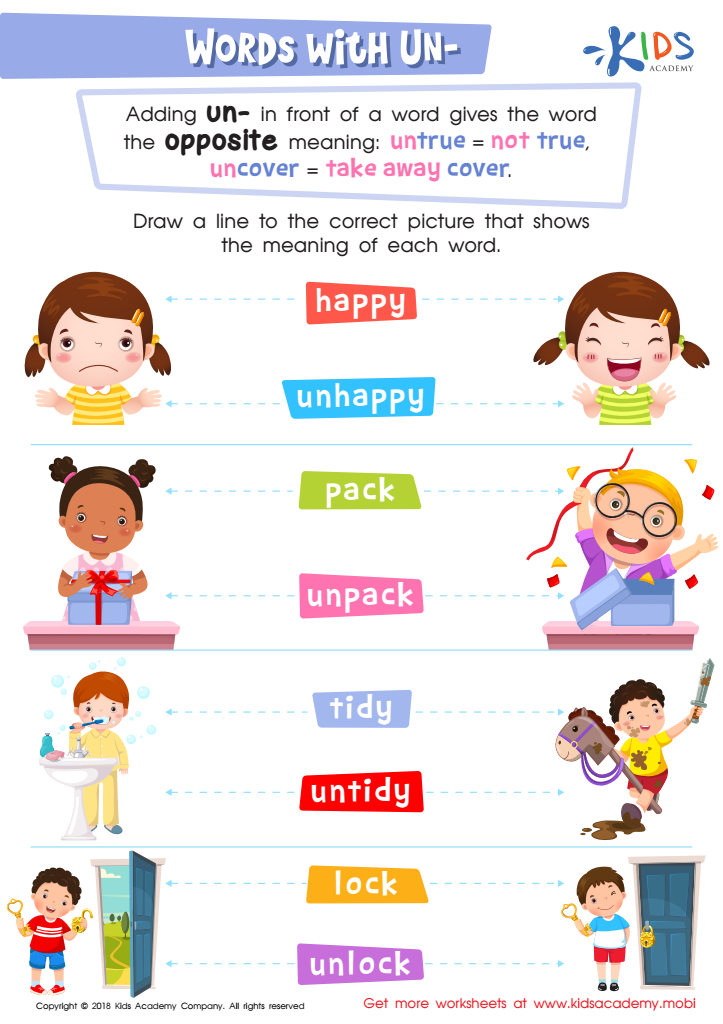
Words with Un– Worksheet
 Assign to My Students
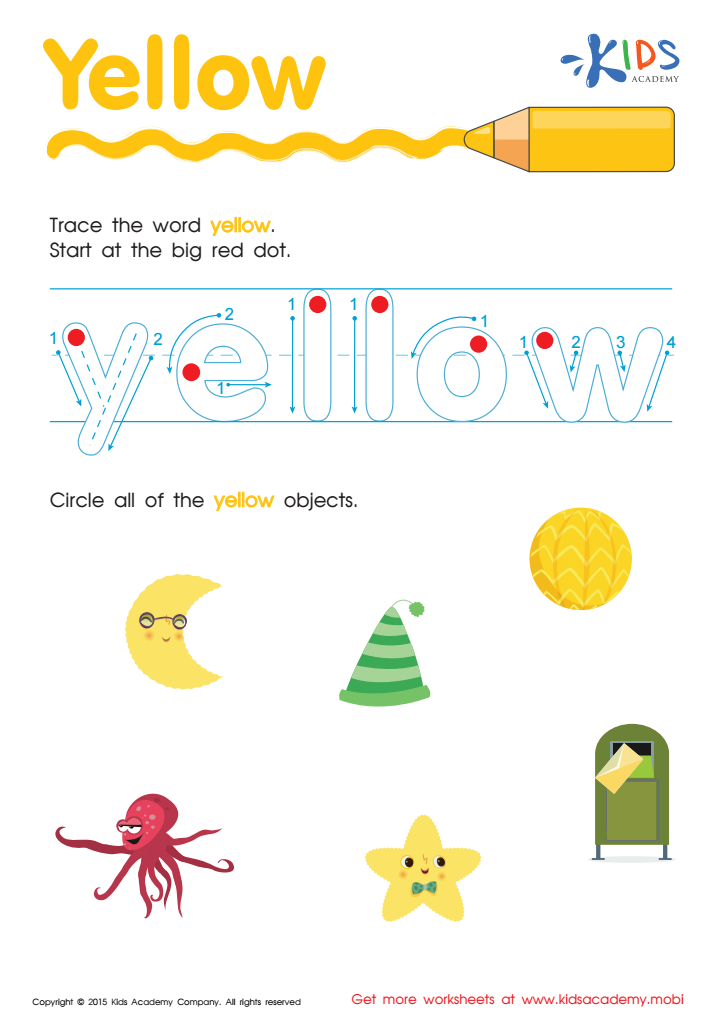
Yellow Tracing Color Words Worksheet
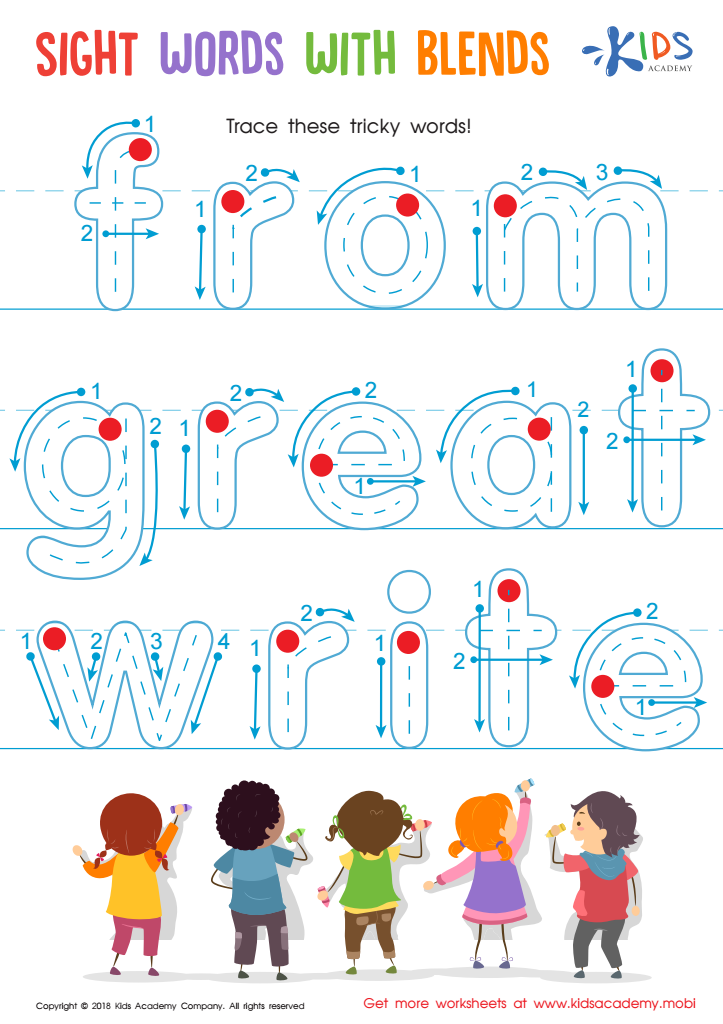
Sight Words with Blends Worksheet
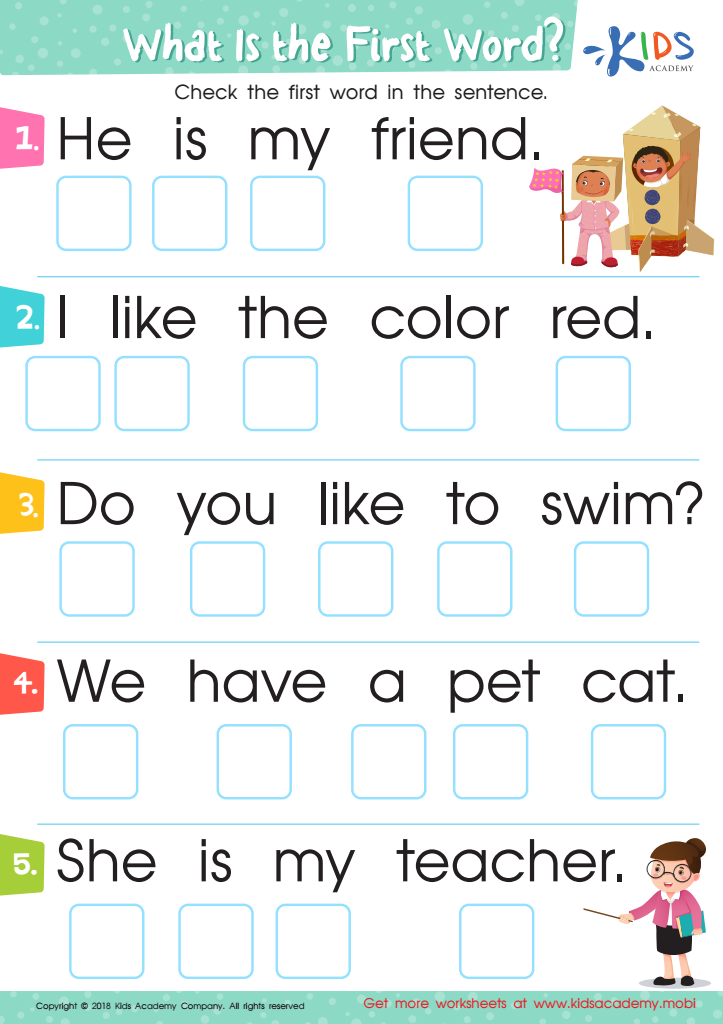
What is the First Word? Worksheet








Vocabulary development is crucial for children aged 3-6 as it lays the foundation for effective communication and academic success. During these early years, children are like sponges, absorbing language and learning how to express their thoughts, feelings, and desires. A robust vocabulary enhances their ability to understand stories, follow instructions, and participate in conversations, which fosters confidence and social skills.
Parents and teachers play a pivotal role in nurturing this development. Engaging children in rich conversations, reading diverse books, and introducing new words in contextual settings can significantly expand their vocabulary. Research shows that a strong vocabulary is linked to better reading comprehension and literacy skills, which are essential for success in school and beyond.
Moreover, vocabulary development supports cognitive growth. When children learn new words, they build connections and engage in critical thinking, which enhances problem-solving abilities. Ultimately, a rich vocabulary equips them with the linguistic tools they need to navigate their world, make friends, and express themselves. By prioritizing vocabulary development, parents and teachers are investing in children's overall development, paving the way for lifelong learning and effective communication.