Vowel Recognition Normal ABC Letters Worksheets for Ages 3-7
3 filtered results
-
From - To
Boost your child's early literacy skills with our engaging Vowel Recognition Normal ABC Letters Worksheets, designed specifically for ages 3-7. These printable activities make learning fun and interactive, helping young learners identify and distinguish vowels from consonants effectively. Each worksheet is crafted to enhance recognition through colorful images and engaging exercises that promote phonemic awareness. Perfect for home or classroom use, these resources are ideal for reinforcing foundational reading skills while fostering a love for learning. Encourage your little one to explore the world of letters and unlock their reading potential with our creative and educational vowel recognition worksheets. Get started today!
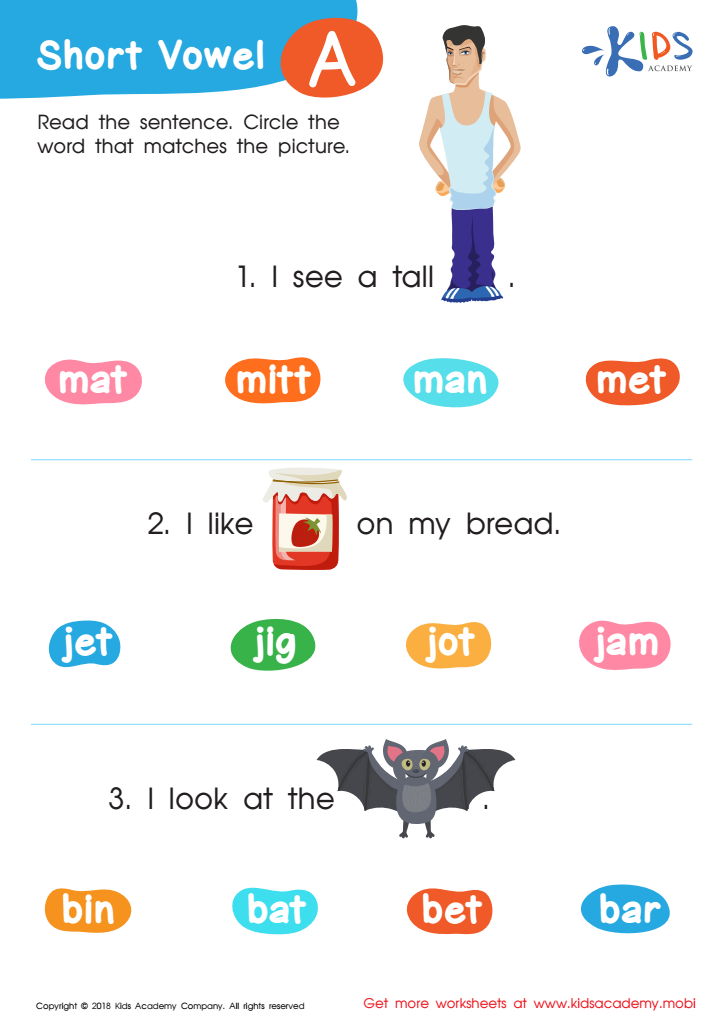
Short Vowel /a/ Worksheet
 Assign to My Students
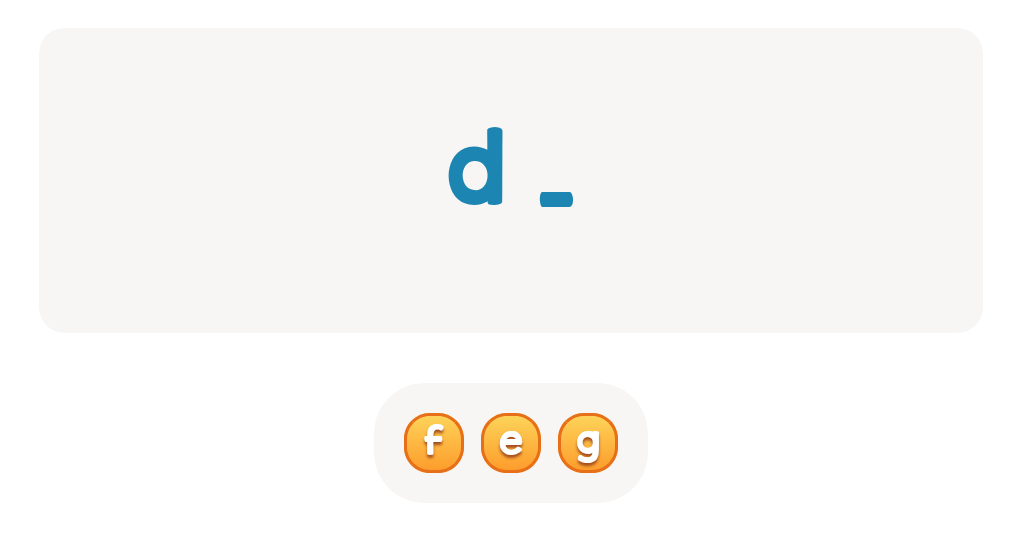


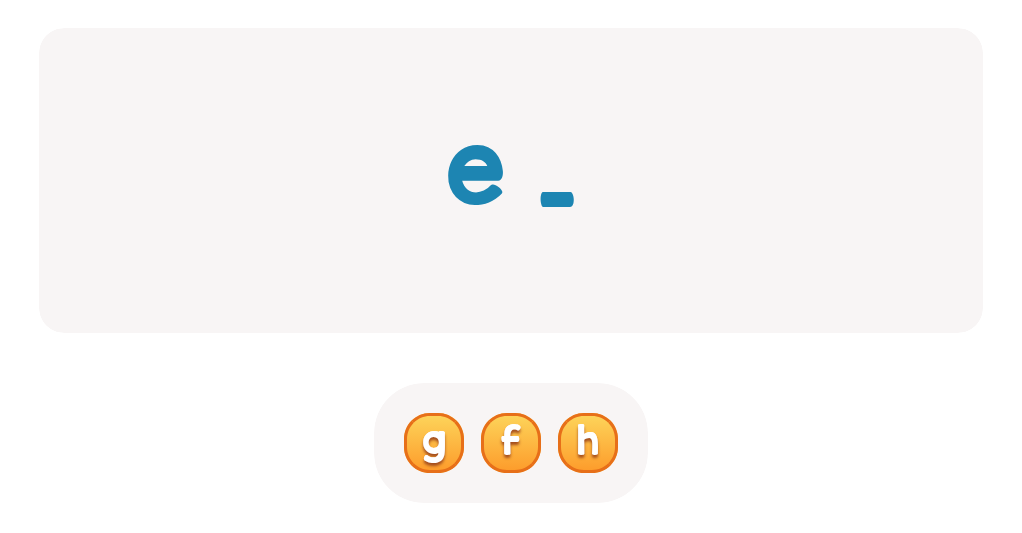
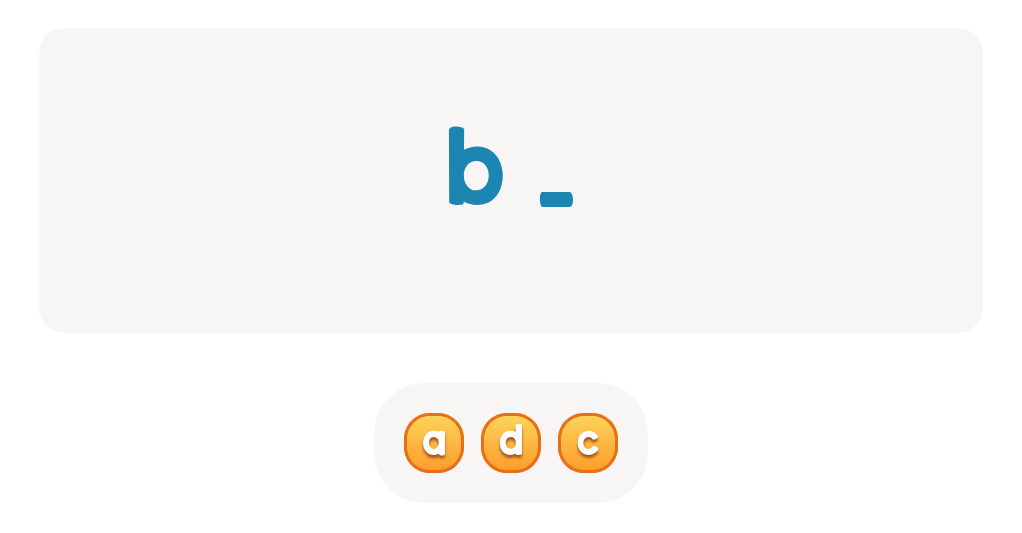




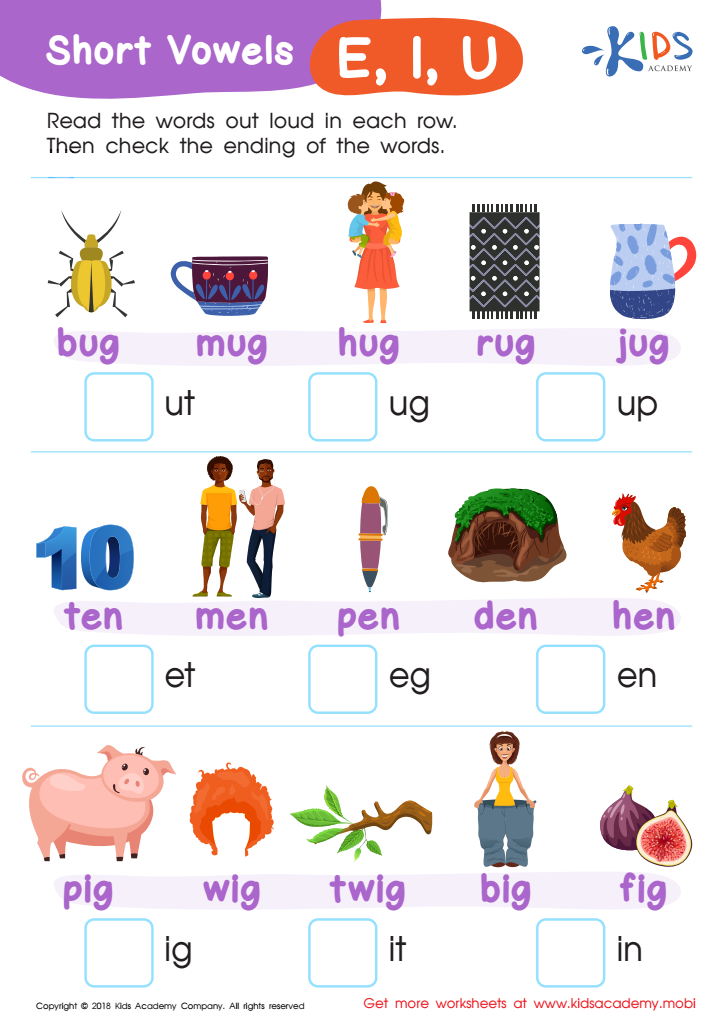
Short Vowels /e/, /i/, and /u/ Worksheet
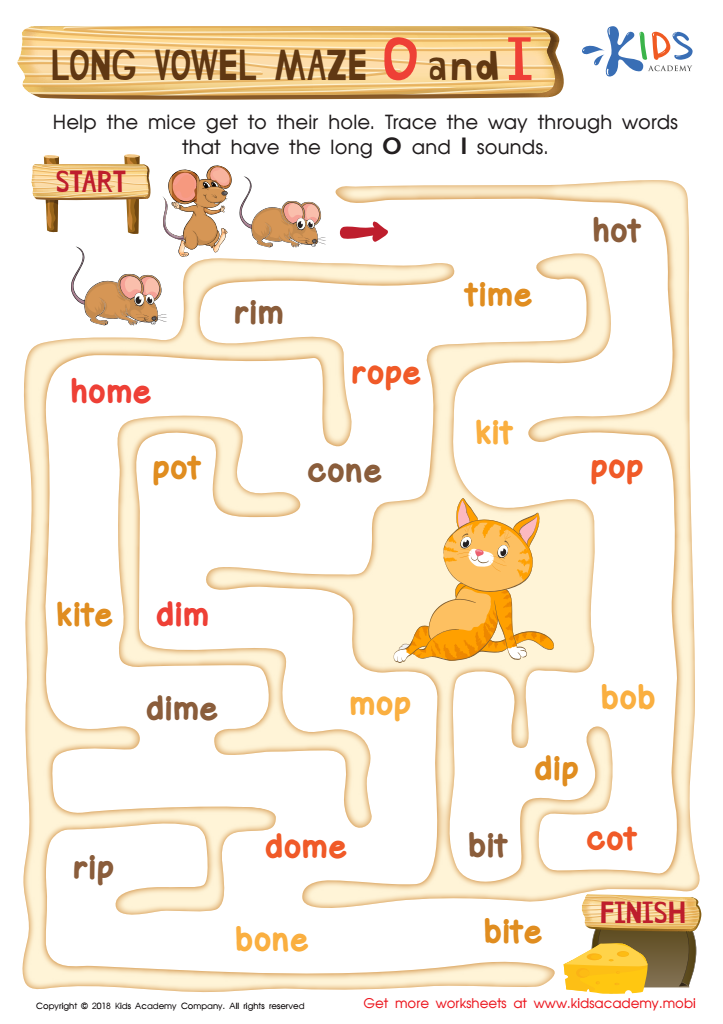
Long Vowel Maze /o/ and /i/ Worksheet







Vowel recognition and understanding the normal ABC letters are fundamental skills for children ages 3-7. This developmental stage is crucial for laying the groundwork for literacy, as vowels are essential components of words in the English language. When children recognize vowels, they develop phonemic awareness, enabling them to decode words, improve their reading skills, and enhance overall language proficiency.
Moreover, recognizing vowels fosters early reading confidence, encouraging children to engage with texts, and develop a love for reading. This confidence translates into better comprehension skills as they progress. Proficiency in vowel recognition also aids in spelling, as children learn to identify word structures and patterns.
For parents and teachers, focusing on vowel recognition ensures that children build essential skills necessary for academic success. Encouraging activities, games, and songs that highlight vowels can create an engaging and supportive learning environment. As children become proficient in vowel recognition, they are better prepared to tackle more complex literacy skills in the later grades.
In summary, emphasizing vowel recognition not only supports children's immediate language development but also cultivates lifelong learning habits, setting the stage for future educational achievements. Both parents and teachers play pivotal roles in nurturing these skills during these formative years.







