Writing practice Normal ABC Letters Worksheets for Ages 3-7
6 filtered results
-
From - To
Welcome to our "Writing Practice for Normal ABC Letters Worksheets," designed specifically for children ages 3 to 7! These engaging worksheets provide a fun and interactive way for young learners to enhance their writing skills. Each worksheet features uppercase and lowercase letters, helping kids practice letter formation while building their confidence. As they trace and write, children will also improve their fine motor skills and hand-eye coordination. Our resources are ideal for both classroom activities and at-home learning, making them a perfect tool for parents and educators. Introduce your little ones to the wonderful world of writing with our exciting worksheets!
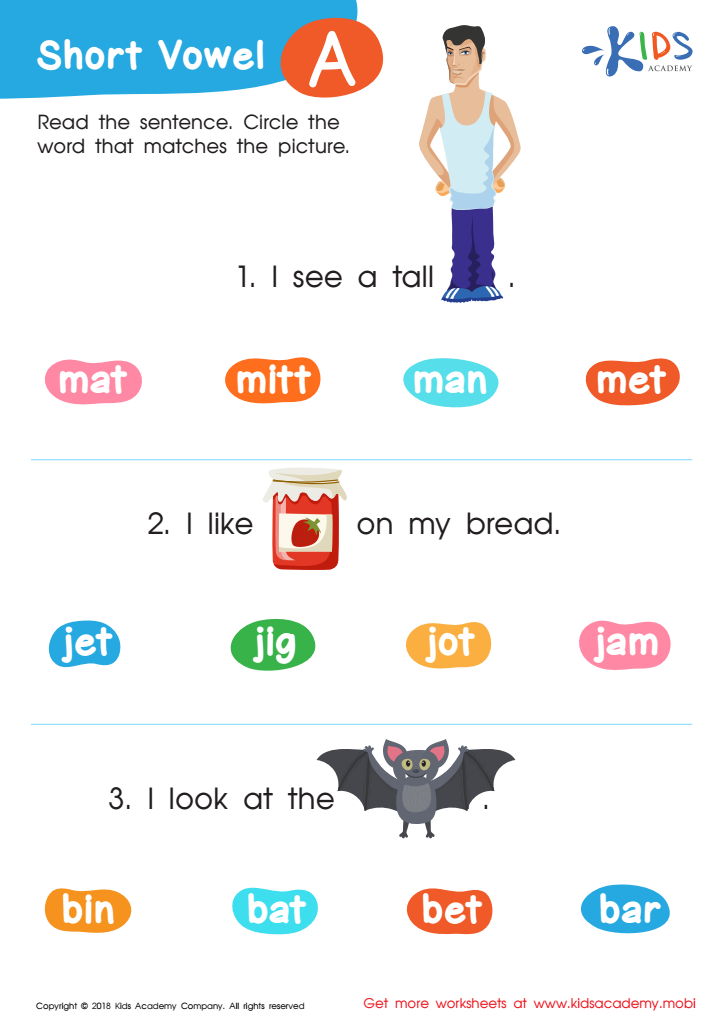
Short Vowel /a/ Worksheet





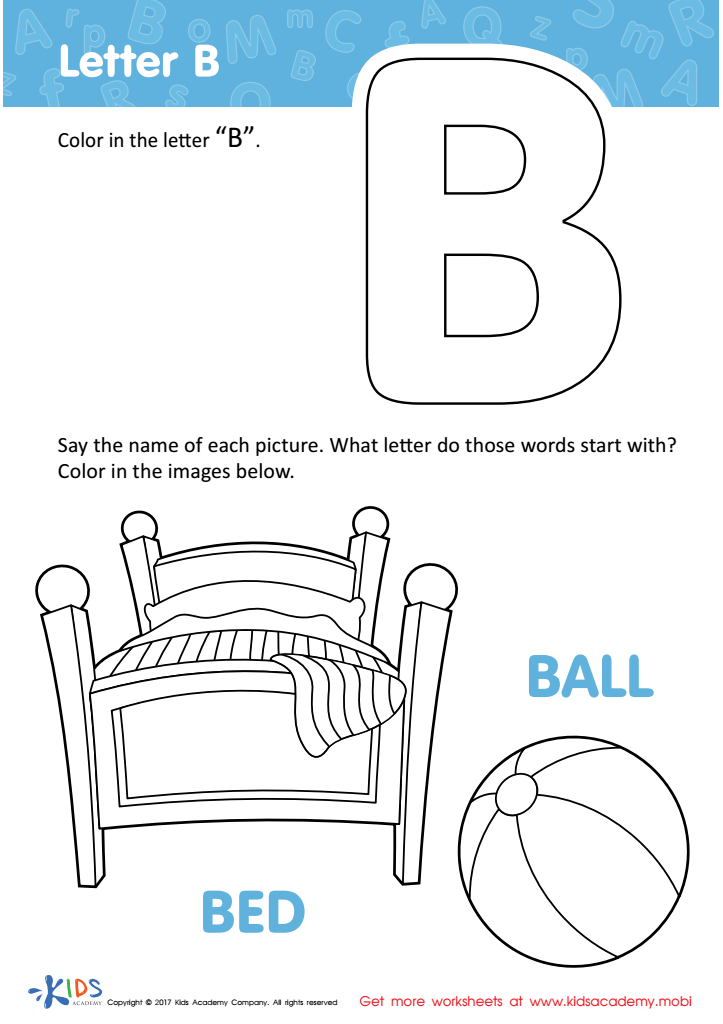
Letter B Coloring Sheet
 Assign to My Students
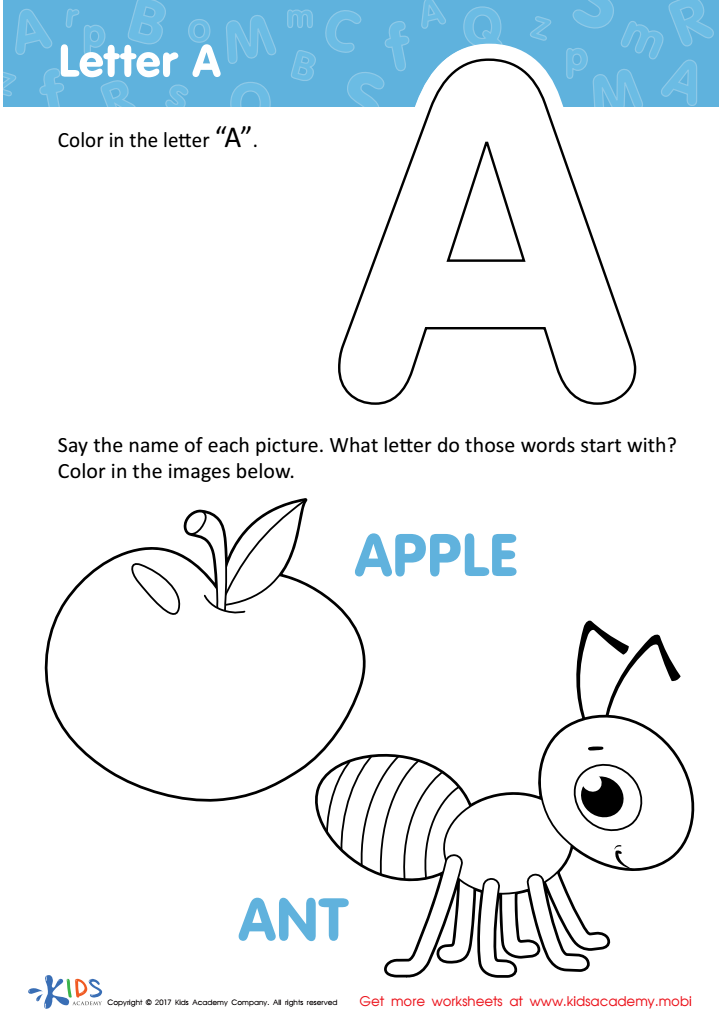
Letter A Coloring Sheet
Assign to My Students

Letter H Tracing Page
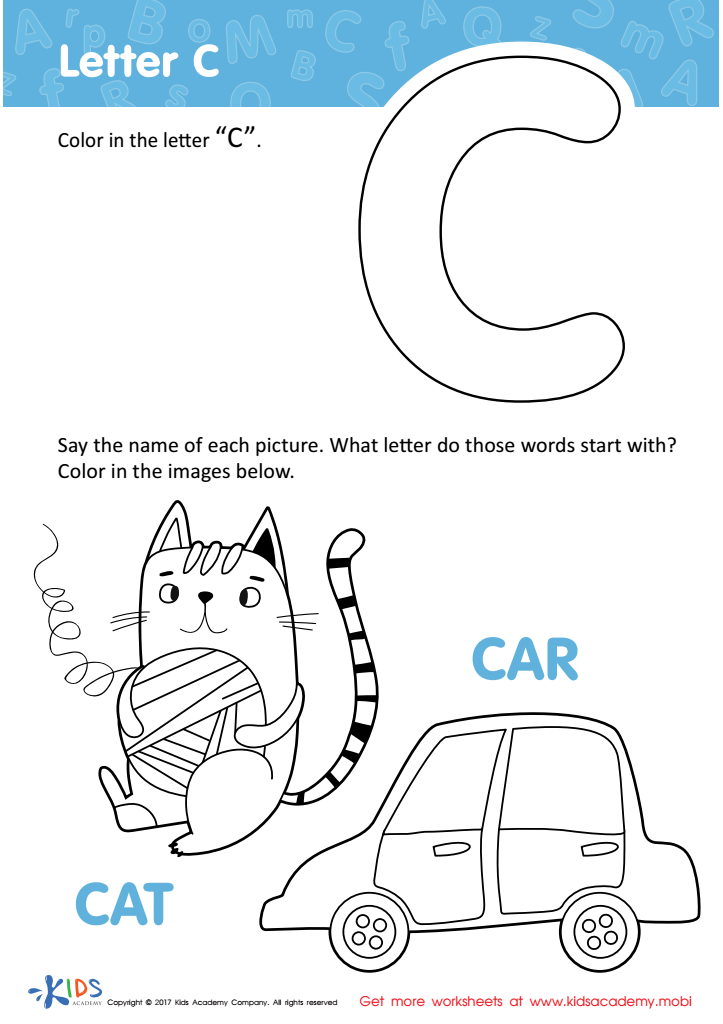
Letter C Coloring Sheet
Assign to My Students
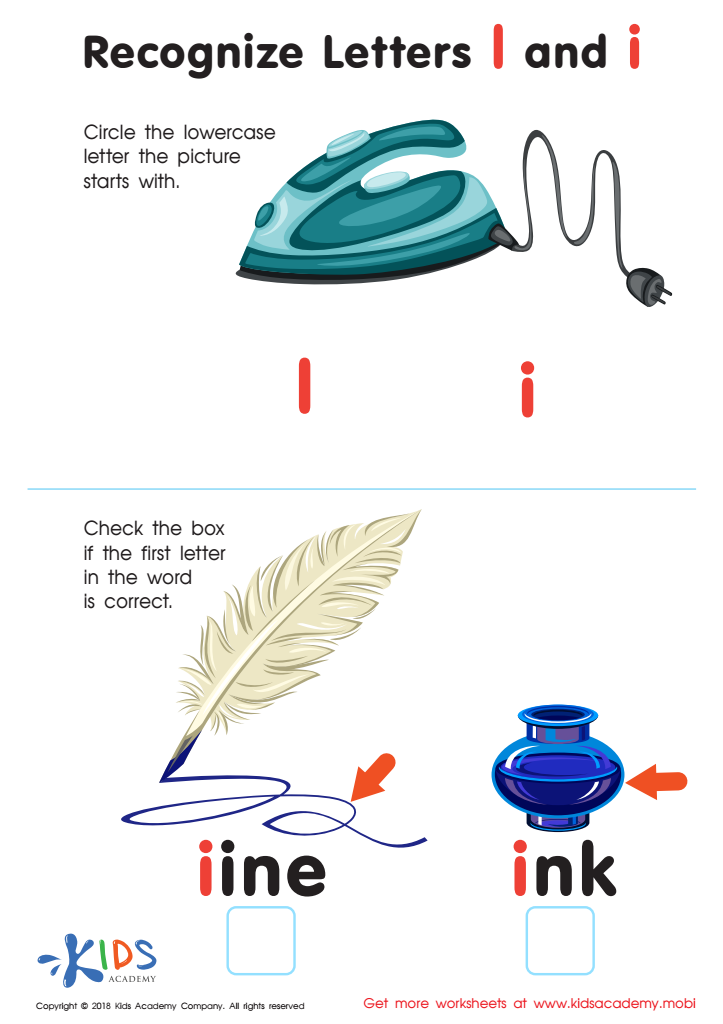
Recognize Letters l and i Worksheet







Writing practice with normal ABC letters is crucial for children aged 3-7 for several reasons. First, developing fine motor skills is essential during early childhood, and writing letters helps strengthen these skills. The act of holding a pencil and forming letters enhances hand-eye coordination, which is vital for various tasks later in life.
Second, learning to recognize and write the alphabet lays a strong foundation for reading skills. Children who practice writing letters improve their letter recognition, which directly contributes to phonemic awareness and reading proficiency. The connection between writing and reading is fundamental; as children learn to form letters, they simultaneously develop an understanding of how these letters come together to make words.
Moreover, consistent writing practice fosters creativity and self-expression. Encouraging children to write simple words or even engage in storytelling can boost their confidence and enthusiasm for language.
Lastly, writing practice enhances cognitive development. It helps in honing critical thinking and organizational skills as children learn to structure letters and words systematically. In summary, prioritizing ABC letter writing for young children is not only about literacy; it is a holistic approach to their physical, emotional, and cognitive development, making it essential for parents and teachers.







