Vocabulary expansion Normal Consonants Worksheets for Ages 3-7
4 filtered results
-
From - To
Enhance your child's language skills with our "Vocabulary Expansion Normal Consonants Worksheets" designed for ages 3-7. These engaging activities focus on recognizing and mastering common consonants, supporting early literacy development. Each worksheet features fun, interactive exercises that help kids identify, trace, and use consonants in various contexts. From matching games to simple puzzles, these resources make learning enjoyable while boosting vocabulary and pronunciation. Perfect for preschool and early elementary students, our worksheets provide a solid foundation for reading and writing success. Start expanding your child's vocabulary today and watch their confidence grow!
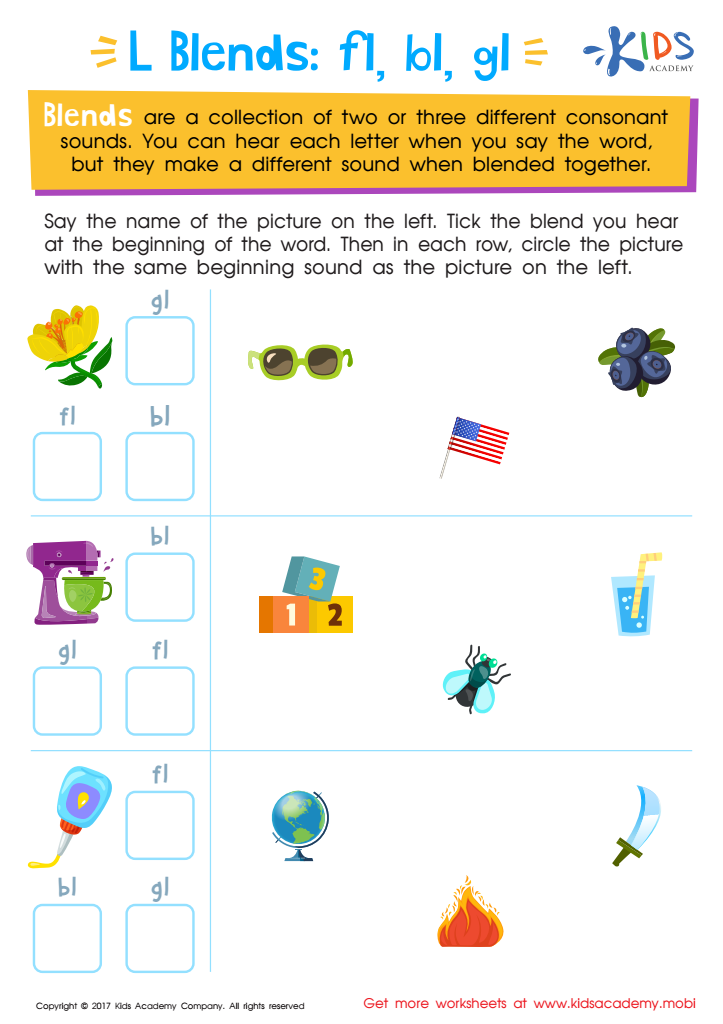
Blending Consonants: "Fl", "Bl" and "Gl" Printable
 Assign to My Students
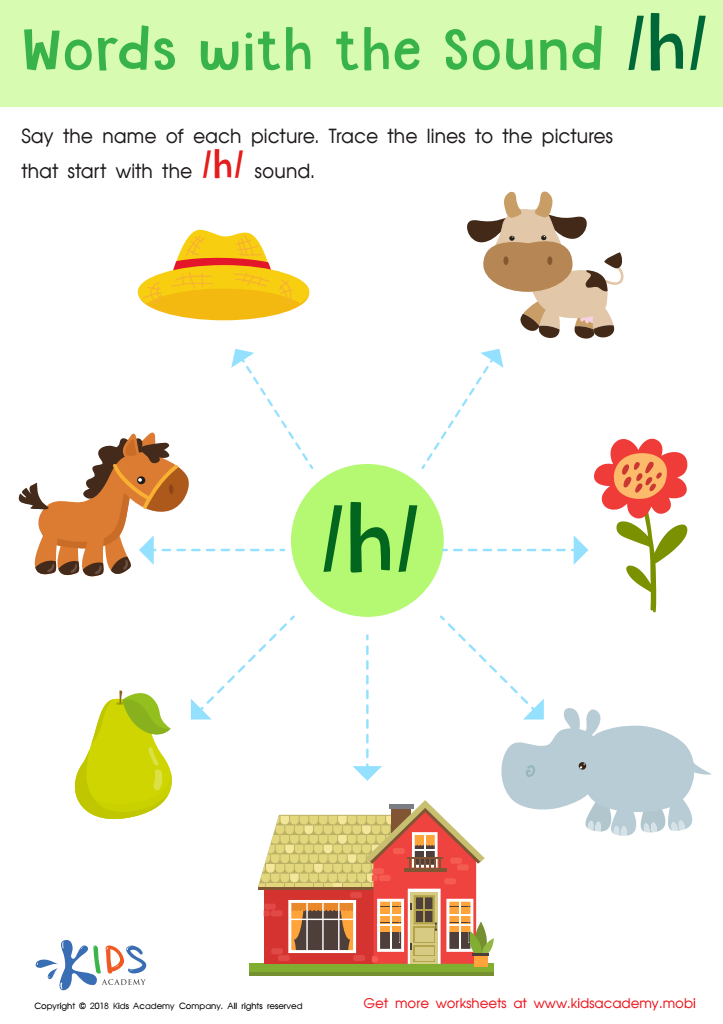
Words with sound h Reading Worksheet
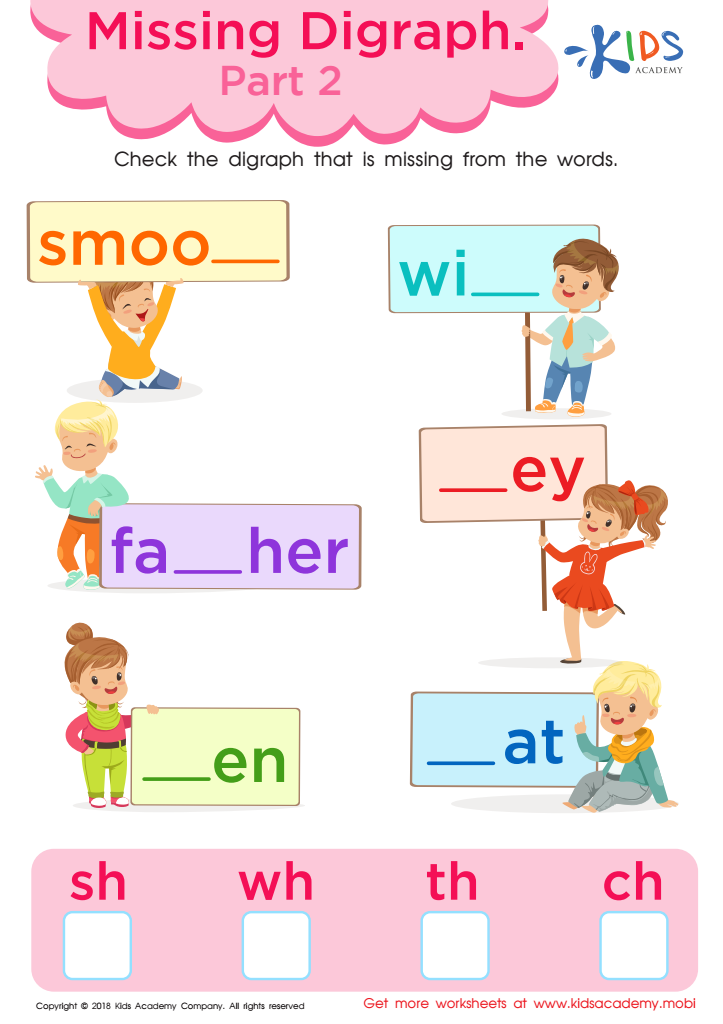
Missing Digraph: Part 2 Worksheet
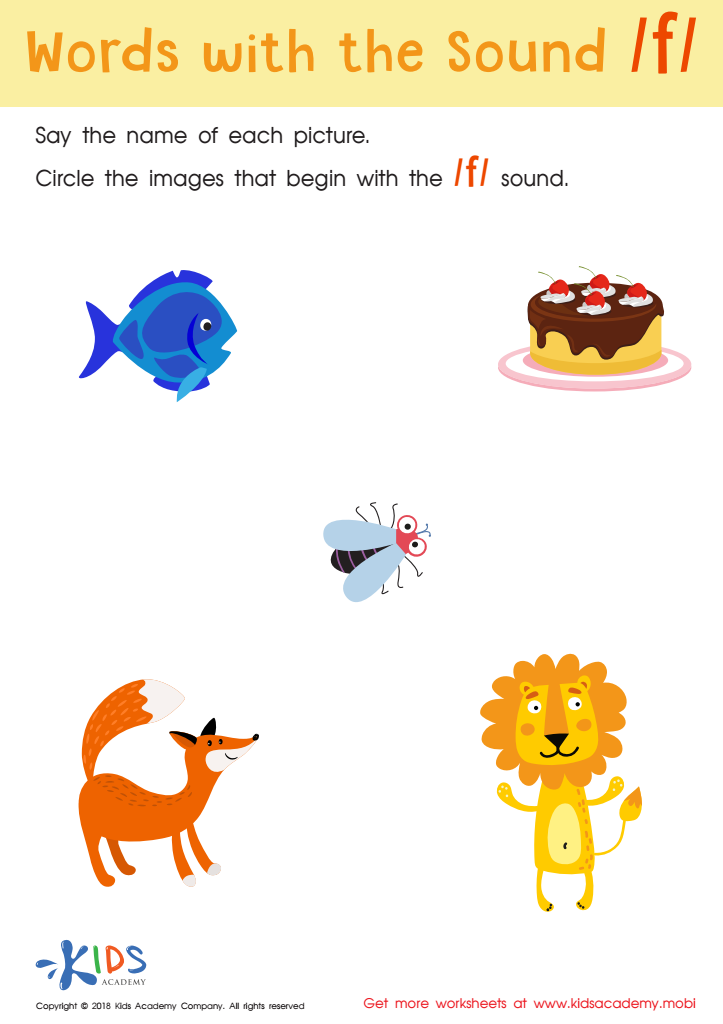
Words with sound f Reading Worksheet



Vocabulary expansion during early childhood, specifically focusing on normal consonants, is crucial for various reasons. For ages 3-7, children are in a pivotal stage of language development, where the foundations for future literacy and communication skills are solidified. During this period, children rapidly absorb and learn new words, and their ability to articulate consonant sounds directly influences their pronunciation and understanding of language.
Parents and teachers should prioritize this aspect of vocabulary expansion because a robust vocabulary serves as a vital tool for effective communication. Children who can accurately pronounce and use a variety of consonants find it easier to express their thoughts, needs, and emotions, fostering stronger social interactions and reducing frustration.
Moreover, a rich vocabulary lays the groundwork for reading and writing skills. Phonemic awareness, the ability to hear, identify, and manipulate individual sounds in spoken words, is heightened when children are familiar with a broad spectrum of consonant sounds. This awareness is a key component of decoding words during reading.
Incorporating activities such as reading aloud, engaging in conversations, and playing phonics games can significantly enhance children's vocabulary, facilitating their overall cognitive and academic growth. Therefore, investing time and effort into expanding a child's vocabulary with a focus on normal consonants creates a solid linguistic foundation that benefits them throughout their educational journey and beyond.






