Handwriting practice Normal Alphabet Worksheets for Ages 3-7 - Page 2
37 filtered results
-
From - To
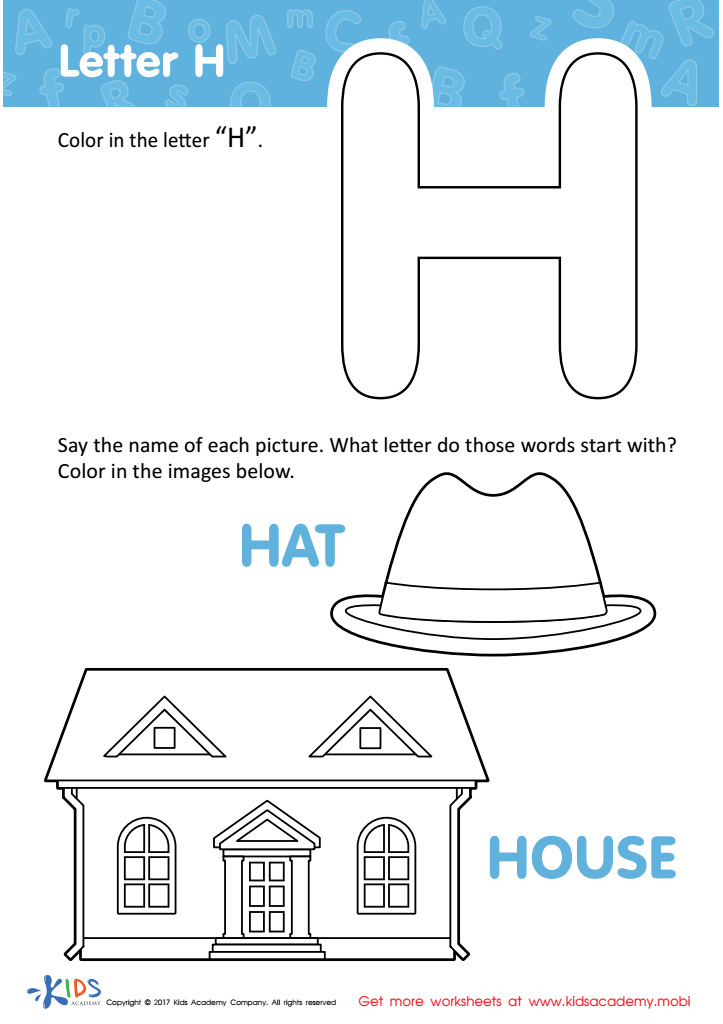
Letter H Coloring Sheet
 Assign to My Students
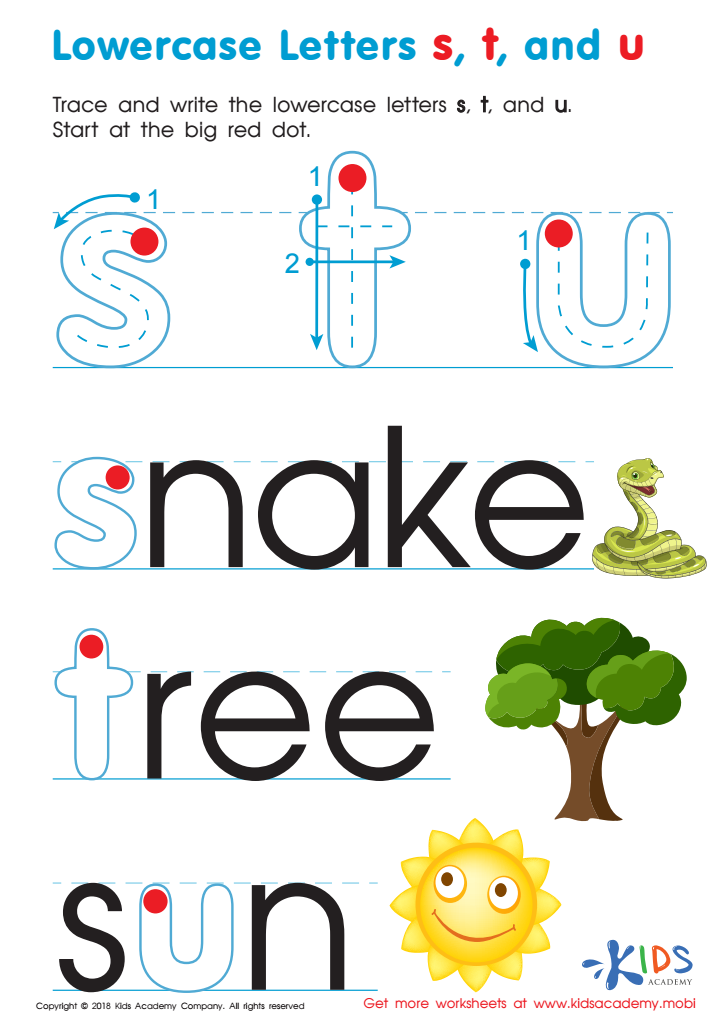
Lowercase Letters s t u Worksheet
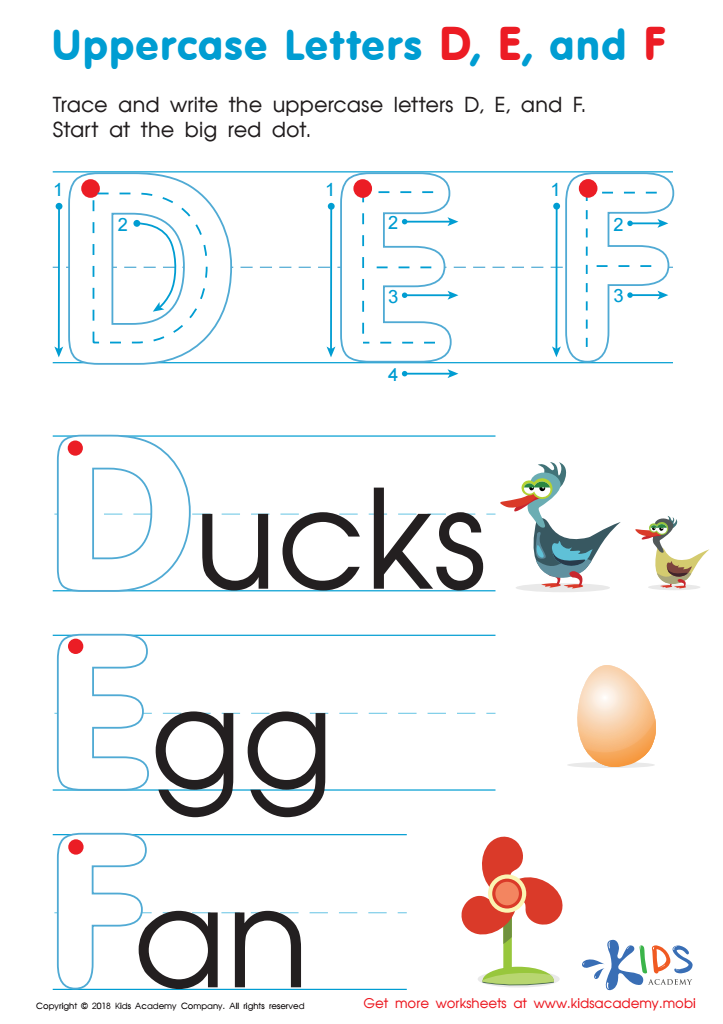
Uppercase Letters D, E, and F Worksheet
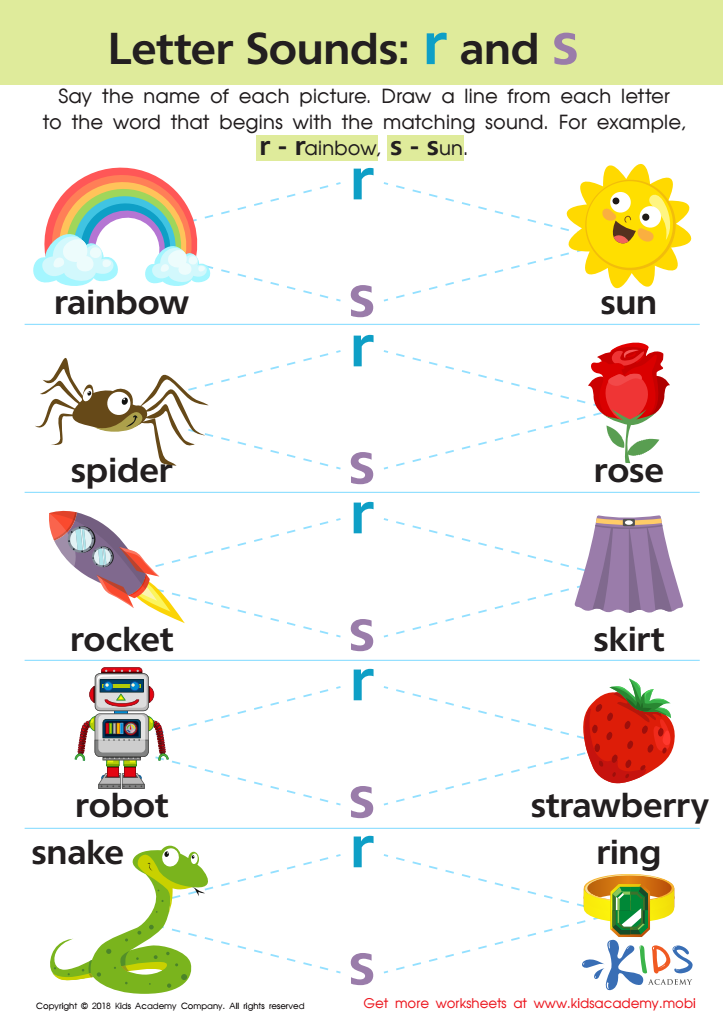
Letter R and S Sounds Worksheet
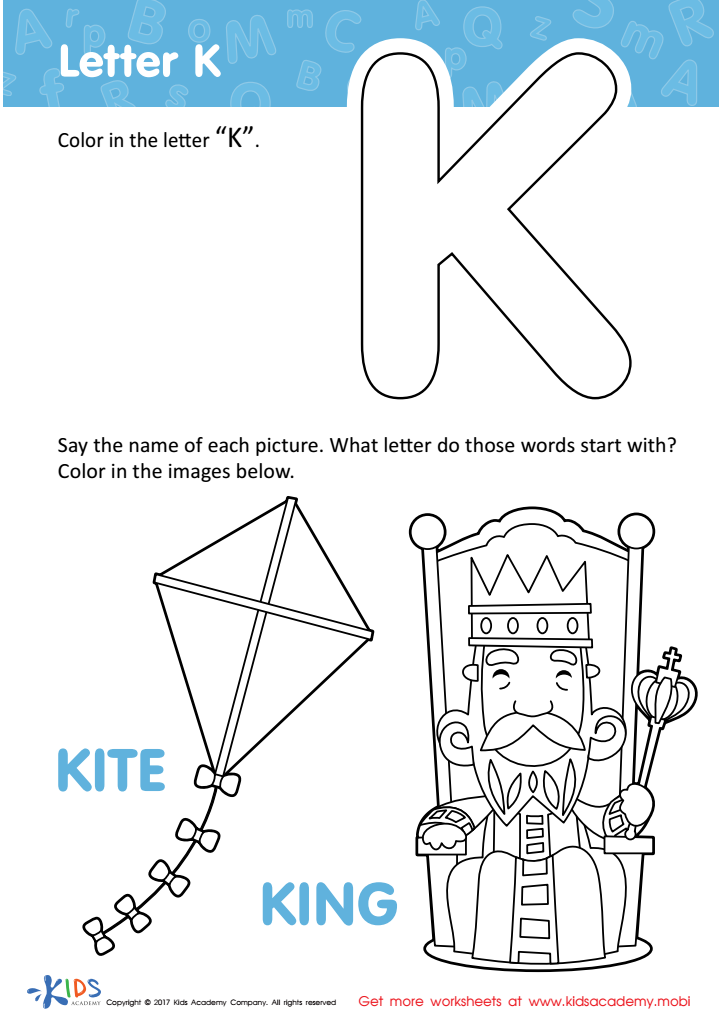
Letter K Coloring Sheet
Assign to My Students
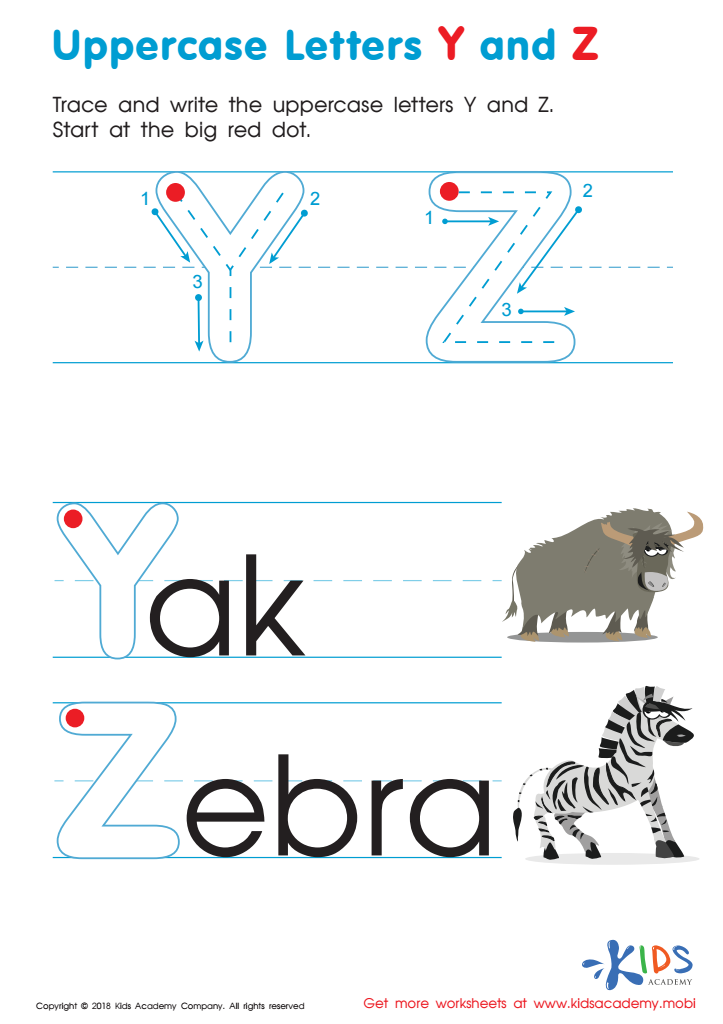
Uppercase Letters Y Z Worksheet
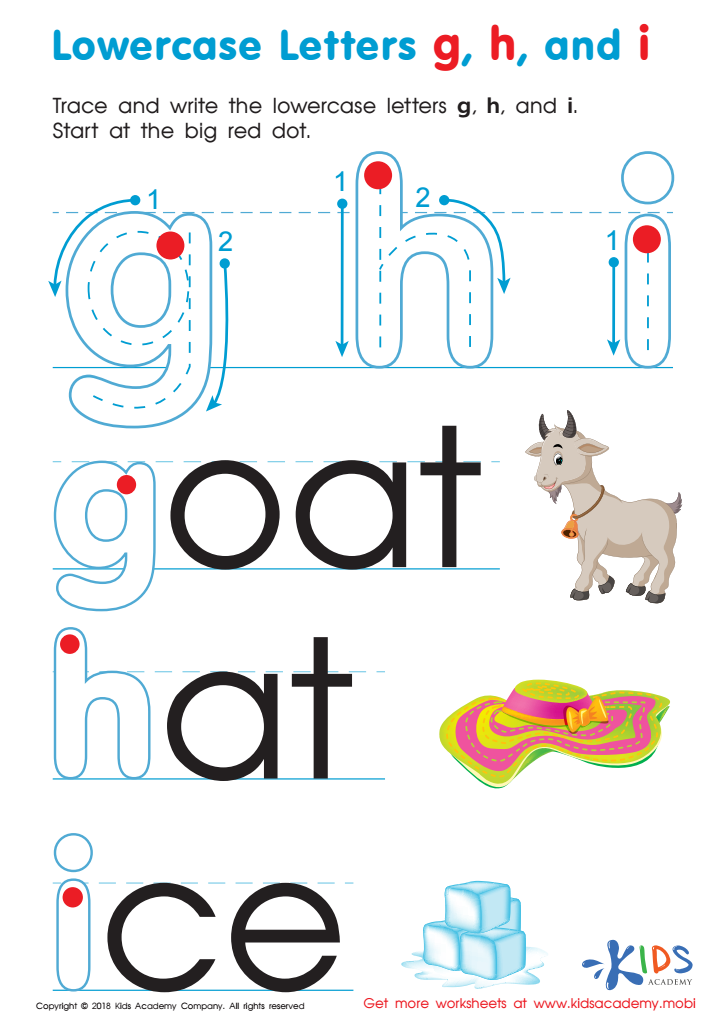
Lowercase Letters g h i Worksheet
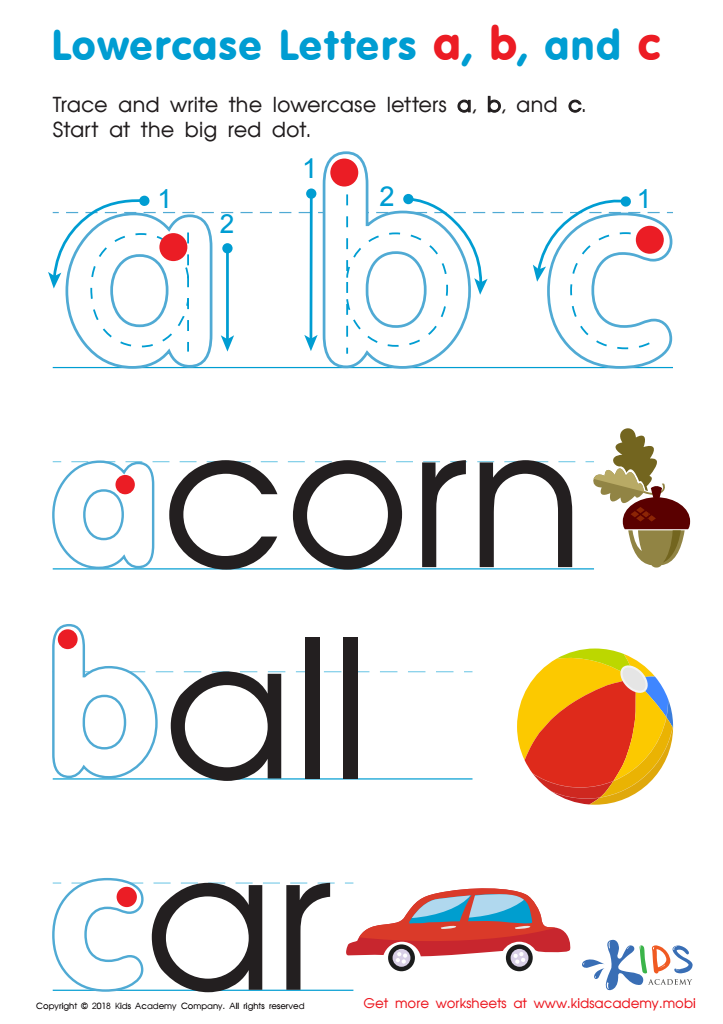
Lowercase Letters a b c Worksheet
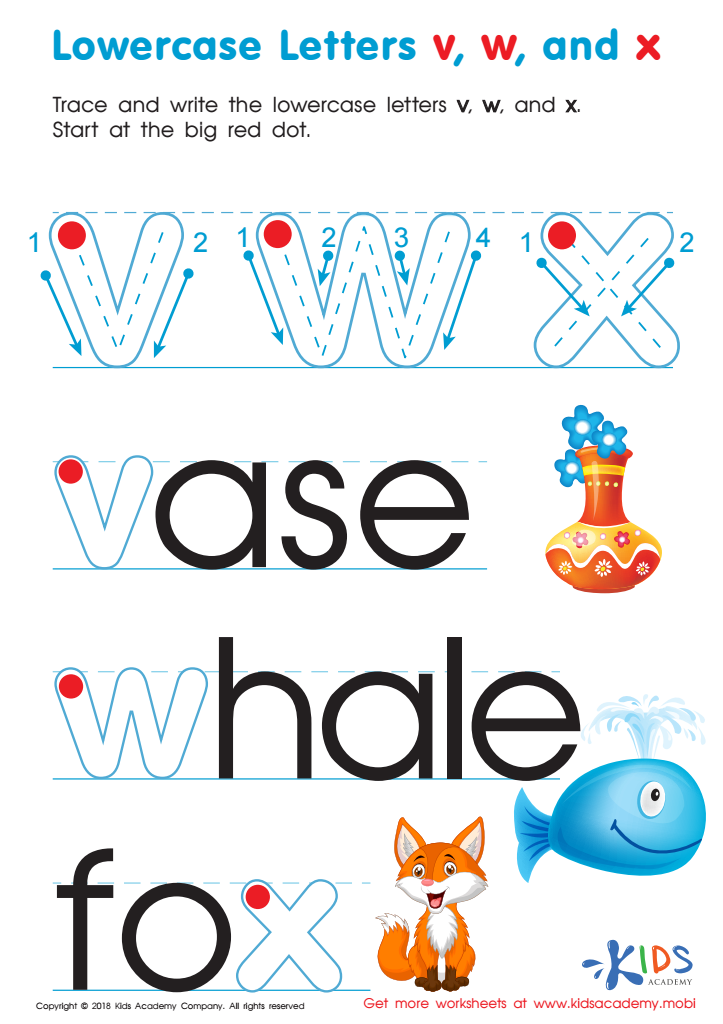
Lowercase Letters v w x Worksheet
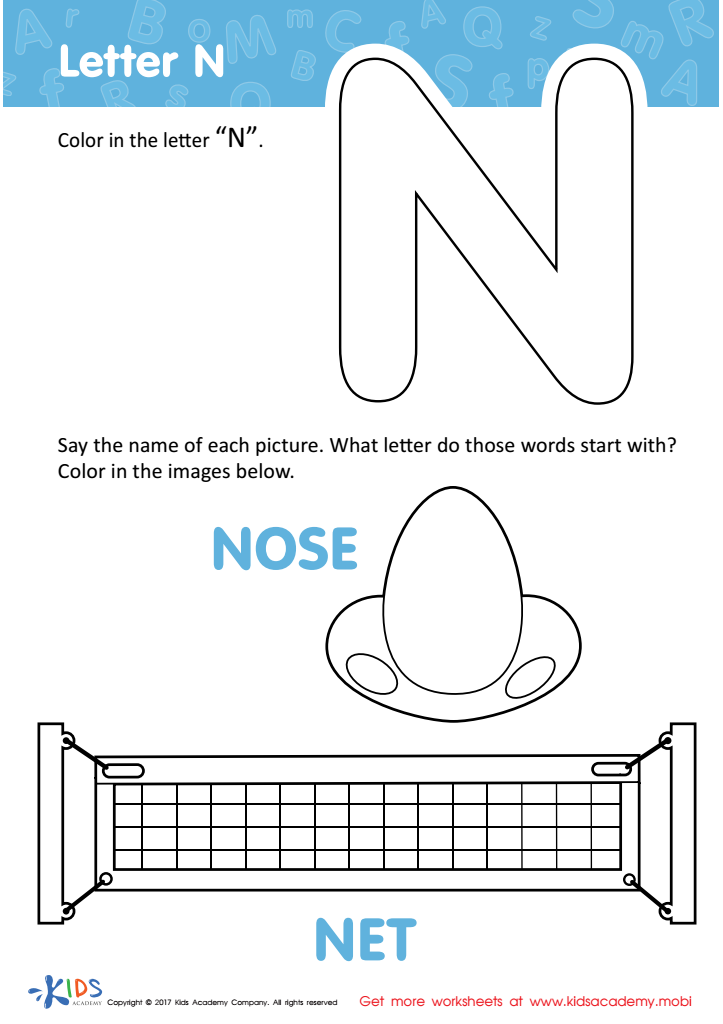
Letter N Coloring Sheet
Assign to My Students
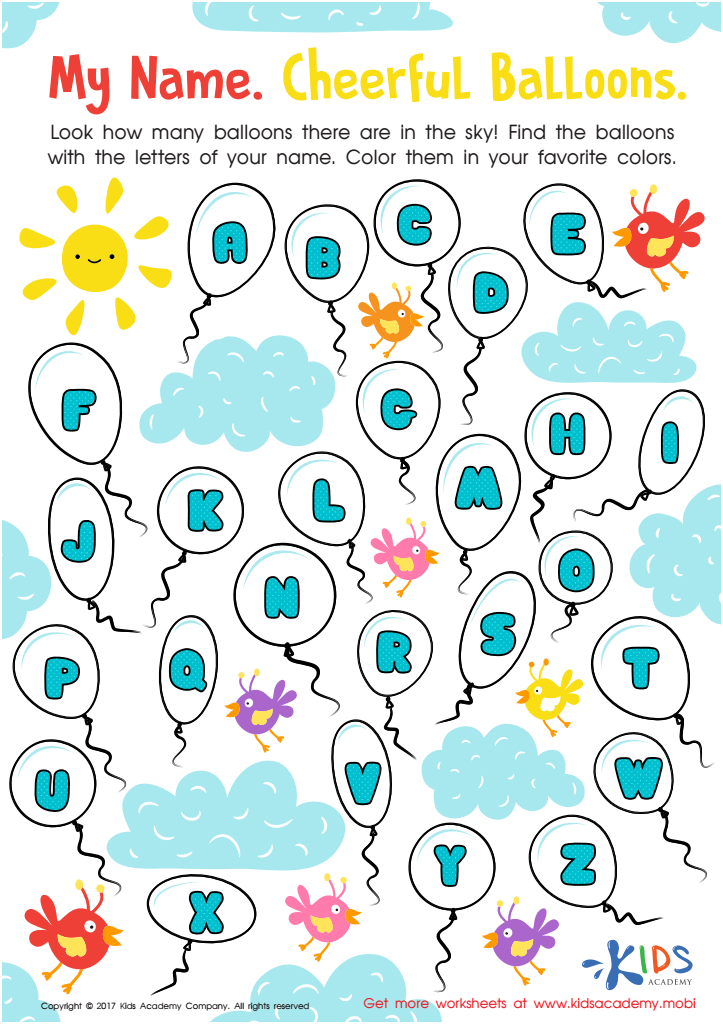
My Name: Cheerful Balloons Worksheet
Assign to My Students
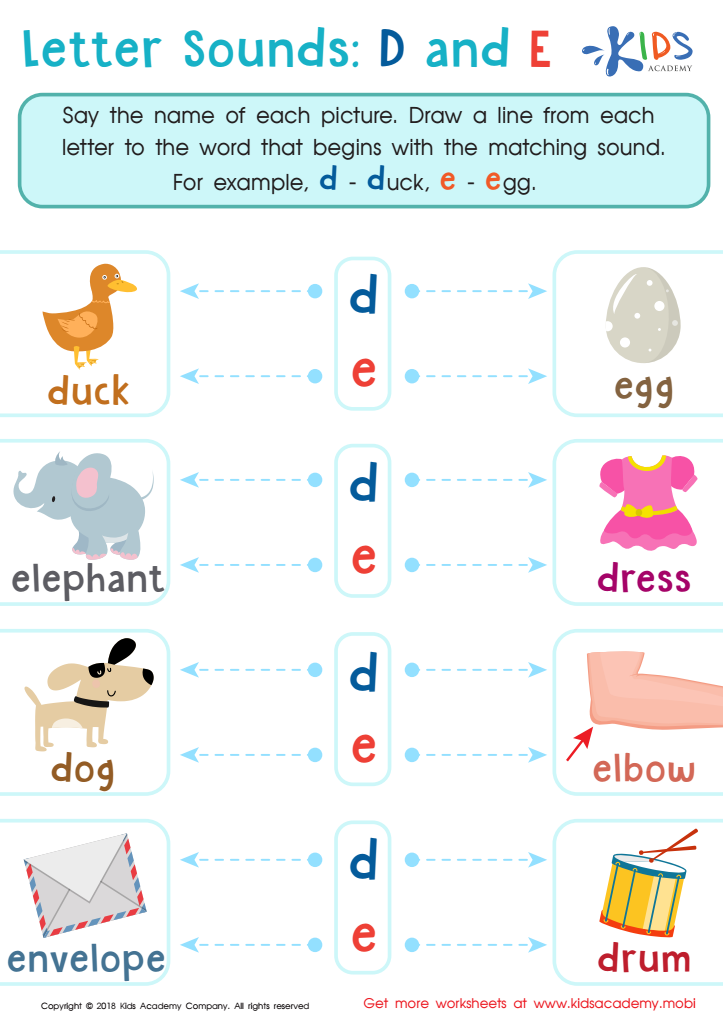
Letter D and E Sounds Worksheet
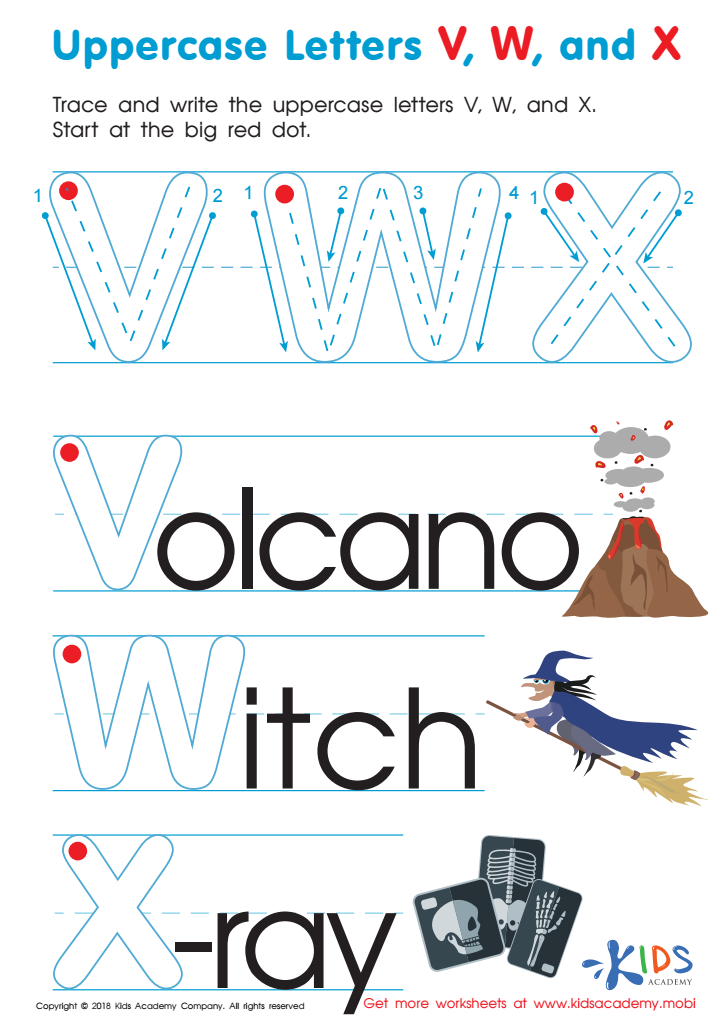
Uppercase Letters V, W, and X Worksheet








Handwriting practice in early childhood, especially for ages 3-7, holds significant importance for several reasons. Firstly, mastering the normal alphabet through writing fosters fine motor skills development, which is essential for hand-eye coordination and dexterity. This physical skill forms the foundation for various everyday tasks, from buttoning clothes to using utensils, and academic activities such as drawing or even manipulating objects in science experiments.
Secondly, handwriting practice enhances cognitive growth. It helps children understand the alphabet's structure, shapes, and phonetic sounds, hence bolstering literacy skills. This practice intertwines visual, motor, and cognitive development, aiding memory retention and facilitating more efficient learning paths for reading and spelling.
Furthermore, handwriting is a form of self-expression and communication. Developing this skill allows children to record thoughts, ideas, and stories, fostering creativity and emotional expression. It's also a social tool, promoting meaningful connections through written notes or letters, laying the groundwork for written dialogue in later academic or personal life.
Lastly, the discipline and focus required in handwriting practice encourage patience, attention to detail, and perseverance—traits that greatly benefit lifelong learning. Therefore, parents and teachers should prioritize and value handwriting practice as it equiInputs children with foundational skills critical for comprehensive development.







