Vocabulary Enrichment Normal Alphabet Worksheets for Ages 3-7
8 filtered results
-
From - To
Enhance your child's vocabulary with our engaging Vocabulary Enrichment Normal Alphabet Worksheets, designed for children aged 3-7. These worksheets provide a fun and interactive way for young learners to develop essential language skills while exploring the alphabet. Each activity encourages creativity and critical thinking, helping kids connect words with images and concepts. Perfect for classrooms and home learning, our worksheets make vocabulary building enjoyable and effective. Whether your child is just starting to learn their letters or looking to expand their word knowledge, these resources cater to various learning levels. Empower your child's language journey today!
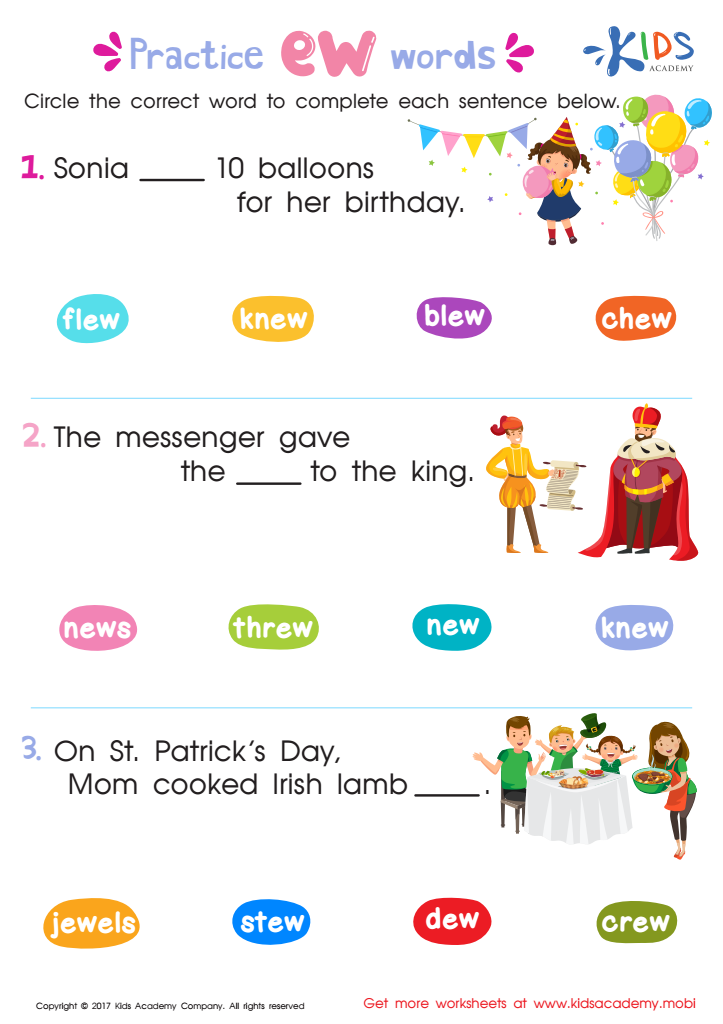
EW Words Worksheet
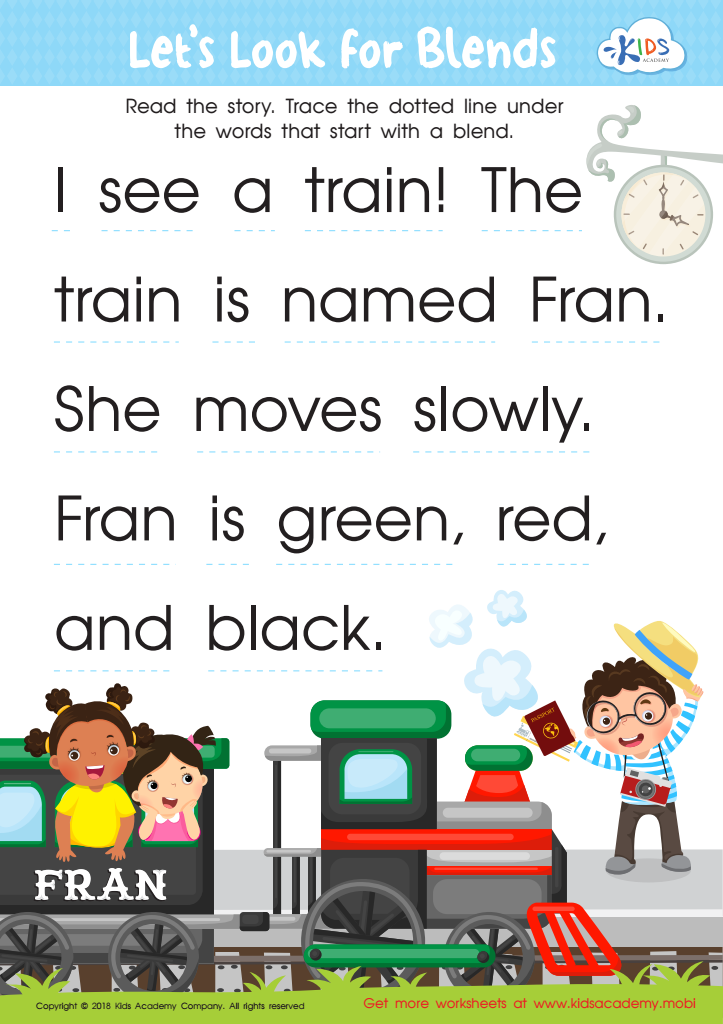
Let's Look for Blends Worksheet
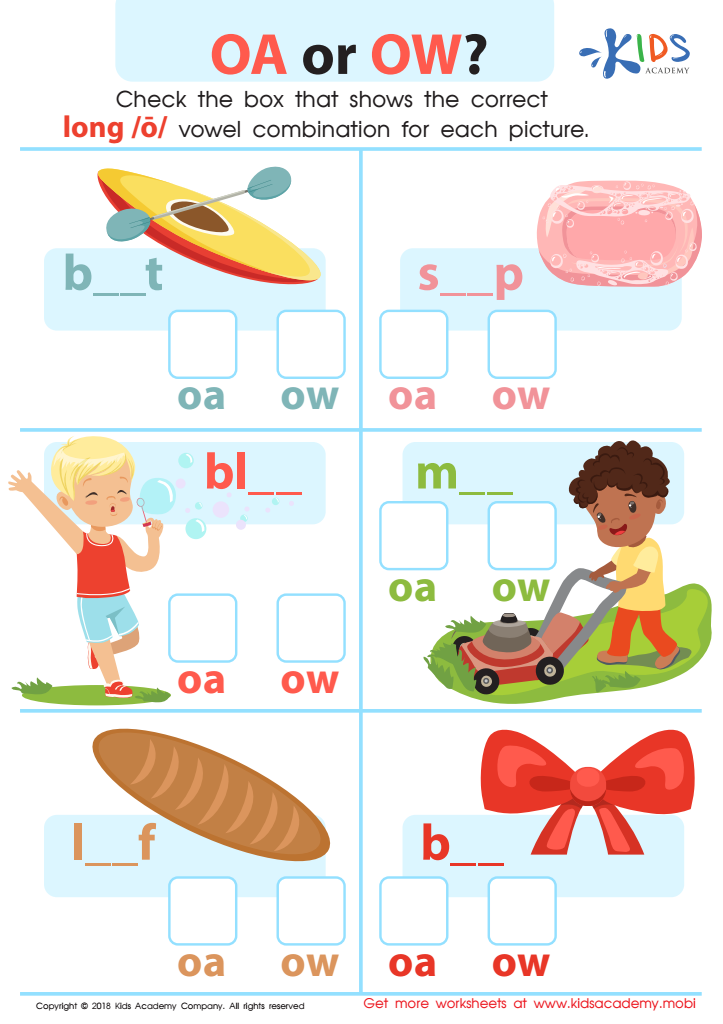
Reading: OA or OW Worksheet
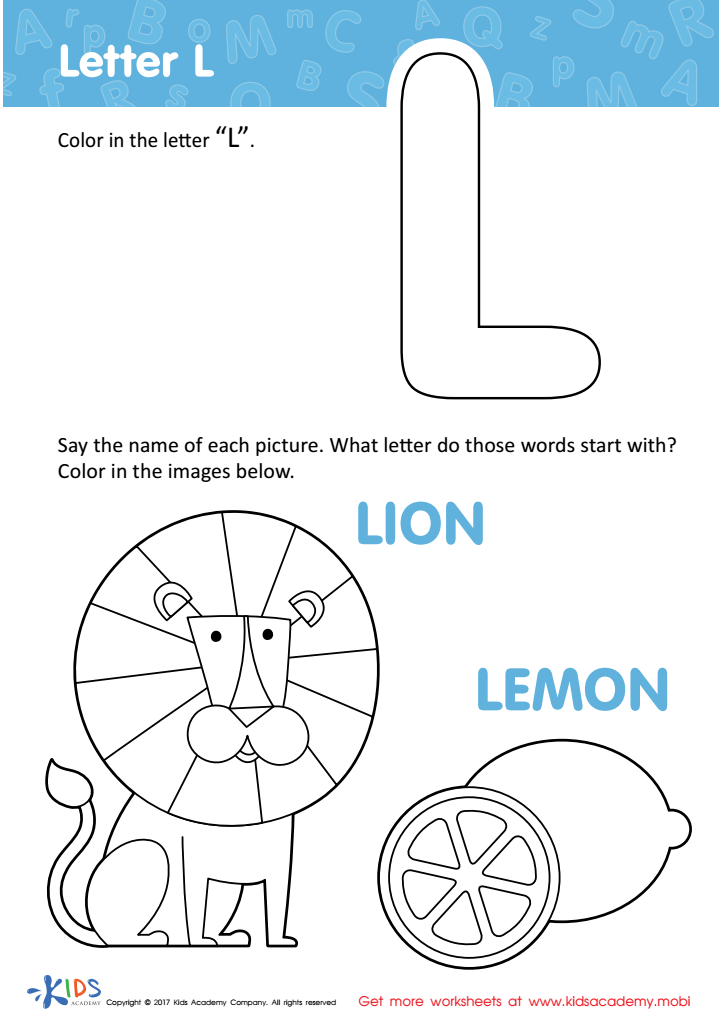
Letter L Coloring Sheet
 Assign to My Students
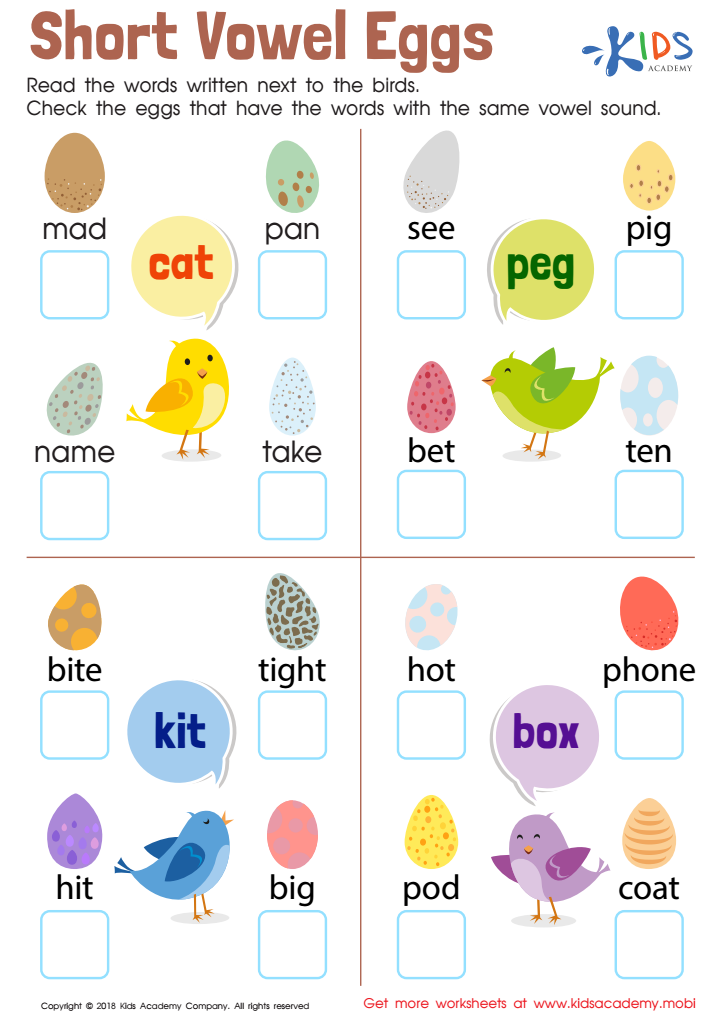
Short Vowel Eggs Worksheet
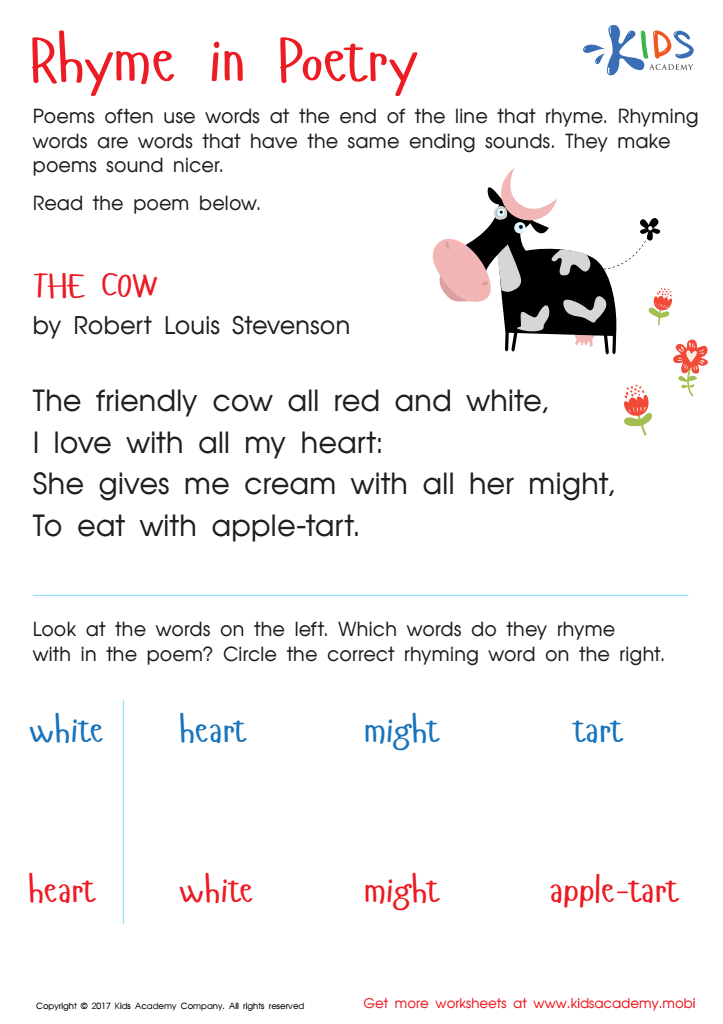
Rhyme In Poetry Worksheet
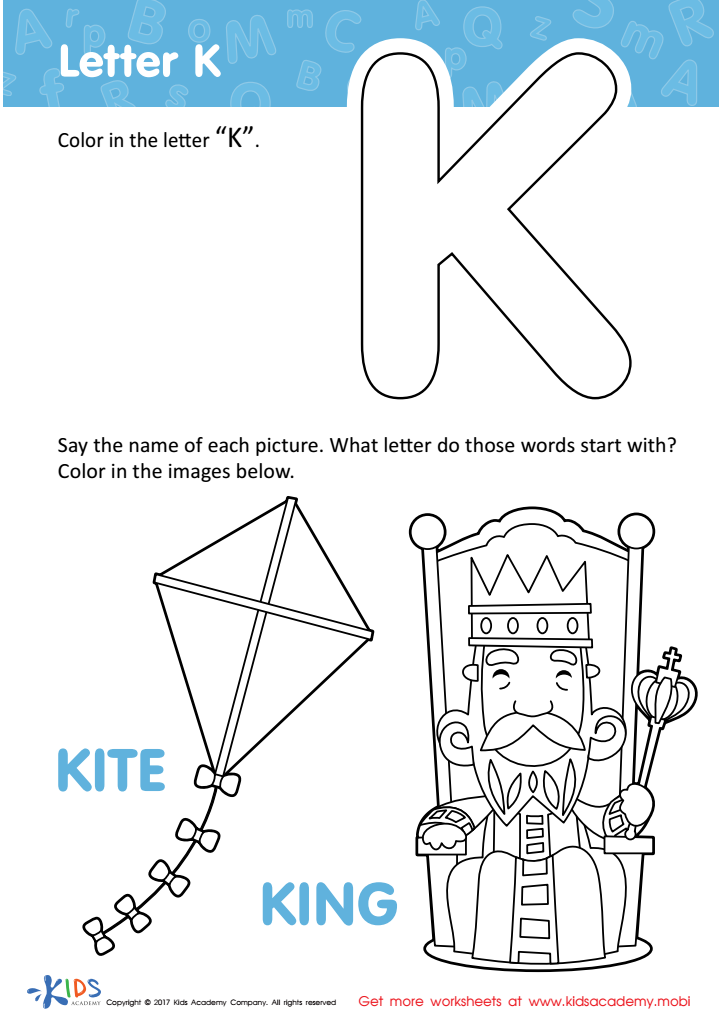
Letter K Coloring Sheet
Assign to My Students
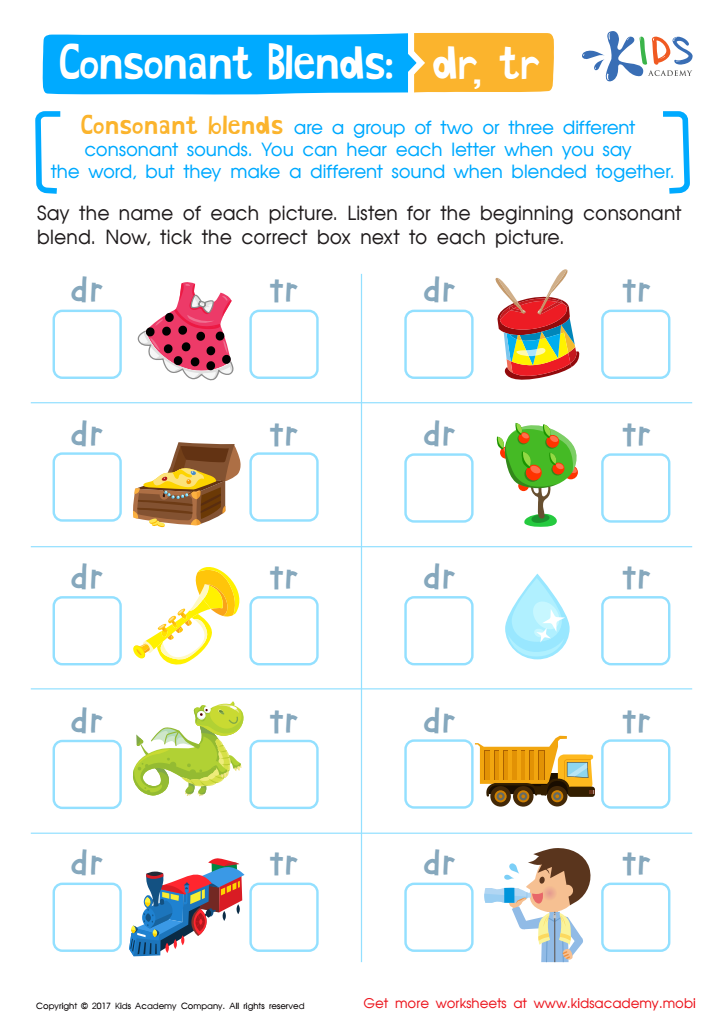
Consonant Blends: "Dr" and "Tr" Printable








Vocabulary enrichment during early childhood is crucial for cognitive and social development. For children aged 3-7, robust vocabulary skills lay the groundwork for literacy, academic achievement, and effective communication. The Vocabulary Enrichment Normal Alphabet (VENA) framework focuses on introducing age-appropriate words through engaging activities and contexts, making learning enjoyable and memorable.
Parents and teachers should prioritize vocabulary enrichment for several reasons. Firstly, a rich vocabulary enhances reading comprehension, enabling children to understand and enjoy stories, which fosters a love for reading. Additionally, strong vocabulary skills are linked to better writing abilities; effective expression leads to increased confidence and creativity in communication.
Furthermore, vocabulary knowledge supports cognitive development by encouraging critical thinking and problem-solving skills. As children encounter new words and concepts, they build connections that enhance their overall understanding of the world around them. Socially, enhanced vocabulary helps children articulate emotions, share ideas, and navigate social interactions more effectively.
In short, investing in vocabulary enrichment for young learners not only boosts academic performance but also nurtures essential life skills that benefit them throughout their educational journey and beyond. Parents and teachers play a vital role in fostering an environment rich in language exploration, making it a key focus in early education.







