Alphabet Recognition Normal Letter Recognition Worksheets for Ages 3-7
30 filtered results
-
From - To
Explore our engaging Alphabet Recognition Normal Letter Recognition Worksheets, specifically designed for children ages 3-7! These worksheets provide a fun and interactive way for young learners to master their letters, fostering essential reading skills. Each activity is carefully crafted to combine learning with play, ensuring that children can identify and recognize both uppercase and lowercase letters. From tracing and matching to coloring and puzzles, our resources cater to diverse learning styles and make alphabet mastery enjoyable. Help your child take their first steps toward reading confidence with our thoughtfully designed worksheets, perfect for pre-school and early grade learners!
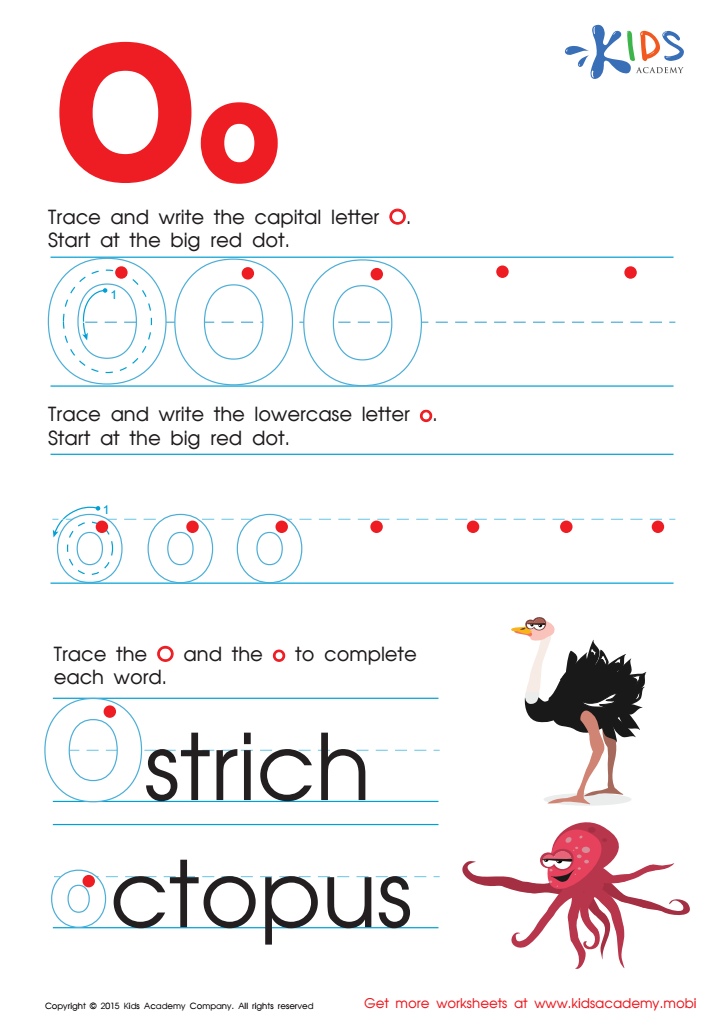
Letter O Tracing Page
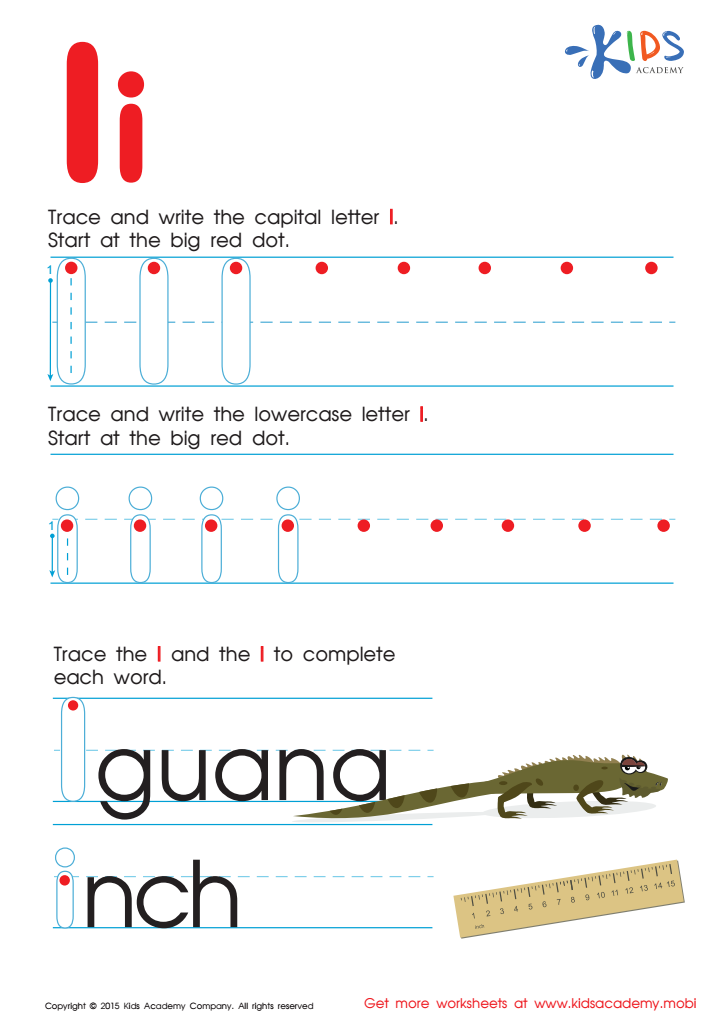
Letter I Tracing Page
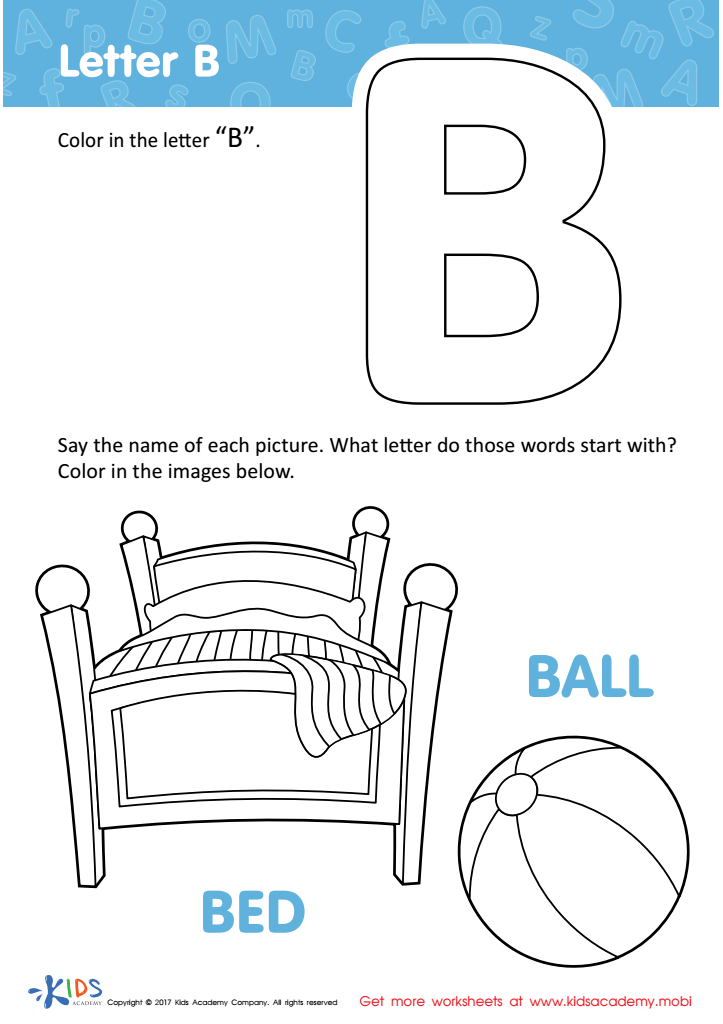
Letter B Coloring Sheet
 Assign to My Students
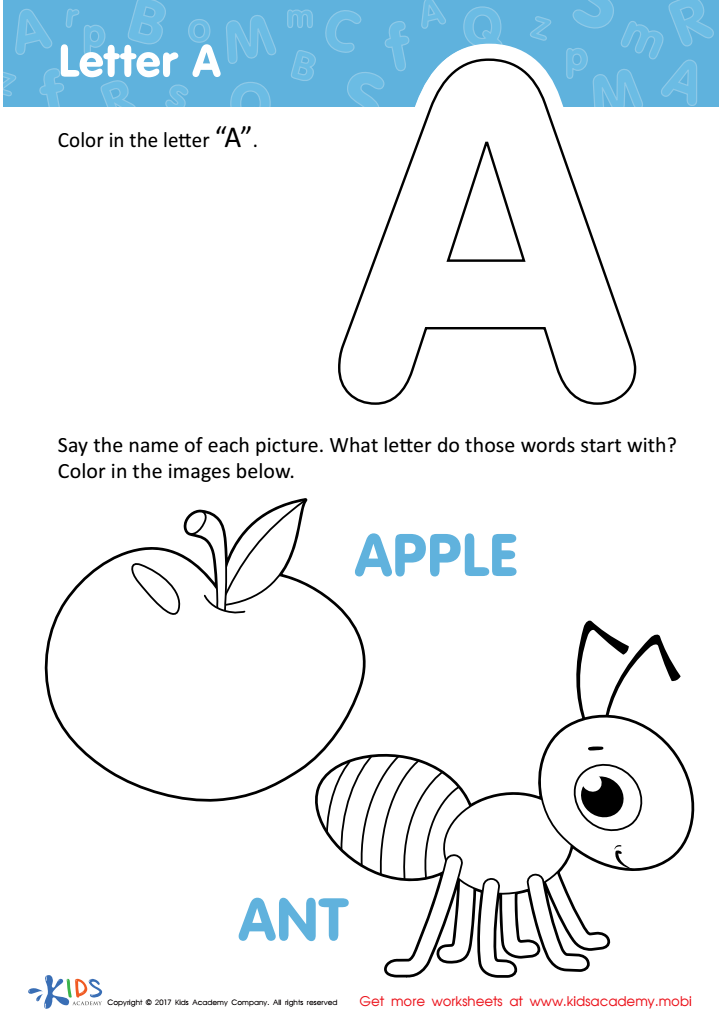
Letter A Coloring Sheet
Assign to My Students
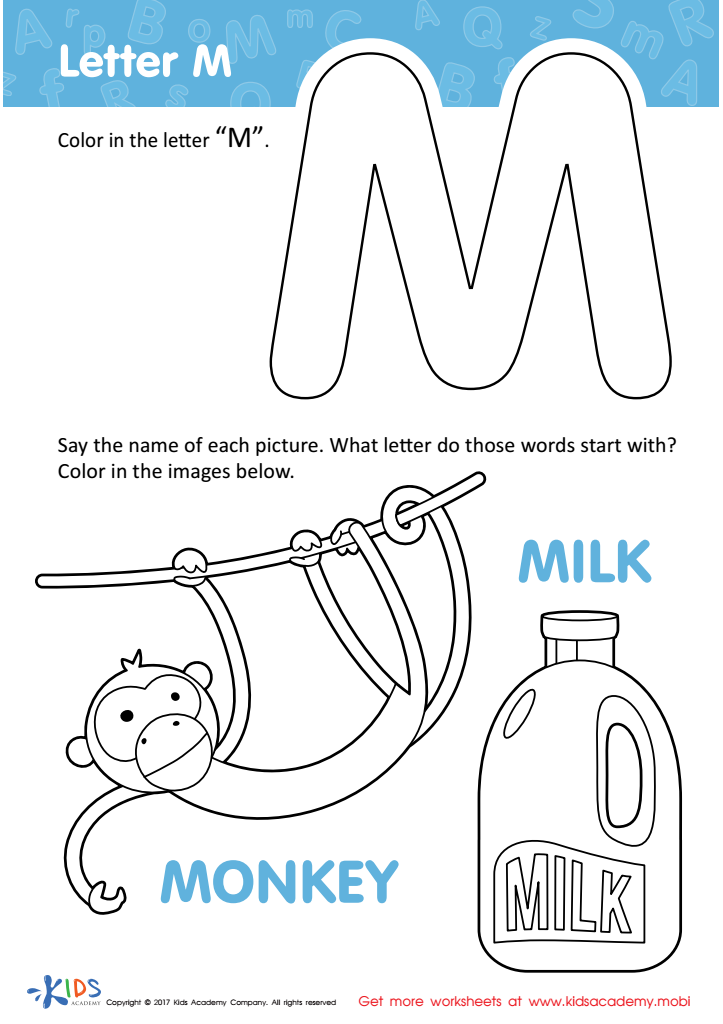
Letter M Coloring Sheet
Assign to My Students
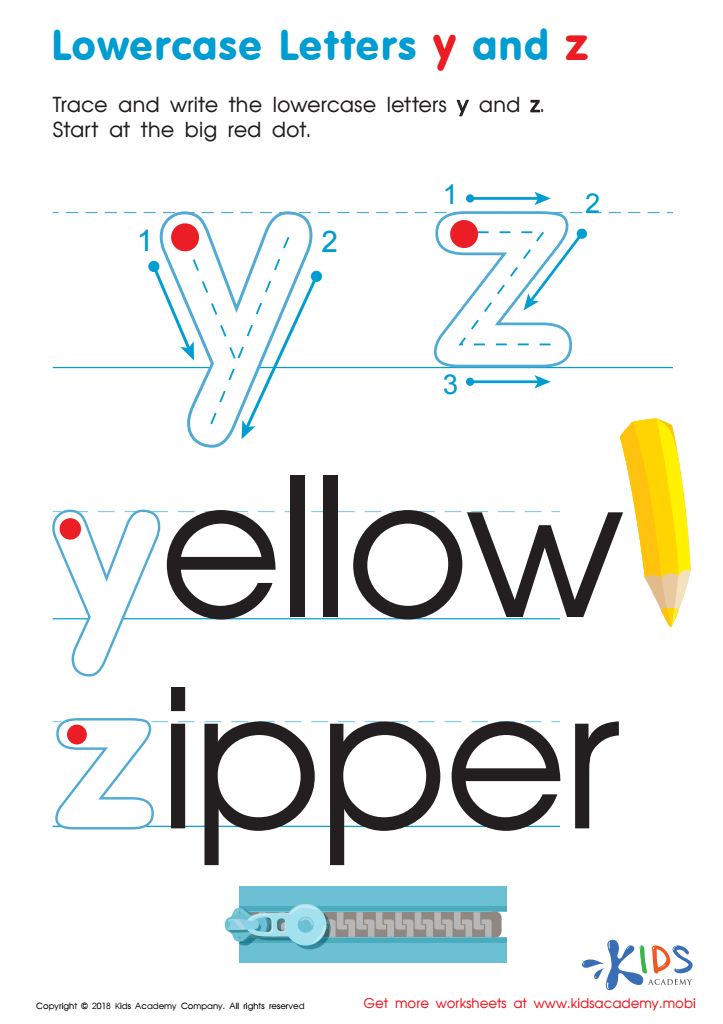
Lowercase Letters y z Worksheet
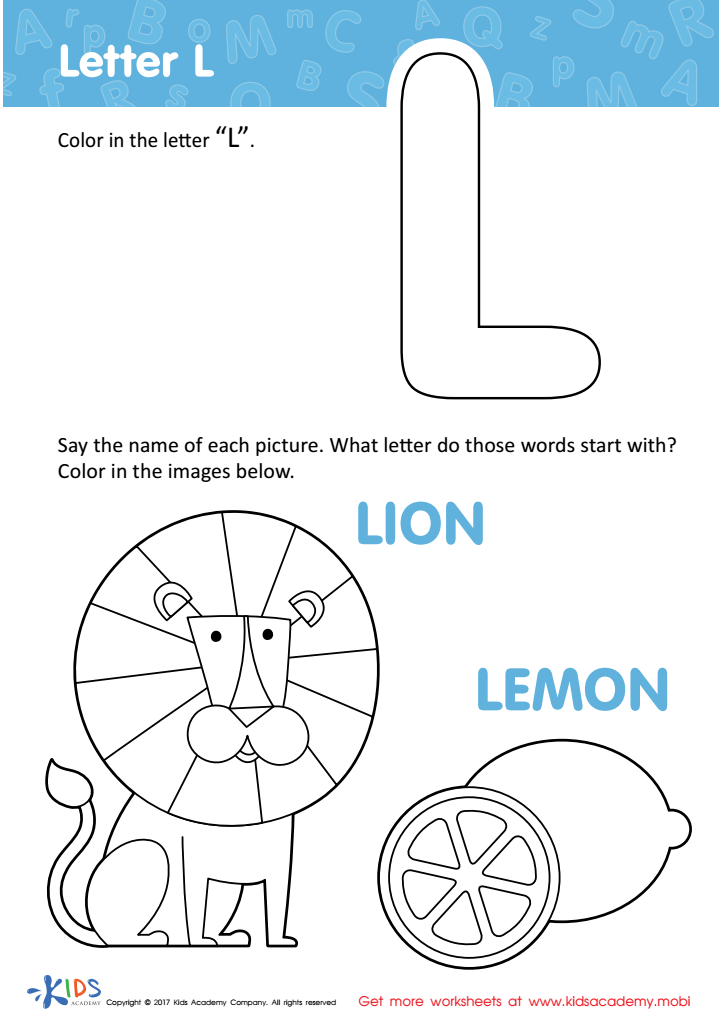
Letter L Coloring Sheet
Assign to My Students

Letter C Tracing Page
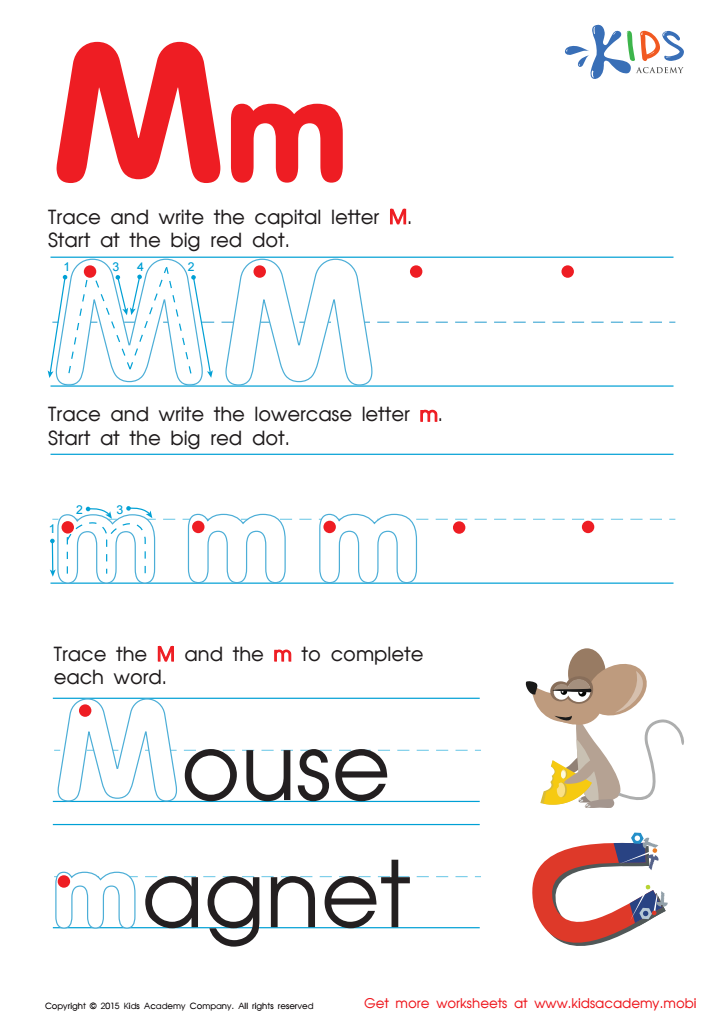
Letter M Tracing Page
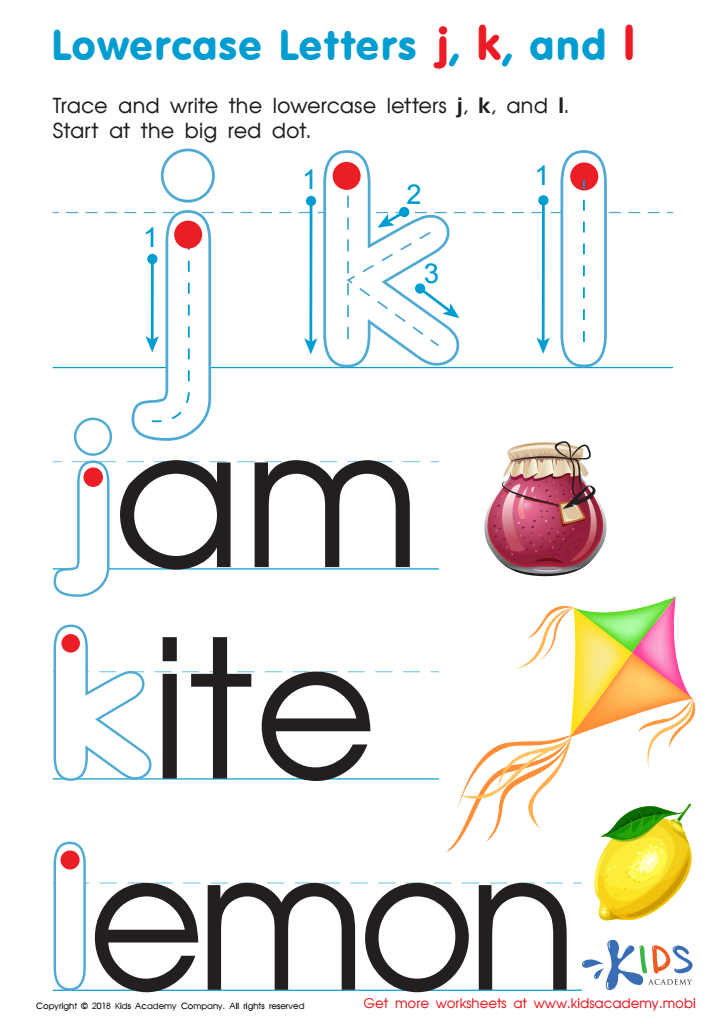
Lowercase Letters j k l Worksheet
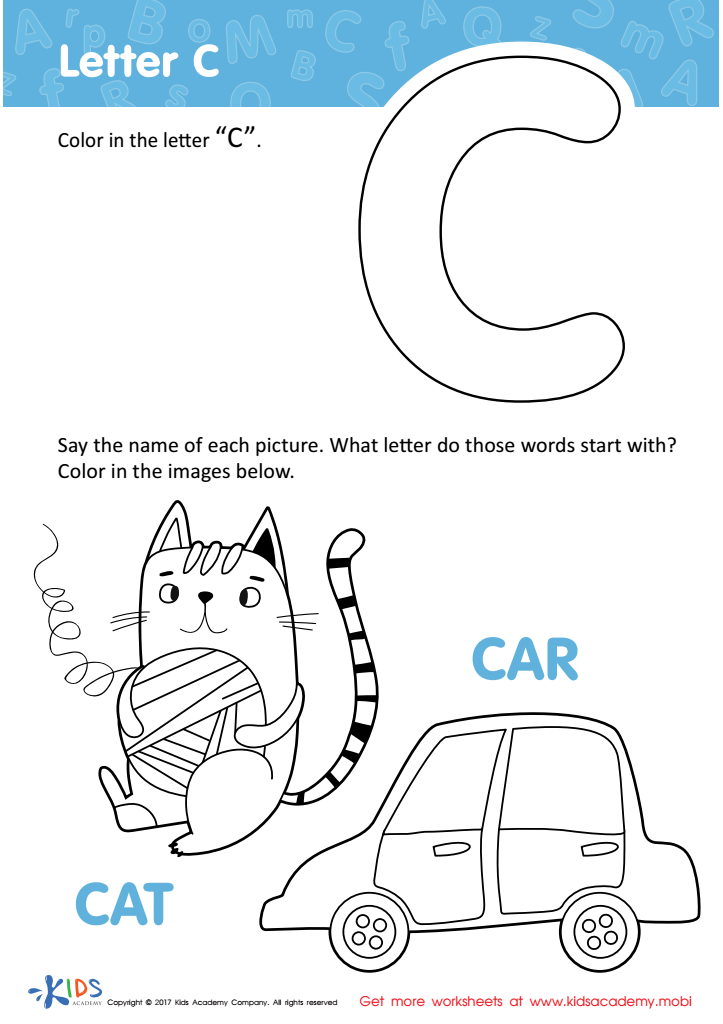
Letter C Coloring Sheet
Assign to My Students
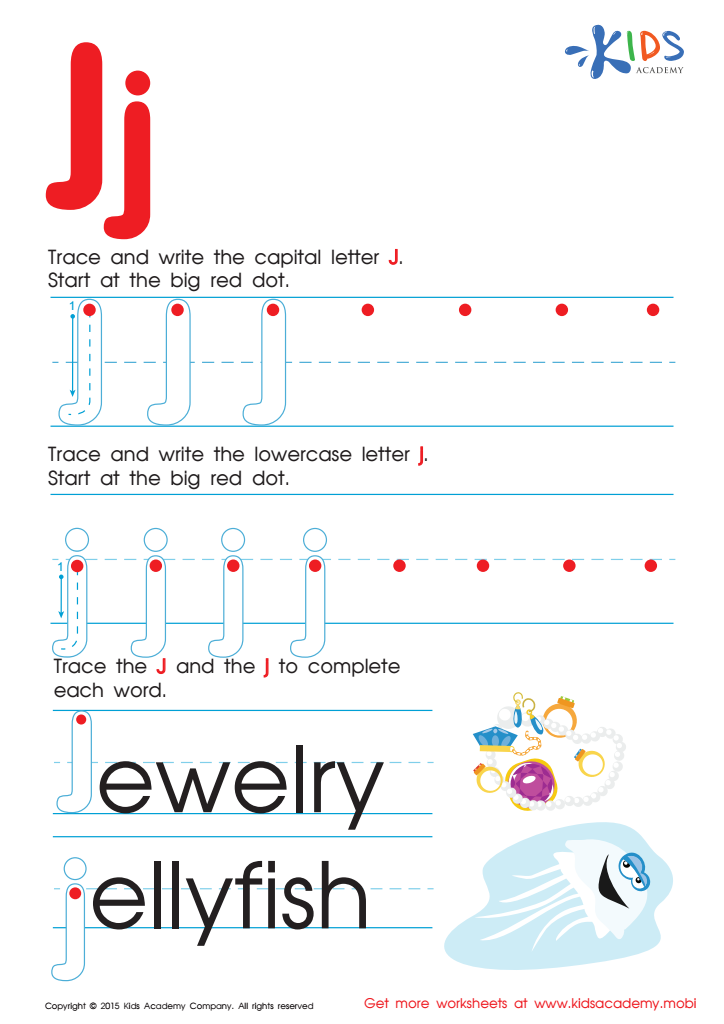
Letter J Tracing Page
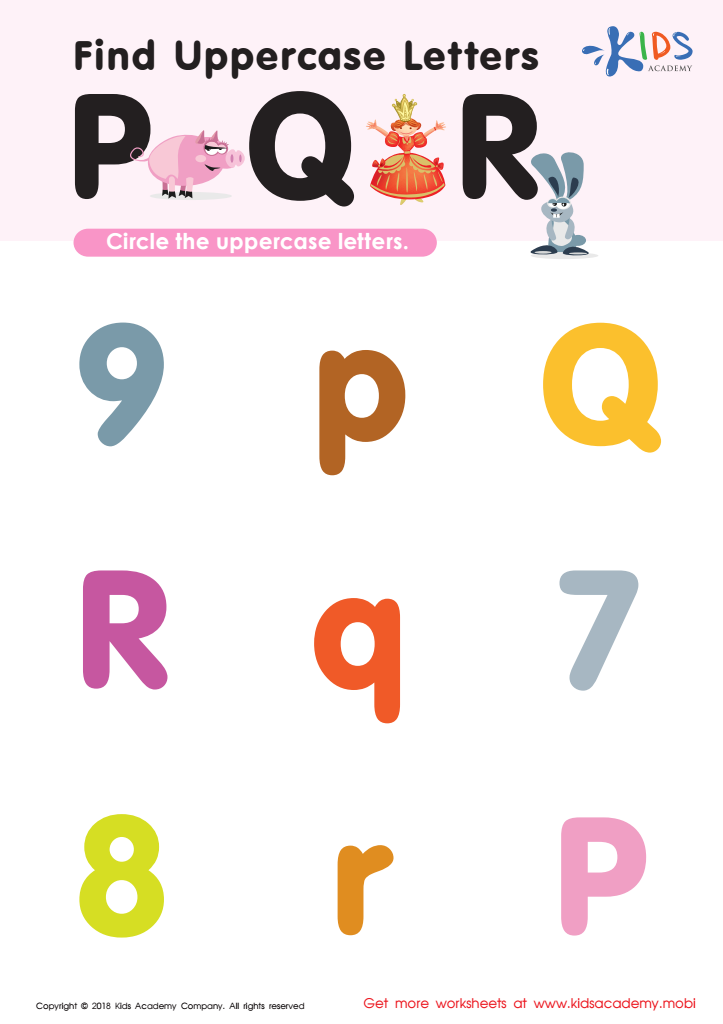
Find Uppercase Letters P, Q, and R Worksheet
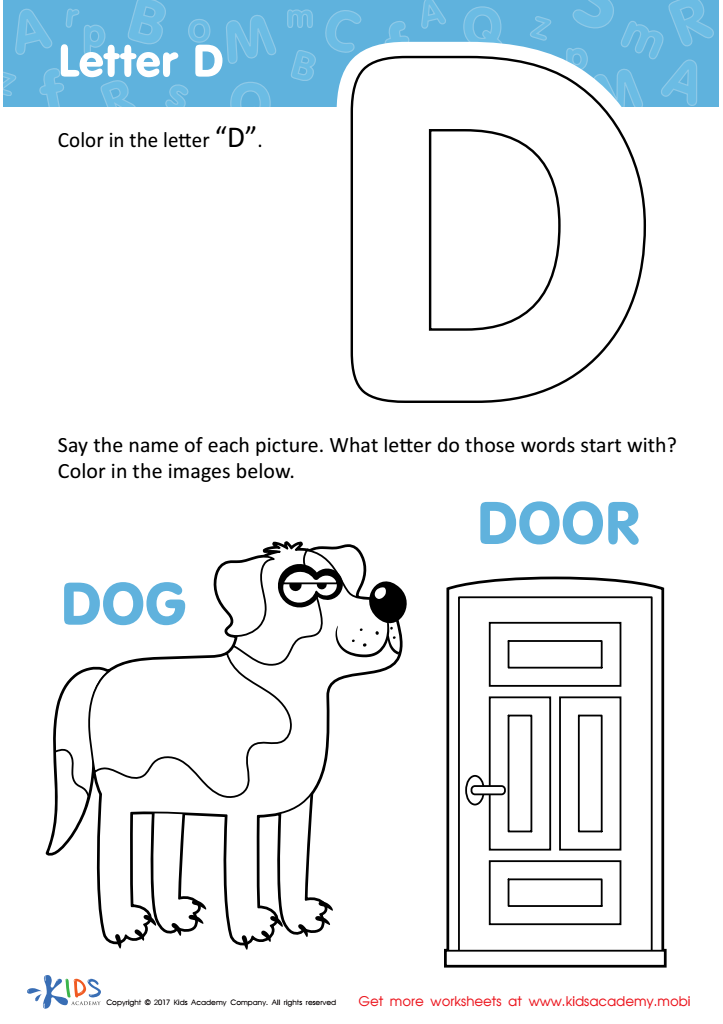
Letter D Coloring Sheet
Assign to My Students
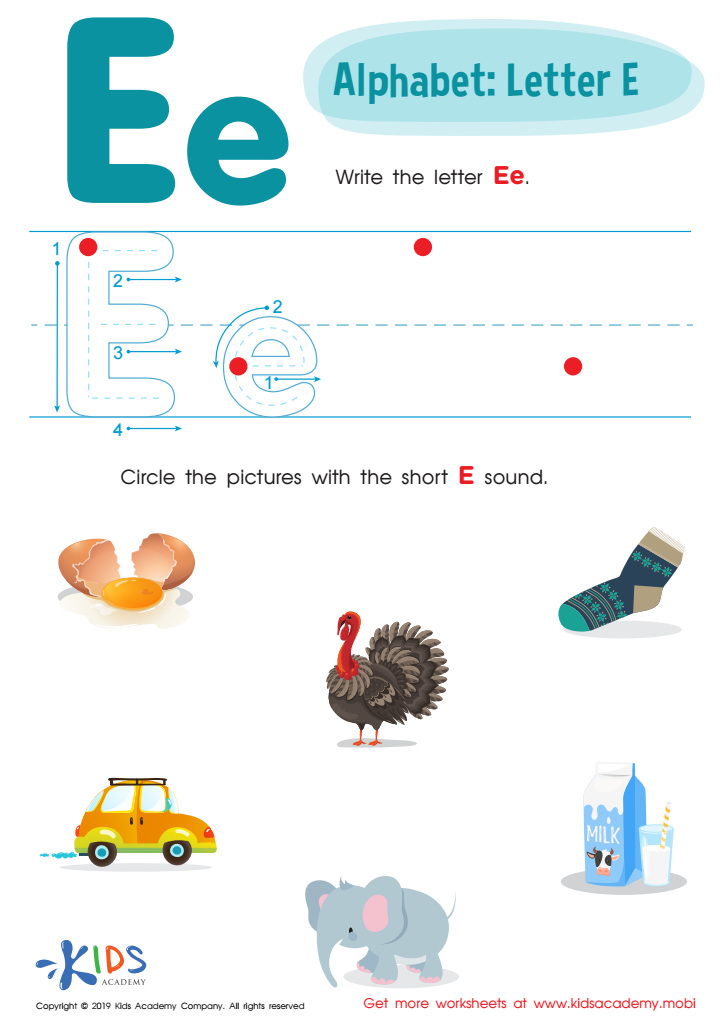
Letter E Tracing Worksheet
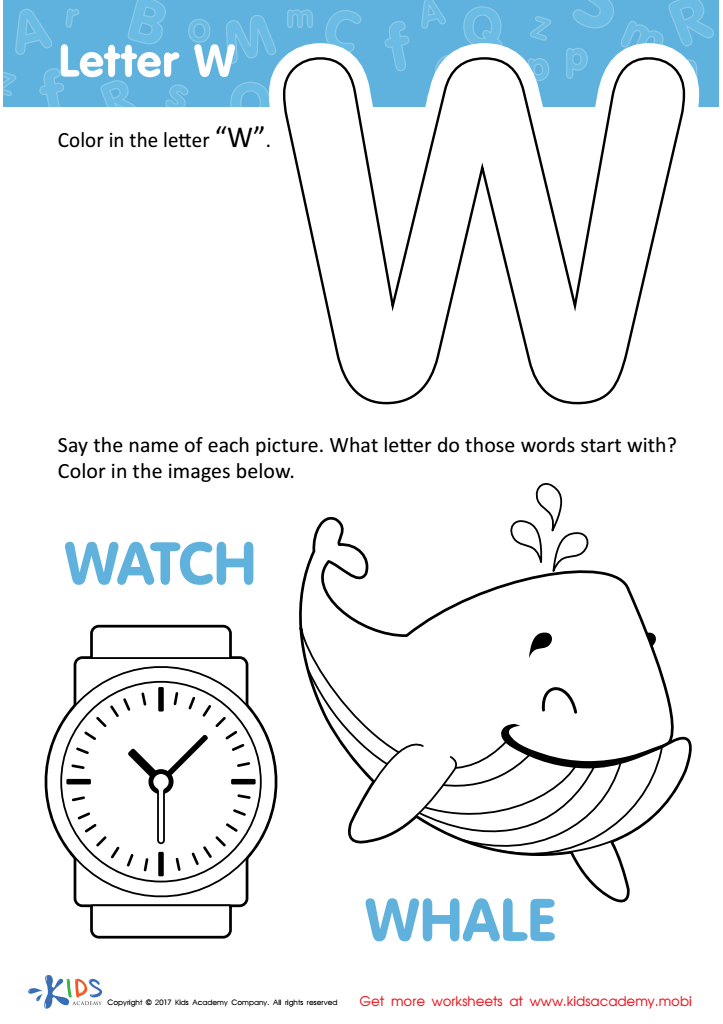
Letter W Coloring Sheet
Assign to My Students
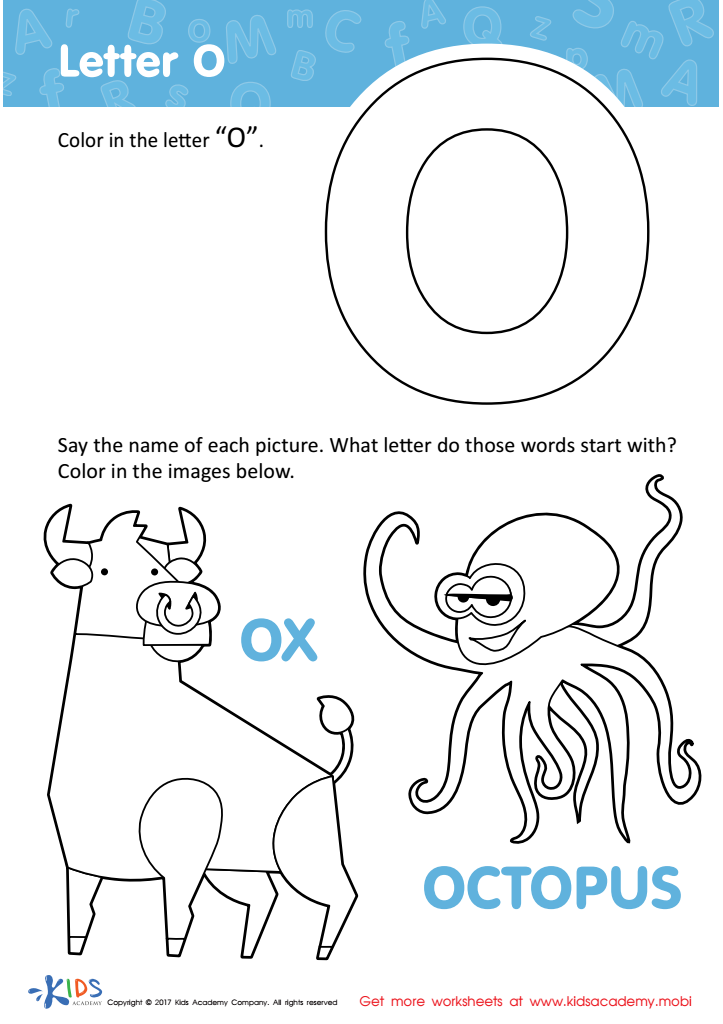
Letter O Coloring Sheet
Assign to My Students
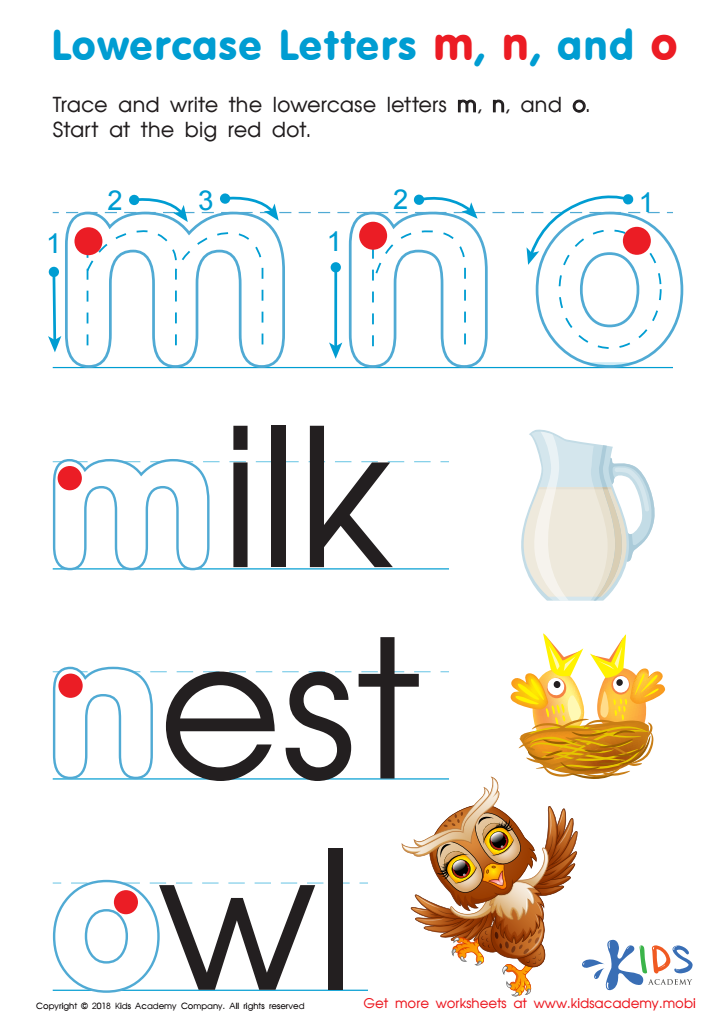
Lowercase Letters m n o Worksheet
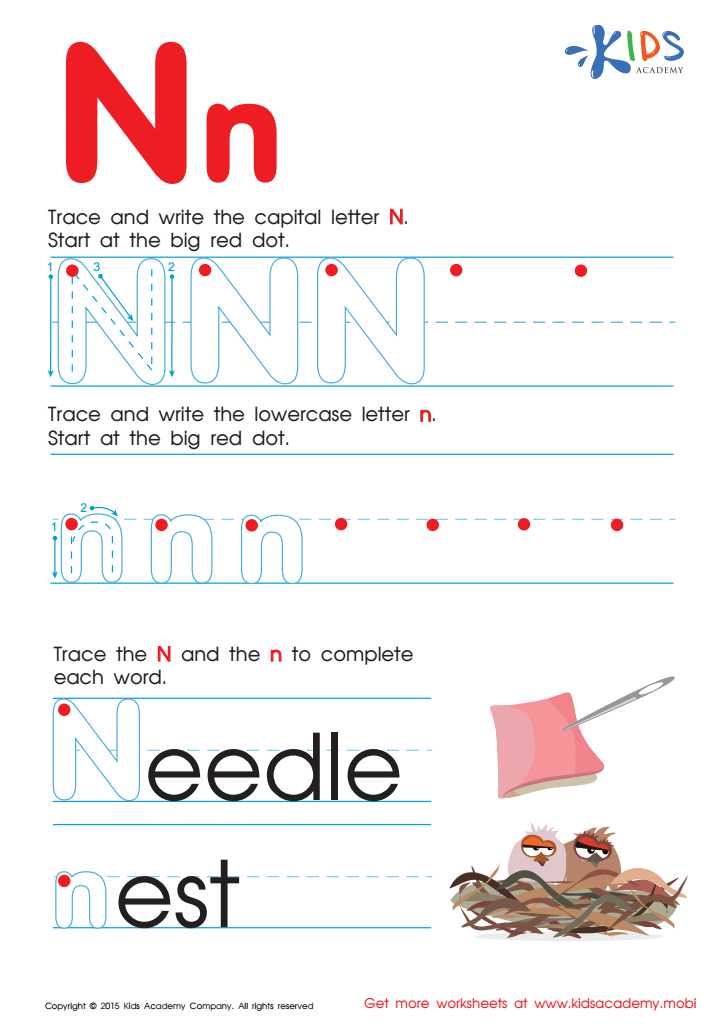
Letter N Tracing Page

Letter B Tracing Page
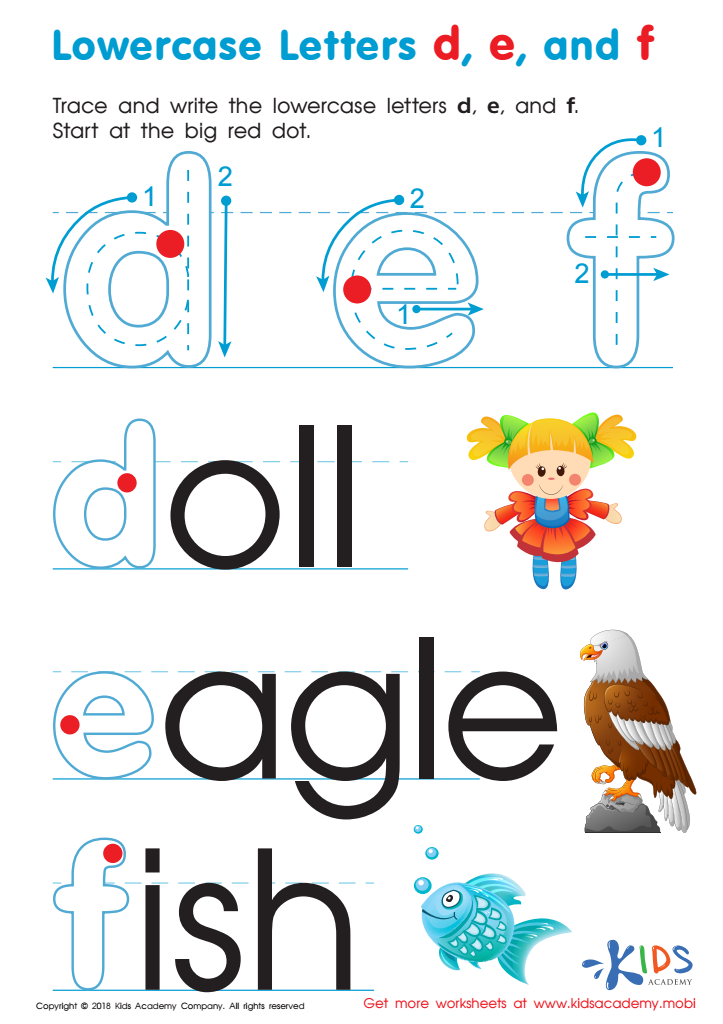
Lowercase Letters d e f Worksheet
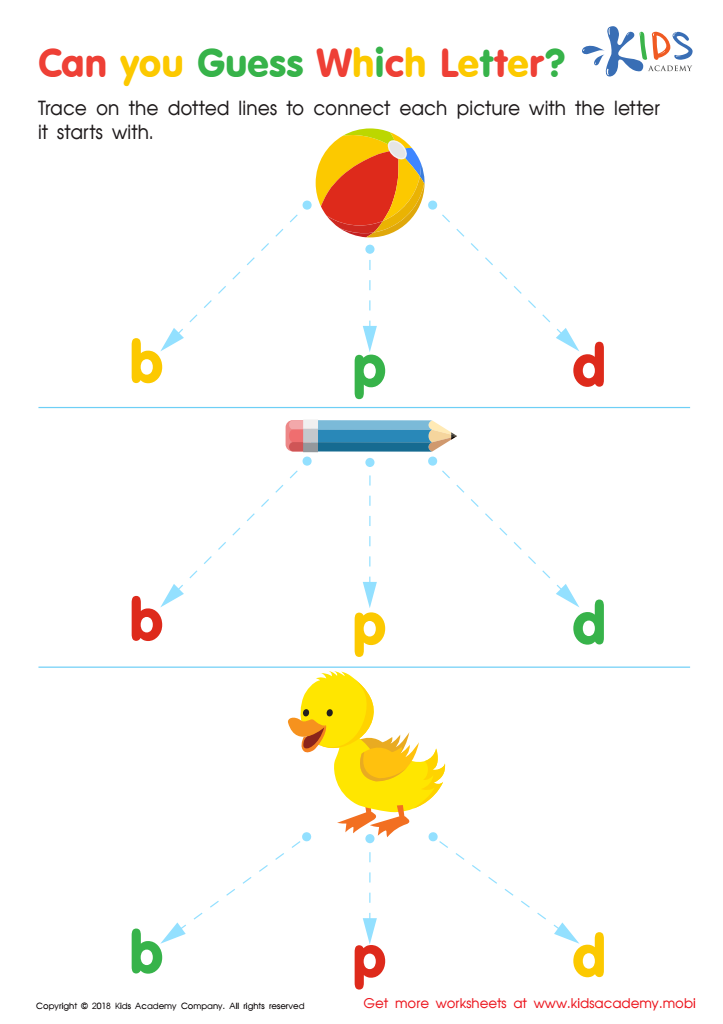
Can you Guess Which Letter? Worksheet

Letter E Tracing Page
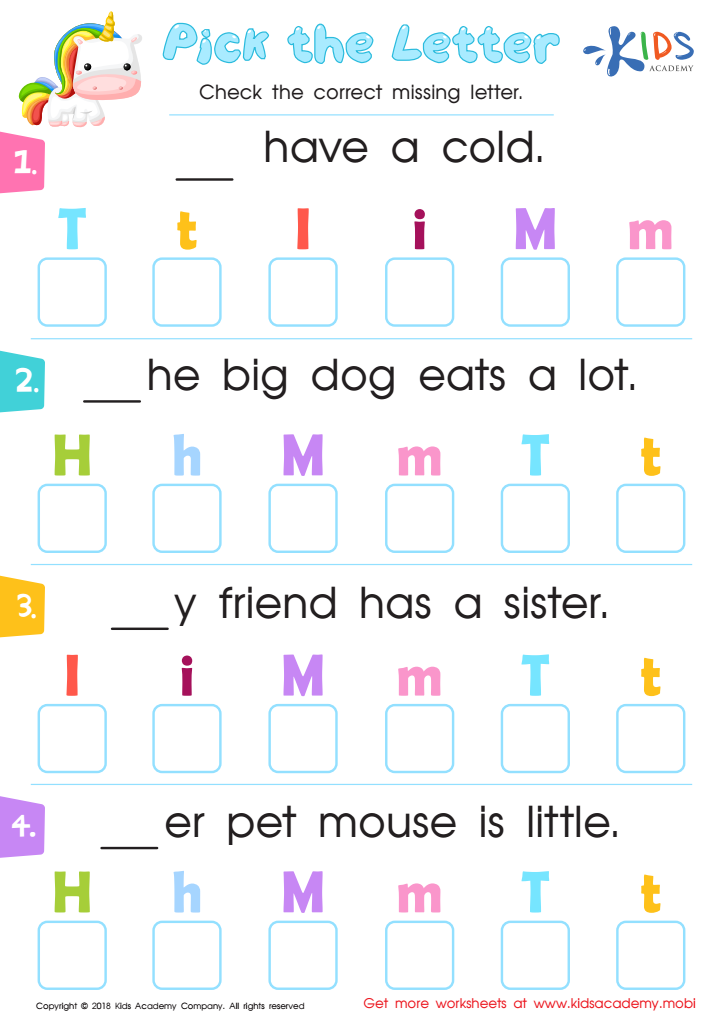
Pick the Letter Worksheet








Alphabet recognition and normal letter recognition are crucial foundational skills for children aged 3-7, as they directly impact literacy development and future academic success. During these formative years, children begin to comprehend the relationship between letters and sounds, preparing them for reading and writing. Recognizing letters helps children identify words, enhancing their vocabulary and comprehension skills.
Parents and teachers should prioritize these skills because they lay the groundwork for effective communication and learning. Mastery of the alphabet allows children to decode words, which is essential for reading fluency and academic growth. Early exposure to letters through playful activities, such as games and songs, can foster a love for language and encourage lifelong learning.
Moreover, recognizing letters boosts children’s confidence in their abilities. When children successfully identify letters, they are motivated to engage with books, participate in classroom activities, and express themselves through writing. This confidence cultivates a positive attitude towards learning and education.
By ensuring that children achieve proficiency in alphabet recognition and normal letter recognition during this critical age, parents and teachers can equip them with essential tools for success and a solid foundation for future literacy skills, benefiting their overall educational journey.








