Vowel Recognition Normal Long And Short Vowel Worksheets for Ages 3-7
4 filtered results
-
From - To
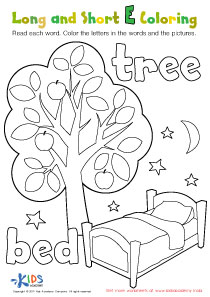
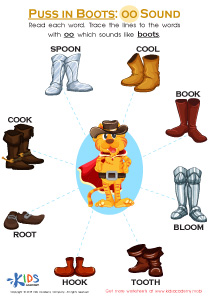
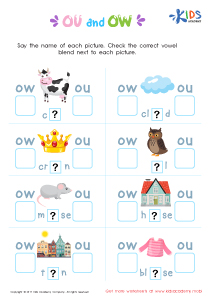
Explore our engaging "Vowel Recognition: Normal Long and Short Vowel Worksheets" designed for children aged 3-7! These interactive worksheets nurture early literacy skills by helping young learners distinguish between long and short vowel sounds in a fun and engaging way. With vibrant illustrations and diverse activities, children will enjoy identifying vowels, completing words, and enhancing their phonemic awareness. Perfect for classroom use or at-home practice, these worksheets encourage independent learning and boost confidence in reading. Get ready to embark on an exciting journey of vowel recognition that fosters a love for literacy in your little ones!
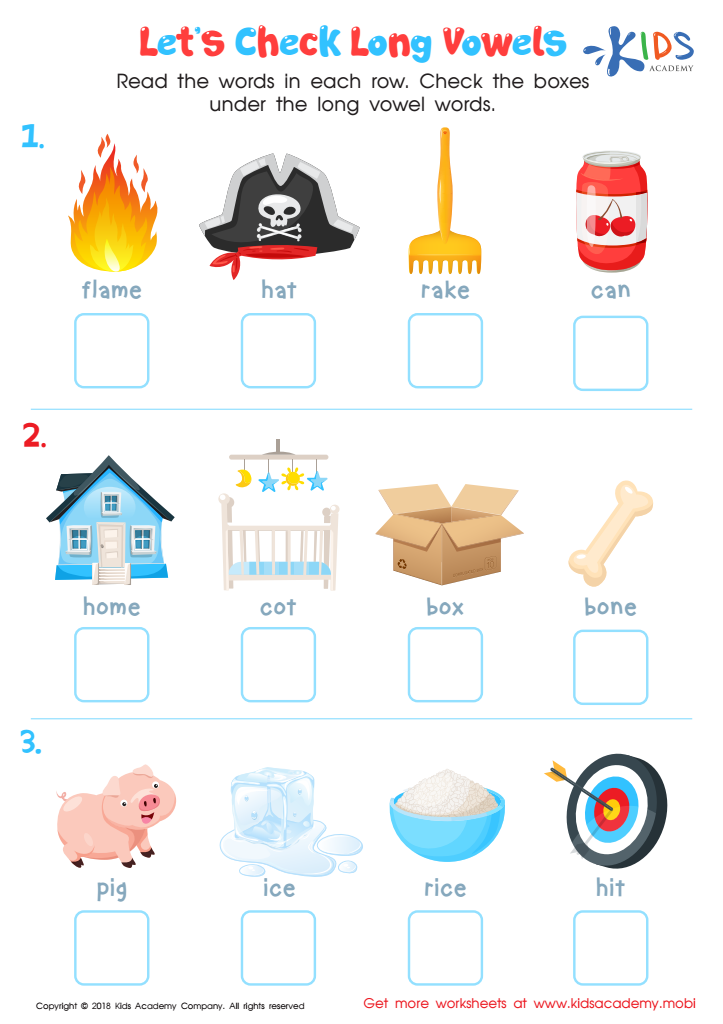
Let's Check Long Vowels: Assessment Worksheet
 Assign to My Students
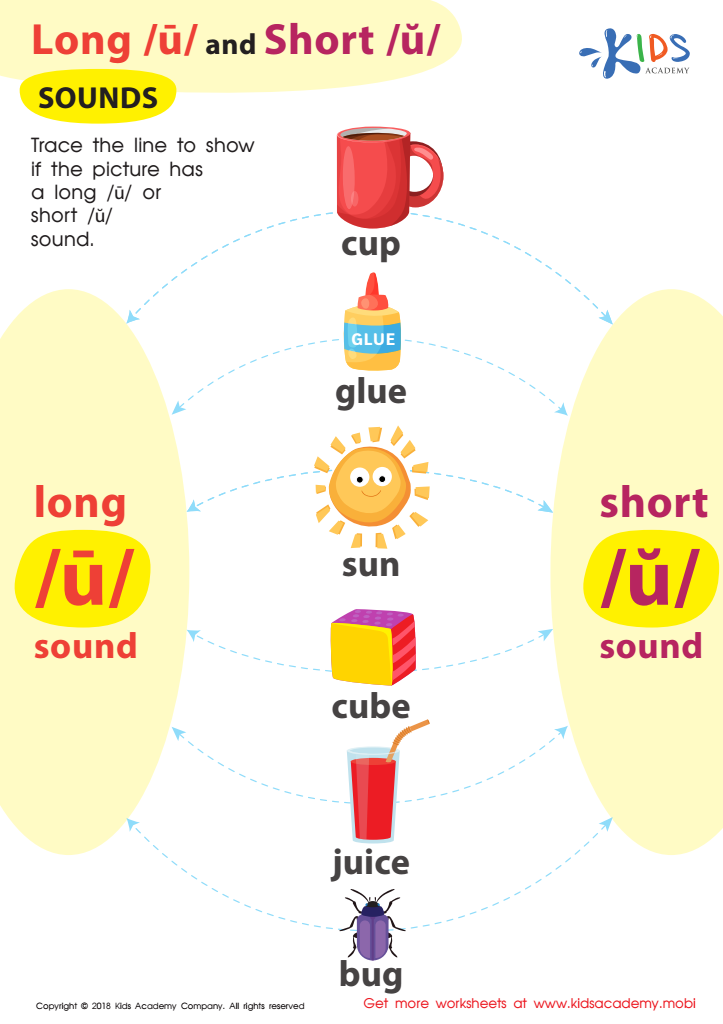
Reading: Long U and Short U Sounds Worksheet
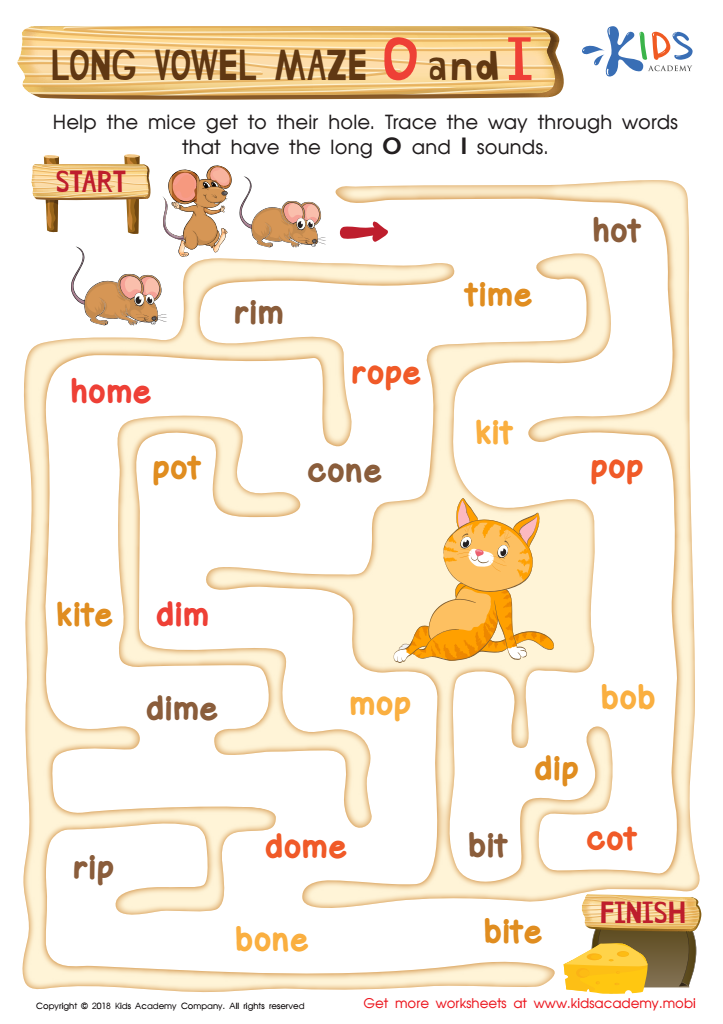
Long Vowel Maze /o/ and /i/ Worksheet
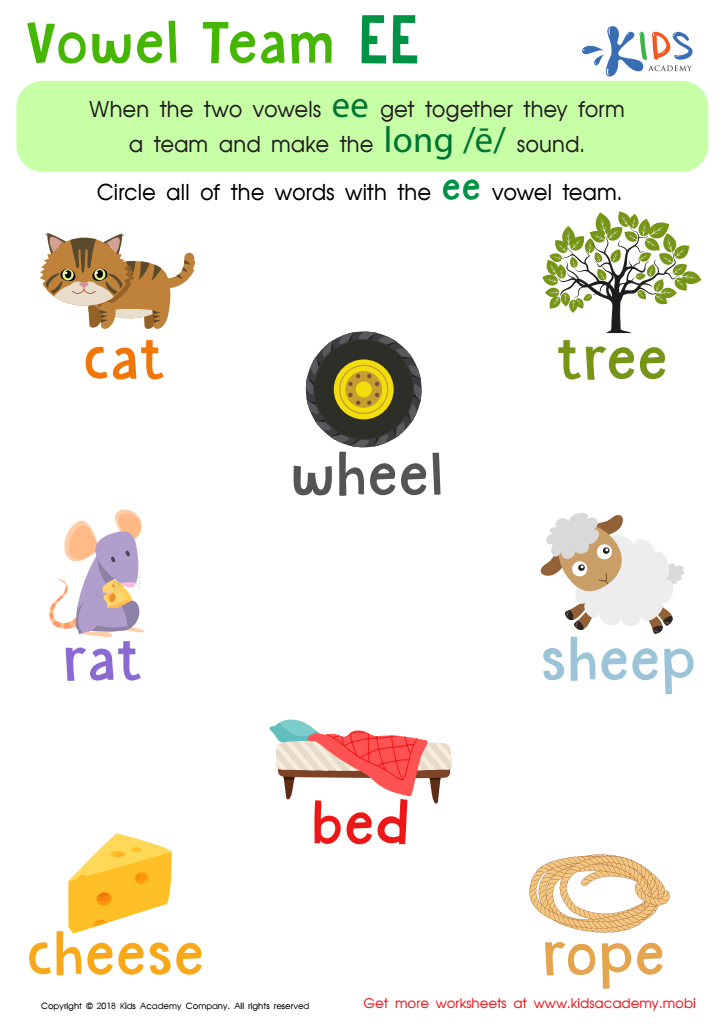
Reading: Vowel Team EE Worksheet




Vowel recognition, particularly distinguishing between long and short vowels, is fundamental for children aged 3-7 as they develop literacy skills. Vowels play a critical role in the English language, affecting word meaning and pronunciation, which are essential elements of early reading and writing.
Understanding vowel sounds helps children decode words, enhancing their ability to read fluently. For instance, recognizing that 'cat' (short vowel) and 'cake' (long vowel) represent different words assists with comprehension and vocabulary acquisition. Additionally, this knowledge is foundational for spelling; children who grasp vowel differentiation are better equipped to spell correctly, leading to improved writing skills.
Moreover, engaging with vowel recognition at home and in the classroom fosters phonemic awareness, a key predictor of reading success. Activities that strengthen these skills can also build confidence in young learners, making them more enthusiastic about reading.
Given that literacy skills significantly influence academic achievement and lifelong learning, parents and teachers should prioritize vowel recognition. By cultivating a solid understanding of long and short vowels, we lay the groundwork for effective communication and critical thinking, skills that are invaluable in a child's academic journey and beyond.