Hand-eye Coordination Normal Phonics Worksheets for Ages 3-7
5 filtered results
-
From - To
Enhance your child's learning experience with our Hand-eye Coordination Normal Phonics Worksheets, specially designed for ages 3-7. These engaging worksheets combine developing essential phonics skills with fun activities that improve hand-eye coordination. Each printable resource encourages children to pinpoint letters, connect images with sounds, and build letter recognition in an interactive way. Our worksheets are ideal for early elementary classrooms or at-home learning, fostering both literacy and motor skills. Watch your child grow smarter and more confident as they navigate through a world of phonics with our thoughtfully crafted exercises. Perfect for parents and teachers alike!
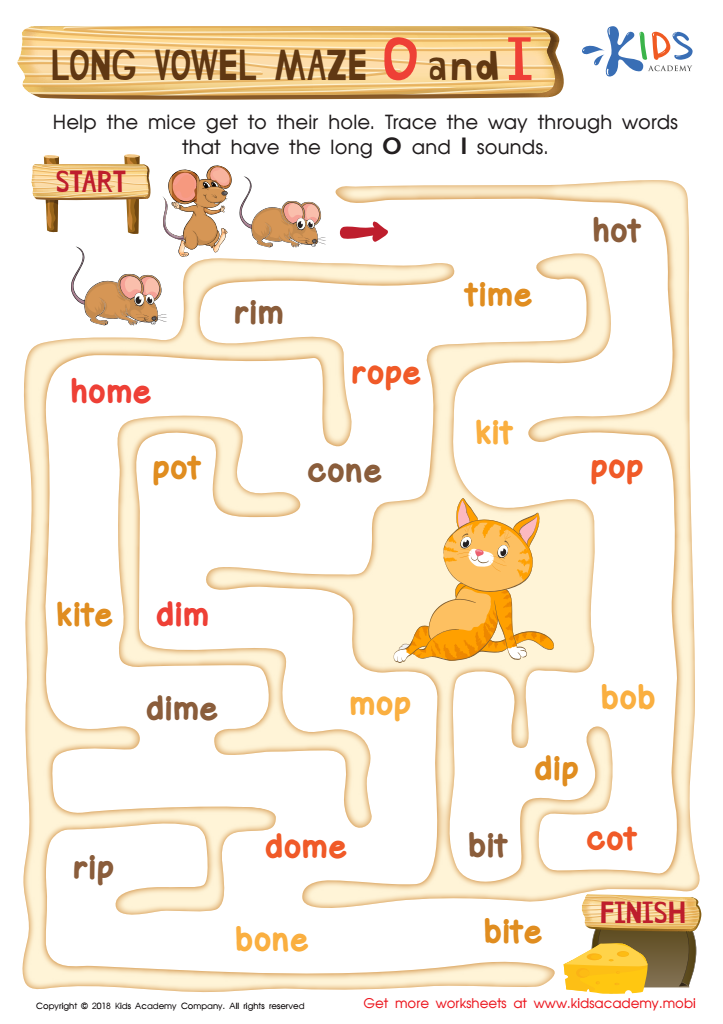
Long Vowel Maze /o/ and /i/ Worksheet
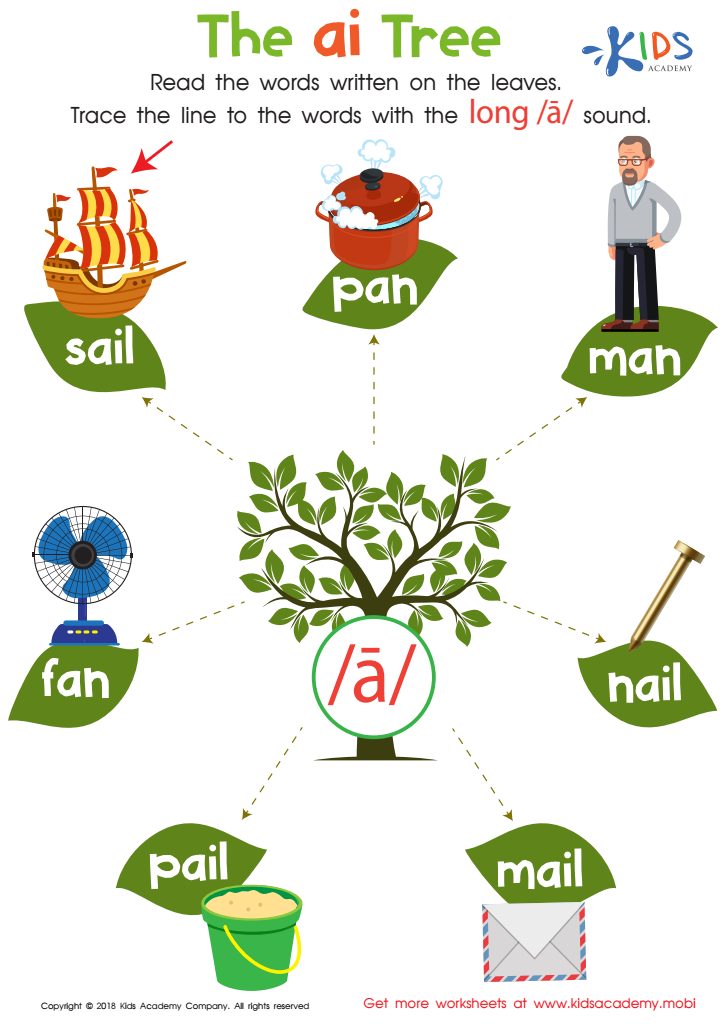
The AI Tree Worksheet

Long and Short U Worksheet
 Assign to My Students
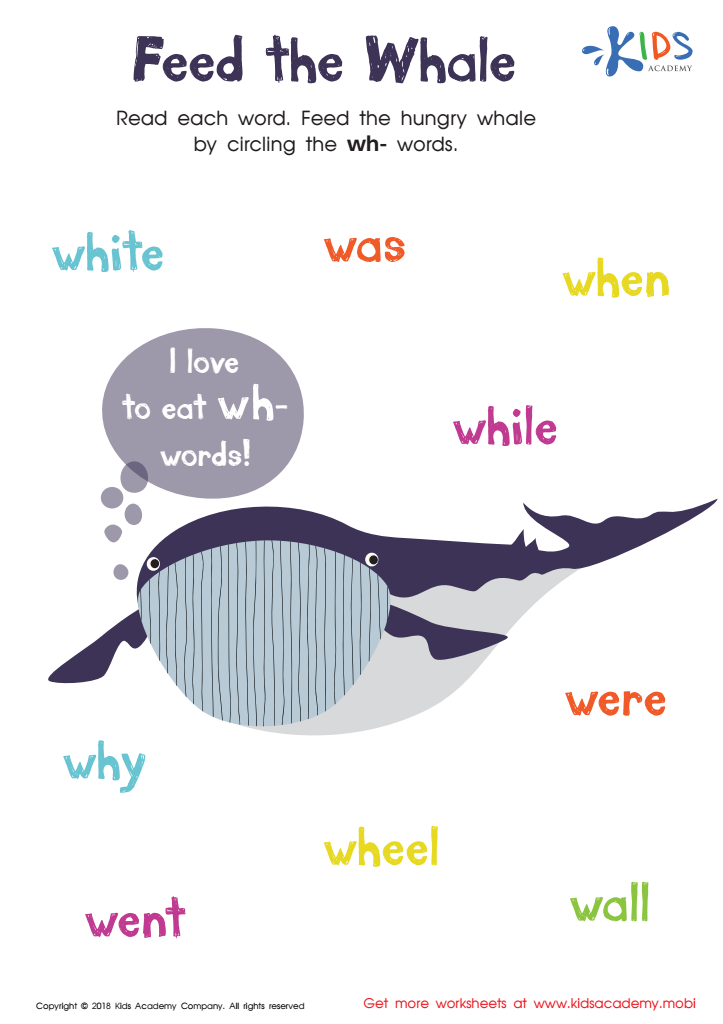
Feed the Whale Worksheet
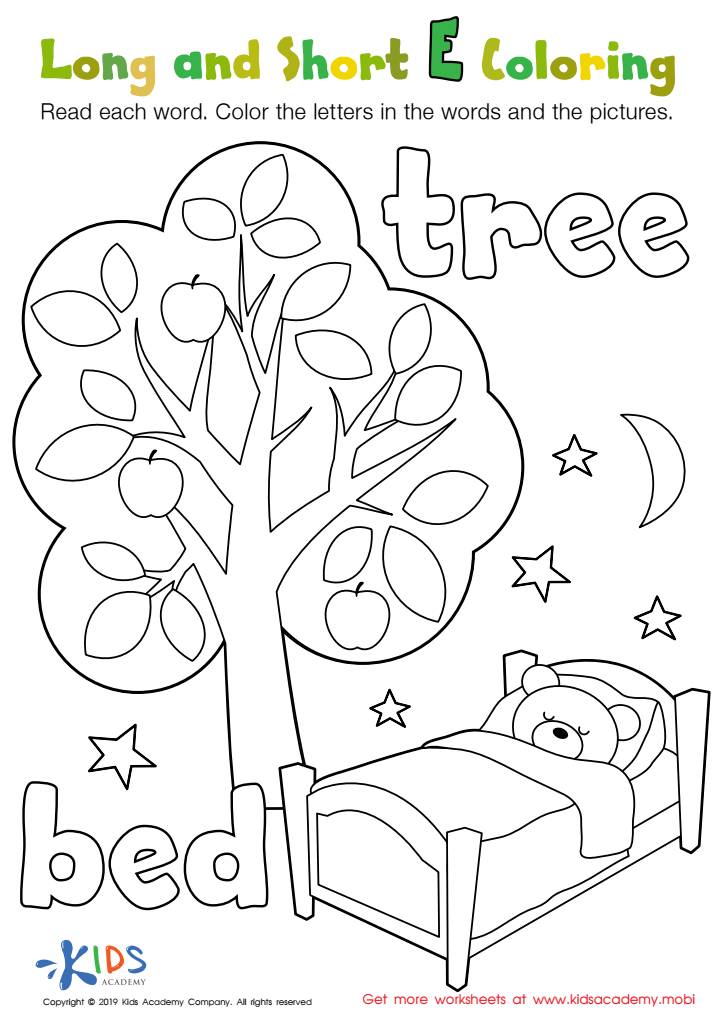
Long and Short E Worksheet
Assign to My Students








Hand-eye coordination is a crucial developmental skill for young children that significantly impacts their ability to engage in various activities, including learning phonics. For parents and teachers of children aged 3-7, fostering this coordination contributes to successful phonics learning, as it directly influences a child's ability to hold a pencil, form letters, and eventually write words.
When hand-eye coordination is developed, children can more easily engage in activities that promote sound-letter recognition, which is vital in phonics education. Activities like tracing letters, playing with manipulative toys, or cutting with scissors necessitate hand-eye coordination and mirror phonics tasks. By enhancing this skill, children build confidence and proficiency in these foundational literacy skills.
Furthermore, proficient hand-eye coordination aids in fine motor development, essential for later academic tasks. Parents and teachers invest time in these activities, enhancing children's engagement and enjoyment of learning. Through playful and purposeful activities that stimulate hand-eye coordination, children not only improve their phonics skills but also lay the groundwork for a lifetime of effective learning and communication.
Incorporating practices that enhance hand-eye coordination validates children's unique learning journeys while instilling a sense of achievement early on.







