Phonics development Normal Phonics Worksheets for Ages 3-7
3 filtered results
-
From - To
Unlock the power of reading with our "Phonics Development Normal Phonics Worksheets for Ages 3-7." Perfect for young learners, these worksheets are designed to strengthen essential phonics skills through fun, engaging activities. Children will embark on an exciting journey with captivating exercises that build foundational reading abilities, enhancing their recognition of letter sounds and blending techniques. Our carefully crafted materials nurture a love for learning while providing targeted practice in a playful manner. Ideal for parents and educators, these worksheets support seamless literacy growth, setting the stage for confident reading skills in your child’s early education years. Explore today for brighter futures tomorrow!
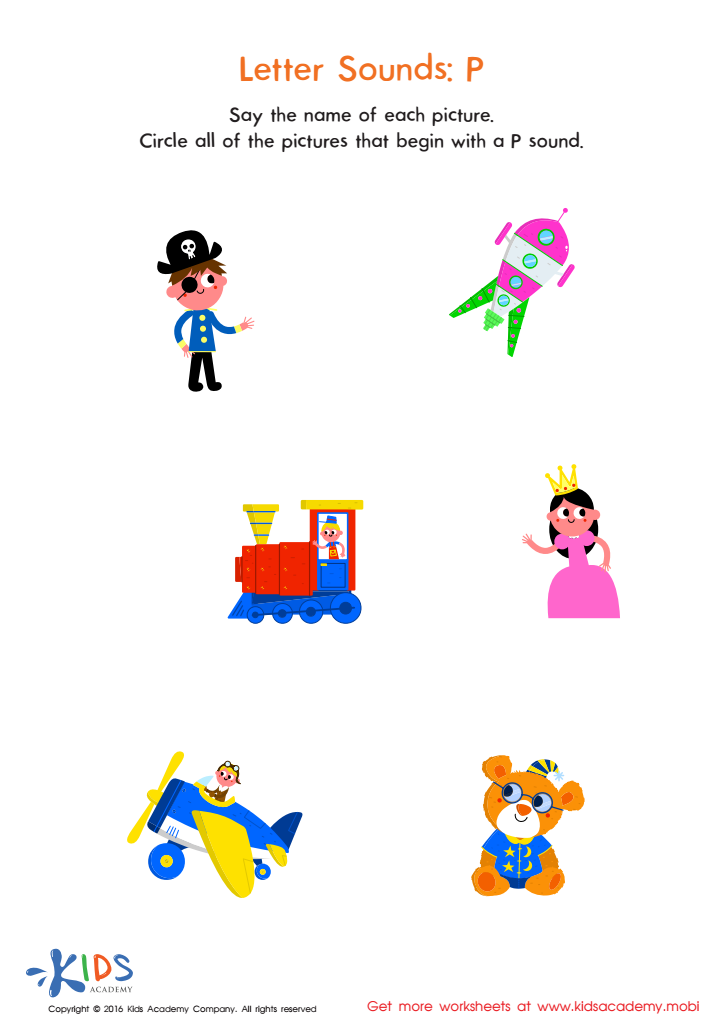
Letter P Sound Worksheet
 Assign to My Students
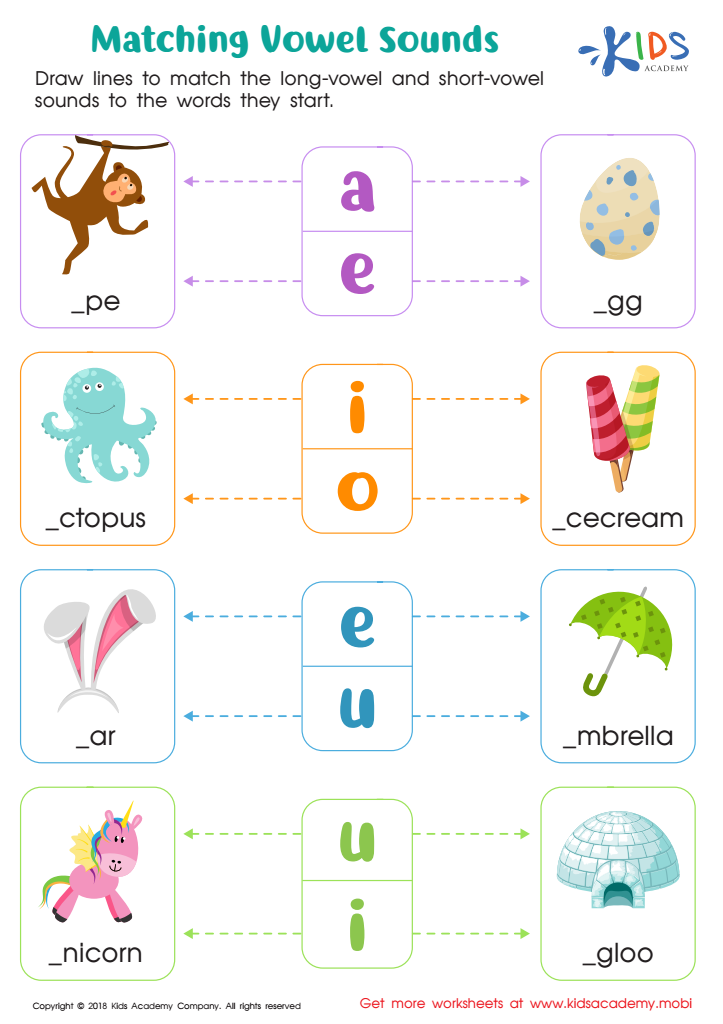
Matching Vowel Sounds Worksheet
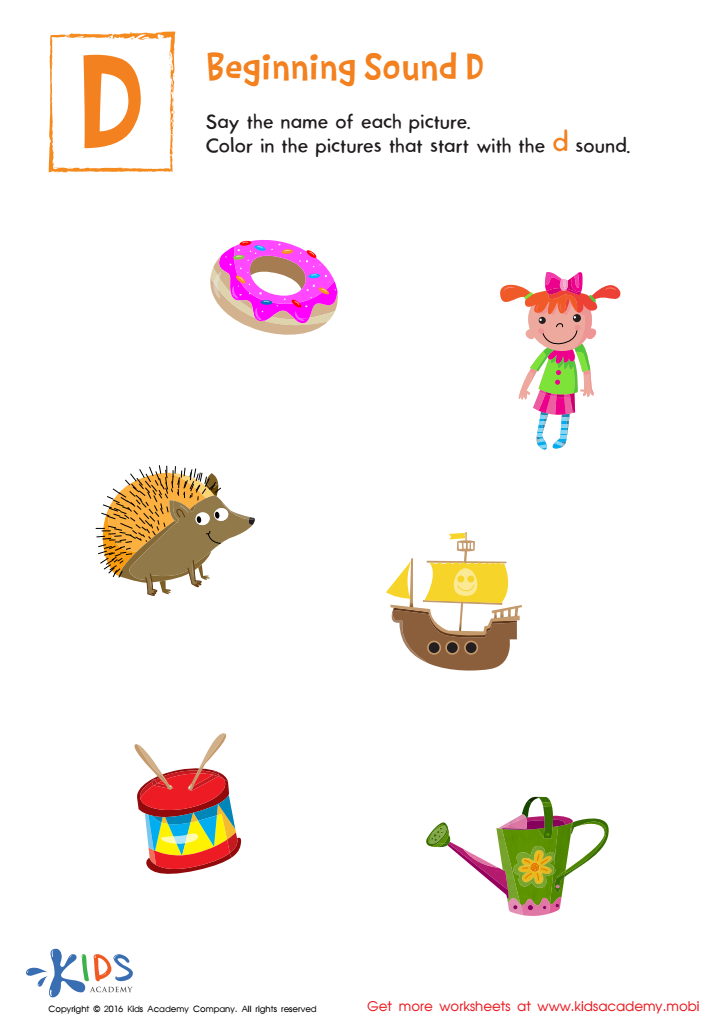
Beginning Sound D Worksheet








Phonics development is crucial for children aged 3-7 because it lays the foundation for reading and literacy, essential skills for future academic and life success. Phonics involves teaching children the relationship between sounds and their corresponding letters or groups of letters. This understanding helps children decode new words, enhancing their ability to read independently and with confidence.
For parents and teachers, fostering phonics development ensures that children can effectively navigate the complexities of the English language. Early proficiency in phonics leads to better reading fluency, comprehension, and a richer vocabulary, all of which are vital for academic achievement across various subjects. A strong grasp of phonics has been linked to improved spelling and writing skills as well.
Children who struggle with phonics may become frustrated and develop negative attitudes towards reading, hindering their educational progress. Early intervention and consistent practice in phonics can prevent reading difficulties and build a positive association with learning.
Moreover, literacy skills have extensive, long-term benefits, including better educational outcomes, higher employability, and greater civic engagement. Investing time and effort in phonics development from ages 3-7 prepares children for a lifetime of learning, equipping them with essential tools needed to explore, understand, and engage with the world around them.







