Handwriting improvement Normal Tracing Letters Worksheets for Ages 3-7
4 filtered results
-
From - To
Unlock your child's potential with our "Handwriting Improvement Normal Tracing Letters Worksheets for Ages 3-7". Designed specifically for young learners, these engaging worksheets offer a fun and interactive way to help children develop fine motor skills and improve their handwriting. Our expertly crafted activities guide children through the basics of letter formation, ensuring they receive a strong foundation in writing. Perfect for parents and teachers alike, these printable worksheets provide an excellent resource to support your child's educational journey. Nurture confidence and precision in every stroke with our comprehensive tracing letters worksheets today!
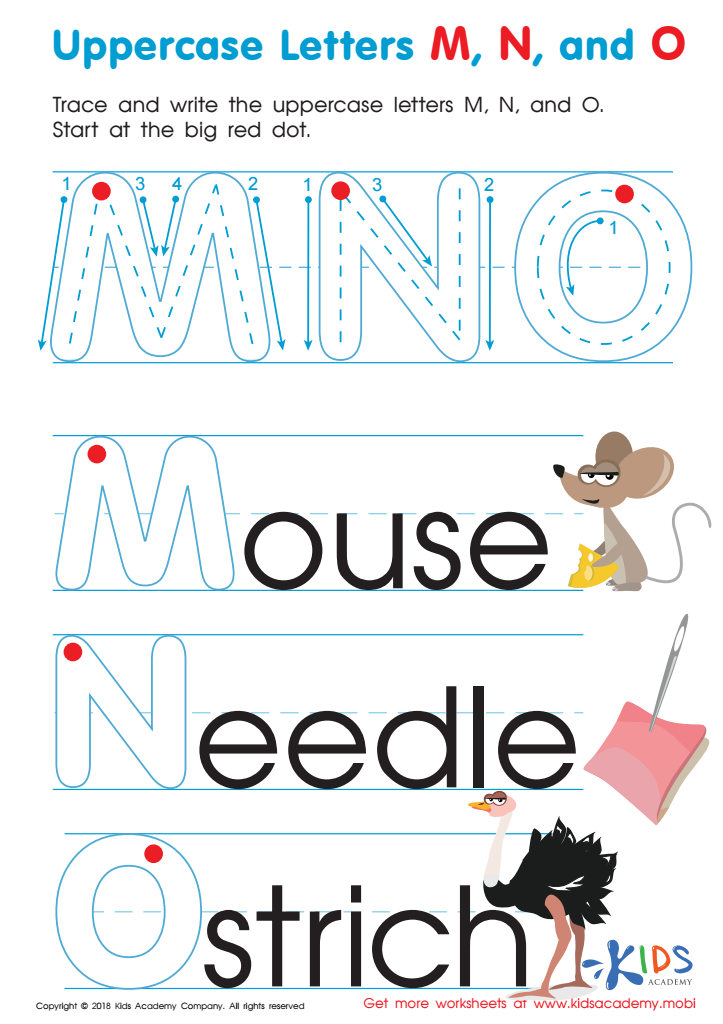
Uppercase Letters M, N, and O Worksheet
 Assign to My Students
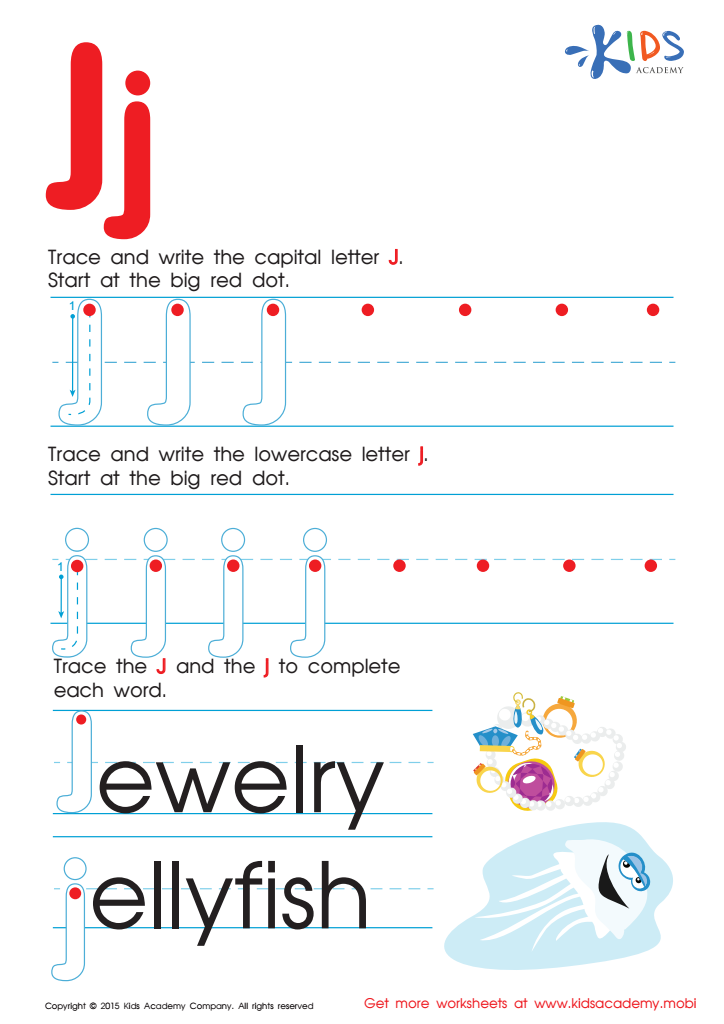
Letter J Tracing Page
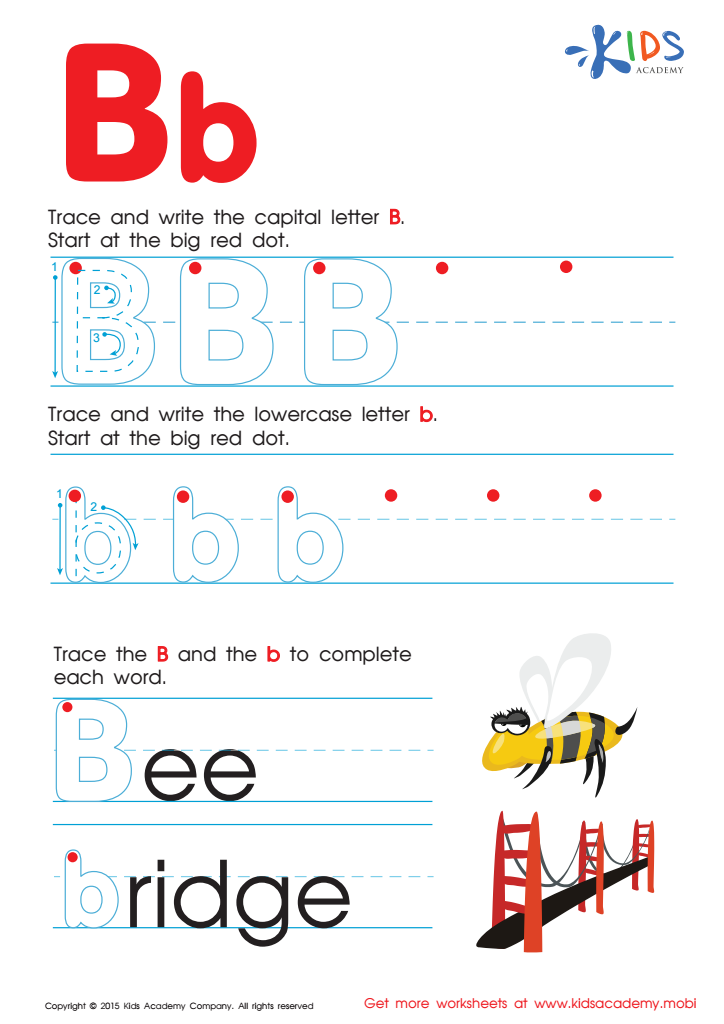
Letter B Tracing Page
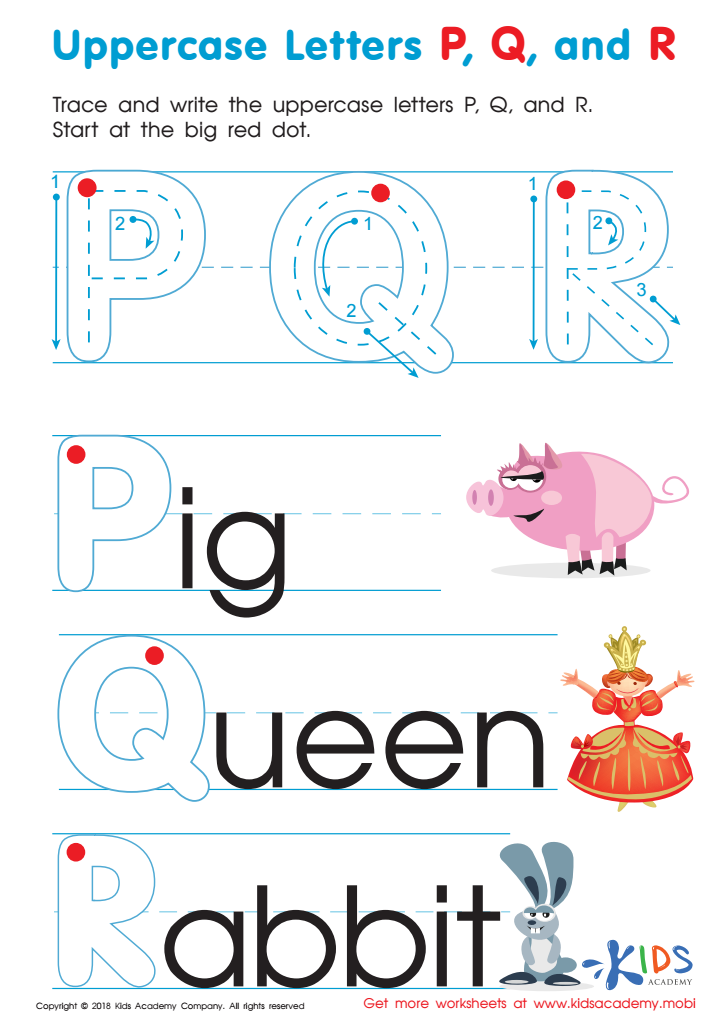
Uppercase Letters P, Q, and R Worksheet








Parents and teachers should prioritize handwriting improvement and normal tracing letters for children aged 3-7 because it lays the foundation for essential skills crucial for their future academic and personal development. During these formative years, young minds are highly receptive to learning new motor skills, and proper handwriting practice enhances fine motor control, eye-hand coordination, and muscle memory.
First, handwriting practice aids in cognitive development by engaging multiple areas of the brain responsible for thinking, memory, and language. This activity strengthens neural connections and improves focus, comprehension, and retention. Children who practice handwriting may also exhibit improved reading skills as learning to form letters aids in recognizing them in print, fostering literacy from an early age.
Second, clear and legible handwriting is a fundamental communication tool. As children progress through school, they will need to write notes, complete assignments, and convey their ideas effectively. Better handwriting ensures that their thoughts are understood and respected, which can significantly influence their self-confidence and academic success.
Lastly, handwriting exercises teach patience, attention to detail, and perseverance. These virtues help children tackle complex tasks and develop a growth mindset, emphasizing effort and improvement rather than immediate success.
In conclusion, investing time in handwriting improvement and tracing activities benefits young learners remarkably, setting the stage for academic achievement and personal growth.








