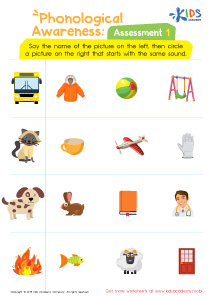
Vocabulary enhancement Normal Two Letter Phonics Worksheets for Ages 3-7
6 filtered results
-
From - To
Boost your child's vocabulary with our engaging "Vocabulary Enhancement Normal Two Letter Phonics Worksheets" designed for ages 3-7. These thoughtfully crafted worksheets will help children effortlessly learn and recognize essential two-letter sounds through fun and interactive activities. Ideal for early learners, each printable sheet fosters phonetic awareness, enhances word-building skills, and promotes confident reading. Accessible and easy to use, these worksheets make learning enjoyable, ensuring your little one builds a strong linguistic foundation. Watch your child progress quickly as they explore new words and sounds with our educational, parent-approved resources!
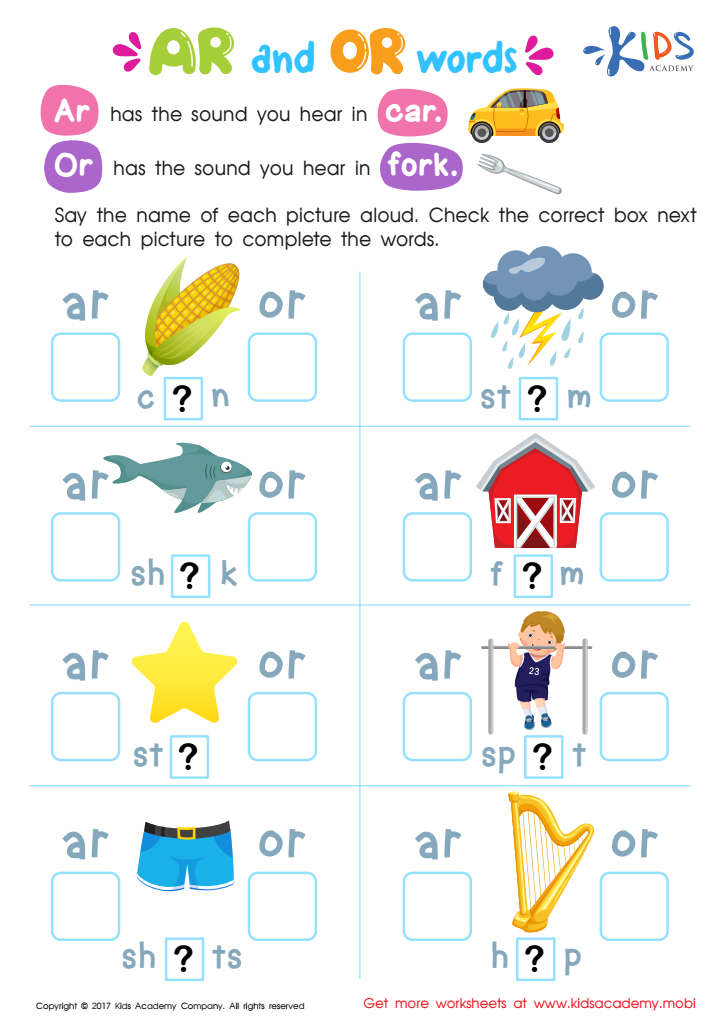
Ar and Or Words Phonics Worksheet
 Assign to My Students
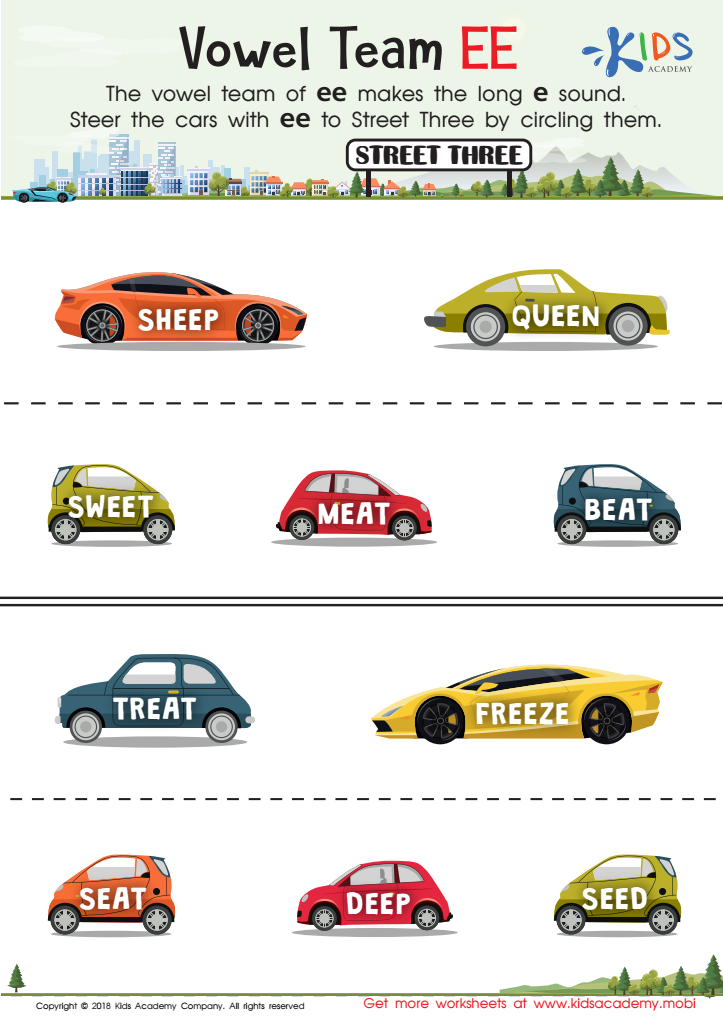
Vowel team ee Worksheet
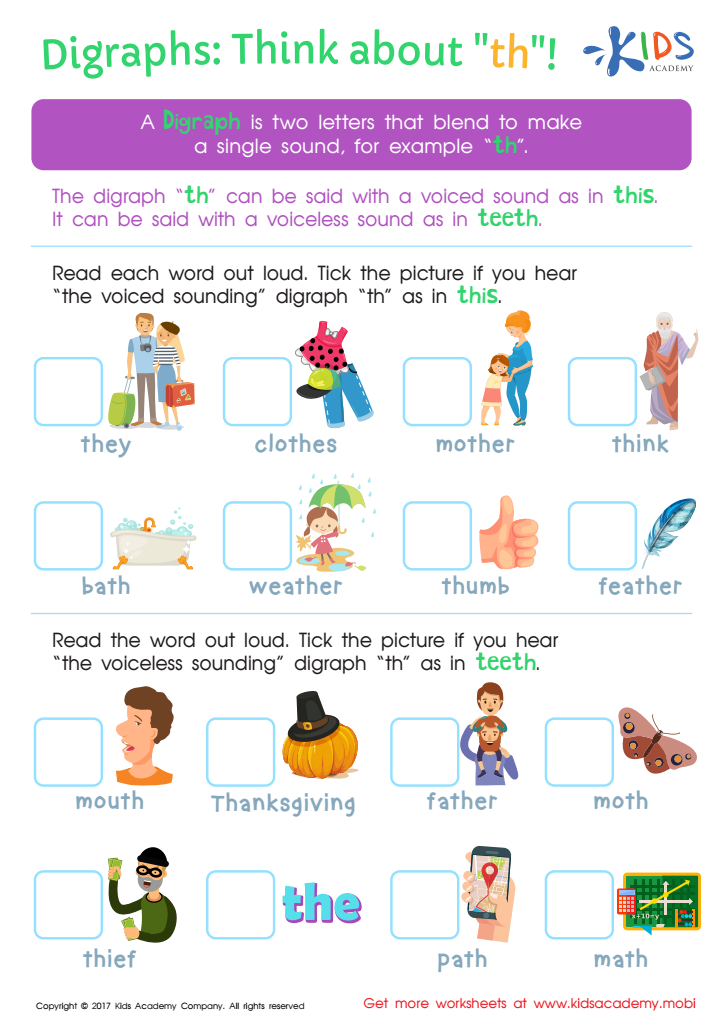
Digraphs: Think About "th" Worksheet
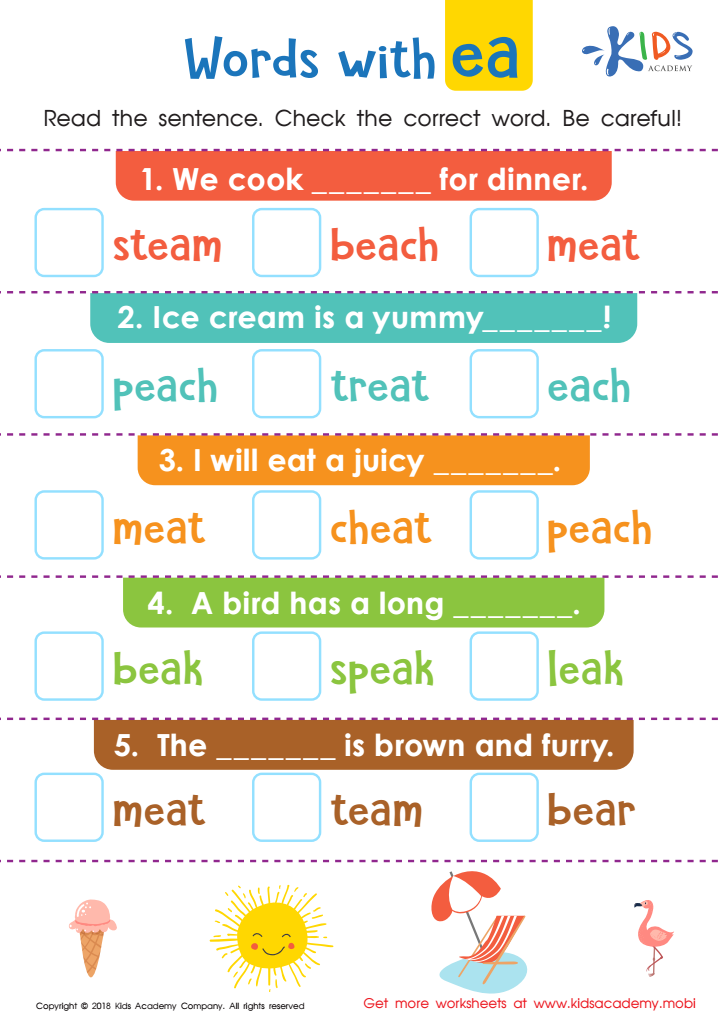
Words with ea Worksheet
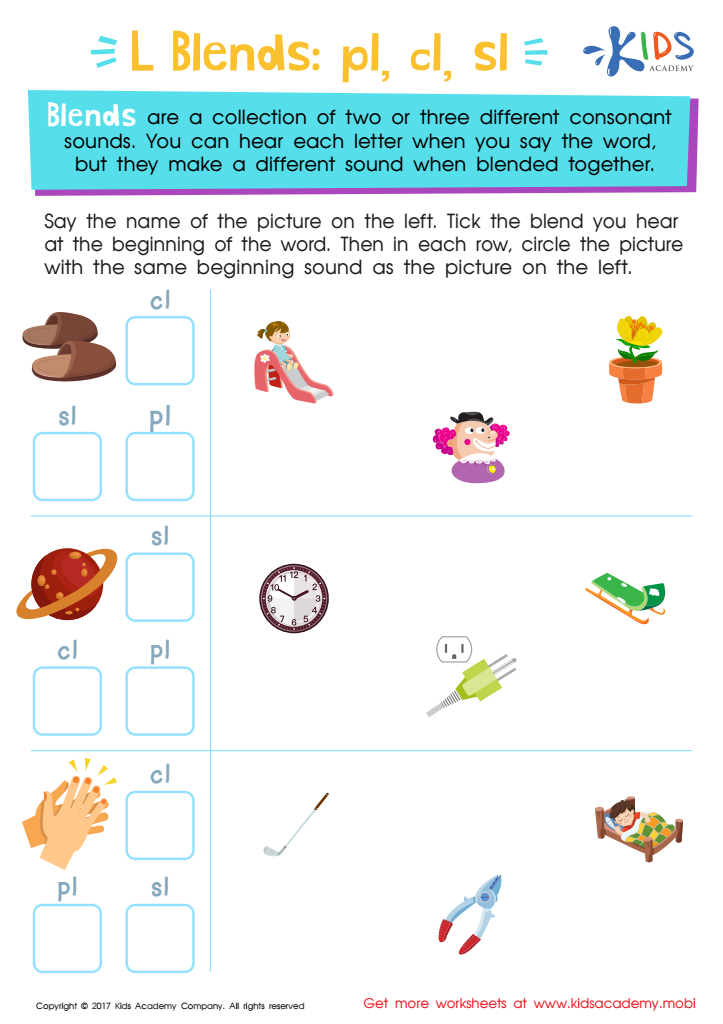
L Blends: "Pl", "Cl" and "Sl" Printable
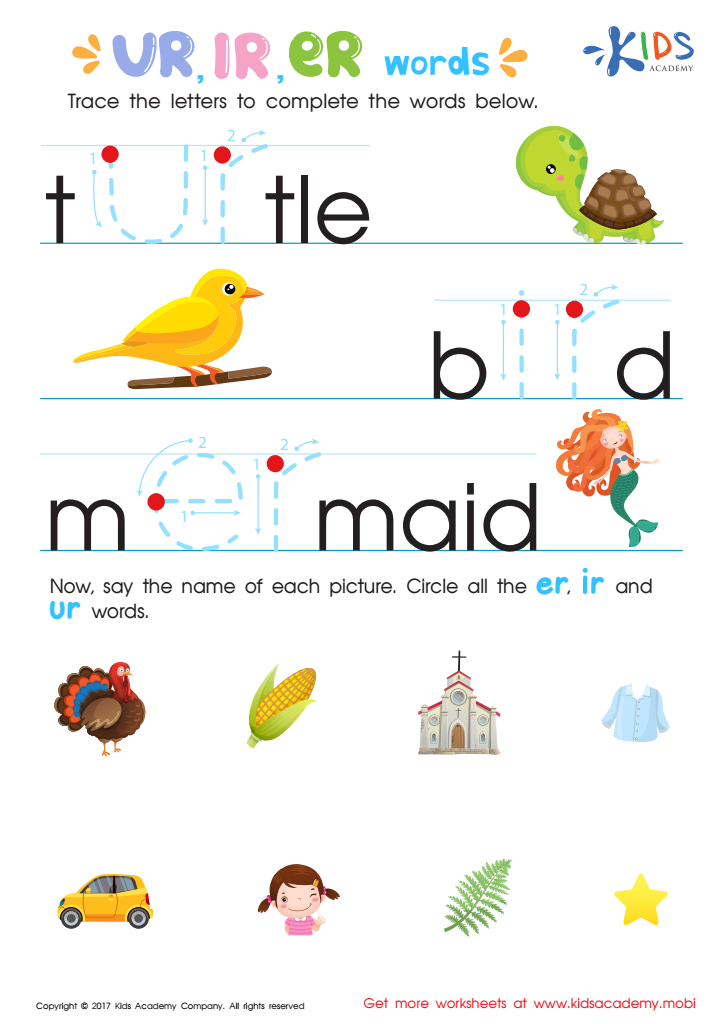
IR UR ER Words Worksheet



Vocabulary enhancement through learning two-letter phonics is crucial for children aged 3-7 for several vital reasons. During these formative years, children's brains are highly receptive to new information, making it an ideal period for language development. Building a robust vocabulary forms the foundation for reading and comprehension skills, which are essential for academic success and lifelong learning.
Two-letter phonics, such as "at," "in," "on," and "up," serve as the building blocks for more complex words and sentences. Mastery of these simple phonics can significantly accelerate reading abilities by improving phonemic awareness—the ability to hear, identify, and manipulate sounds in words. This early skill not only aids in decoding new words more efficiently but also enhances spelling and writing skills.
Moreover, a rich vocabulary boosts confidence and effective communication, allowing children to express their thoughts and emotions more precisely. Parents and teachers play a pivotal role in this process. Engaging in activities like reading aloud, playing phonics games, and encouraging curiosity about new words can make learning fun and lifelong. Investing time in vocabulary enhancement at this stage paves the way for a child's future academic achievements and emotional well-being, making it an endeavor well worth the effort.