Normal English for Beginners Worksheets for Ages 3-7 - Page 4
77 filtered results
-
From - To

Letter D Tracing Page
 Assign to My Students
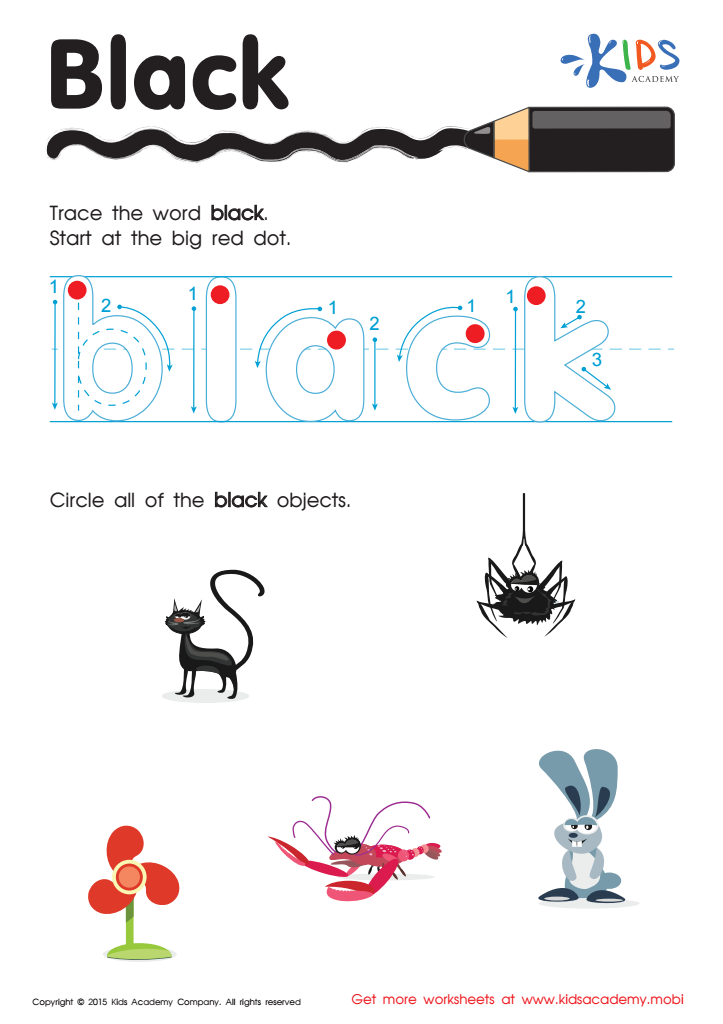
Black Tracing Color Words Printable
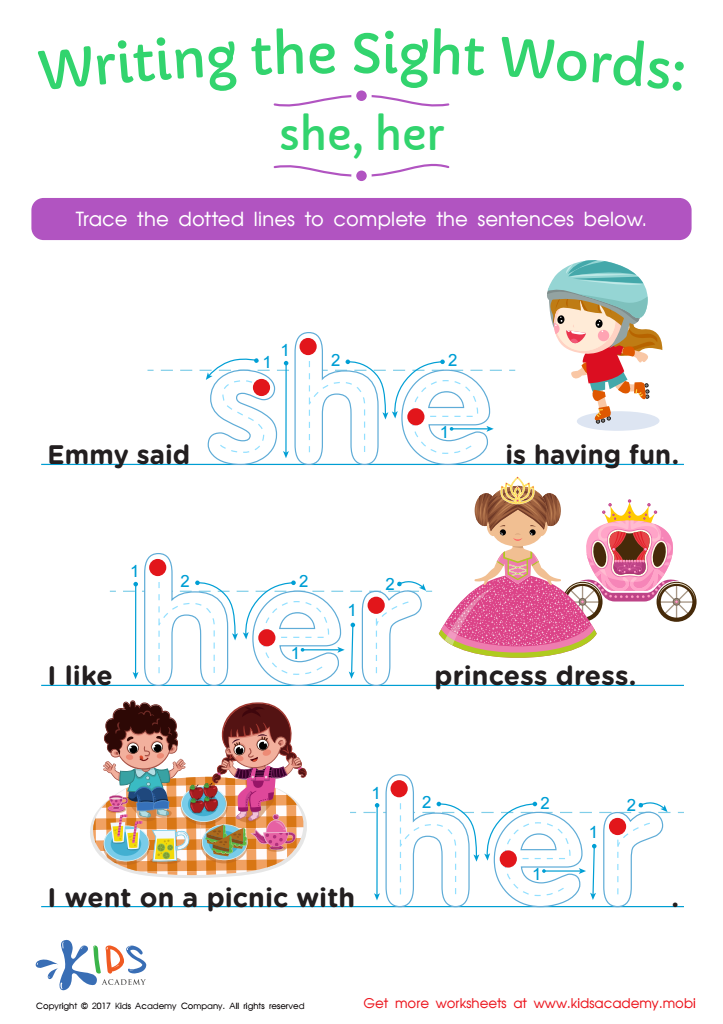
She, Her Printable Sight Words Worksheet
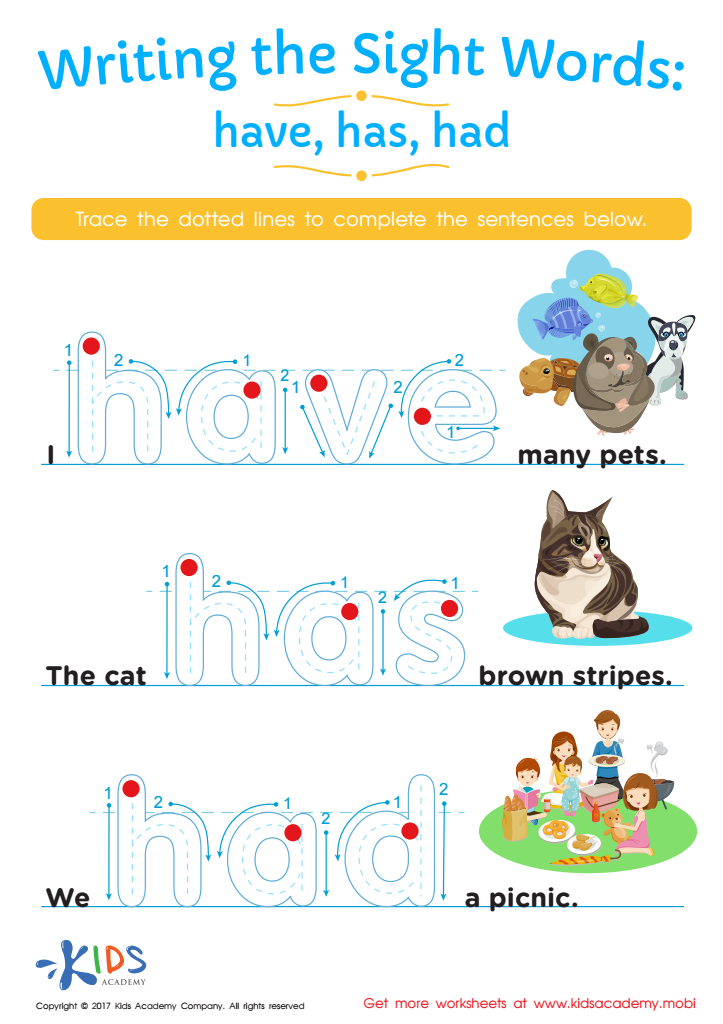
Have, Has, Had Worksheet Sight Words Worksheet
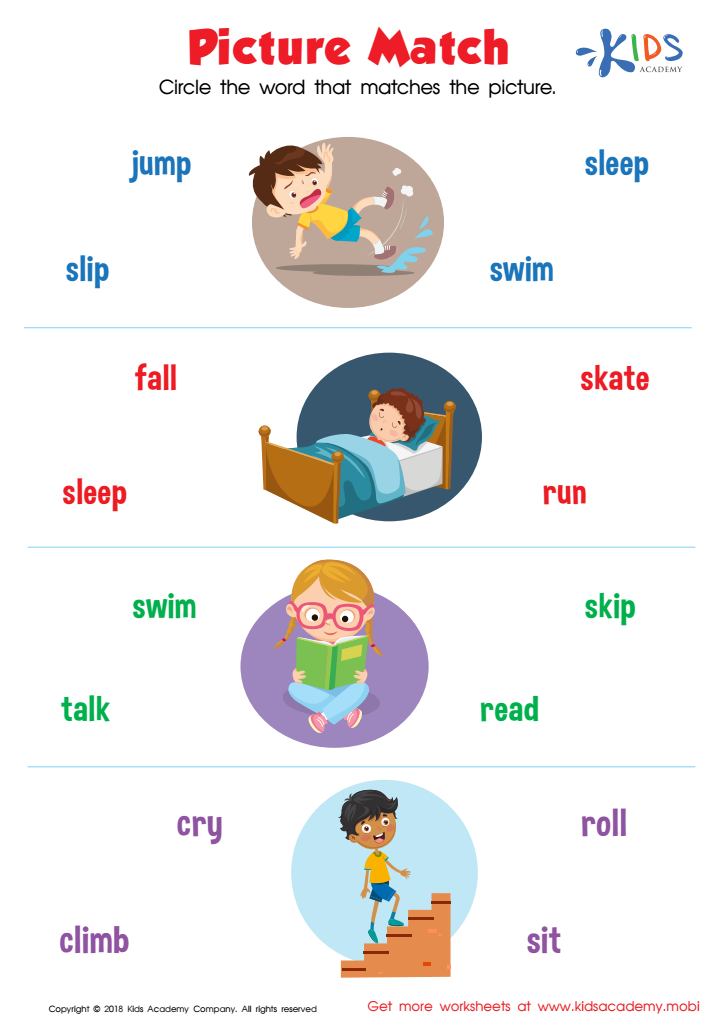
Picture Match Worksheet





Parents and teachers should care about normal English for beginners, specifically for ages 3-7, because this foundational period is crucial for language development. During early childhood, children's brains are exceptionally receptive to learning new languages, including the structure and vocabulary of English. Mastering basic English during these formative years sets the stage for future academic success and clear communication skills, which are essential in almost all areas of life.
Introducing normal English early enables children to develop listening, speaking, reading, and writing skills in a natural, engaging manner. At this age, children are generally very curious and eager to learn, making it an ideal time to instill a love for language through simple conversations, stories, songs, and interactive activities. Since clear and effective communication is fundamental for building self-confidence, fostering social interactions, and understanding the world around them, an early grasp of English lays the groundwork for these essential skills.
Moreover, early exposure to English can help prevent future difficulties in learning to read and write, easing the transition to more structured learning environments as children grow. Ultimately, parents and teachers who prioritize normal English for beginners invest in a child's overall cognitive, social, and emotional development, equipping them with tools for lifelong learning and success.