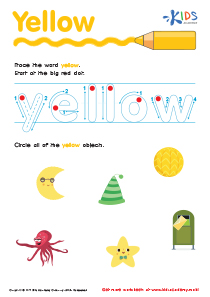
Alphabet tracing Normal English for Beginners Worksheets for Ages 3-7
5 filtered results
-
From - To
Discover our engaging Alphabet Tracing Worksheets, designed specifically for beginners ages 3-7. Perfect for young learners, these worksheets promote fine motor skills and letter recognition through fun tracing activities. Each page offers clear, focused practice on individual letters, easing children into mastering the English alphabet. Ideal for both classroom and home use, our resources encourage early literacy and build a strong foundation in language skills. Start your child's learning journey with visually appealing and effective worksheets that make tracing the alphabet an enjoyable and educational experience. Explore today to support your child's early education!
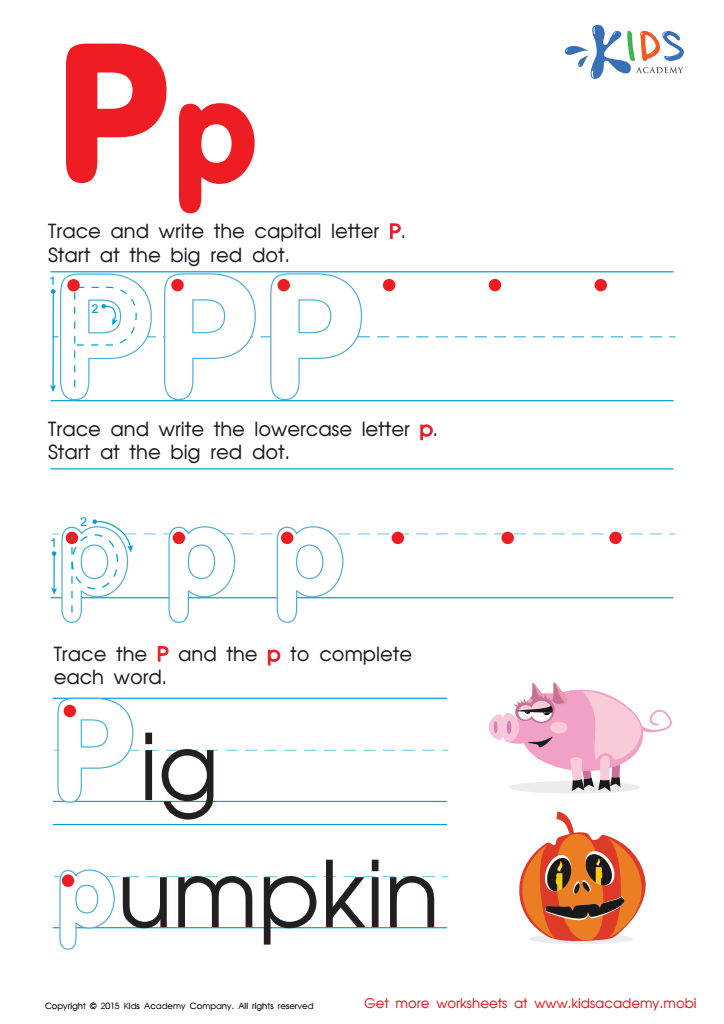
Letter P Tracing Page
 Assign to My Students
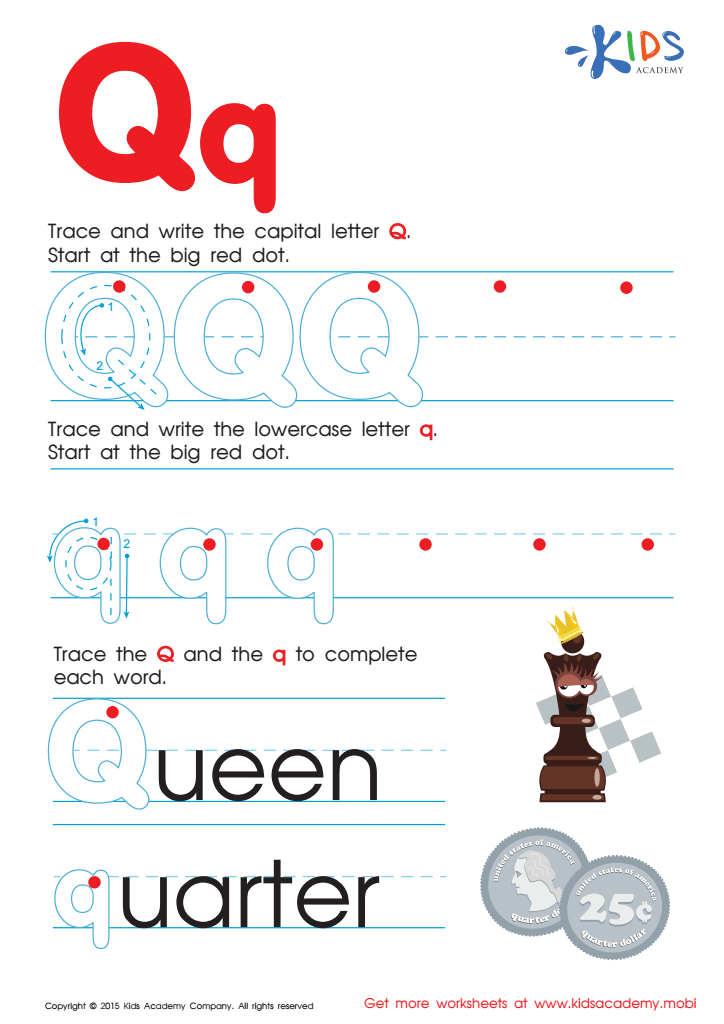
Letter Q Tracing Page
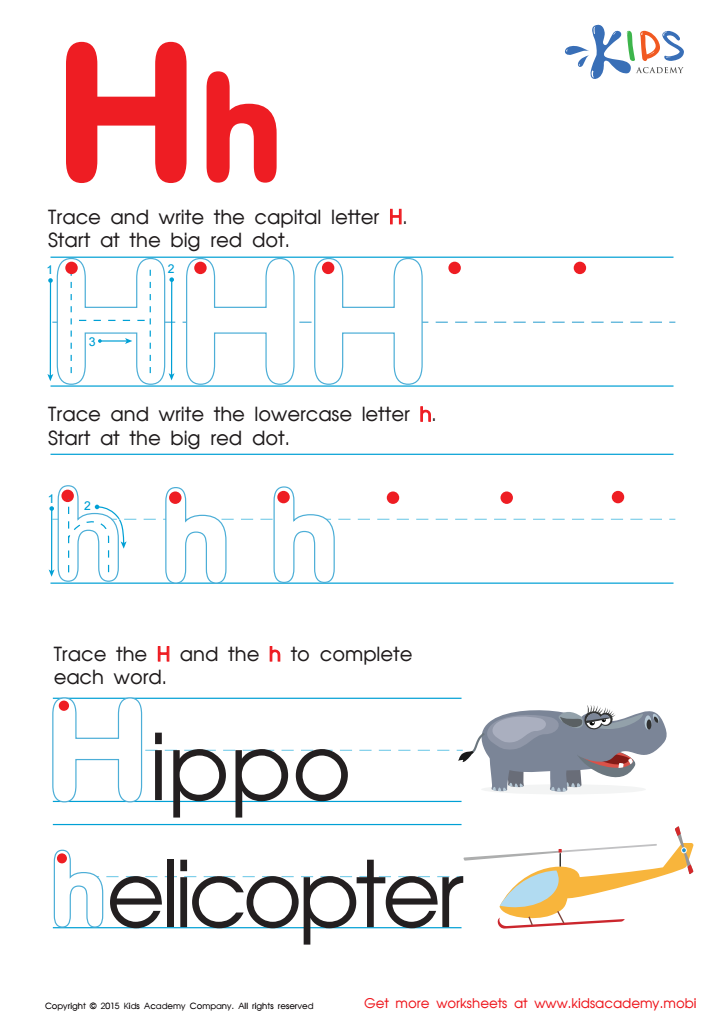
Letter H Tracing Page
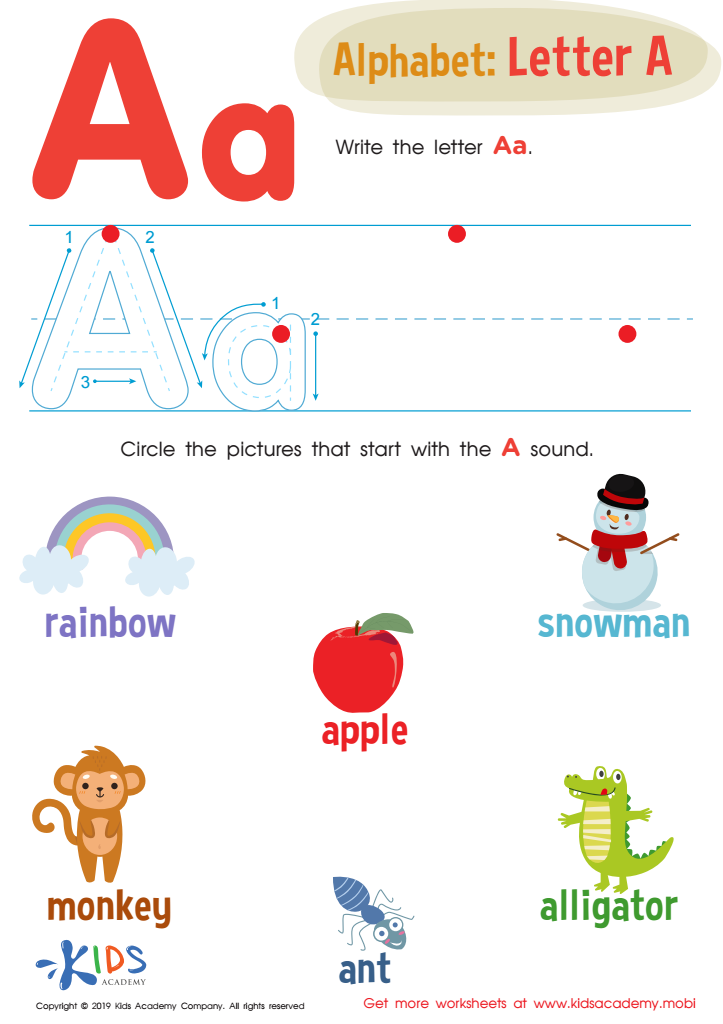
Letter A Tracing Worksheet

Letter D Tracing Page





Alphabet tracing is an essential activity for young children, especially those aged 3 to 7, as it serves as a foundational skill for literacy and fine motor development. For parents and teachers, incorporating alphabet tracing in early education is crucial for several reasons.
Firstly, alphabet tracing helps children recognize and memorize the shapes and forms of letters, which is the first step in learning to read and write. By repeatedly tracing letters, children become more familiar with them, leading to better letter recognition and phonetic understanding.
Furthermore, alphabet tracing activities play a significant role in developing fine motor skills. As children use pencils or markers to trace letters, they practice hand-eye coordination, hand strength, and finger dexterity. These motor skills are not only necessary for writing but also for other activities such as buttoning clothes, using scissors, and performing daily tasks.
Additionally, structured tracing exercises promote cognitive development. Kids learn to follow directions, improve concentration, and enhance visual-spatial awareness as they trace within defined lines.
For parents and teachers, these benefits underline the importance of integrating alphabet tracing into a child's early education. Early mastery of these skills lays a strong groundwork for future academic success and confidence in learning. Thus, paying attention to this seemingly simple activity can yield significant long-term educational benefits.