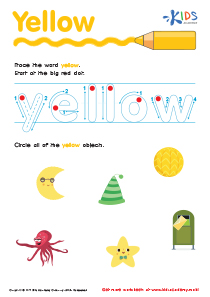
Handwriting practice Normal English for Beginners Worksheets for Ages 3-7 - Page 2
26 filtered results
-
From - To
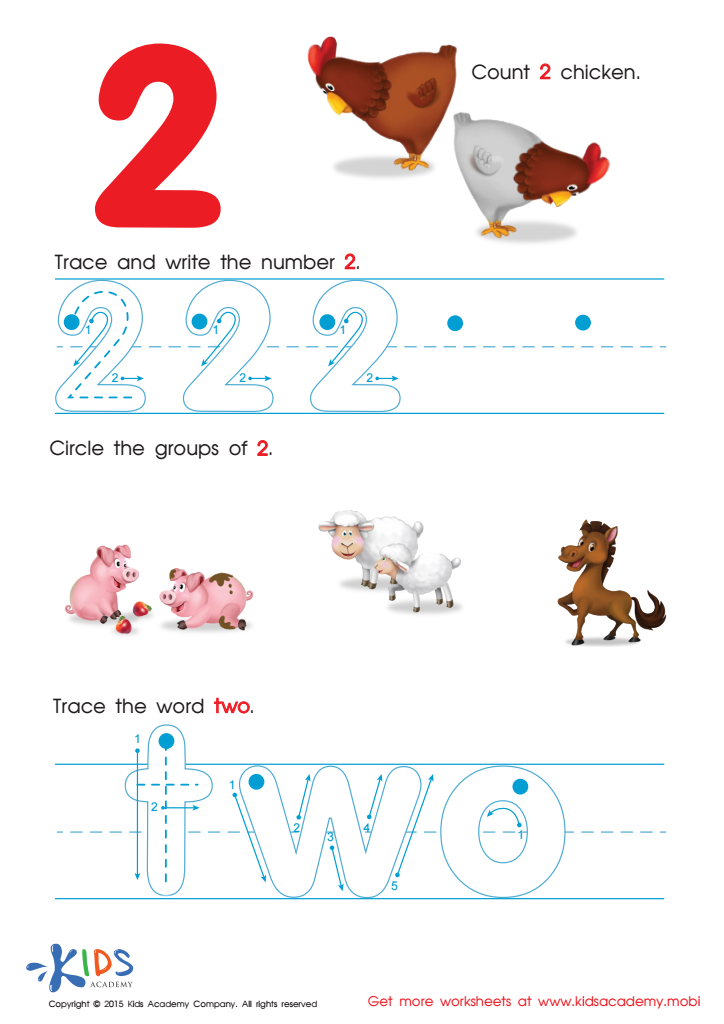
Learn to Write the Number 2 Worksheet
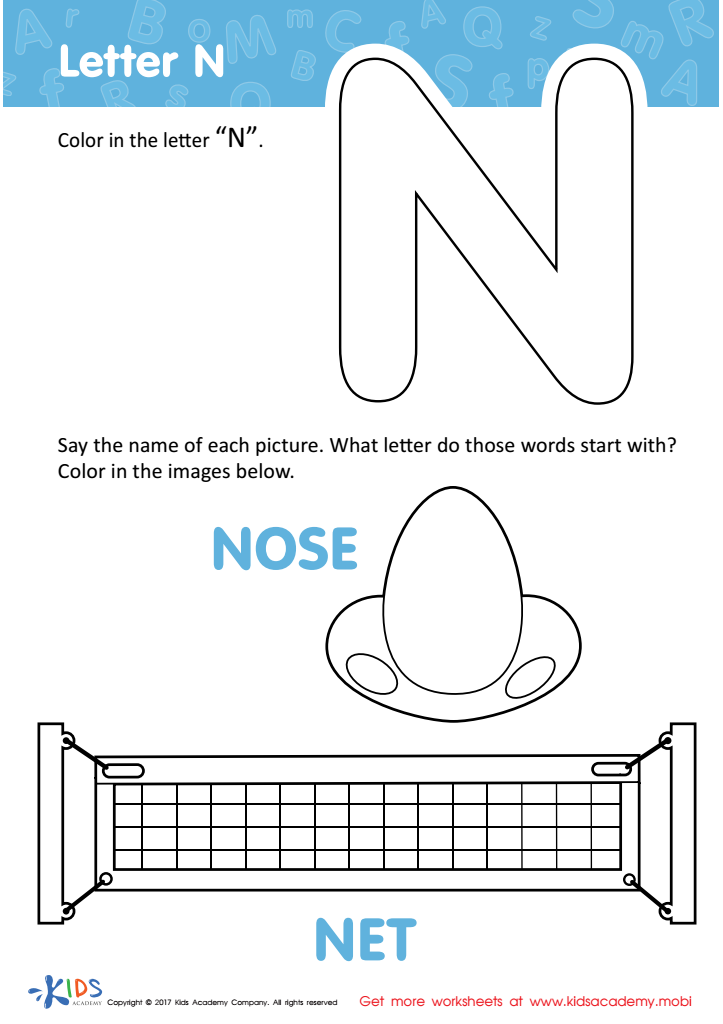
Letter N Coloring Sheet
 Assign to My Students





Handwriting practice is essential for children aged 3-7 because it lays the foundation for their communication skills and cognitive development. For young learners, mastering handwriting helps improve fine motor skills, which are crucial for tasks such as using scissors, buttoning clothing, and typing. These skills enhance their overall physical coordination.
Moreover, neat handwriting promotes legibility, which is vital for effective communication. When children learn to write clearly, they are more likely to express their thoughts and ideas accurately, boosting their confidence in literacy. Proper handwriting can also aid in reading development, as it helps them recognize letters and understand their formations.
In today’s digital age, penmanship remains a valuable skill; it encourages a tactile connection to learning that screens cannot replicate. By engaging in handwriting practice, children become familiar with the shapes and sounds of letters, leading to better reading and writing abilities.
Additionally, creating a habit of practicing handwriting can instill discipline, focus, and perseverance. With the involvement of parents and teachers in this practice, children receive the support they need to succeed academically and creatively, setting them on a path for a bright future. Thus, investing time in handwriting practice is crucial for young learners' overall development.