Alphabet Learning Normal Worksheets for Ages 3-7
5 filtered results
-
From - To
Welcome to our "Alphabet Learning Normal Worksheets for Ages 3-7"! Our engaging worksheets are designed to help young learners master the fundamentals of the alphabet. Tailored for children aged 3 to 7, these printable resources combine fun and education, making learning enjoyable. Each worksheet features colorful illustrations and interactive activities that promote letter recognition, phonics, and handwriting skills. These activities cater to various learning styles, and are perfect for use at home or in the classroom. Enhance your child's literacy journey and build a solid foundation for reading with our carefully crafted alphabet learning worksheets! Start exploring today!
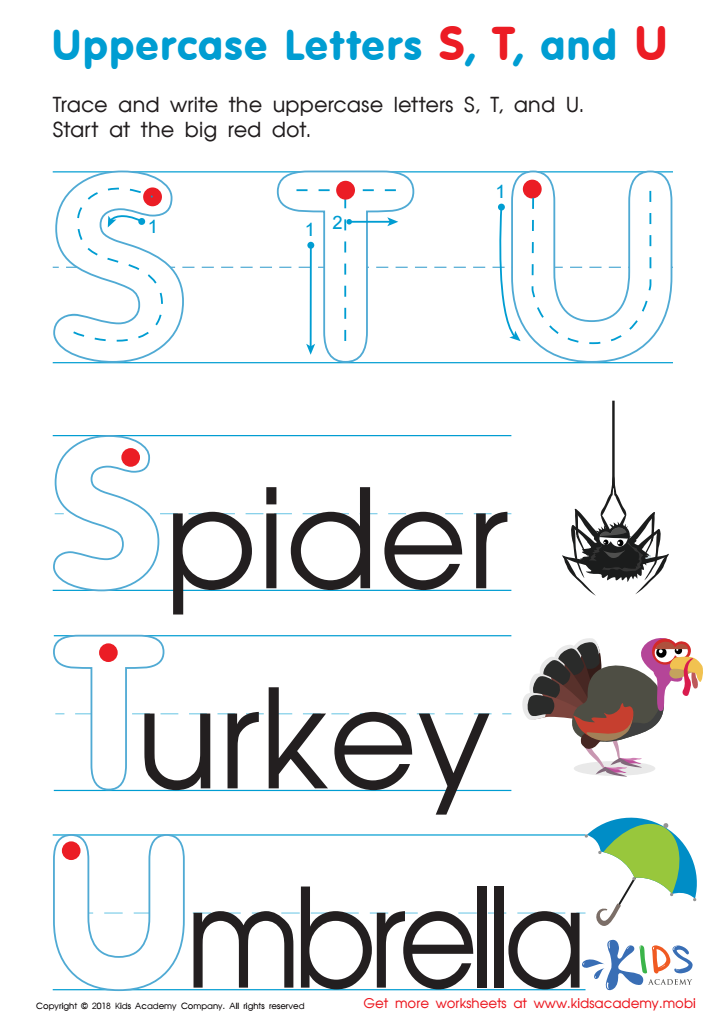
Uppercase Letters S, T, and U Worksheet
 Assign to My Students
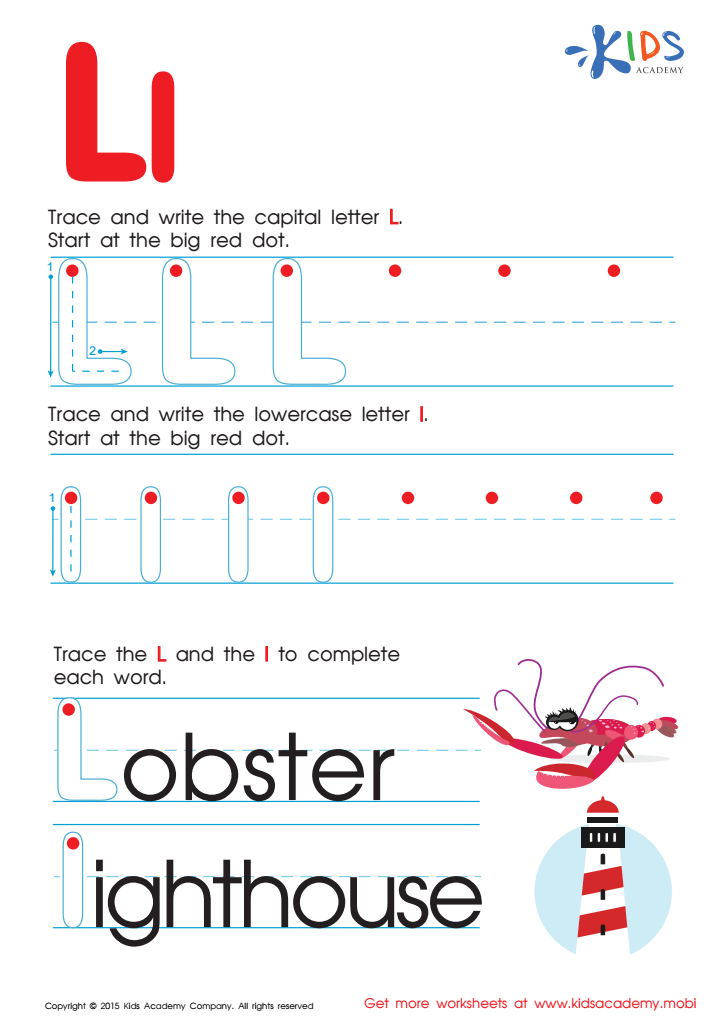
Letter L Tracing Page
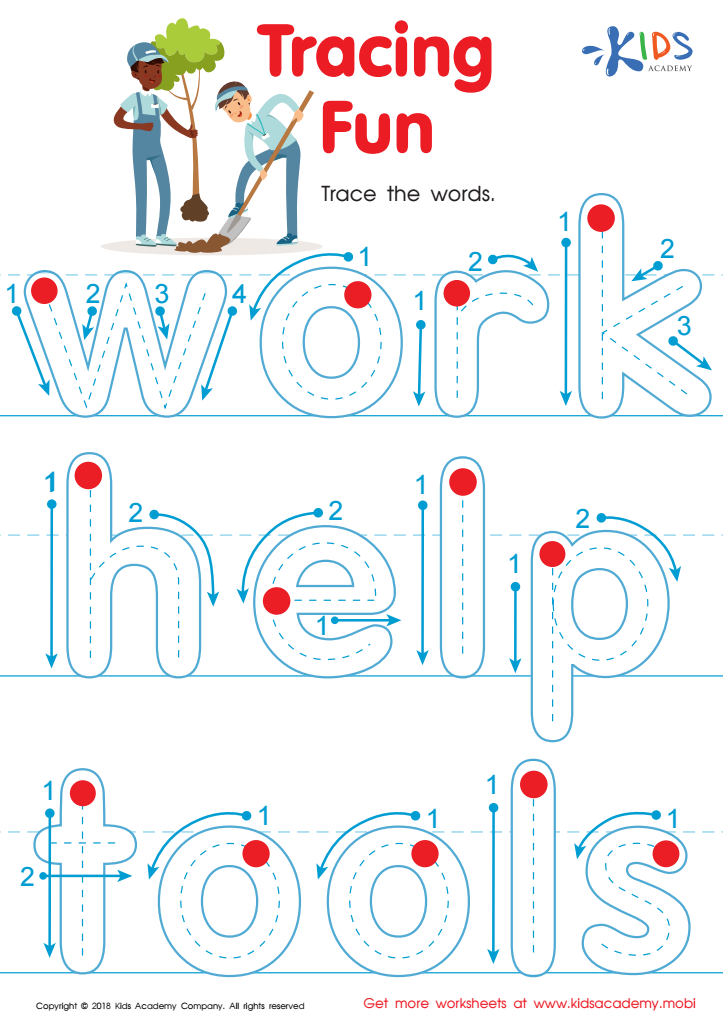
Tracing Fun Worksheet
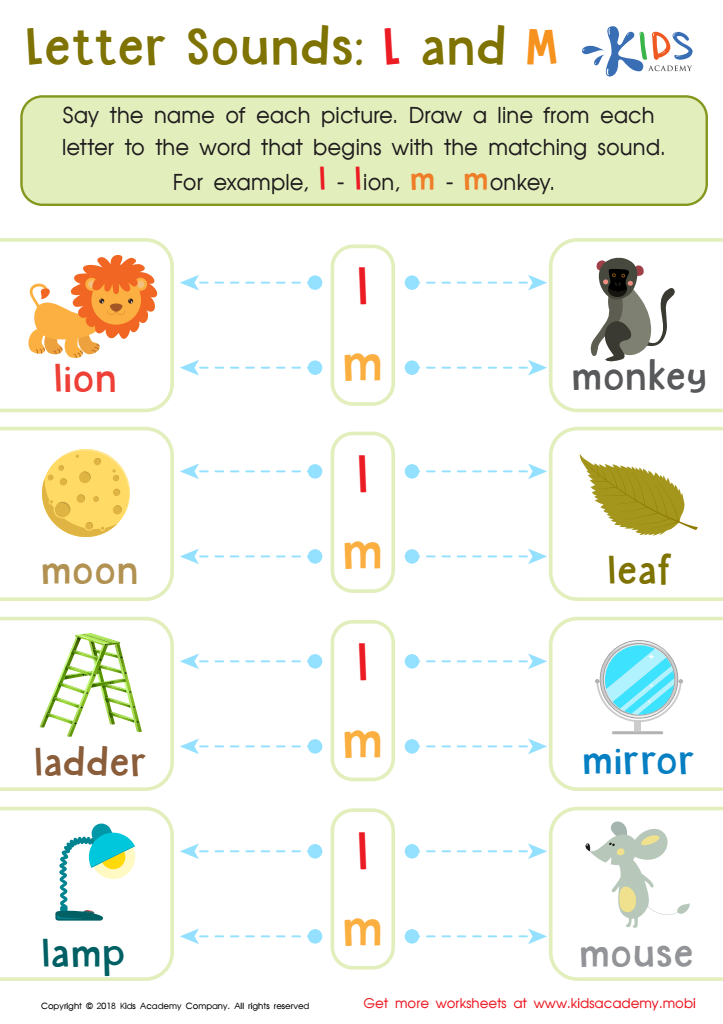
Letter l and M Sounds Worksheet
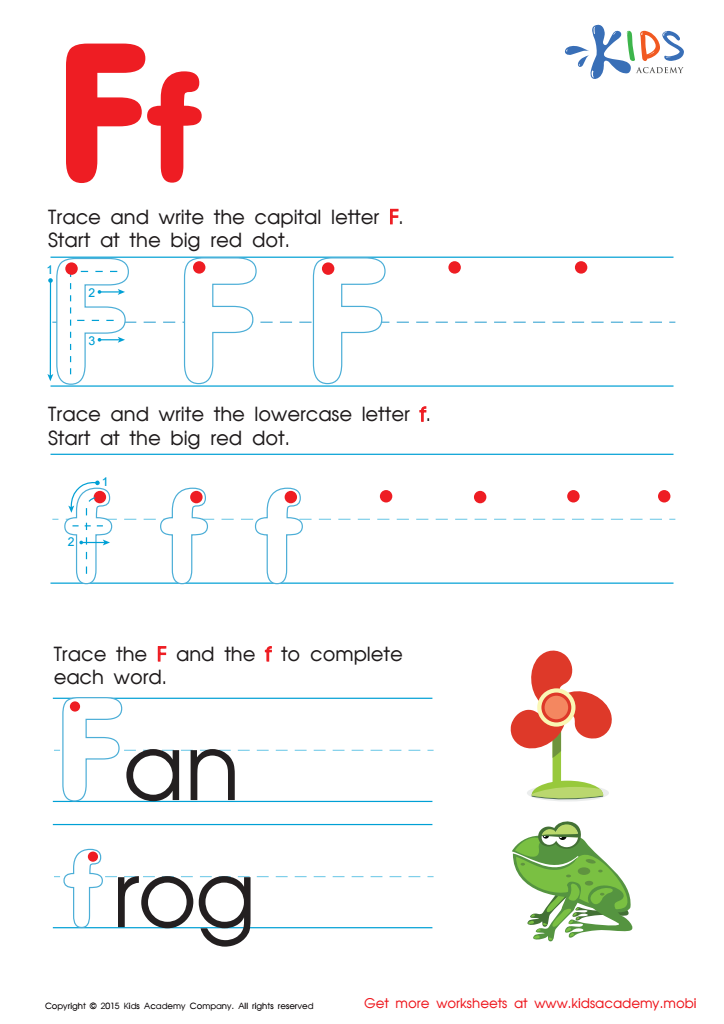
Letter F Tracing Page








Alphabet learning is crucial for children aged 3-7 as it lays the foundation for literacy and overall academic success. At this stage, children are beginning to develop their language skills, and understanding the alphabet is essential for effective communication and cognitive development. Learning the alphabet helps children recognize letters, understand their sounds, and eventually helps them in reading and writing.
Parents and teachers should care about alphabet learning because it fosters cognitive abilities such as memory, attention, and critical thinking. Engaging with letters through various activities—like singing alphabet songs, reading books, and playing games—makes learning enjoyable and interactive, enhancing children’s enthusiasm for education.
Furthermore, strong foundational skills in the alphabet can help close achievement gaps and set children on a more equitable learning path. Recognizing that each child learns at their own pace, parents and teachers can provide supportive environments featuring tailored learning experiences to address individual needs. Lastly, nurturing these skills impacts future literacy and communication, which are essential competencies in today’s world, making it vital for children’s long-term success. By prioritizing alphabet learning, we equip our youngest learners with the tools necessary to flourish academically, socially, and emotionally.








