Color recognition Normal Worksheets for Ages 3-7 - Page 2
33 filtered results
-
From - To
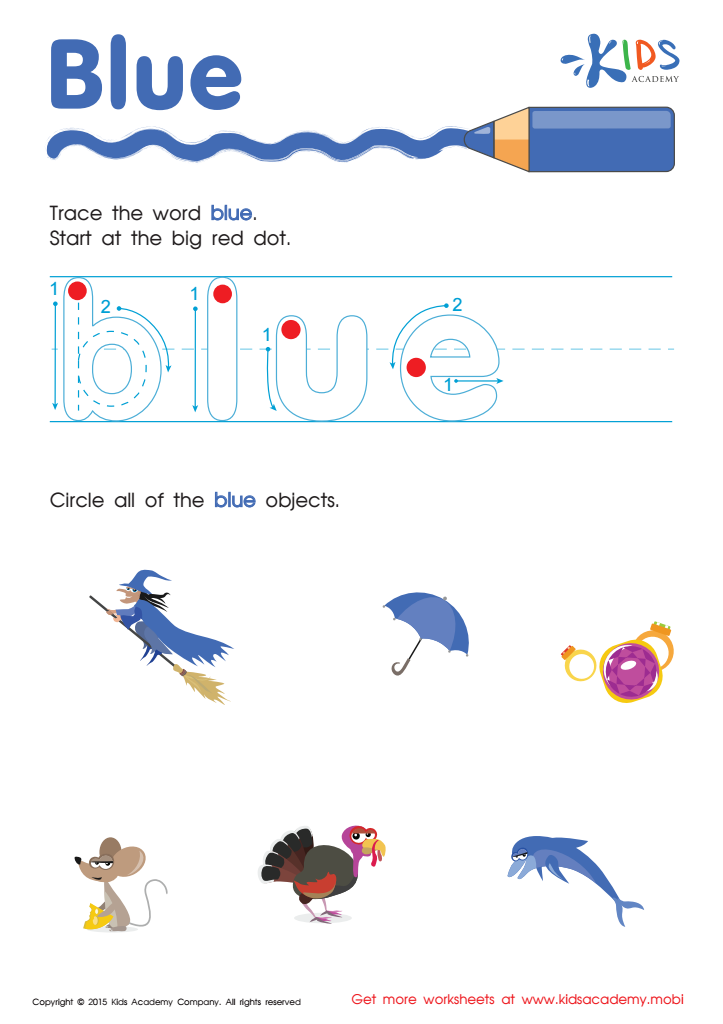
Blue Tracing Color Words Printable
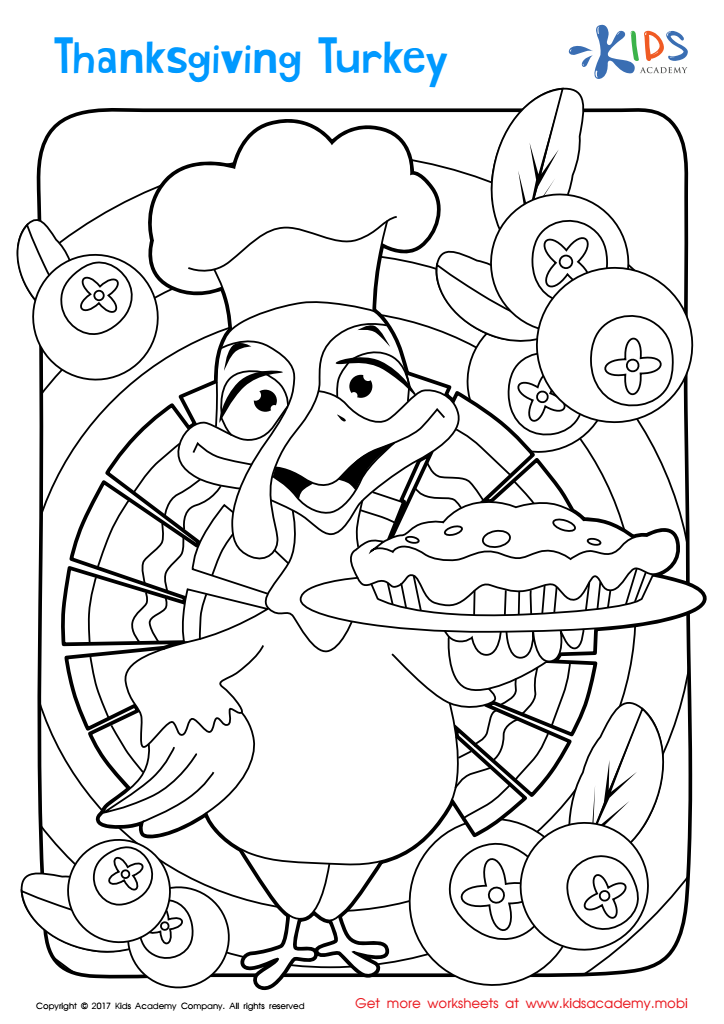
Turkey Thanksgiving Day Worksheet
 Assign to My Students
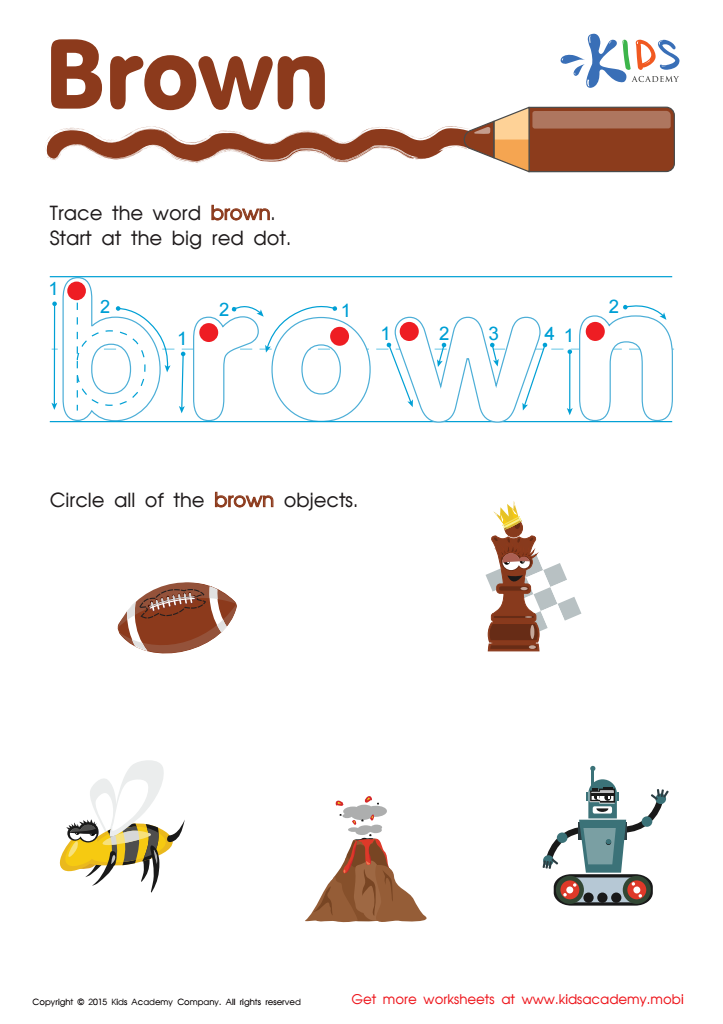
Brown Tracing Color Words Worksheet
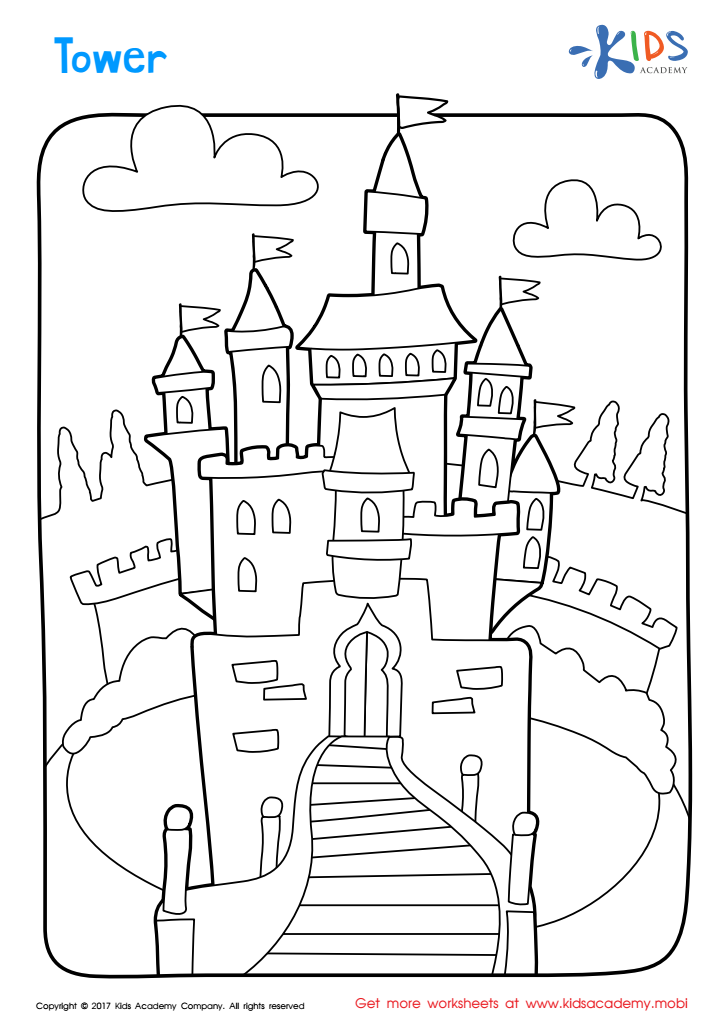
Tower Coloring Page
Assign to My Students
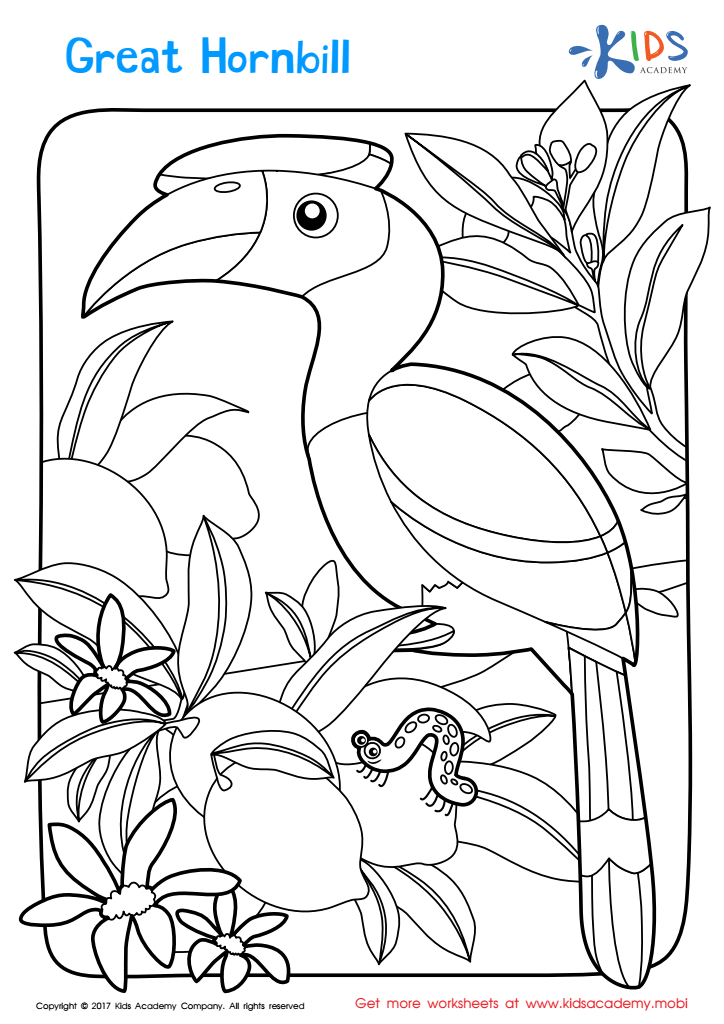
Great Hornbill Worksheet
Assign to My Students
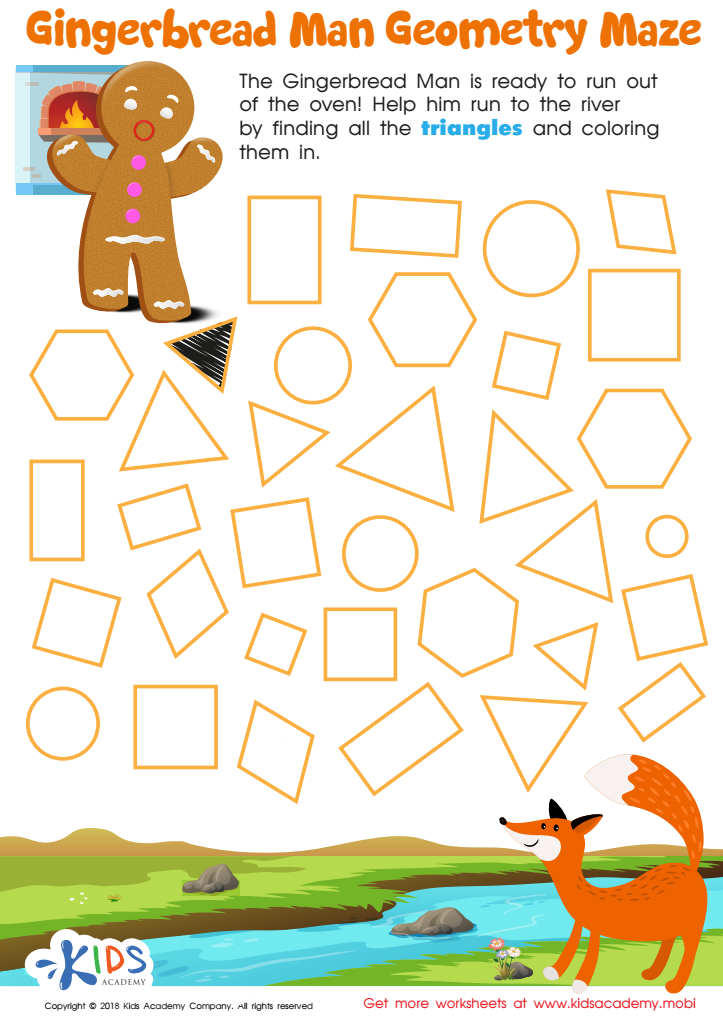
Gingerbread Man Geometry Maze Worksheet
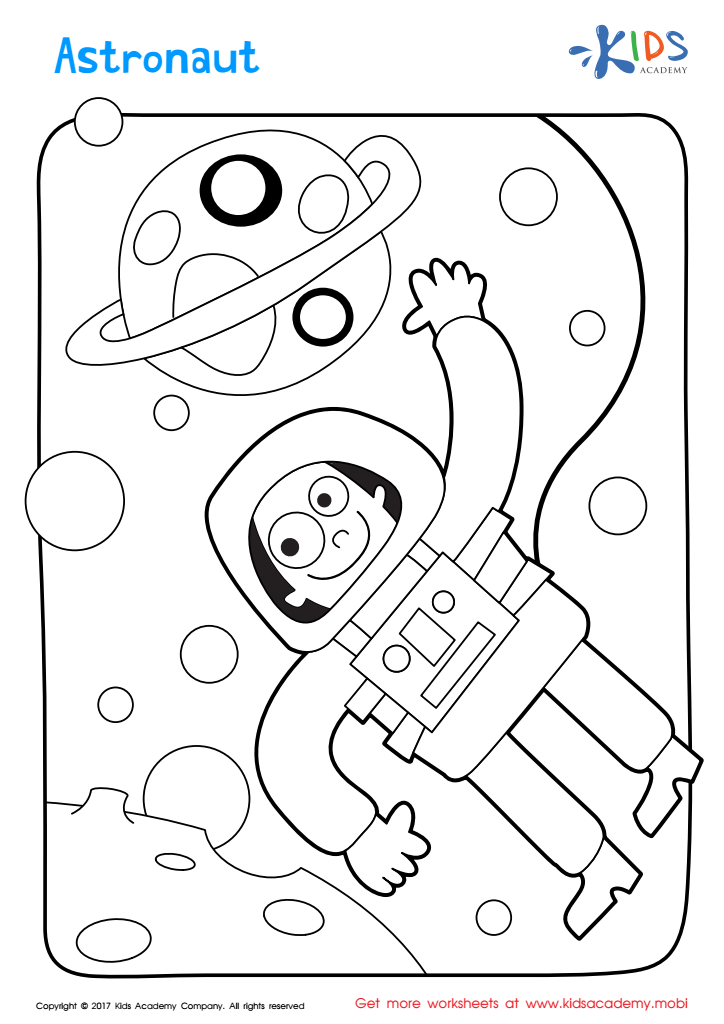
Astronaut Coloring Page
Assign to My Students
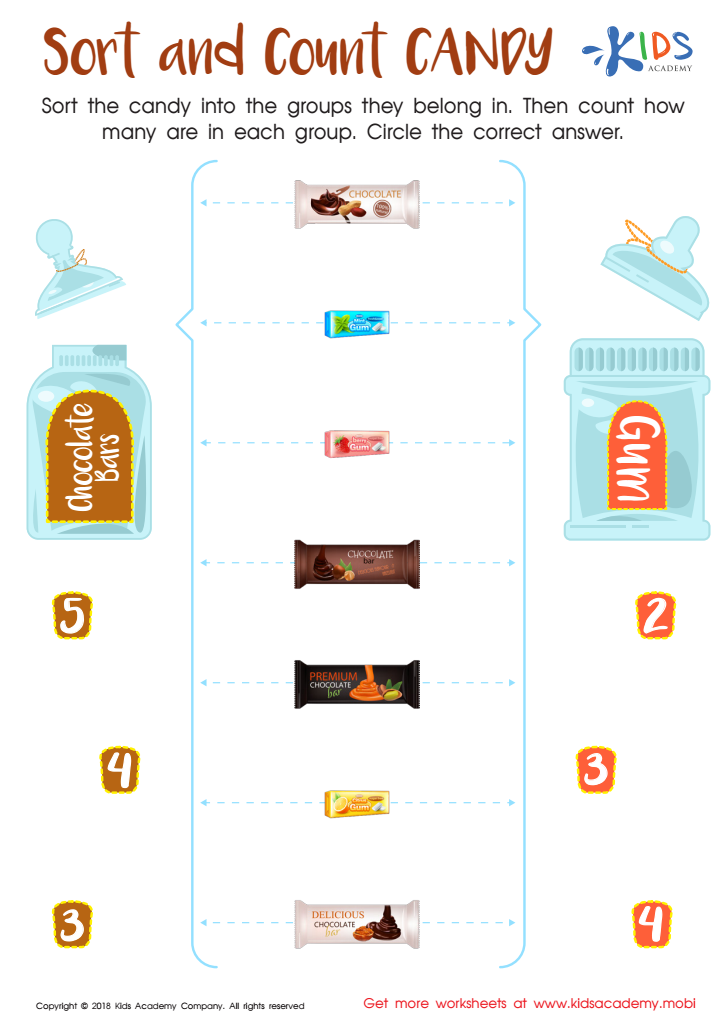
Sort and Count Candy Worksheet
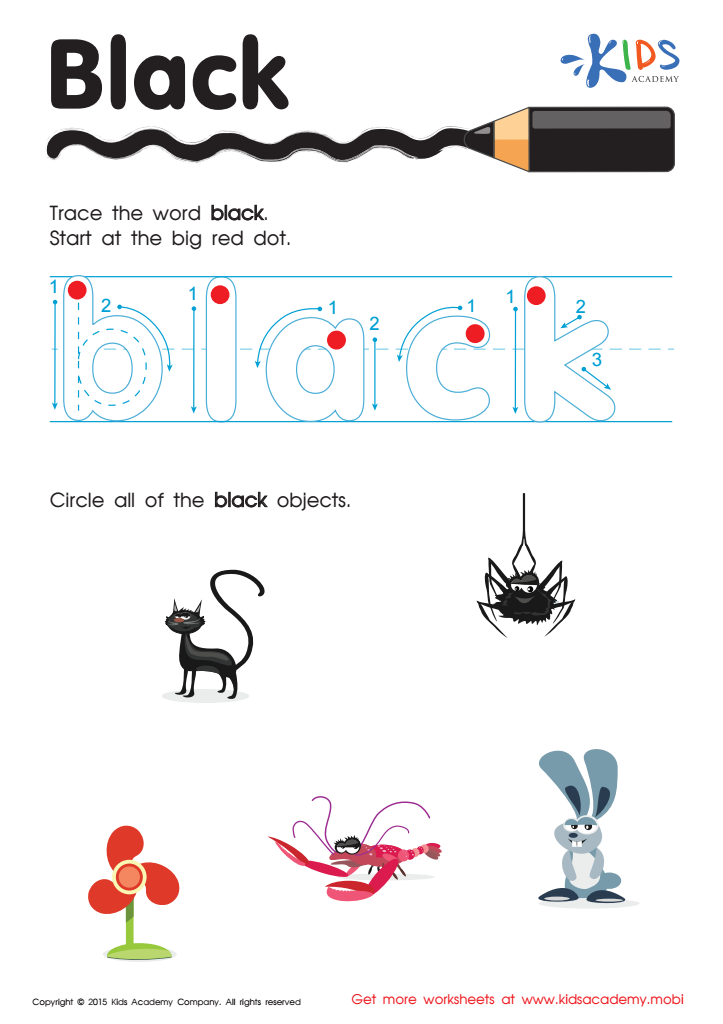
Black Tracing Color Words Printable






.jpg)

Color recognition is a fundamental skill crucial for children's cognitive and social development, particularly for those aged 3 to 7. During this formative period, children are naturally curious and perceptive, making it an ideal time for them to explore and identify colors. Understanding colors helps children engage with their environment, enhancing observational skills and boosting creativity.
From a practical standpoint, color recognition fosters language development. Children learn to describe and communicate their observations using color terms, enriching their vocabulary. It also lays a foundation for more complex concepts in math and science, such as categorization, sorting, and understanding patterns, which are vital skills as they continue their education.
In social situations, recognizing colors aids in cooperative play and collaboration. Children bond over activities like art and games, where color choices play a significant role. Teachers and parents can cultivate this skill through engaging activities such as drawing, painting, and storytelling.
Moreover, early color recognition supports emotional development, allowing children to express themselves and connect with others in meaningful ways. Ultimately, fostering color recognition during these crucial years helps set the stage for a child's overall growth and learning, making it a key focus for educators and parents alike.








