Comparing objects Normal Worksheets for Ages 3-7
4 filtered results
-
From - To
Introduce your child to the world of comparing and contrasting with our engaging worksheets designed for ages 3-7. At Kids Academy, we offer a variety of printable activities that help young learners develop essential skills in identifying similarities and differences between objects. Our carefully crafted worksheets promote critical thinking, observation, and vocabulary growth. Each sheet provides fun, interactive exercises tailored to young minds, ensuring a confident start to their educational journey. Equip your child with the tools to excel in early math and cognitive abilities by incorporating our comparing objects normal worksheets into their daily routine.
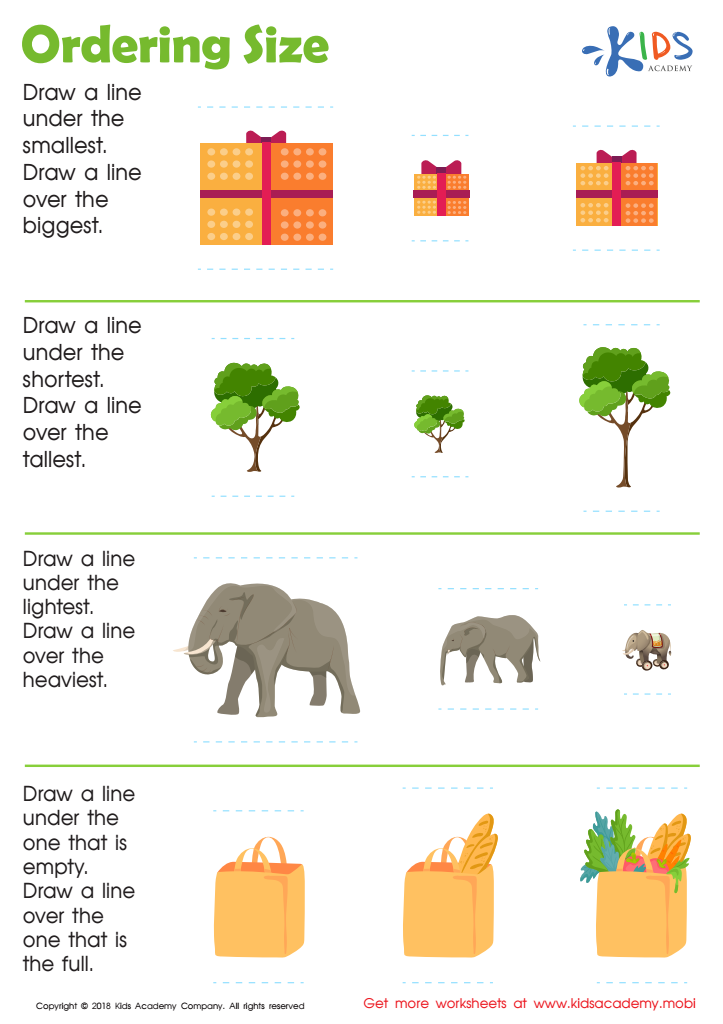
Ordering Size Worksheet
 Assign to My Students
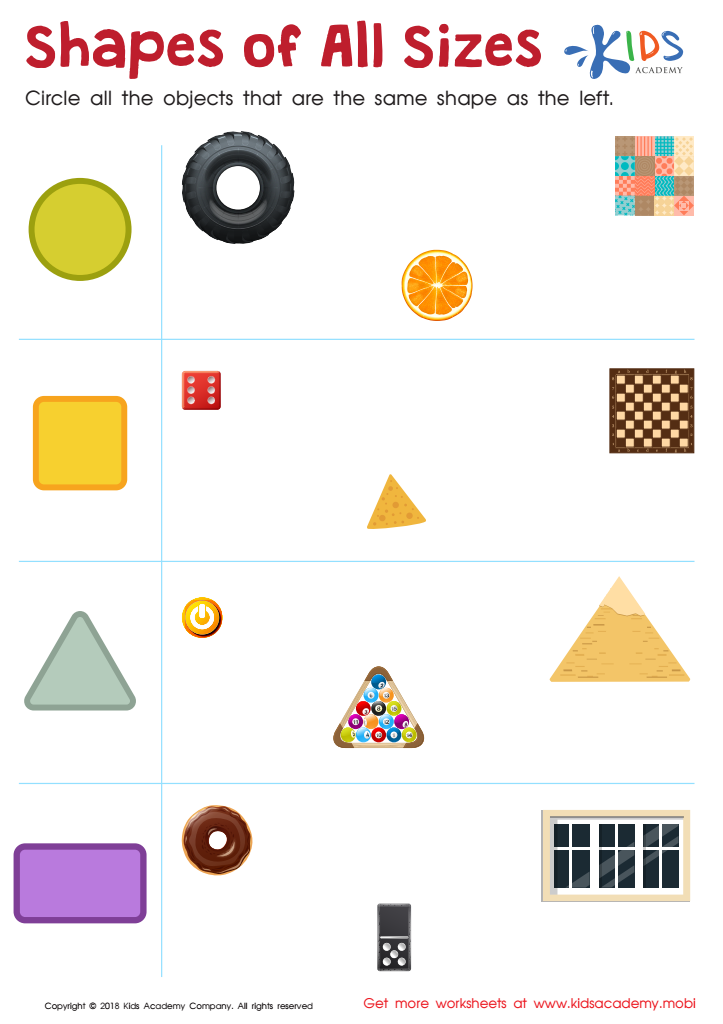
Shapes of All Sizes Worksheet
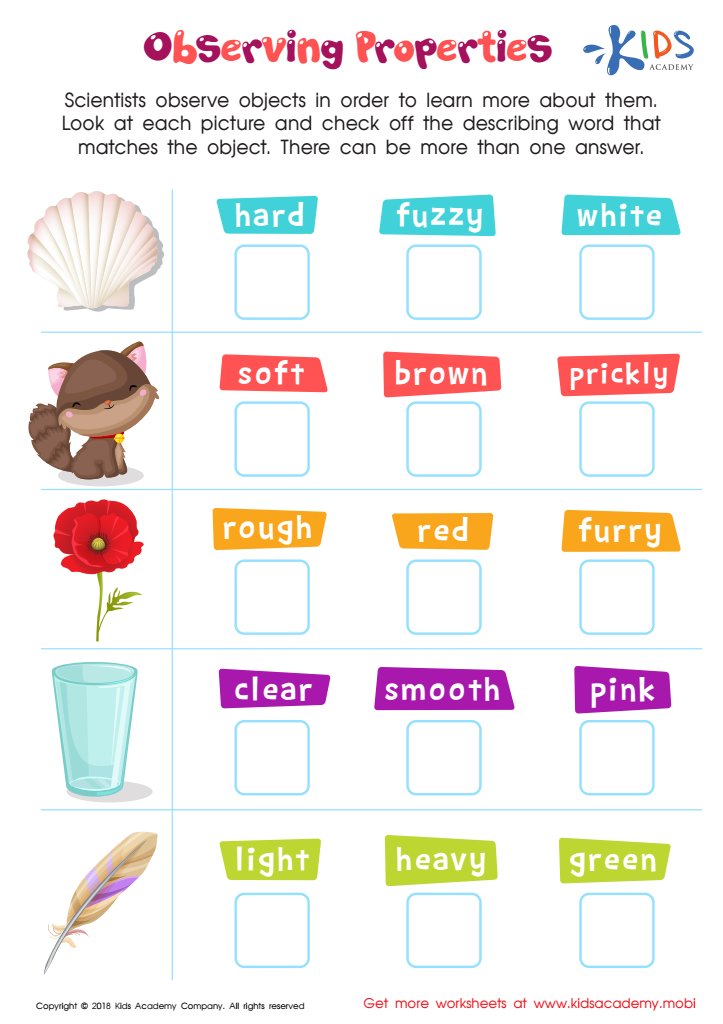
Observing Properties Worksheet
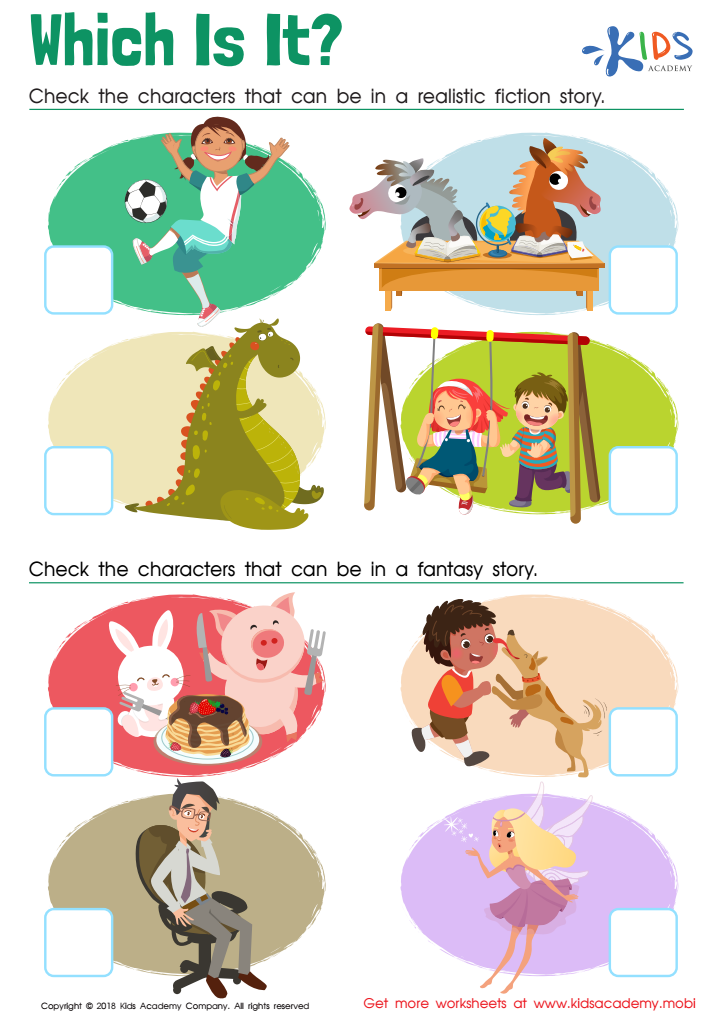
Which Is It? Worksheet


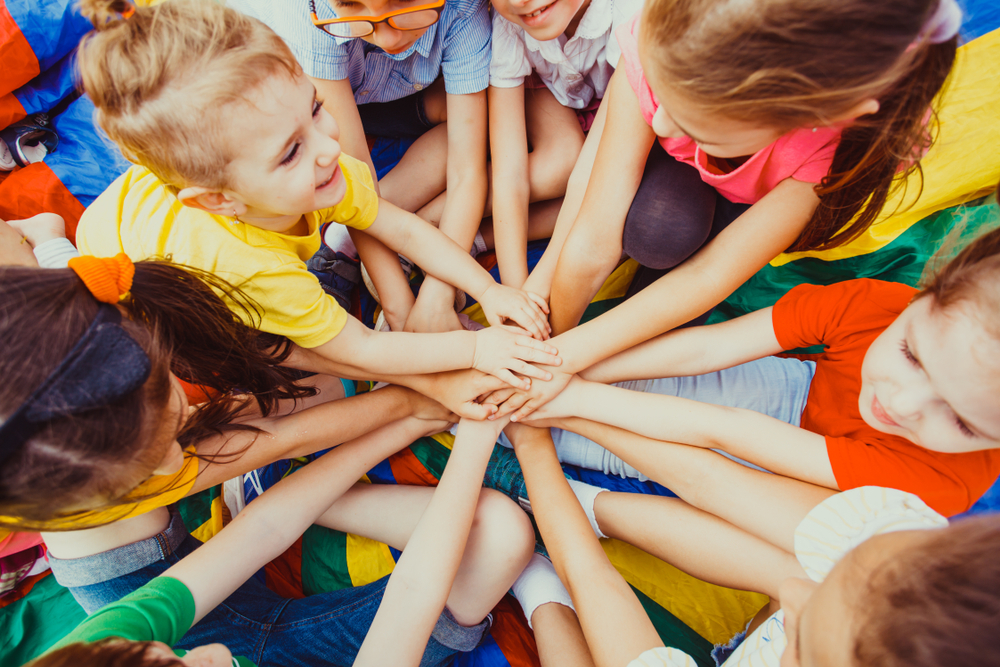




Comparing objects plays a crucial role in the early cognitive development of children aged 3-7, making it an essential skill for parents and teachers to focus on. At this stage, children begin to understand basic concepts of measurement, size, quantity, and numbers, laying the groundwork for more complex mathematical and logical reasoning skills.
By engaging in activities that involve comparing objects—for instance, determining which of two items is longer, heavier, or has more quantity—children enhance their observational skills and attention to detail. This form of comparison teaches them to describe and categorize what they see, using comparative language such as "bigger," "smaller," "heavier," or "lighter." These activities enrich vocabulary, which is fundamental for effective communication.
Moreover, comparing objects fosters critical thinking as children make judgments and decisions based on observations. It can develop problem-solving skills as they figure out methods to compare and measure. Additionally, this type of comparison builds a foundation for understanding mathematical concepts such as addition, subtraction, and geometry.
For parents and teachers, guiding children through these learning processes means they can more easily transition to abstract thinking and advanced learning in later grades. Encouraging such activities makes learning interactive and fun, thus keeping children engaged and stimulated. Finally, these foundational skills also support real-world applications, such as following directions, organizing, and executing tasks efficiently.








