Learning addition Normal Worksheets for Ages 3-7
4 filtered results
-
From - To
Discover our exceptional range of "Learning Addition Normal Worksheets for Ages 3-7" at Kids Academy! Specially designed for young learners, these engaging worksheets provide a fun and interactive way to master basic addition skills. Our worksheets feature colorful illustrations and easy-to-follow instructions, making math practice a delightful experience. Perfect for preschoolers and early grade students, these resources help build a strong foundation in math while enhancing cognitive development. Start fostering a love for learning and boost your child's confidence in math with our curated worksheets, crafted to make addition enjoyable and accessible to all young minds!
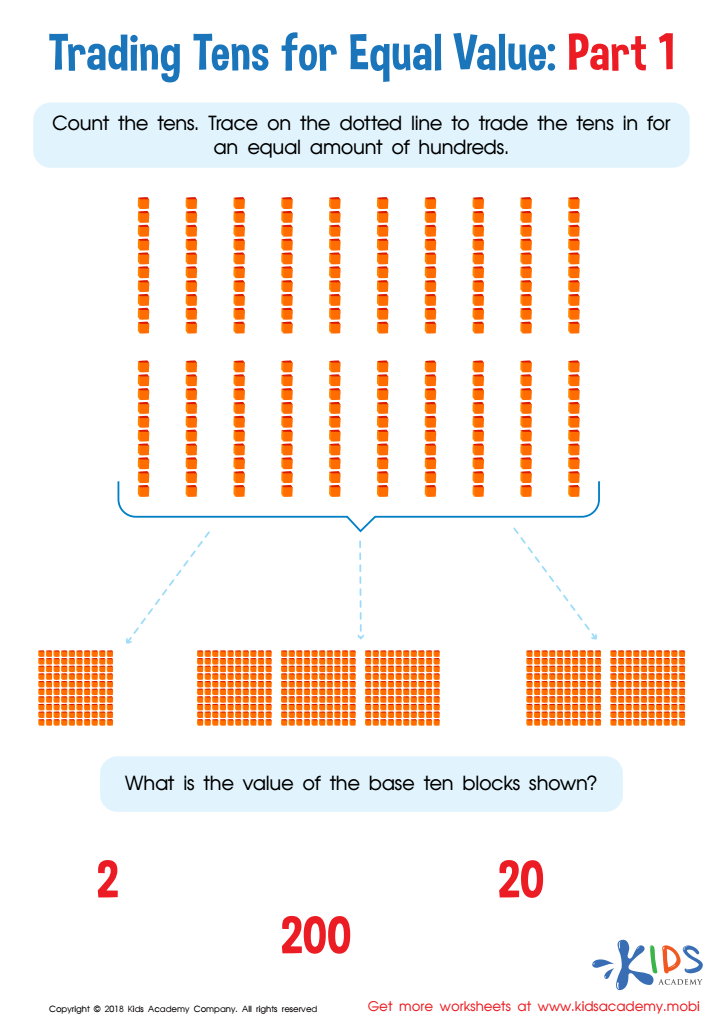
Trading Tens for Equal Value Worksheet: Part 1
 Assign to My Students
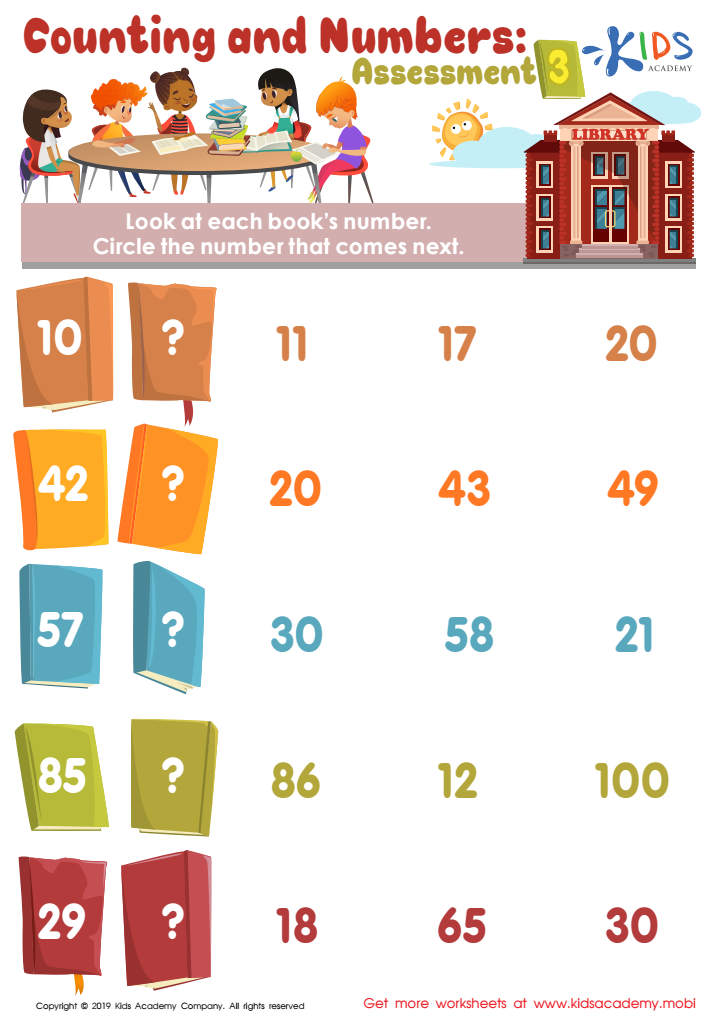
Counting and Numbers: Assessment Worksheet
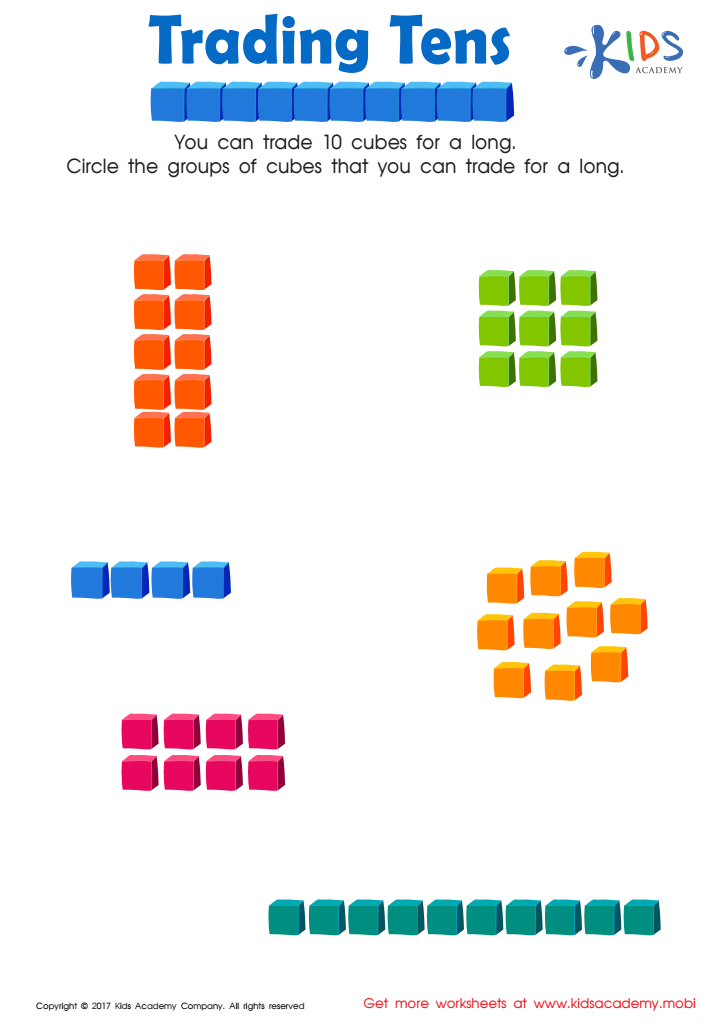
Trading Tens Worksheet
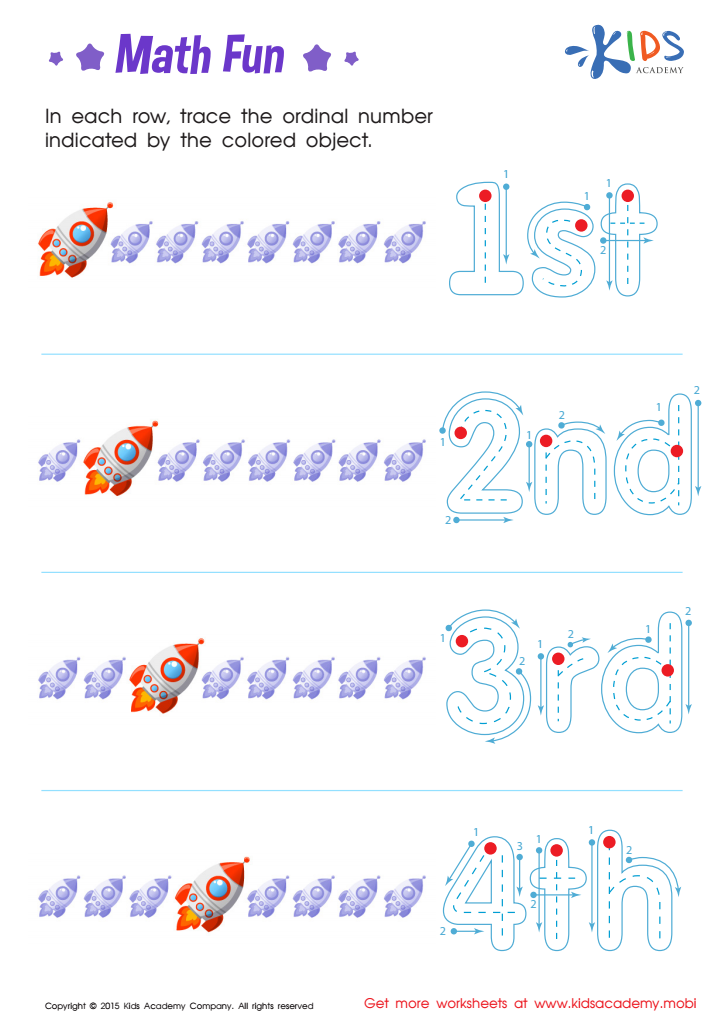
Ordinal Numbers: Math Fun Worksheet



.jpg)



Supporting early learners aged 3-7 in mastering basic addition is crucial for several reasons. First and foremost, it forms the foundational building block for all future mathematical concepts. As children progress through their education, math becomes increasingly complex. A strong understanding of addition early on ensures they have the necessary skills to tackle more advanced problems with confidence.
Additionally, mastering addition helps sharpen cognitive abilities. It enhances critical thinking, problem-solving skills, and the ability to reason logically. Engaging young children with addition encourages them to think about numbers and their relationships in various ways, thus strengthening their overall cognitive development.
Social aspects also play a role: when children succeed in addition early, they experience a boost in self-esteem and motivation. They become more enthusiastic learners, ready to take on new and challenging tasks, which can positively affect their broader educational experience.
Moreover, in our daily lives, basic mathematical understanding is essential. From counting change to telling time, these fundamental skills are part of everyday situations. By supporting children in grasping addition early, we equip them with practical tools for daily living.
In summary, focusing on learning addition between the ages of 3-7 lays the groundwork for future academic success, cognitive development, and practical life skills, making it a crucial element of early education.








