Following instructions Normal Addition & Subtraction Worksheets for Ages 3-7
4 filtered results
-
From - To
Enhance your child's math skills with our "Following Instructions Normal Addition & Subtraction Worksheets" designed for ages 3-7. These engaging worksheets help young learners master basic addition and subtraction while reinforcing the importance of following directions. Your child will enjoy solving a variety of fun, colorful problems that promote critical thinking and comprehension. Perfect for homeschooling, classroom activities, or supplemental learning, our printable resources make math accessible and enjoyable. Watch as your little ones gain confidence in their mathematical abilities while improving their ability to listen and follow instructions. Start their learning journey today with our carefully crafted worksheets!
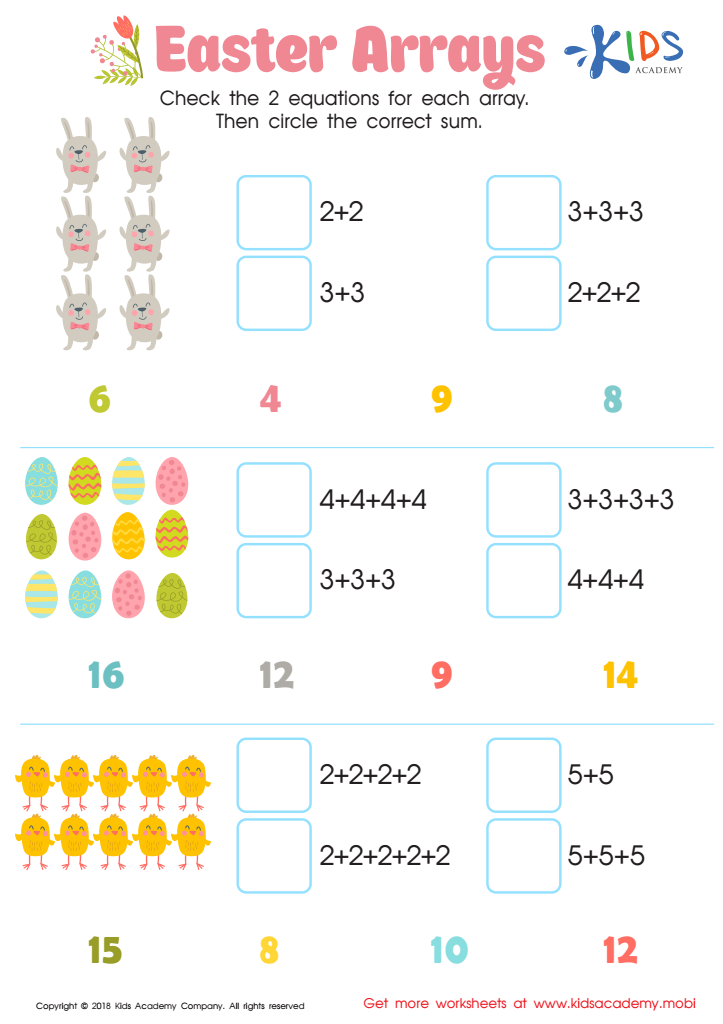
Easter Arrays Worksheet
 Assign to My Students
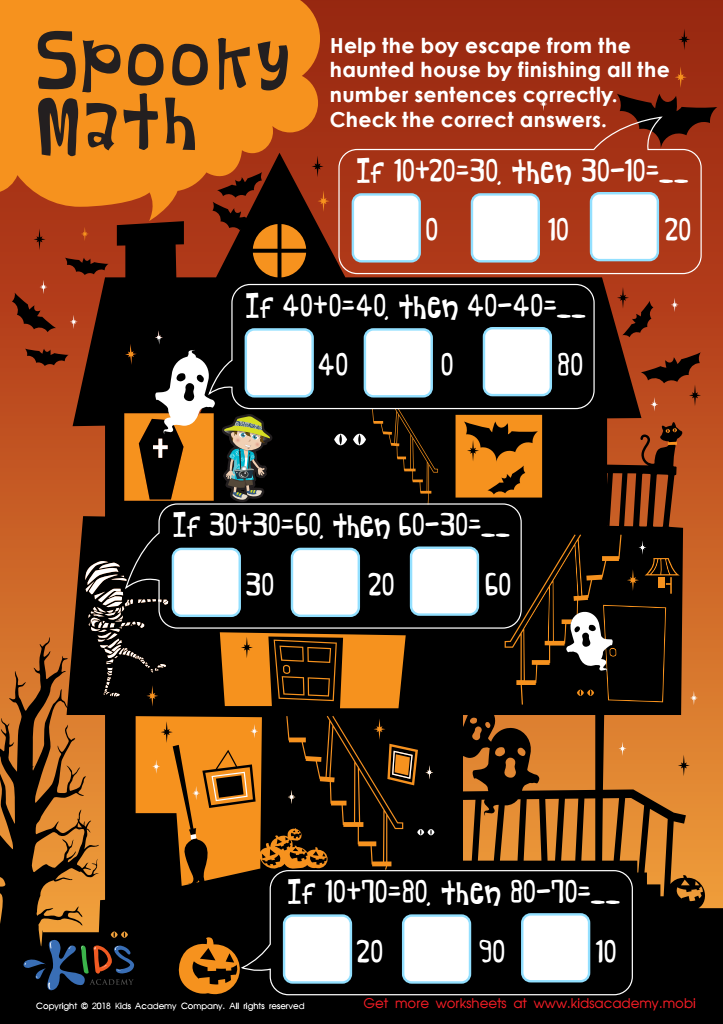
Subtract Tens: Spooky Math Worksheet
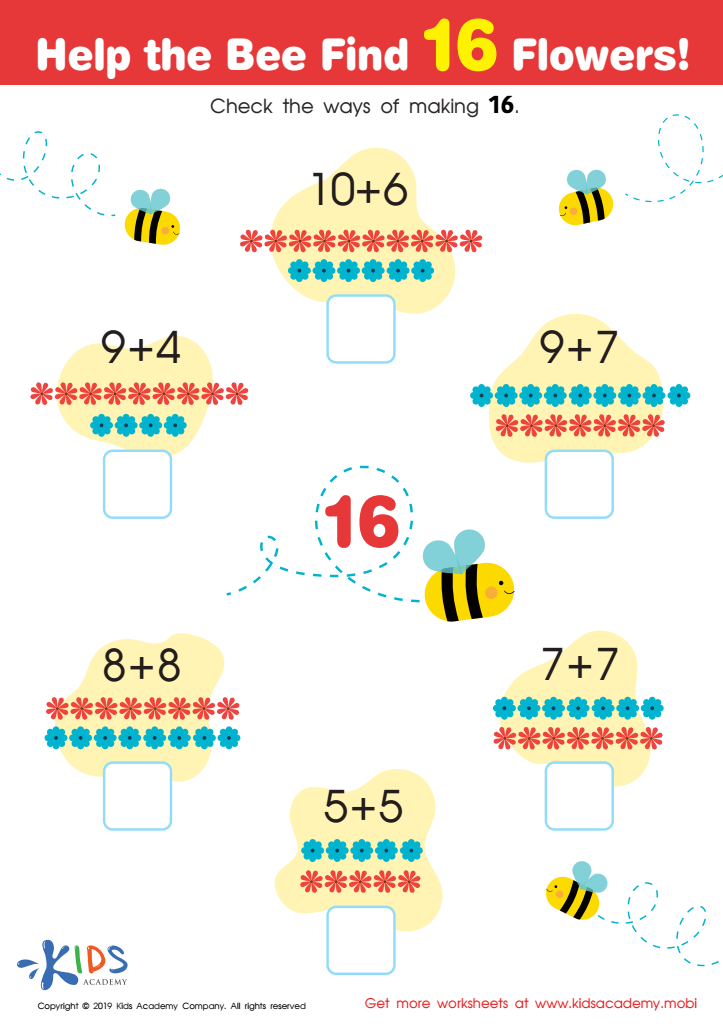
Help the Bee Find 16 Flowers Worksheet
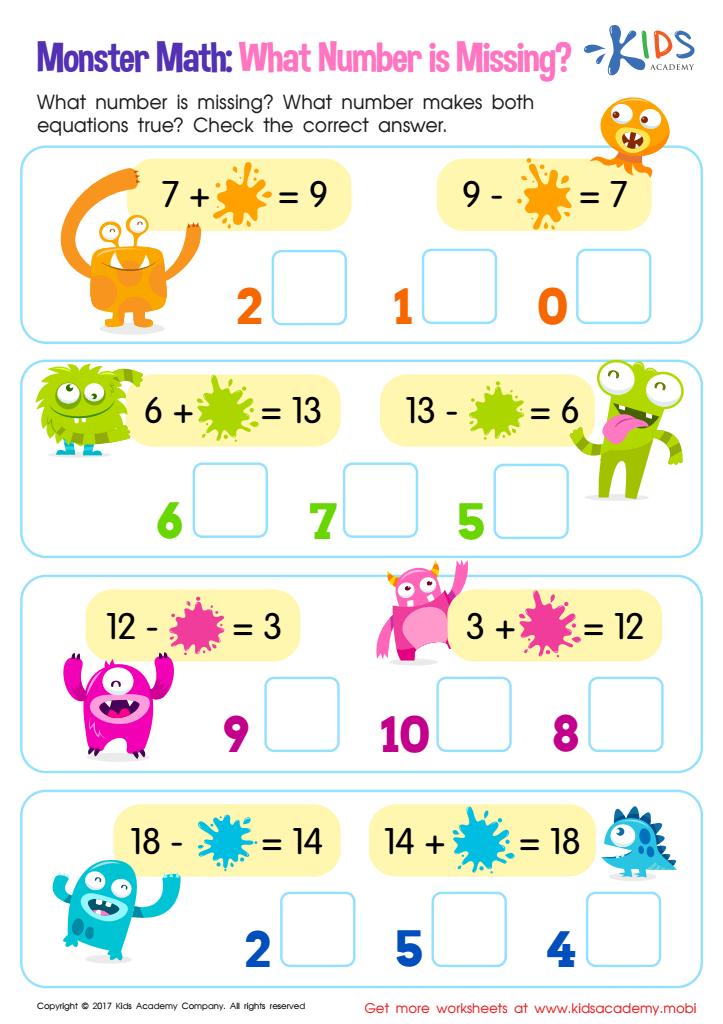
Missing Number: Monster Math Worksheet








Parents and teachers should prioritize teaching young children about following instructions in normal addition and subtraction for several critical reasons. Firstly, mastery of these foundational math skills fosters cognitive development, enabling children to understand basic concepts that they will build upon throughout their education. When children learn to add and subtract properly, they develop problem-solving skills and logical reasoning—core abilities that will serve them in various aspects of life.
Additionally, following instructions is crucial in helping children grasp the procedural nature of math. Understanding how to execute multi-step problems not only aids in their math fluency but also enhances their capacity to listen, focus, and comprehend directions, skills beneficial beyond mathematics.
Moreover, engaging in these mathematical processes allows for the development of a growth mindset; as children practice, they learn that mistakes are part of the learning process, encouraging perseverance.
Encouraging consistent practice in a structured environment helps children internalize these skills, leading to increased confidence. By laying a solid foundation in addition and subtraction, parents and teachers set young learners on a path to academic success, equipping them with the essential tools for future learning and real-world problem-solving.








