Addition Practice Normal Place Value Worksheets for Ages 3-7
5 filtered results
-
From - To
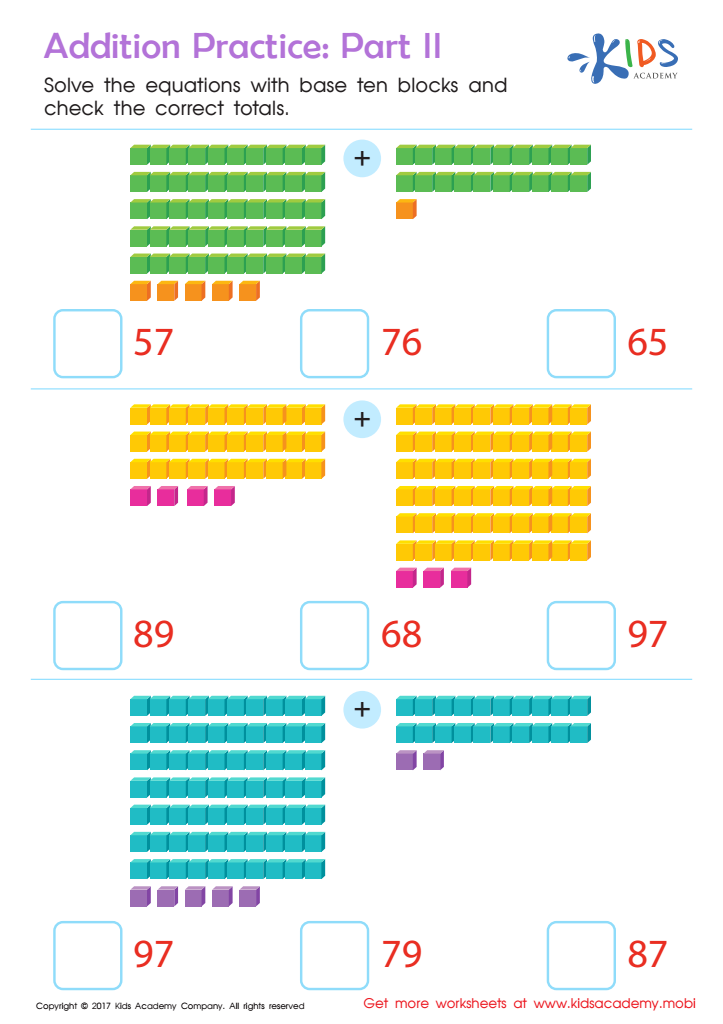
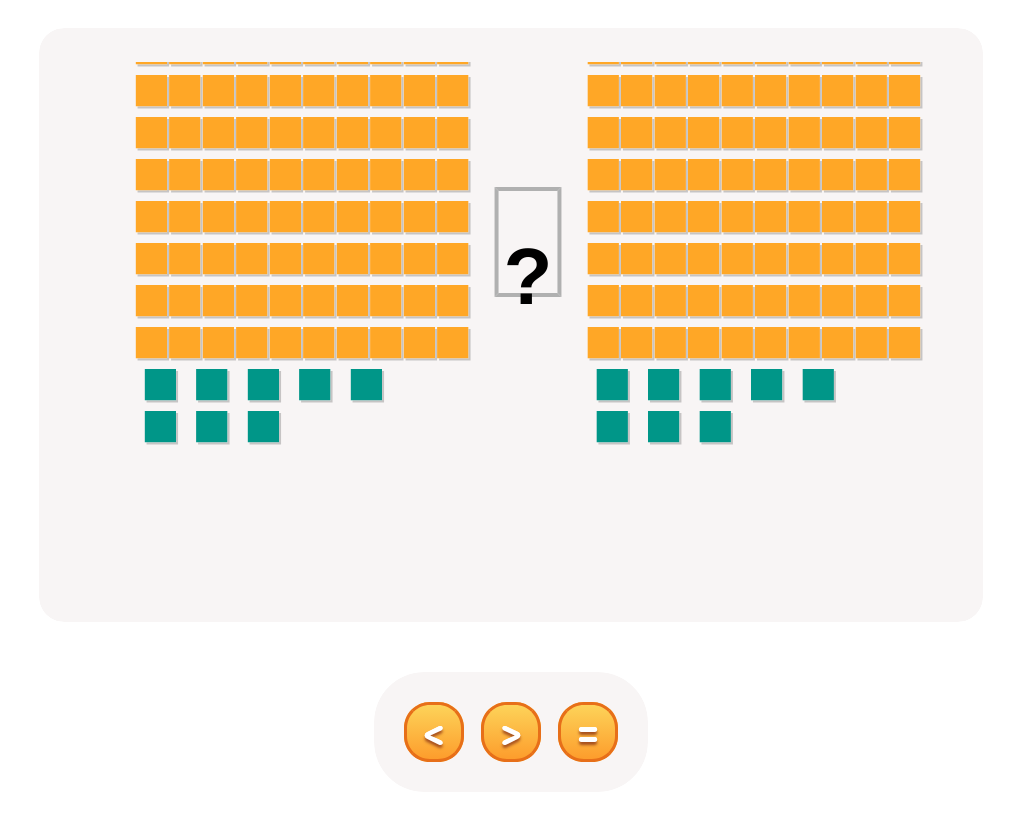
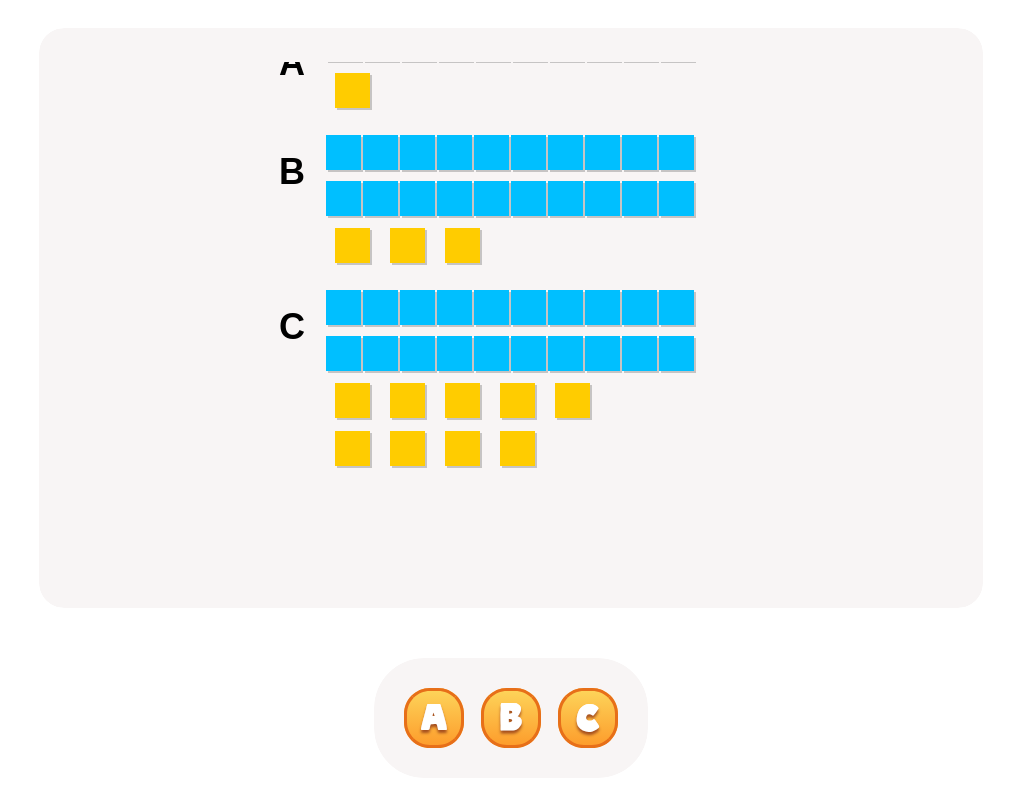
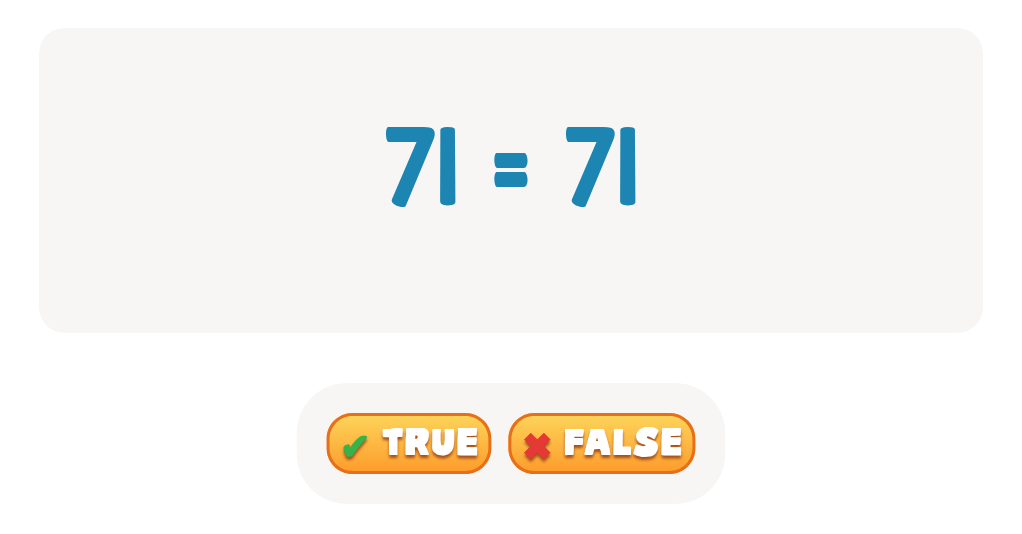
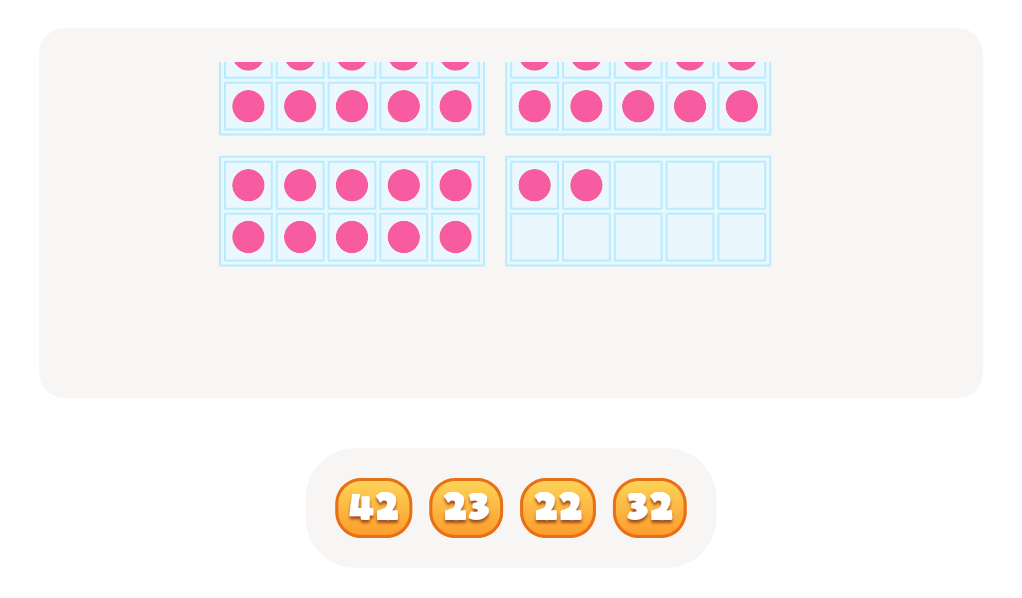
Introduce your young learner to the world of numbers with our Addition Practice Normal Place Value Worksheets designed for ages 3-7. These engaging, easy-to-follow activities are perfect for building foundational math skills. Kids will practice adding within the normal place value system, enhancing their understanding of numbers and fostering developmental confidence. Each worksheet features colorful illustrations and simple problems, making learning fun and effective. Ideal for both classroom and home practice, these worksheets support early math learners in mastering addition concepts, ensuring they progress with ease and enthusiasm. Watch your child's mathematical abilities flourish with regular practice!
Addition Practice Sheet: Part 2
 Assign to My Students

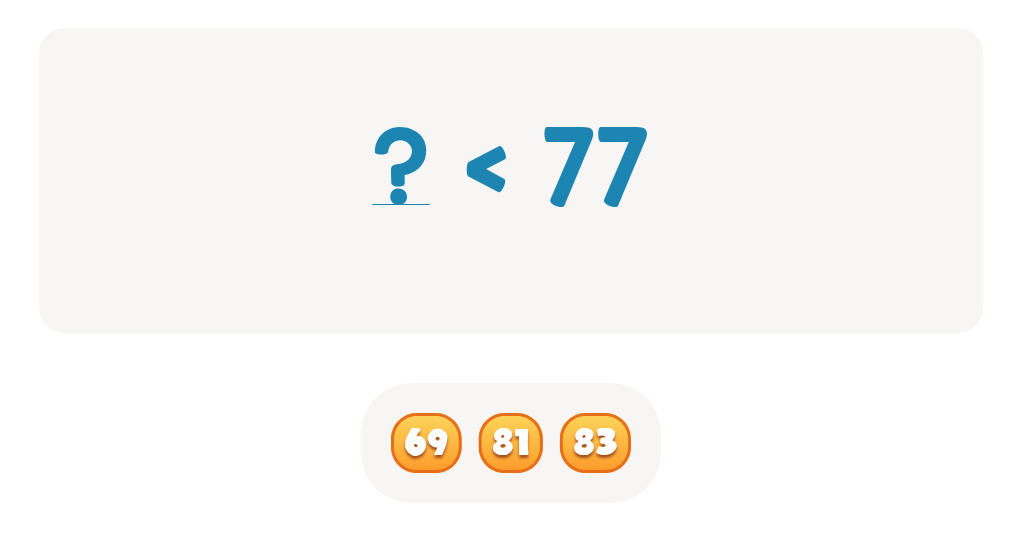
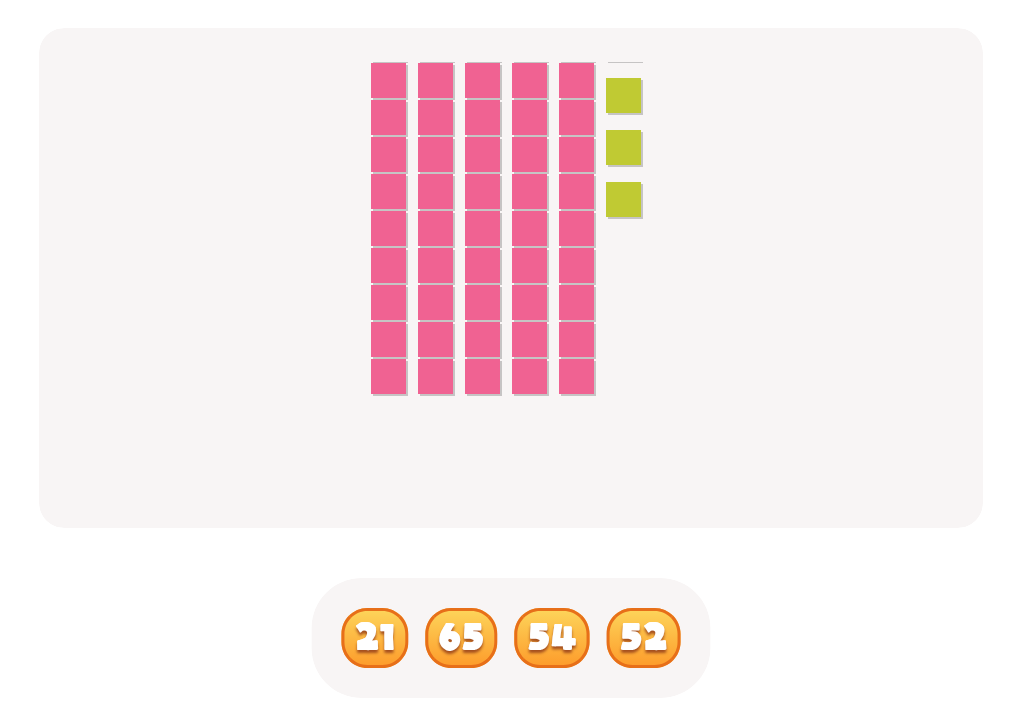
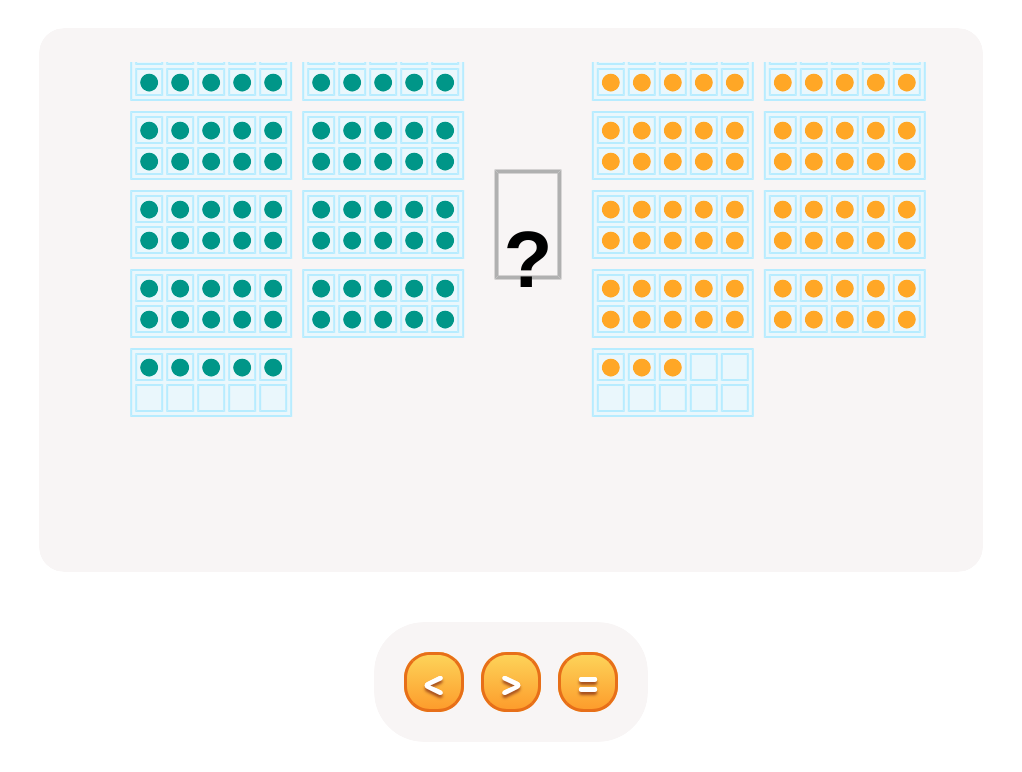
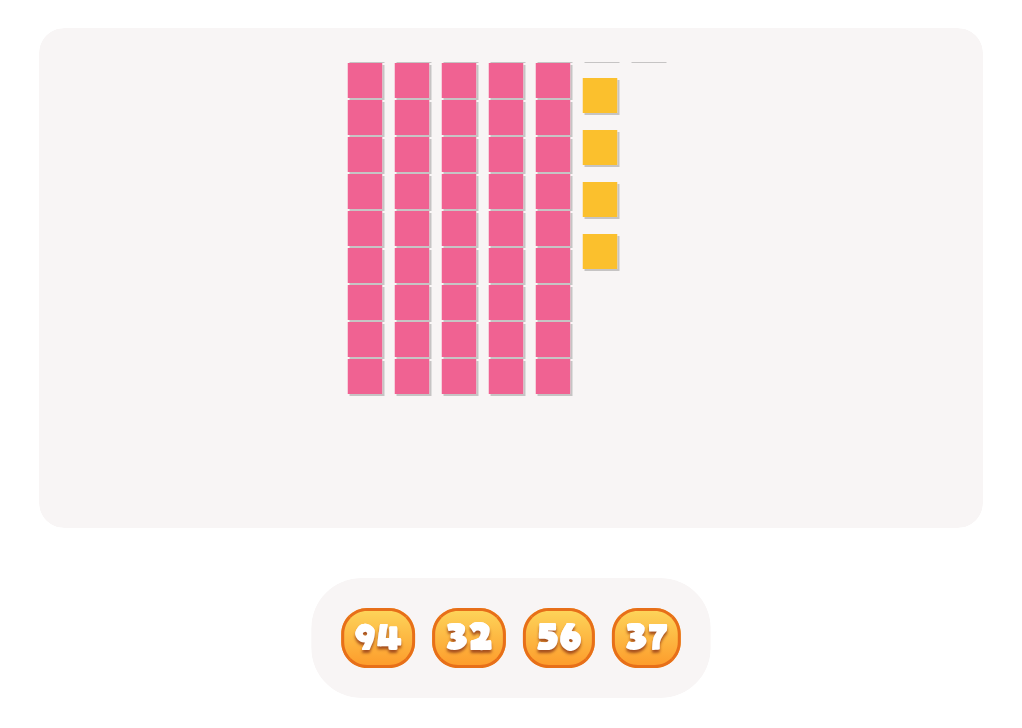
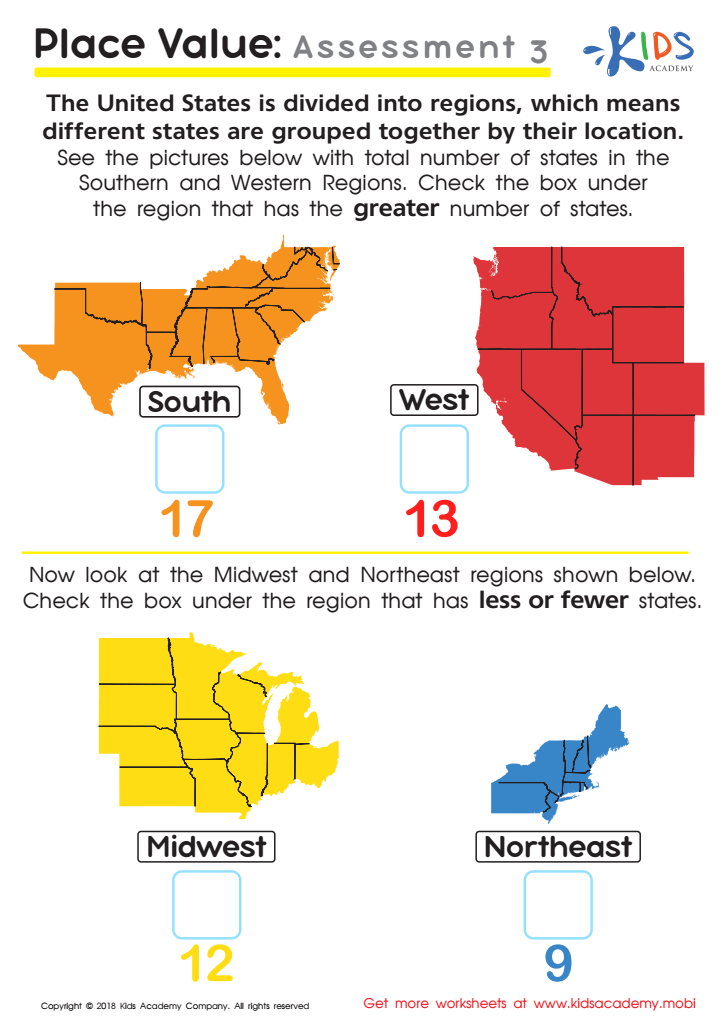
Place Value: Assessment 3 Worksheet
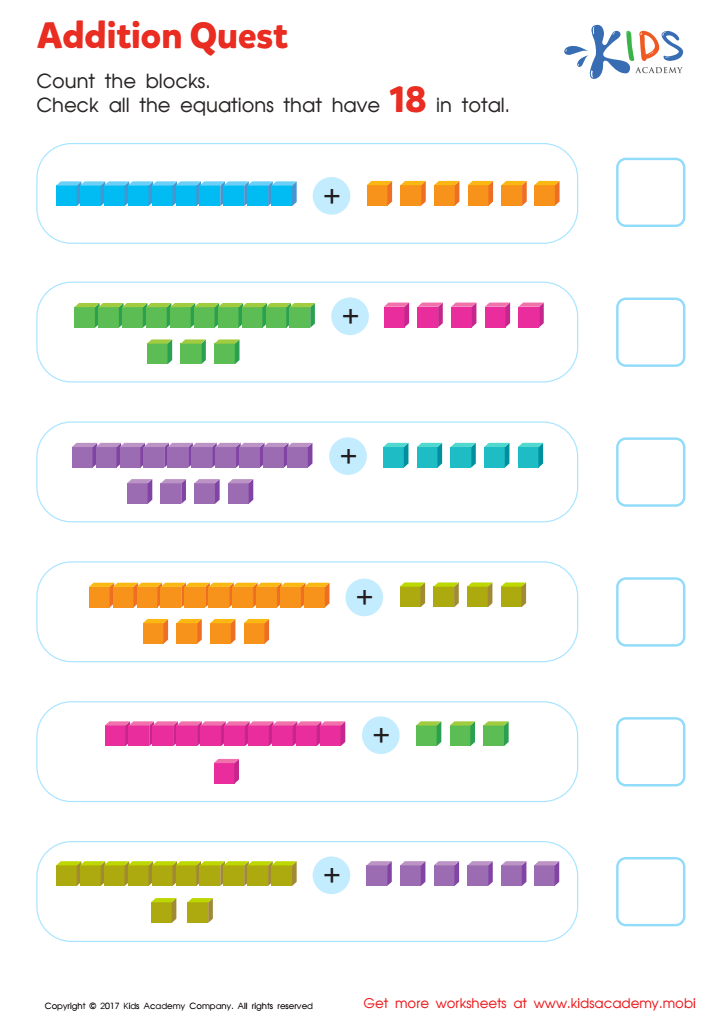
Addition Quest Worksheet: Part 2
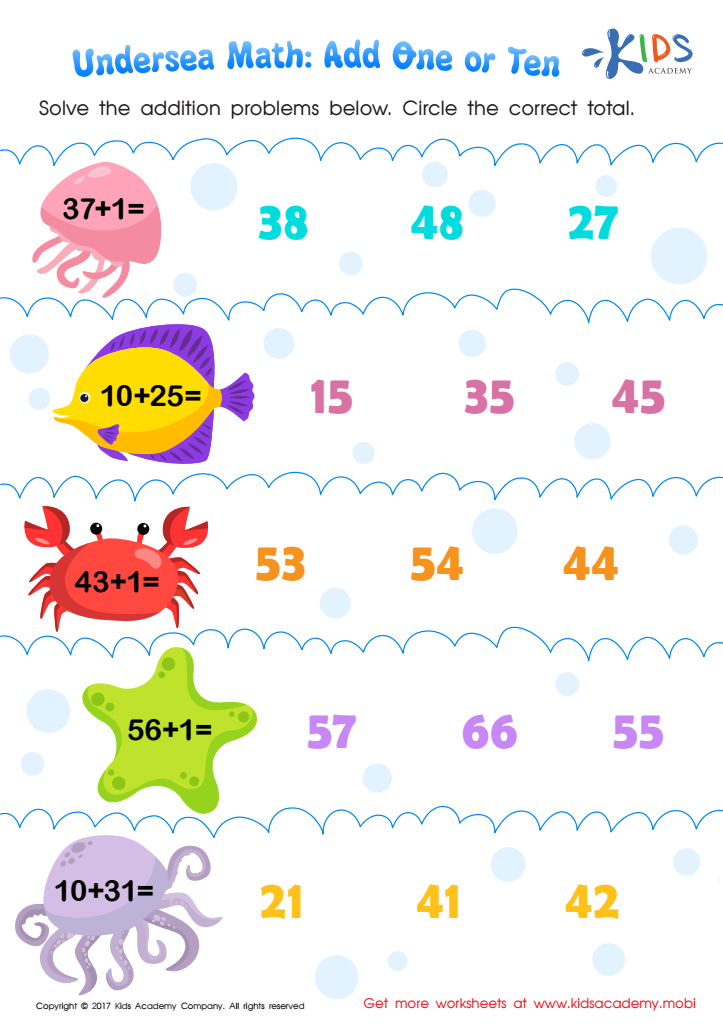
Undersea Math Worksheet
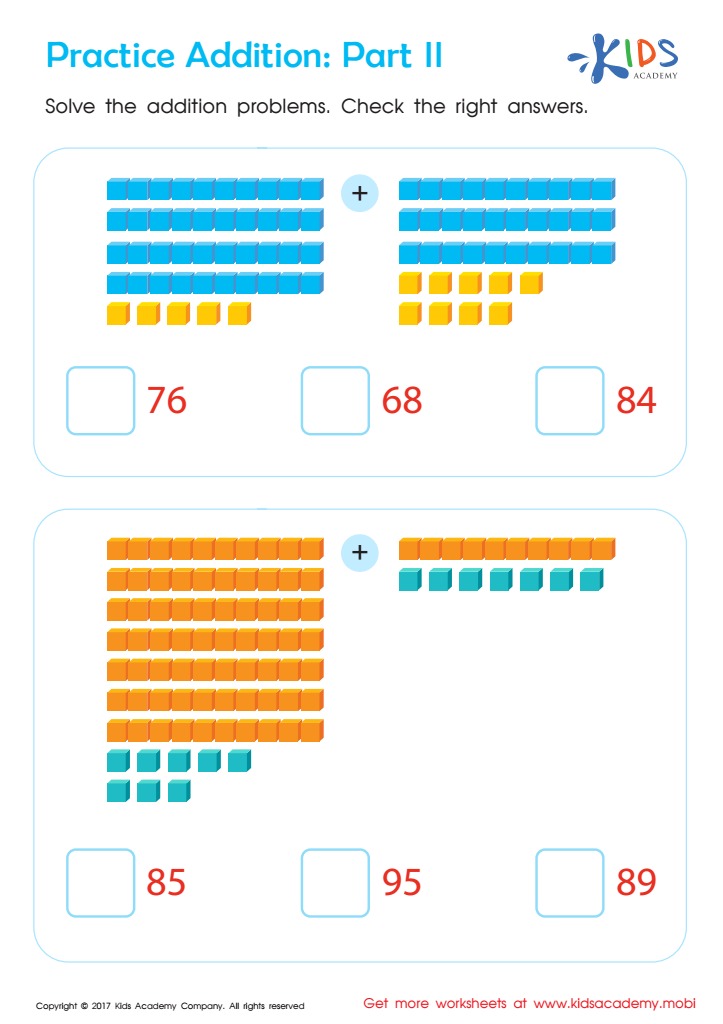
Practice Addition: Part 2 Worksheet








Parents and teachers should care about practicing addition with normal place values for children ages 3-7 as it lays a critical foundation for their future mathematical understanding and cognitive development. During early childhood, children's brains are highly plastic, meaning they are exceptionally receptive to new information and skills. Grasping the fundamentals of addition and place value helps establish key numeracy skills necessary for more advanced arithmetic operations later on, like subtraction, multiplication, and division.
Understanding place value is pivotal in comprehending how numbers work and interact. For instance, recognizing that in the number 34, "3" stands for three tens (or thirty) and "4" stands for four units, enables children to manipulate and visualize numbers more effectively. This base-10 system, crucial for arithmetic fluency, becomes intuitive and eats into broader numerical skills when solidified early.
Moreover, proficiency in basic arithmetic boosts a child's confidence and interest in mathematics, creating a positive feedback loop—a confident student is more likely to engage deeply and persistently with challenging problems, leading to better learning outcomes. Also, during these formative years, building these critical skills maximizes readiness for formal schooling, ensuring that children are not left behind academically.
Therefore, meticulous attention to addition practice and understanding place value benefits cognitive development and academic success, fostering a life-long affinity towards math and problem-solving.