Fine Motor Skills Normal Building Vocabulary Worksheets for Ages 3-7
6 filtered results
-
From - To
Enhance your child's vocabulary and fine motor skills with our engaging Building Vocabulary Worksheets for ages 3-7. Specially designed to develop foundational skills, these worksheets feature a variety of fun activities that encourage learning new words while also improving hand-eye coordination and small muscle movements. Each worksheet is crafted to make learning enjoyable, blending educational content with playful exercises. Perfect for early learners, our resources support both reading and writing readiness, aiding language acquisition in a nurturing and effective way. Empower young minds and help them thrive with our exceptional educational tools.
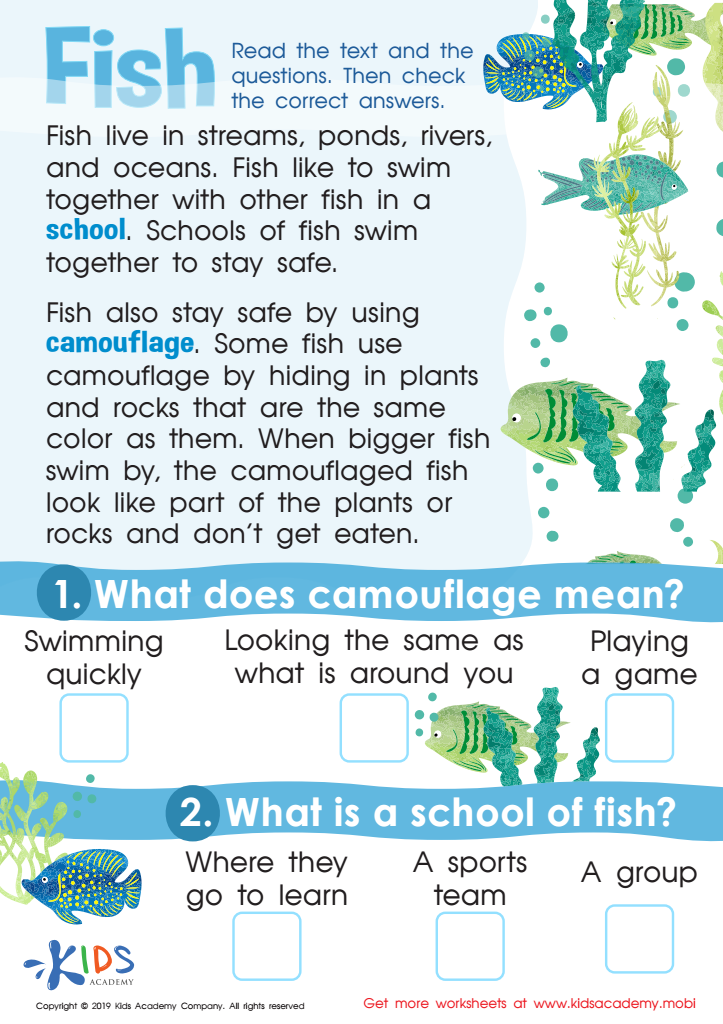
Fish Worksheet
 Assign to My Students











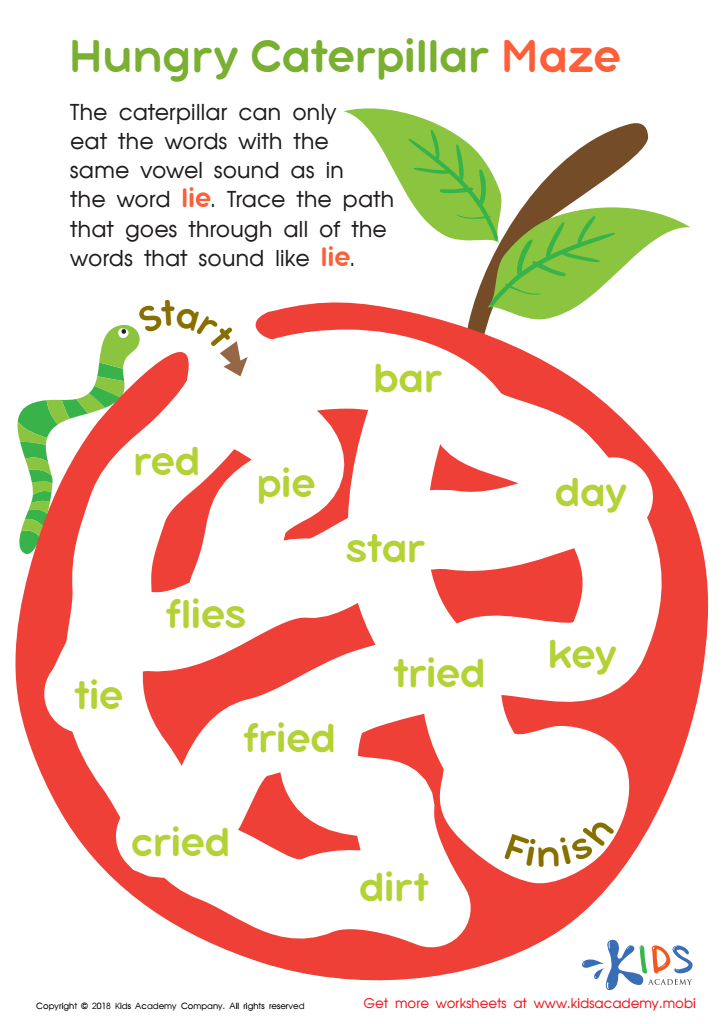
Hungry Caterpillar Maze Worksheet
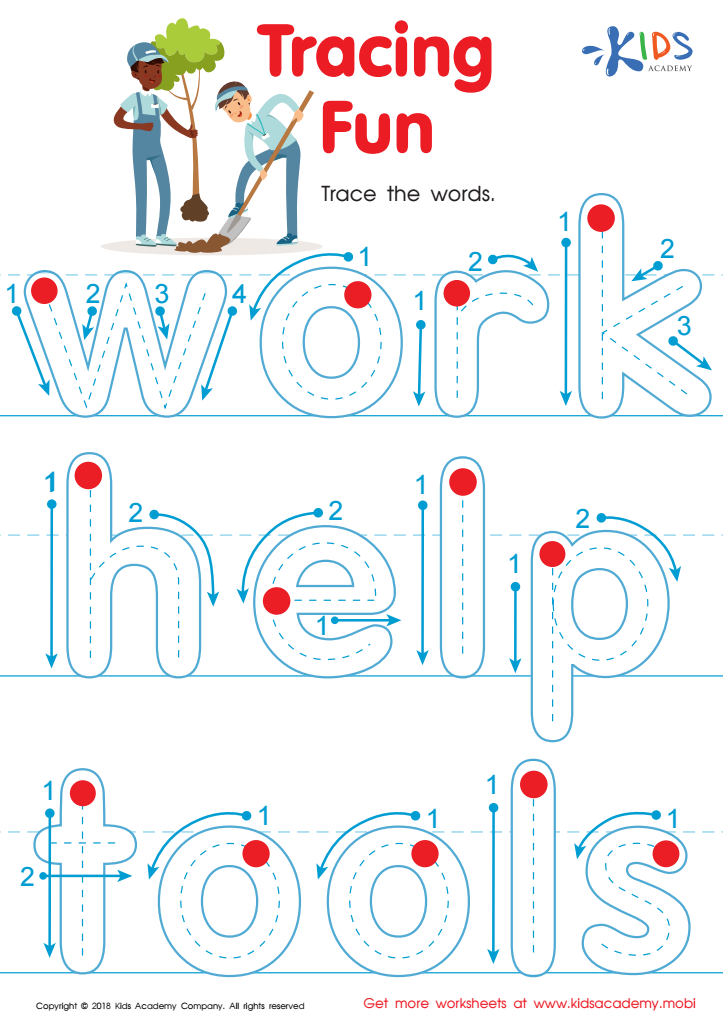
Tracing Fun Worksheet
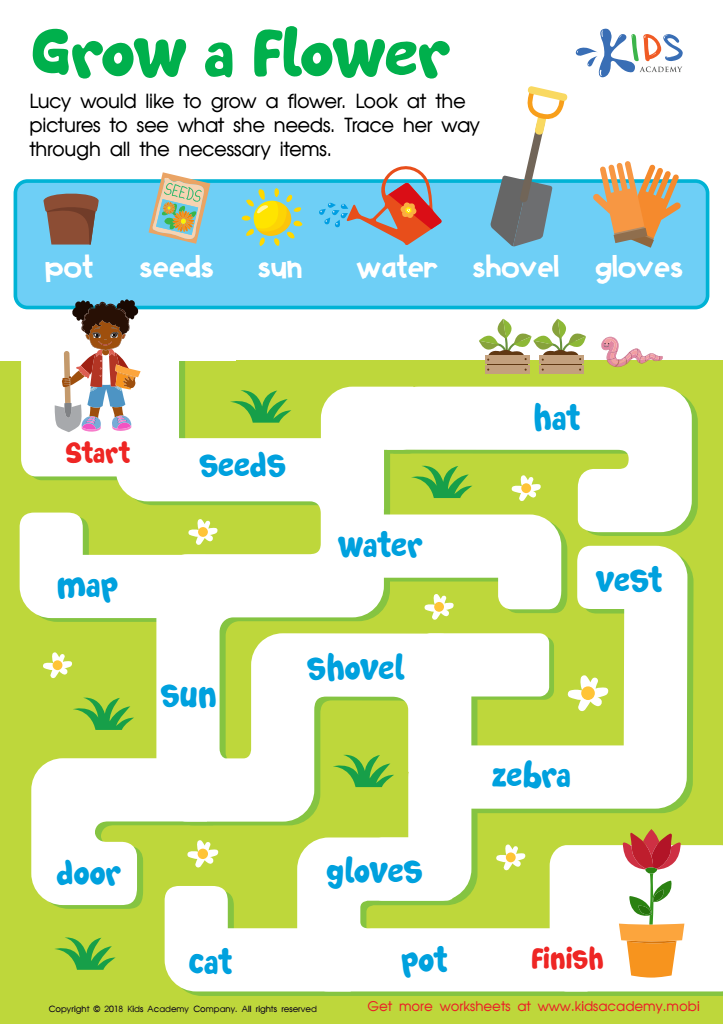
Grow a Flower Worksheet
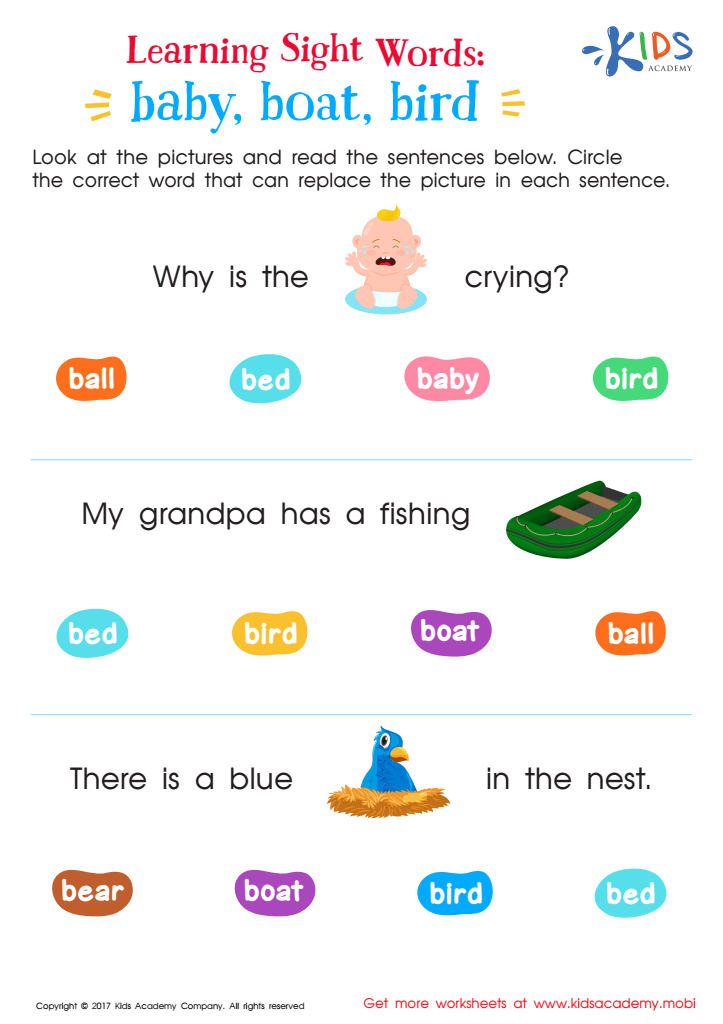
Baby, Boat, Bird Worksheet Sight Words Worksheet
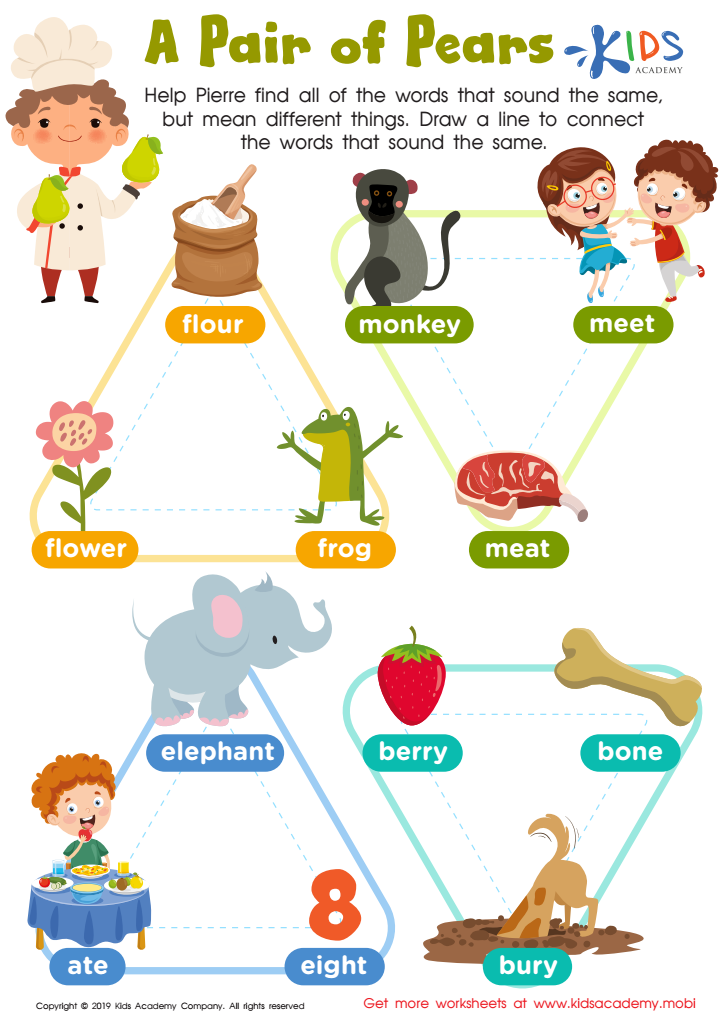
Pair Pears Worksheet







.jpg)
Parents and teachers should prioritize the development of fine motor skills and vocabulary in children ages 3-7 because these foundational abilities significantly impact overall academic and personal growth. Fine motor skills enable children to perform essential tasks such as writing, buttoning clothes, and cutting with scissors. These actions are not only critical for daily independence but also for classroom activities that foster learning and cognitive development. Poor fine motor skills can lead to frustration and a lack of confidence, impacting a child’s willingness to participate and learn.
Building vocabulary at a young age is equally crucial. A strong vocabulary is the bedrock of effective communication and reading comprehension. It allows children to express themselves clearly, ask questions, and engage in conversations, which are vital for social and emotional development. Vocabulary growth at this stage lays the groundwork for reading and academic success. Children who are familiar with a broad range of words are better equipped to grasp new concepts across various subjects, from math to science, which typically introduce more complex terminology.
In summary, fostering fine motor skills and building vocabulary in early childhood sets children on a path toward academic success, social competency, and personal independence. It establishes a foundation that supports learning and development well beyond the early years.








