Vocabulary expansion Normal Building Vocabulary Worksheets for Ages 3-7 - Page 2
30 filtered results
-
From - To
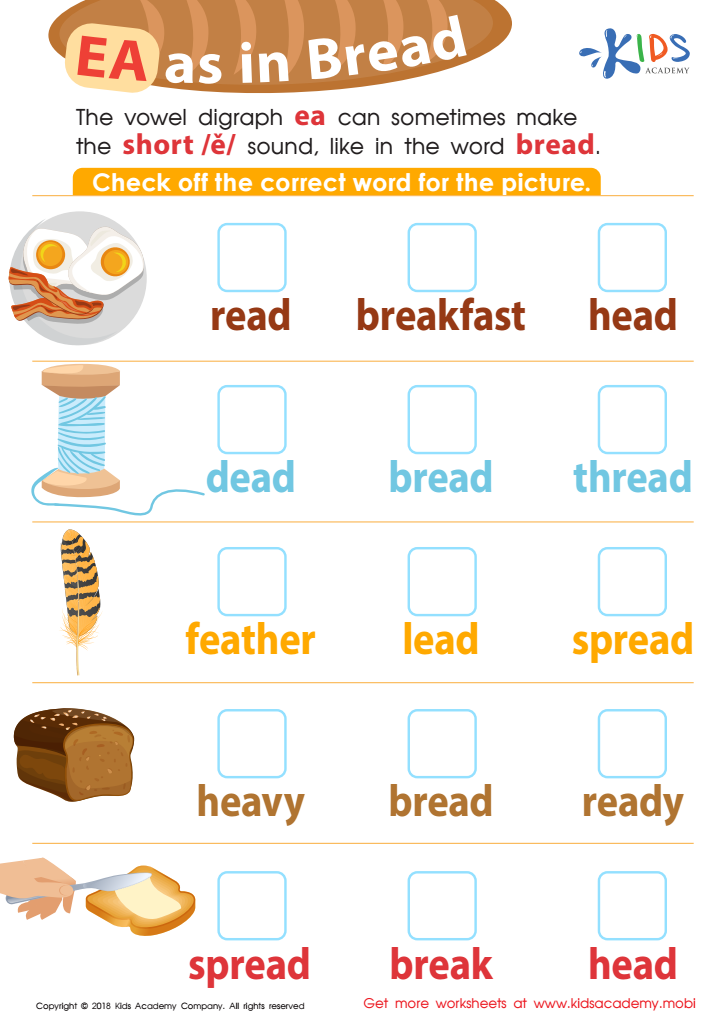
Reading: EA as in Bread Worksheet
 Assign to My Students











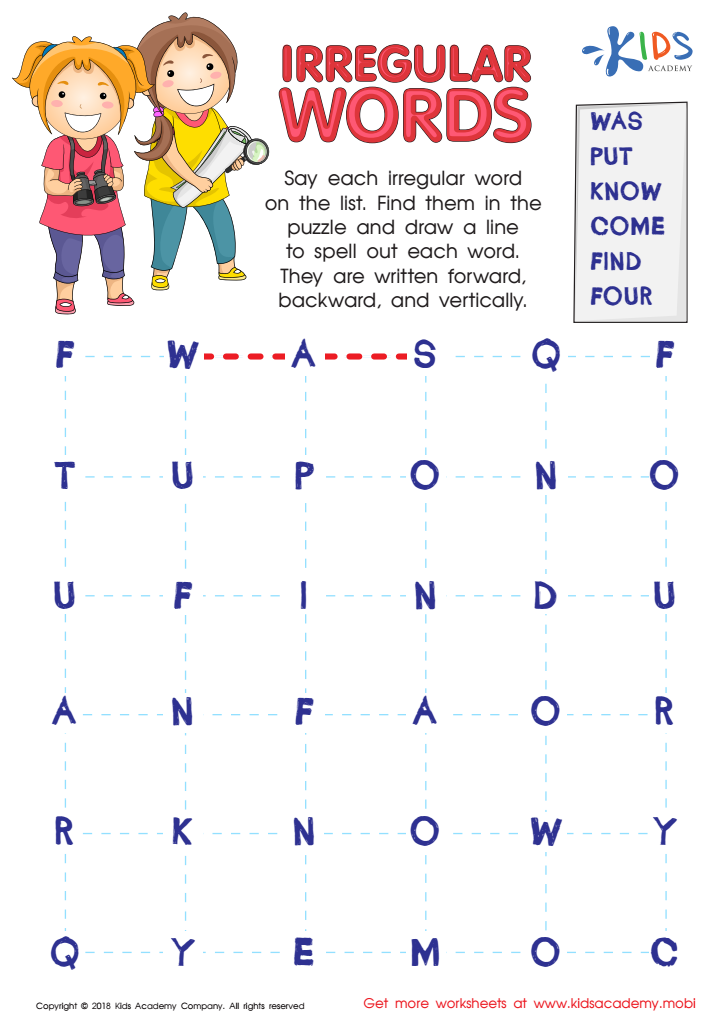
Irregular Words Worksheet
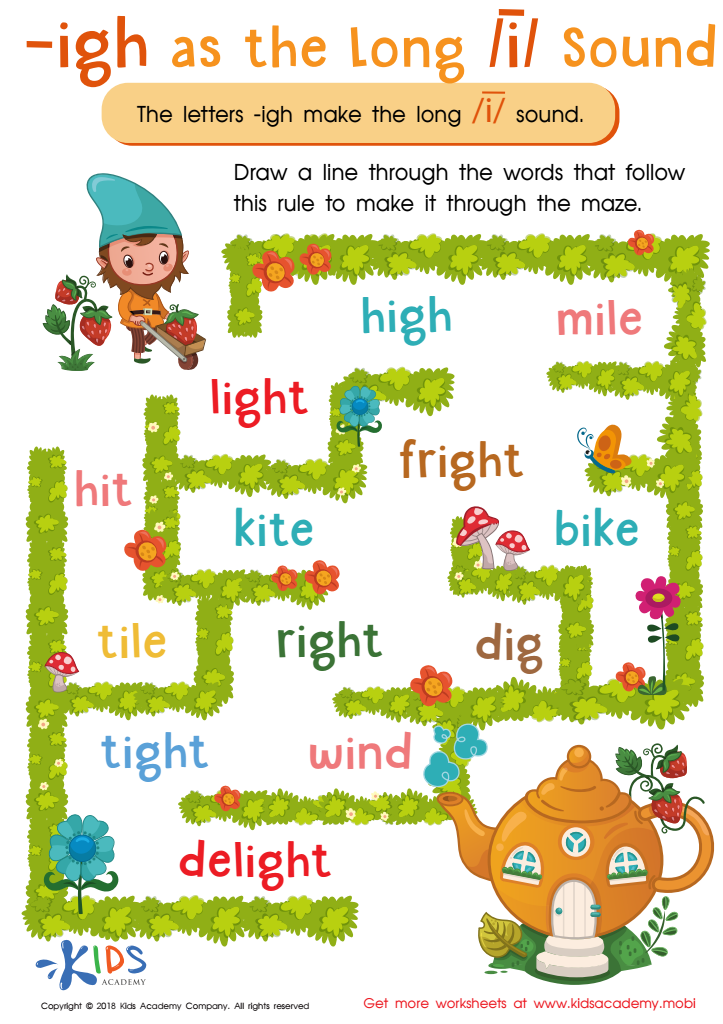
Reading: IGH as Long I Worksheet
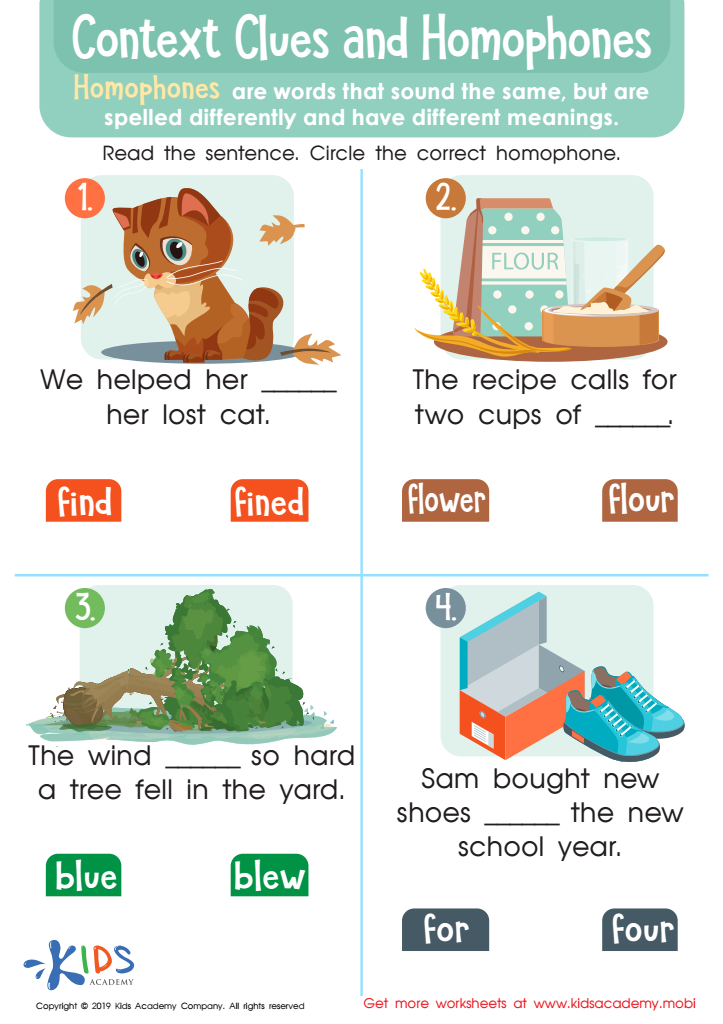
Context Clues and Homophones Worksheet
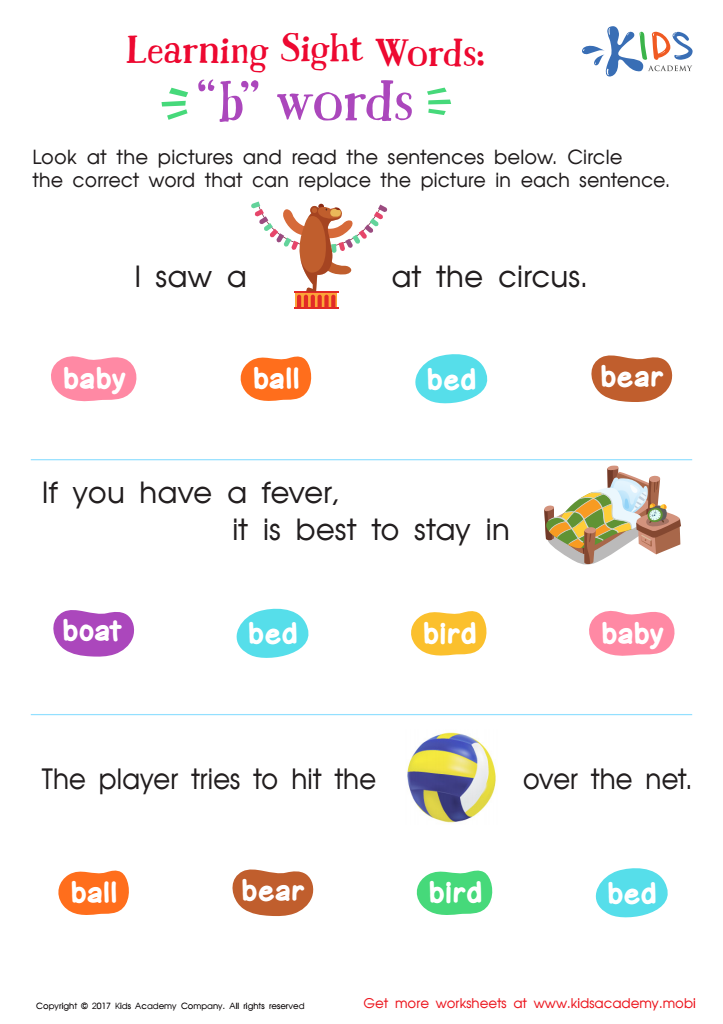
"B" Words Printable Sight Words Worksheet
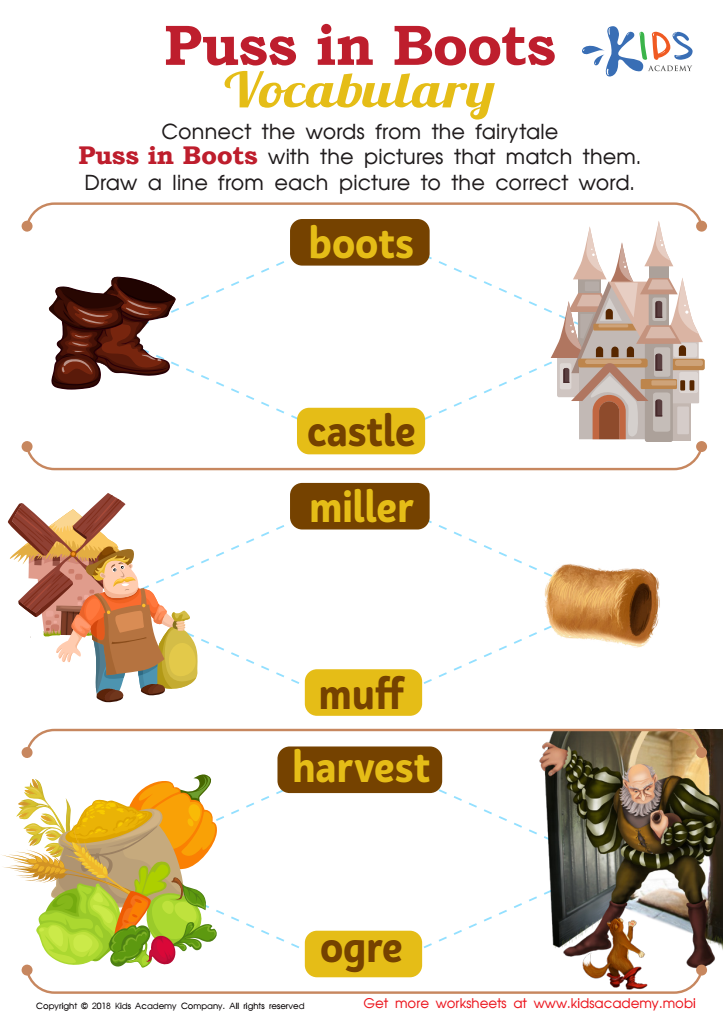
Puss in Boots Vocabulary Worksheet







.jpg)
Vocabulary expansion during early childhood, particularly for ages 3 to 7, is crucial for cognitive and social development. At this age, children's brains are remarkably receptive, absorbing language through interaction and play. A robust vocabulary enhances their ability to express thoughts, feelings, and ideas, which fosters effective communication skills necessary for social interactions and academic success.
Teachers and parents should care about vocabulary building because it lays the foundation for reading comprehension and overall literacy. Expanding vocabulary not only aids in word recognition but also enables children to make connections, understand nuances, and grasp complex concepts later in life. Engaging children in enjoyable, language-rich activities—such as storytelling, singing, and word games—can significantly contribute to their vocabulary growth.
Additionally, vocabulary expansion supports emotional intelligence by helping children articulate their feelings and experiences. A rich vocabulary empowers them to engage in meaningful conversations, fostering strong relationships with peers and adults. By prioritizing vocabulary development, parents and teachers can equip young learners with essential tools for effective expression, critical thinking, and success inside and outside the classroom, ultimately setting the stage for lifelong learning.








