
Color recognition Normal Reading Worksheets for Ages 3-7
3 filtered results
Difficulty Level
Grade
Age
-
From - To
Subject
Activity
Standards
Explore our engaging color recognition normal reading worksheets designed specifically for children aged 3-7. These worksheets provide a fun and interactive way for young learners to identify and differentiate colors while enhancing their reading and comprehension skills. Each activity is tailored to foster creativity and promote language development, making learning enjoyable. With vibrant illustrations and simple language, these resources aim to captivate young minds, encouraging them to explore the world of colors. Perfect for both classroom and home use, our worksheets support early literacy and cognitive skills, empowering children to become confident readers. Start your child’s colorful learning journey today!
Favorites
With answer key
Interactive
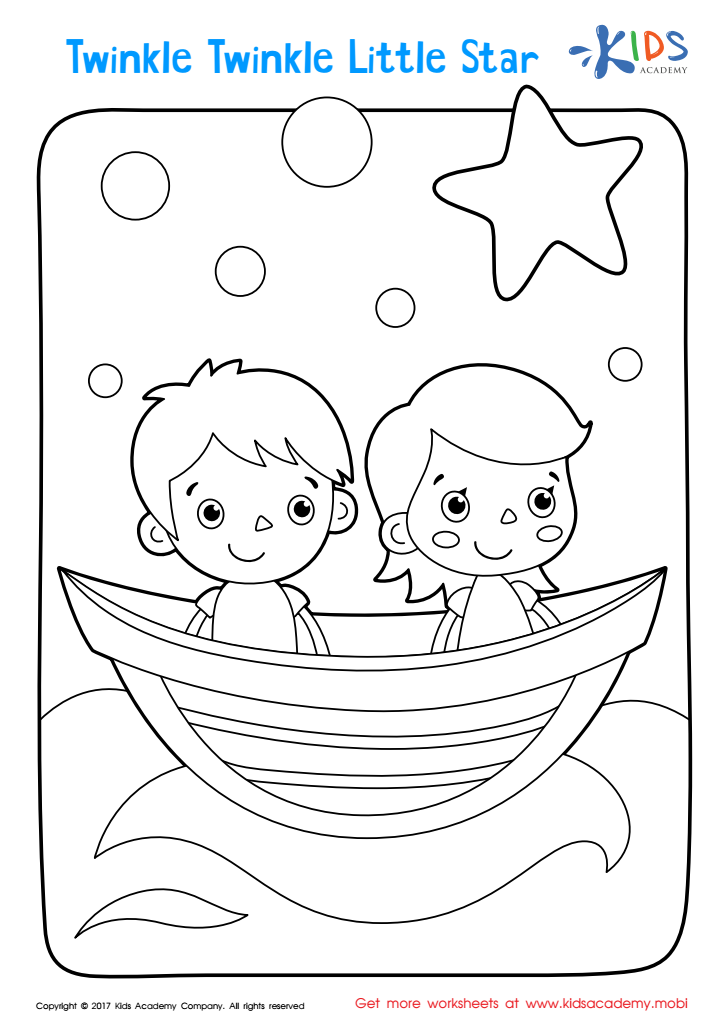
Twinkle Twinkle Little Star Coloring Page
Let your child wish upon a star as they color this scene of boy and girl stargazing. Sing Twinkle Twinkle Little Star while they choose colors to show the star twinkling in the night sky.
Download (PDF)
 Assign to My Students
Assign to My Students
Twinkle Twinkle Little Star Coloring Page
Worksheet
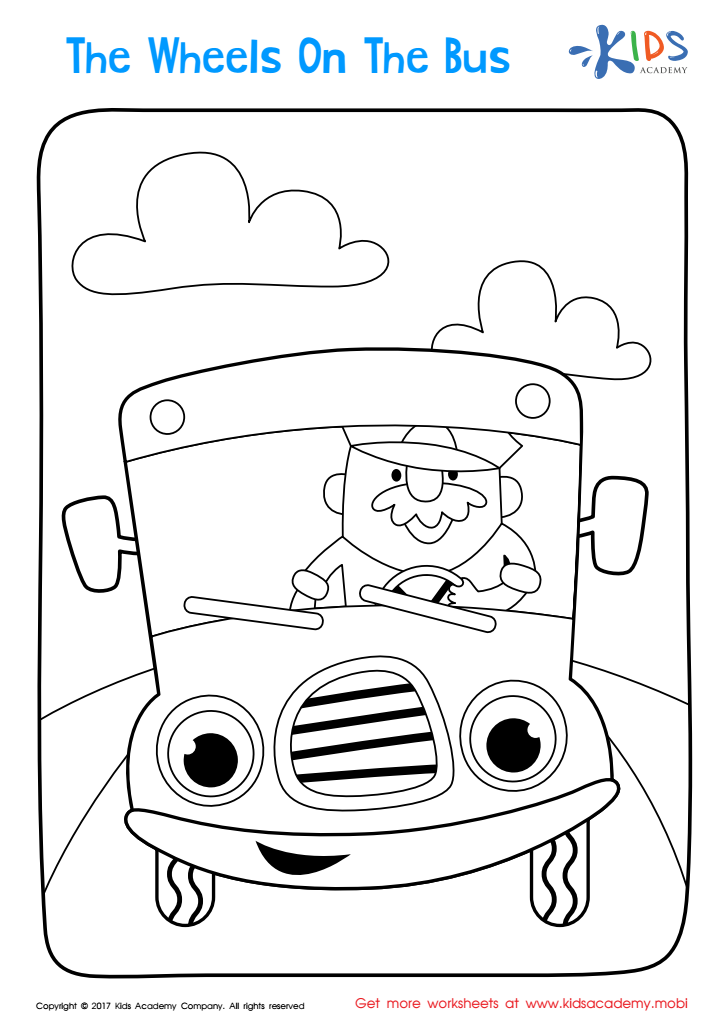
The Wheels on the Bus Coloring Page
Colour and sing with this printable Wheels on the Bus page! Let your child have fun singing the song with you as they colour. It'll make the activity even more entertaining and memorable.
Download (PDF)
Assign to My Students
Assign to My Students
The Wheels on the Bus Coloring Page
Worksheet
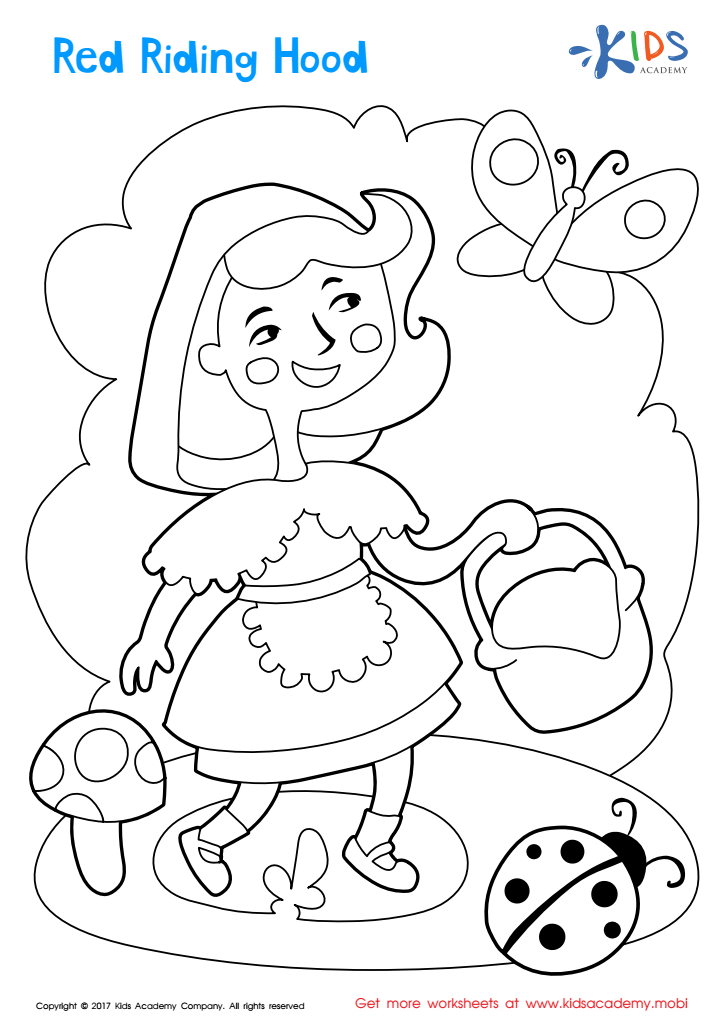
Red Riding Hood Coloring Page
Red Riding Hood awaits in the woods, with a butterfly, mushroom, and ladybug around her. Let your child bring the story to life with this magical printable coloring page. Fairytale fun for all!
Download (PDF)
Assign to My Students
Assign to My Students
Red Riding Hood Coloring Page
Worksheet
Join Kids Academy for Free
Who is primarily going to use this learning content?








Color recognition and normal reading skills are fundamental components of early childhood development, especially for children aged 3-7. By fostering an understanding of colors, parents and teachers can help children enhance their cognitive abilities, improve language development, and strengthen their ability to classify and categorize information. Color recognition serves as a foundation for other essential skills; when children can identify and name colors, it supports their descriptive language and expands their vocabulary.
Moreover, engaging children in activities related to color can facilitate their emotional and social growth. For example, knowing colors allows children to express their preferences and feelings about their surroundings, promoting emotional awareness. This skill also enhances visual literacy and creativity, as children are often involved in arts and crafts that require color discrimination.
Normal reading skills are equally critical, as they lay the groundwork for future academic success. By the age of 7, children should be able to recognize letters, phonetics, and basic sight words. Early intervention establishes a love for reading, enhances comprehension, and fosters critical thinking. Collectively, color recognition and reading skills provide essential building blocks for a child’s overall educational journey, encouraging curiosity, confidence, and a lifelong love of learning. Therefore, parents and teachers should prioritize these important developmental milestones.








