Enhancing Reading Comprehension Normal Reading Worksheets for Ages 3-7
5 filtered results
-
From - To
Enhance your child's reading comprehension skills with our engaging Normal Reading Worksheets tailored for ages 3-7. These printable resources are designed to make learning fun while fostering essential literacy skills. Each worksheet encourages young readers to explore stories, identify key themes, and answer thought-provoking questions that deepen understanding. Our thoughtfully crafted activities promote critical thinking and help children connect ideas, all while building confidence in their reading abilities. Perfect for parents, teachers, or caregivers, these worksheets serve as an excellent tool for enriching early literacy experiences. Unlock the joy of reading with resources that nurture a love for learning!
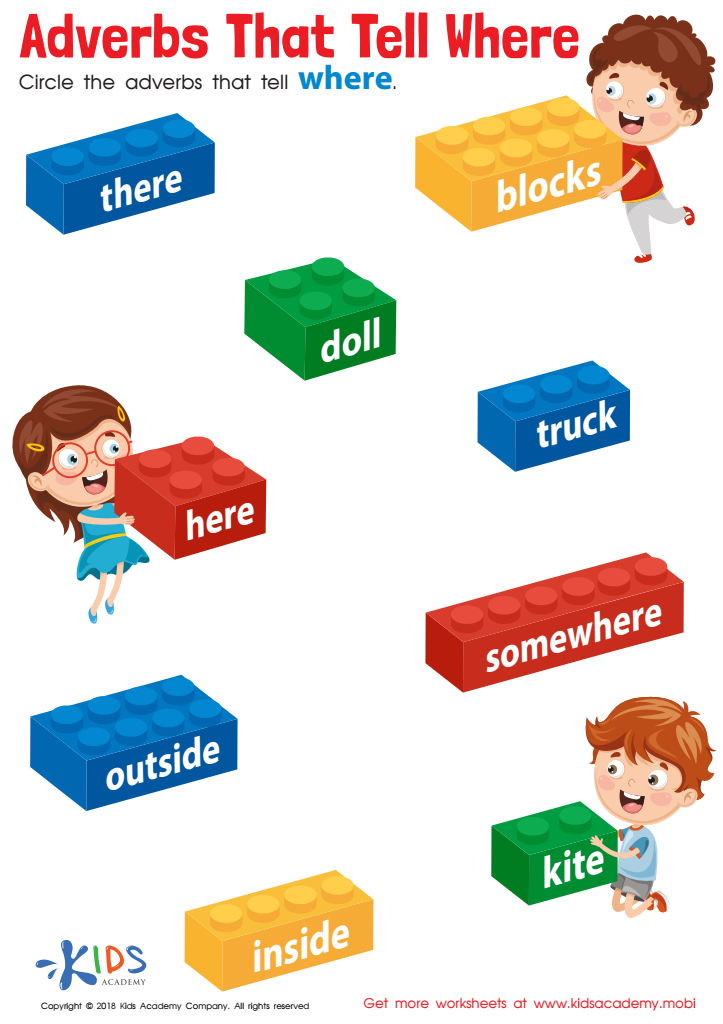
Adverbs That Tell Where Worksheet
 Assign to My Students
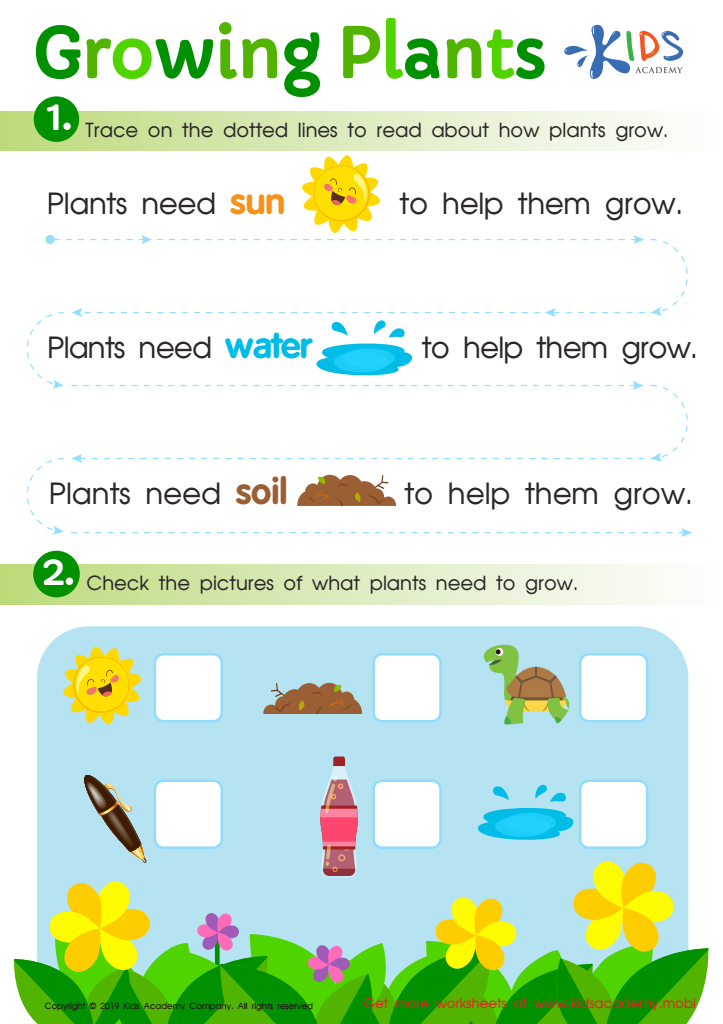
Growing Plants Worksheet
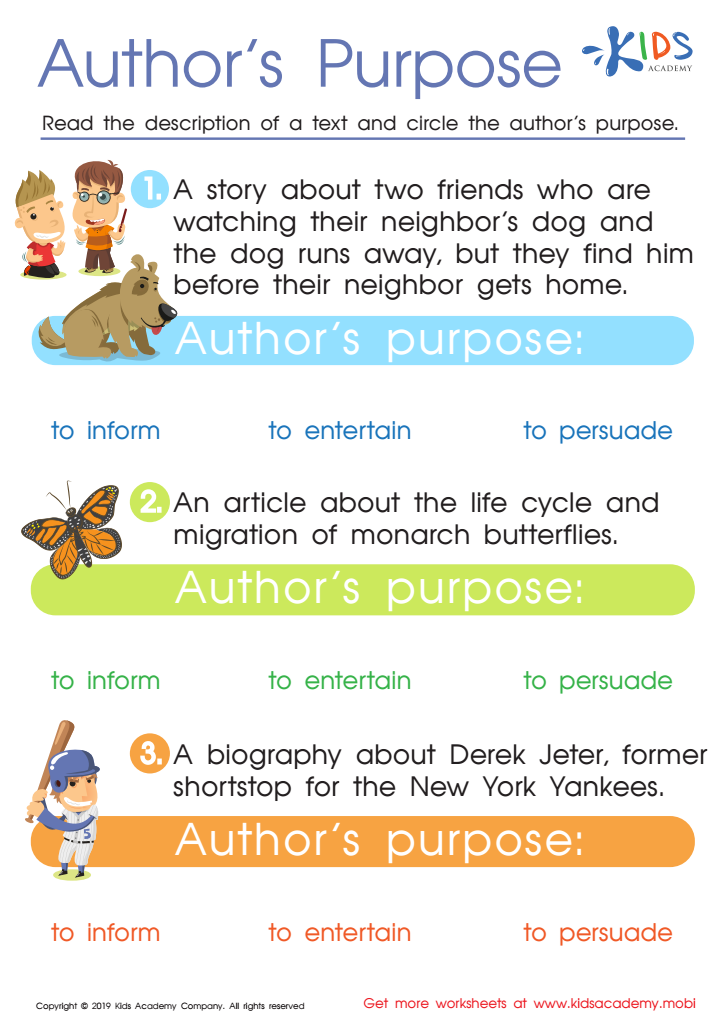
Author's Purpose Worksheet
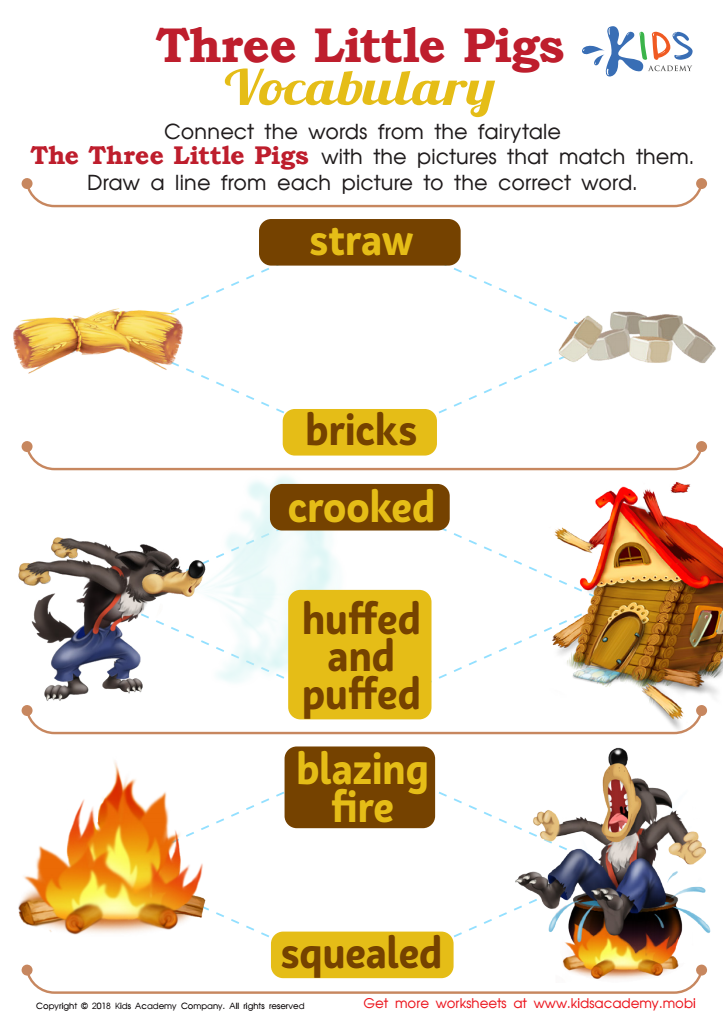
Three Little Pigs Vocabulary Worksheet
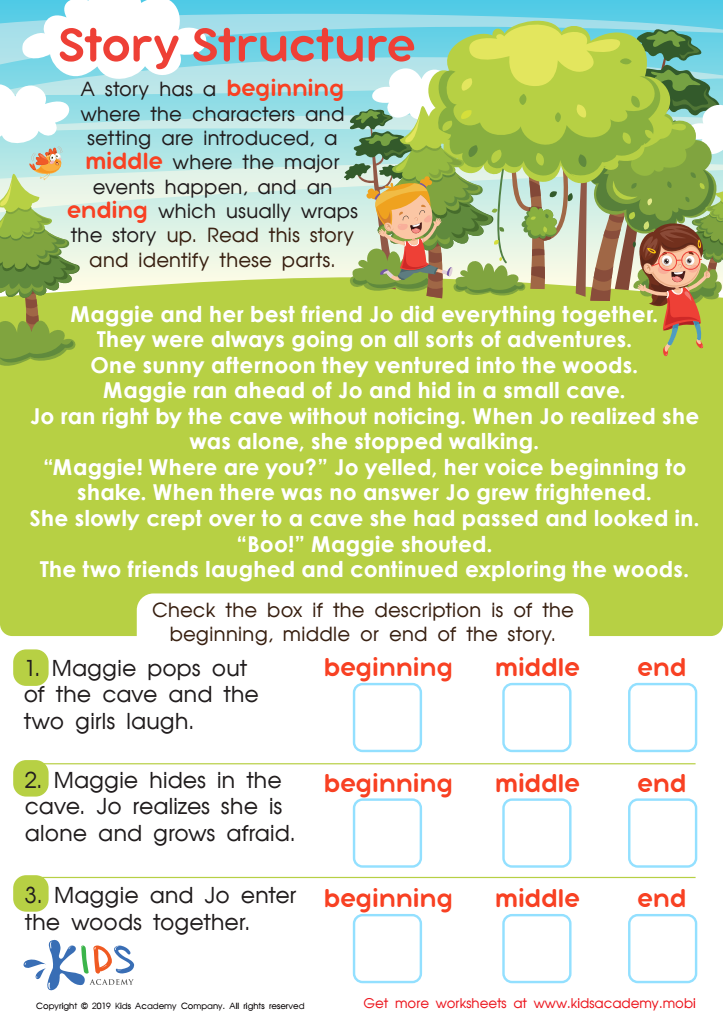
Story Structure Worksheet





.jpg)


Enhancing reading comprehension for children aged 3-7 is crucial for their overall academic success and development. During these formative years, children are not only learning to read but also developing the skills needed to understand what they read. Strong reading comprehension lays the foundation for effective communication, critical thinking, and problem-solving abilities.
Parents and teachers should care about fostering reading comprehension because research indicates that the skills developed during early reading experiences significantly impact future learning capabilities. Children who understand stories and concepts are able to express themselves better, engage in discussions, and relate personally to the material. This nurtures a love for learning and encourages curiosity, making them more enthusiastic learners.
Furthermore, enhancing reading comprehension can mitigate issues like learning disabilities or reading struggles later on. When instructors and parents actively promote comprehension strategies—such as discussing stories, asking open-ended questions, and making connections to real-life experiences—they help cultivate a supportive environment that boosts self-esteem and motivation in young readers.
Finally, early reading skills correlate with long-term academic achievement and social skills, highlighting the need for proactive efforts among educators and families to enrich the reading experiences of young children. Investing in these skills now yields benefits that last a lifetime.








