Spatial awareness Normal Reading Worksheets for Ages 3-7
3 filtered results
Difficulty Level
Grade
Age
-
From - To
Subject
Activity
Standards
Enhance your child's reading and cognitive skills with our Spatial Awareness Normal Reading Worksheets for ages 3-7 from Kids Academy. Specially designed to improve spatial understanding, these fun and engaging worksheets help young learners navigate and interpret their environment effectively. By focusing on positioning words, patterns, and problem-solving activities, children will build a strong foundation in both literacy and spatial awareness. Ideal for preschoolers and early elementary students, each worksheet blends visual and textual elements to make learning both exciting and educational. Unlock your child's potential and make reading a delightful adventure!
Favorites
With answer key
Interactive
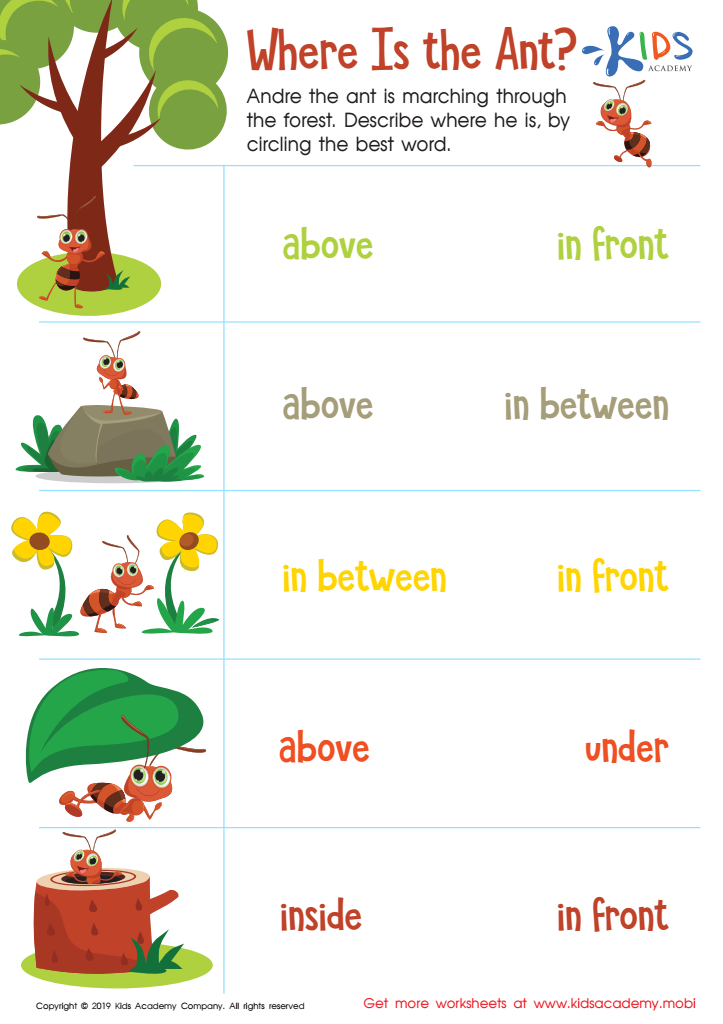
Where Is the Ant? Worksheet
Kids are captivated by ants. Andre is a busy ant, marching through the forest. Help your child circle the best word that best describes what he's doing in each picture. This colorful printout will show them the way.
 Assign to My Students
Where Is the Ant? Worksheet
Worksheet
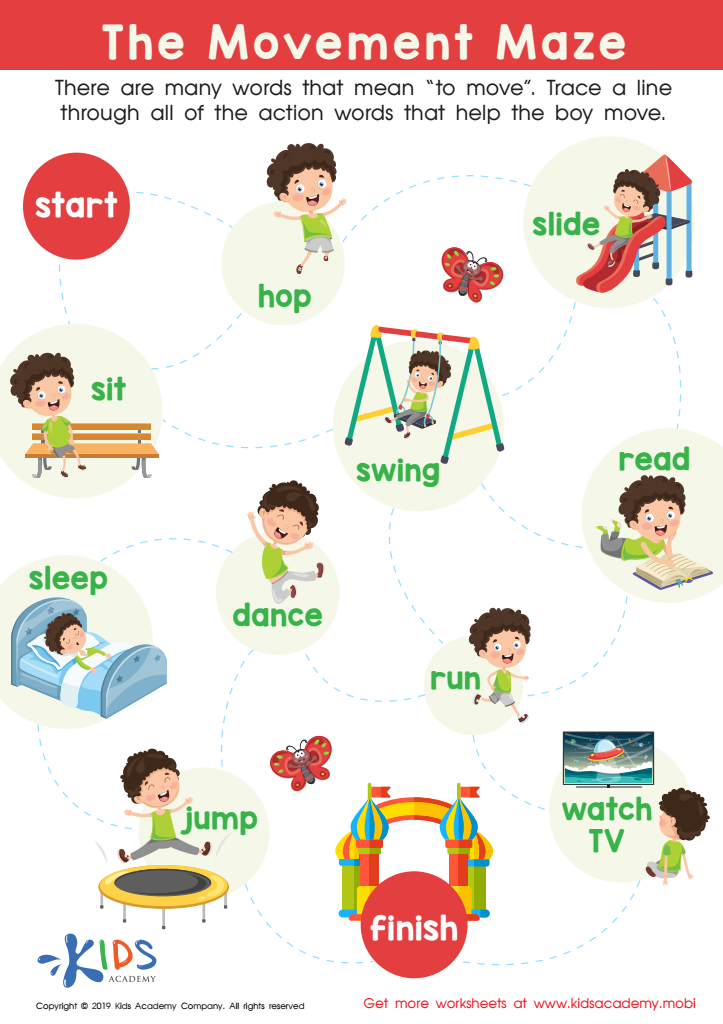
The Movement Maze Worksheet
Let your child have fun with this interactive PDF download. Kids will learn movement words with cute pictures, plus practice fine motor skills as they trace. A fun way to reinforce vocabulary. Jump, hop and sit – it's all here!
The Movement Maze Worksheet
Worksheet
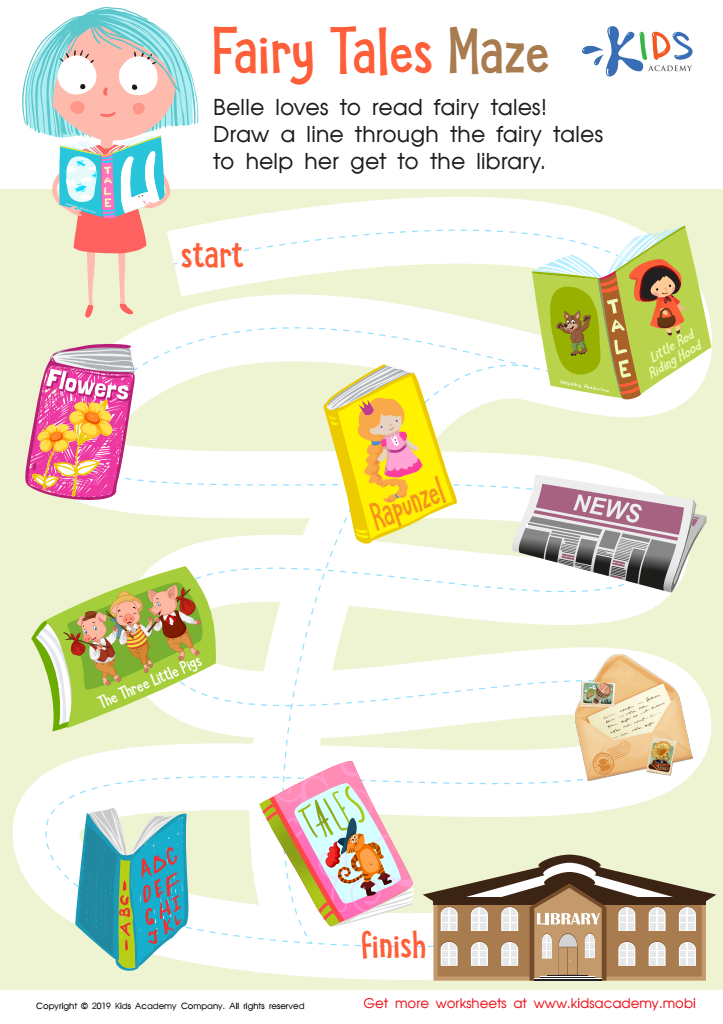
Fairy Tales Maze Worksheet
Kids love mazes and fairy tales, so this free worksheet is a great way to help teach young readers about familiar topics. They'll join Bella and use the traceable lines to travel through different reading genres, and find their way to the library for a nice reward!
Fairy Tales Maze Worksheet
Worksheet
Join Kids Academy for Free
Who is primarily going to use this learning content?







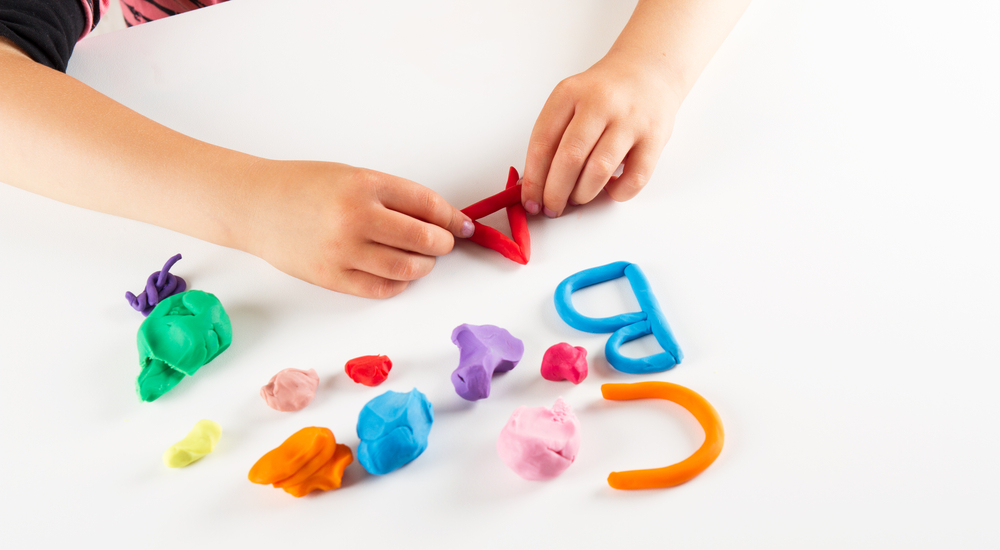
Spatial awareness and normal reading development are crucial components for children aged 3-7 to build a strong foundation for future academic and everyday life skills. Spatial awareness helps children understand the relationship between objects and themselves. This cognitive skill is critical for activities like reading, writing, solving puzzles, and navigating through their environment. For example, proper letter and word recognition require an understanding of spatial relationships on a page, which directly influences reading fluency and comprehension.
Normal reading development during these formative years significantly impacts a child's communication skills, vocabulary expansion, and overall cognitive growth. Reading to and with children helps them recognize patterns, comprehend narratives, and develop critical thinking skills. It boosts their ability to decode words and formulate sentences, setting the stage for academic success.
Parents and teachers should prioritize both spatial awareness and reading skills to create a holistic learning environment that caters to the development of these fundamental abilities. Encouraging activities such as interactive storytelling, puzzles, drawing, and navigating space through play can deepen a child's understanding and application of these concepts. By fostering these skills early, parents and teachers can ensure children are better prepared for the complexities of formal education and everyday problem-solving.