Analytical thinking Normal Reading Comprehension Worksheets for Ages 3-7
3 filtered results
-
From - To
Unlock your child's potential with our Analytical Thinking Normal Reading Comprehension Worksheets for ages 3-7. Designed to enhance cognitive development, these worksheets help young learners build strong analytical skills through engaging stories and thought-provoking questions. Each activity focuses on nurturing critical thinking, encouraging kids to make connections, and fostering a love for reading. Educationally crafted for early readers, these worksheets aim to boost comprehension and problem-solving abilities. Ideal for both classroom and home use, our worksheets provide a solid foundation for lifelong learning. Explore our collection today at Kid’s Academy and watch your child thrive!
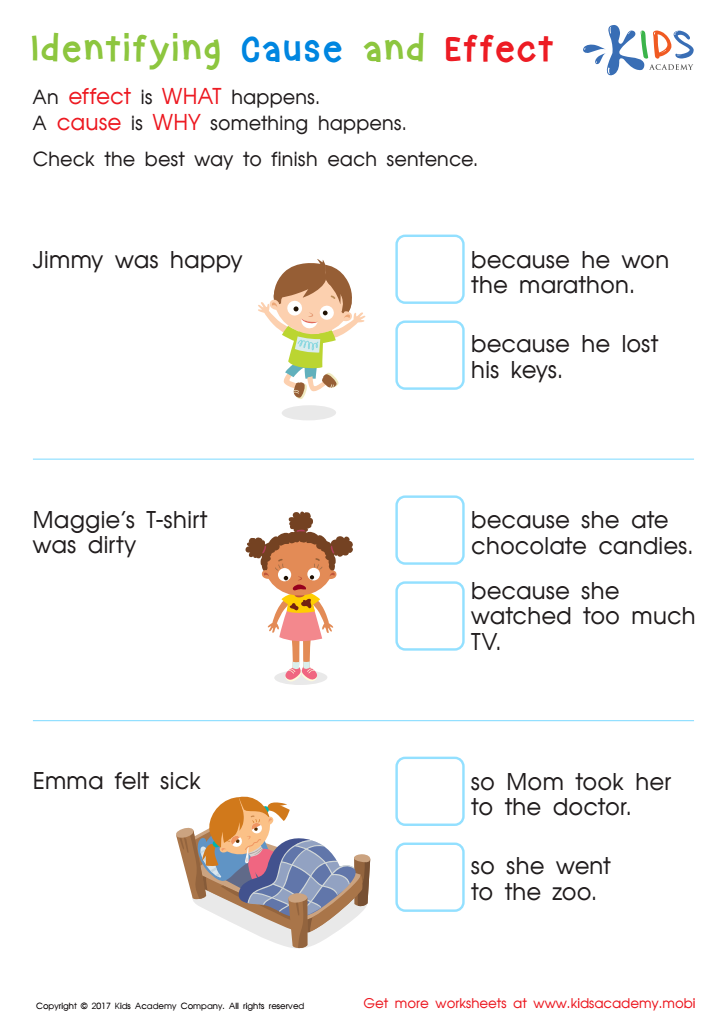
Indentifying Cause and Effect Worksheet
 Assign to My Students
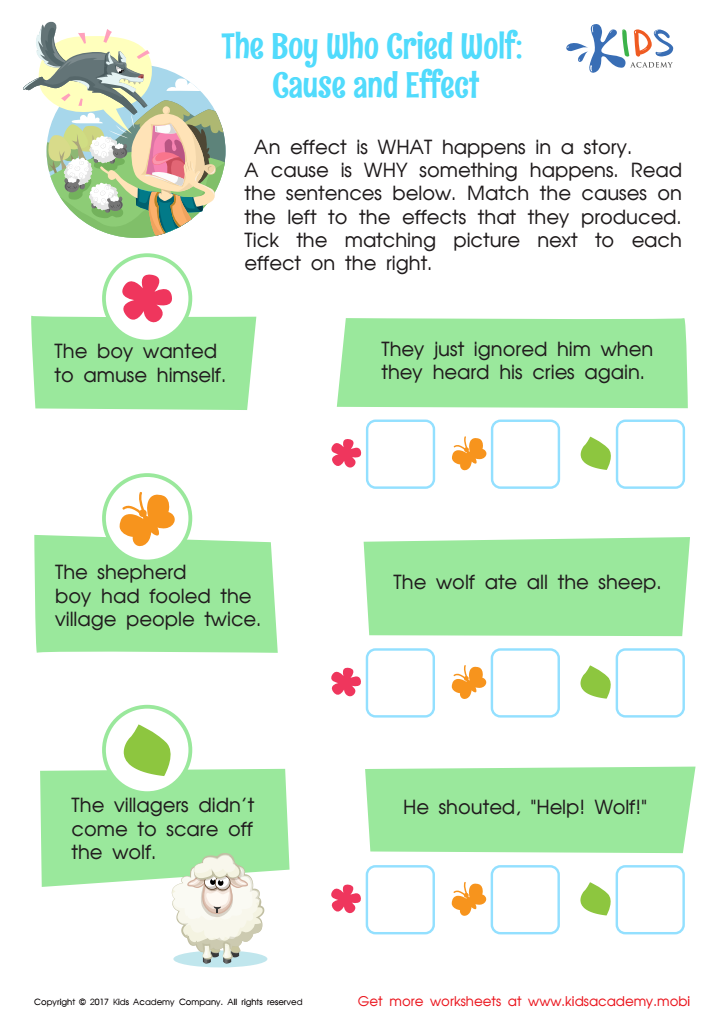
The Boy Who Cried Wolf: Cause and Effect Worksheet
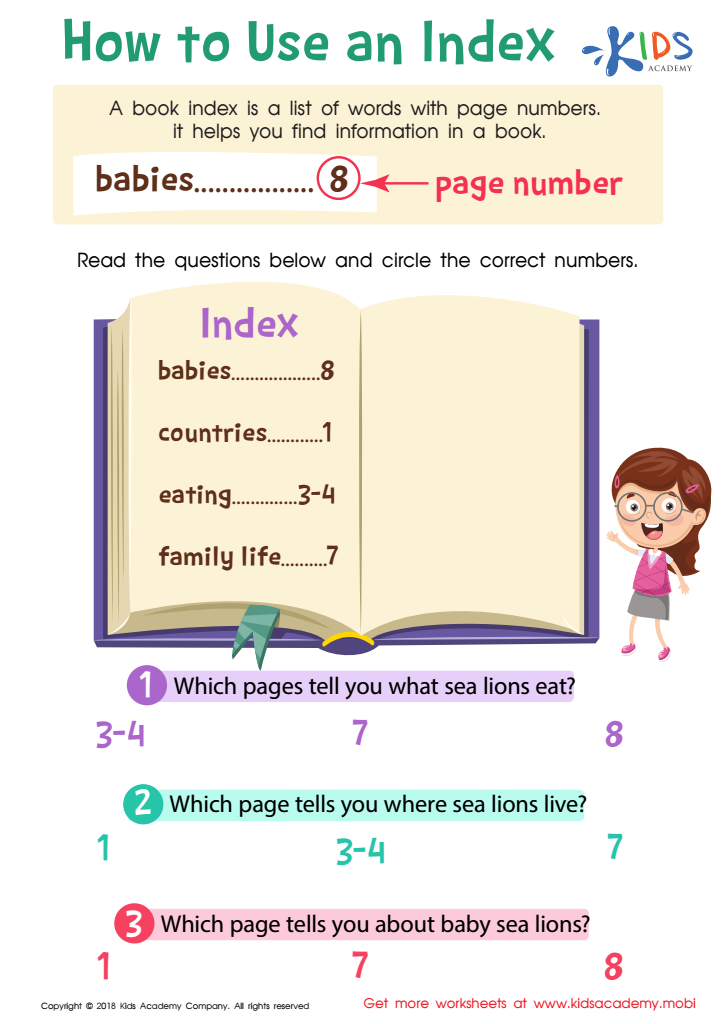
How Use Index Worksheet



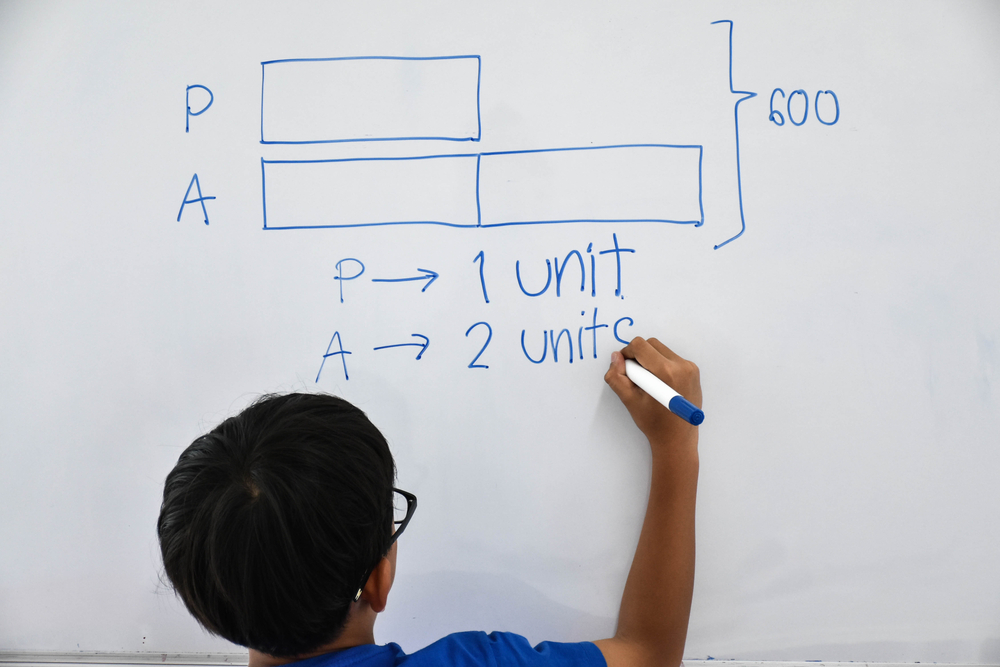




Analytical thinking and reading comprehension are foundational skills that significantly impact a child's development and future learning capabilities. For children ages 3-7, these skills serve as the building blocks for academic success and personal growth.
Firstly, analytical thinking encourages curiosity and problem-solving skills. When children analyze information, they learn to question, evaluate, and make connections between ideas. This process not only enhances cognitive development but also fosters a love for learning that can last a lifetime. Early exposure to analytical thinking helps kids in tackling complex subjects down the road.
Reading comprehension, on the other hand, is crucial for understanding and engaging with the world. At this age, mastering reading skills goes beyond just recognizing words; it involves grasping the meaning, context, and subtext of the material. Effective reading comprehension directly influences a child's ability to absorb information, follow instructions, and communicate effectively.
When teachers and parents emphasize these skills, they are empowering children to develop a strong academic foundation. They're equipping kids with the tools required to excel in school, as well as critical life-skills such as empathy, critical thinking, and informed decision-making. Thus, nurturing analytical thinking and reading comprehension from an early age sets the stage for lifelong learning and success.








