Problem-Solving Skills Normal Reading Fiction Worksheets for Ages 3-7
5 filtered results
-
From - To
Discover engaging Problem-Solving Skills Normal Reading Fiction Worksheets tailored for children aged 3-7! These worksheets are designed to enhance critical thinking and comprehension while encouraging a love for reading. With age-appropriate stories and activities, kids will navigate through fun fictional scenarios that challenge their decision-making and problem-solving abilities. Each worksheet promotes interactive learning, allowing young learners to think creatively and develop essential skills in a playful environment. Perfect for parents and educators, these resources support early literacy development and foster a growth mindset. Empower your child's journey through reading with our specially crafted worksheets today!
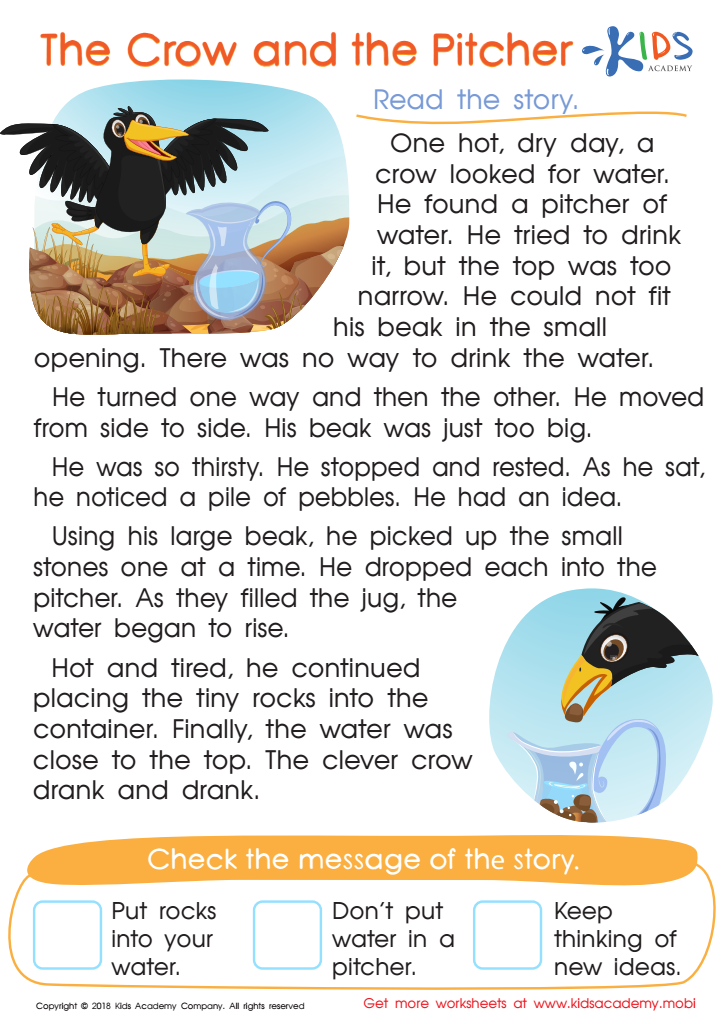
The Crow and the Pitcher Worksheet
 Assign to My Students
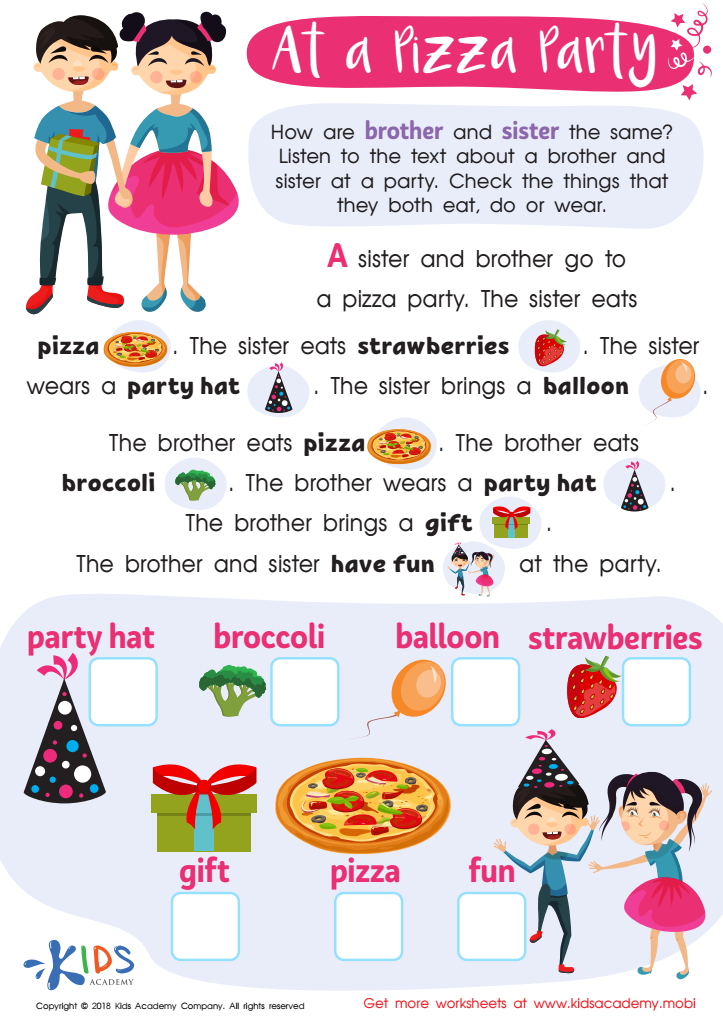
At a Pizza Party Worksheet
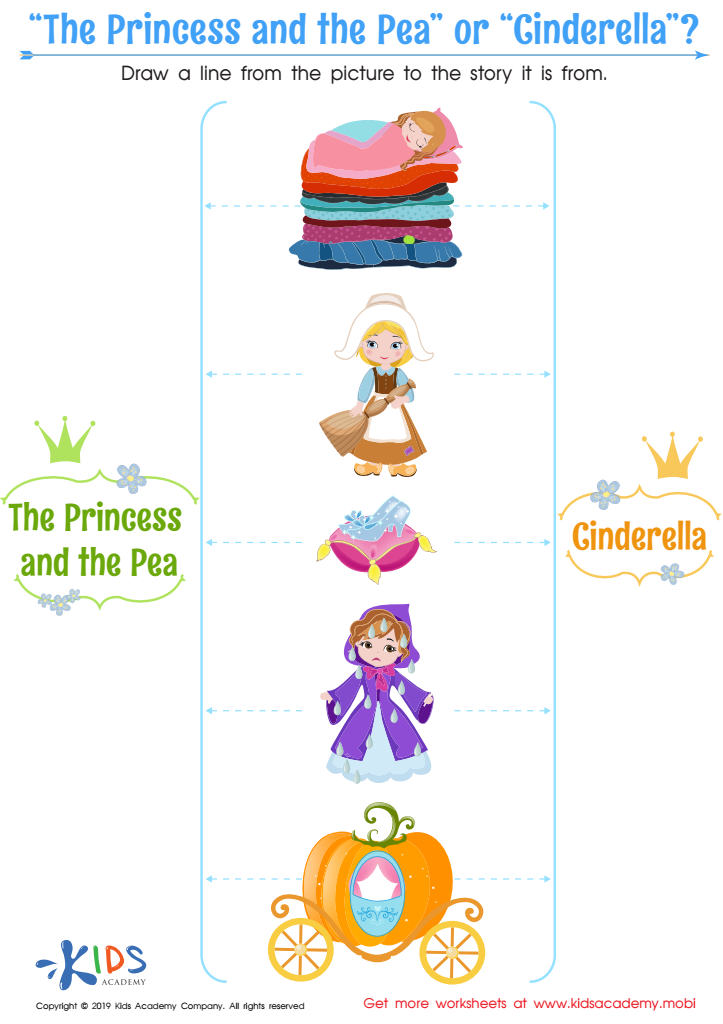
“The Princess and the Pea” or “Cinderella” Worksheet
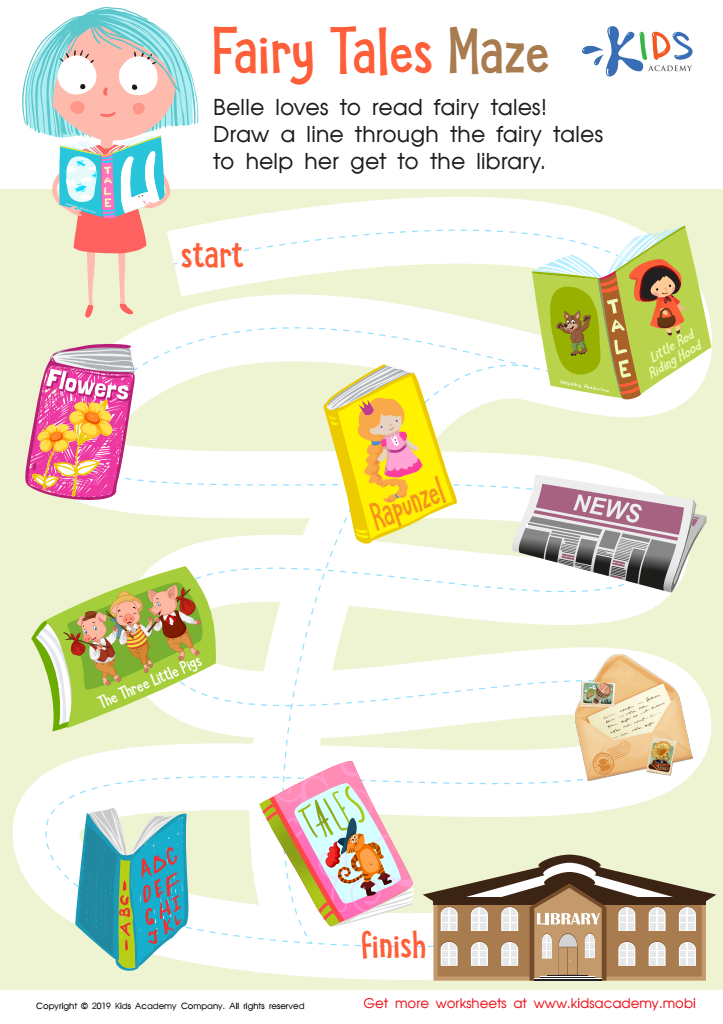
Fairy Tales Maze Worksheet

Take a Look - Part 1 Worksheet





.jpg)
.jpg)

Problem-solving skills in early reading—especially through fiction—are crucial for children aged 3-7, as they lay the foundation for critical thinking and comprehension. Engaging with stories enables young readers to navigate challenges faced by characters, fostering empathy and understanding of diverse perspectives. When children encounter plot twists or dilemmas, they learn to analyze situations and devise solutions—an essential cognitive skill for their future.
For parents and teachers, promoting problem-solving through fiction encourages open discussion and active participation. This not only enhances language skills but boosts children's confidence in expressing their thoughts and ideas. The narrative structure of stories provides a safe environment for children to explore consequences, encouraging them to think about “what would happen if” scenarios, further refining their reasoning abilities.
Additionally, using fiction to develop these skills creates a love for reading, making learning enjoyable. As children develop the ability to overcome fictional obstacles, they cultivate resilience, preparing them for real-life challenges. Ultimately, fostering problem-solving skills through reading fiction equips children with the tools they need for academic success and personal growth, making it essential for parents and teachers to prioritize this practice.







