Filters

6 filtered results

Clear all filters
Favorites
With answer key
Interactive

6 filtered results

Difficulty Level

Grade


Discover our engaging Critical Thinking Normal Reading Non-Fiction Worksheets, designed specifically for children ages 3-7. These worksheets encourage young learners to explore non-fiction texts while honing their critical thinking skills. Through interactive reading activities, children will develop essential literacy skills, enhance comprehension, and cultivate curiosity about the world around them. Our carefully crafted worksheets promote active engagement, allowing kids to connect information, analyze content, and draw conclusions. Ideal for home and classroom use, these resources provide an enriching foundation in reading and critical analysis. Equip your budding readers with the tools they need to think critically and engage with non-fiction confidently!

Check out this FREE Trial Lesson on Reading Non-Fiction for age 3-7!

Identifying Point of View

Favorites
With answer key
Interactive
  • 3-7
  • Critical Thinking
  • Reading Non-Fiction
  • Normal
Point of View Worksheet

Point of View Worksheet

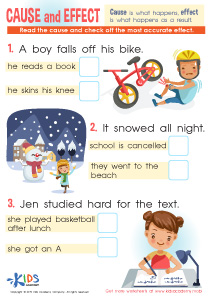
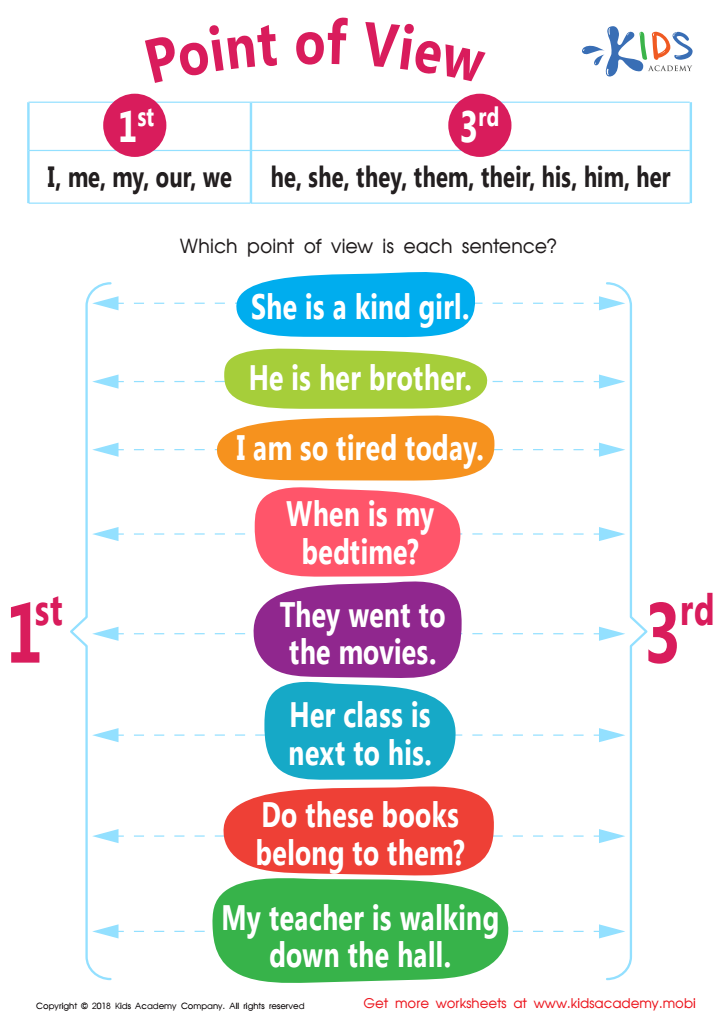
This printable worksheet helps kids understand Point of View by providing 1st and 3rd person choices. It's a fun way to practice differentiating between the two viewpoints and improve their reading comprehension. Match the sentences to 1st or 3rd person to strengthen understanding and enjoy the task!
Point of View Worksheet
Worksheet
Explanatory Writing Worksheet

Explanatory Writing Worksheet

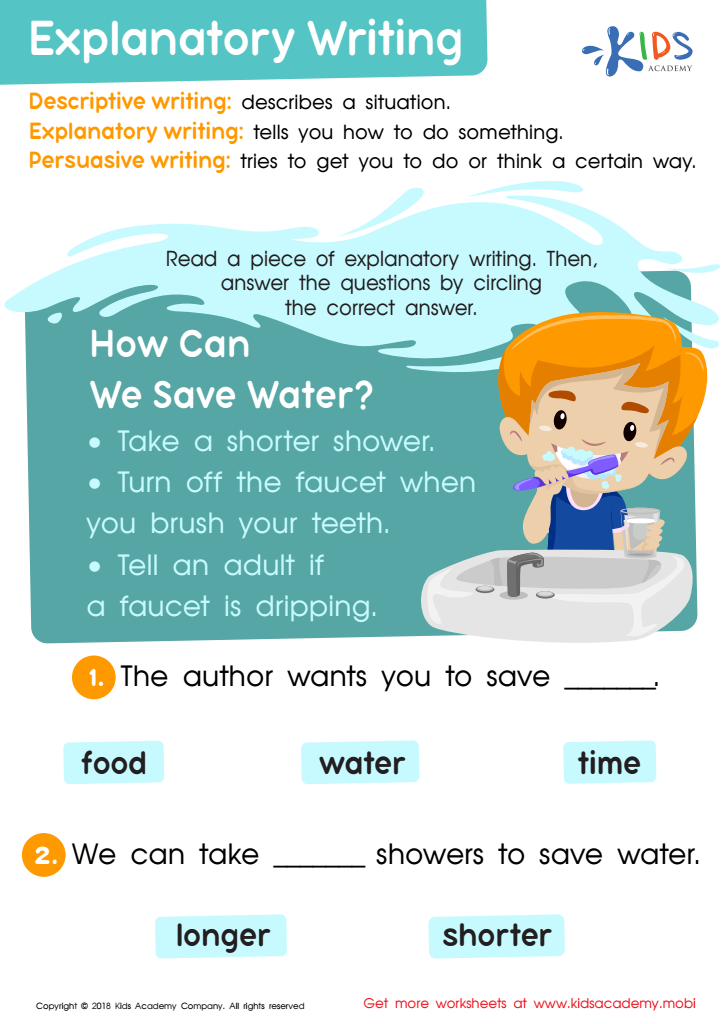
This worksheet teaches kids the three main types of writing. Descriptive writing describes a situation, explanatory writing explains how to do something, and persuasive writing is used to sway readers' opinions. Read the text and help your kids answer the questions by circling the right answer.
Explanatory Writing Worksheet
Worksheet
What Am I? Worksheet

What Am I? Worksheet

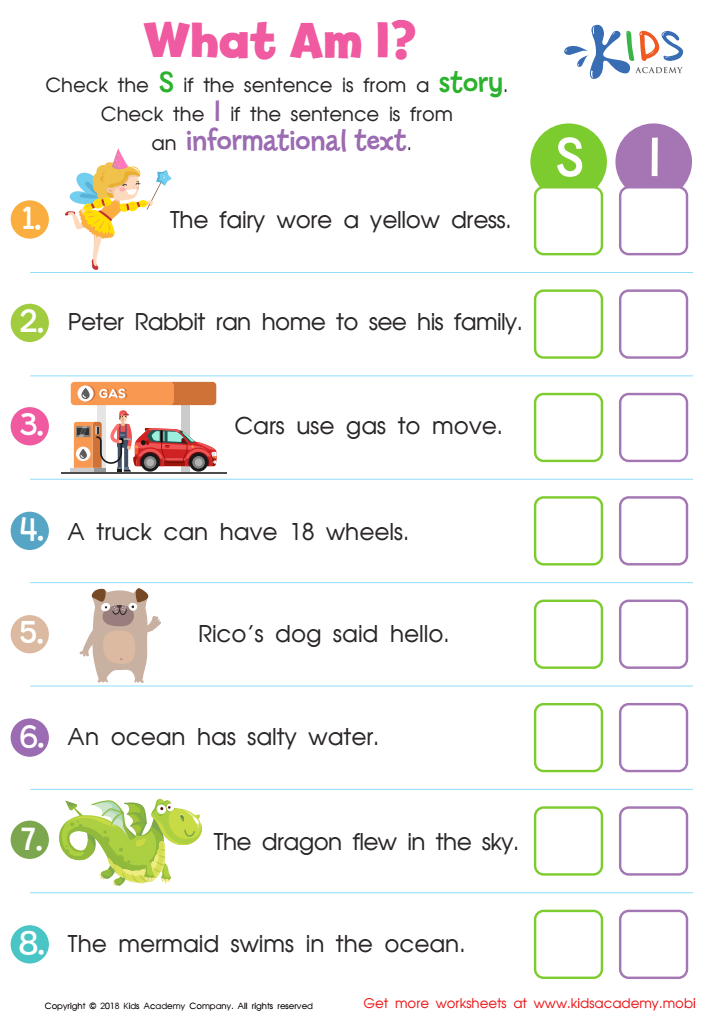
This worksheet assesses students' ability to differentiate between stories and texts they read for facts. Students learn to distinguish between reading for pleasure and reading for information. It includes statements from both a story and an informational text, and students must decide what type of text it is.
What Am I? Worksheet
Worksheet
Craft and Structure of Informational Texts: Assessment 1 Worksheet

Craft and Structure of Informational Texts: Assessment 1 Worksheet

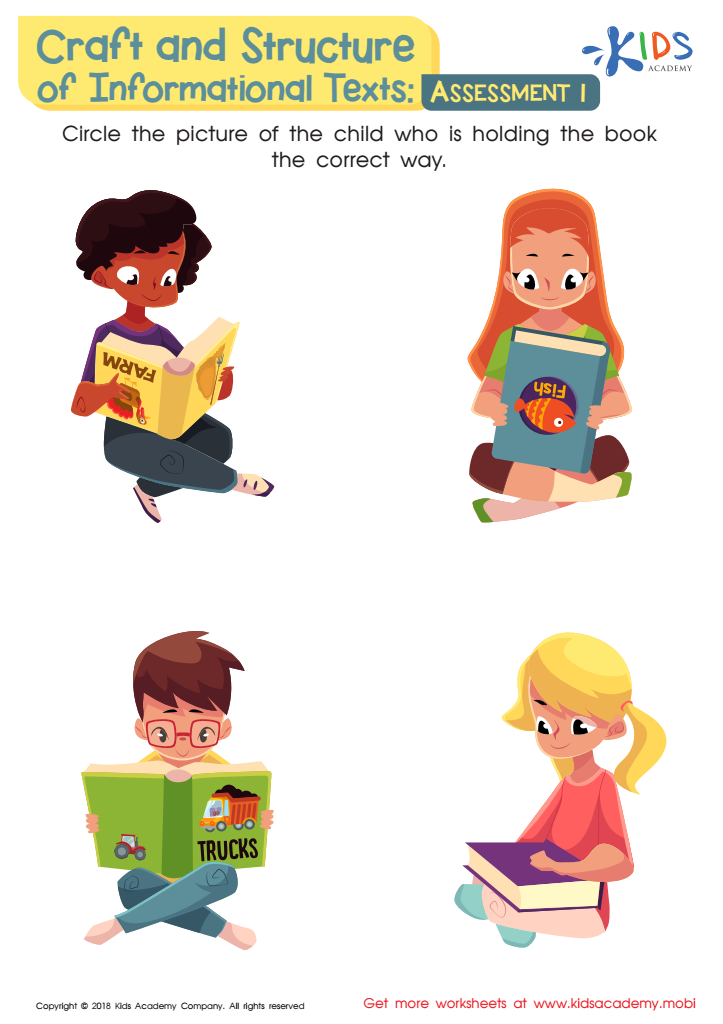
Young children need to know how to hold books correctly when they start reading. This assessment worksheet helps them show they know what to do. They'll look at the pictures and circle the child who is holding the book correctly. It's a great way to tell they are well on their way to becoming lifetime readers!
Craft and Structure of Informational Texts: Assessment 1 Worksheet
Worksheet
Assessment: First Thanksgiving Worksheet

Assessment: First Thanksgiving Worksheet

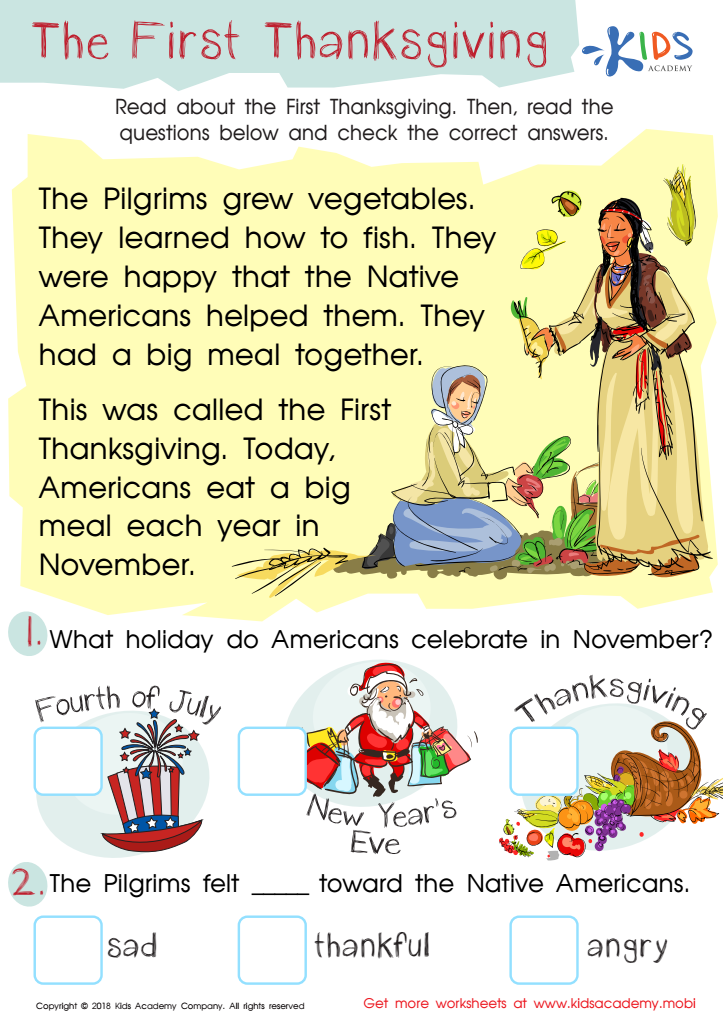
When the Pilgrims arrived in America in 1620, they met the Native Americans and formed a pact to live in harmony. The Native Americans taught the Pilgrims how to survive in the new land, which helped them celebrate the First Thanksgiving. Read this text to your children and help them answer the questions below.
Assessment: First Thanksgiving Worksheet
Worksheet
Ben Franklin Part 2 Worksheet


Ben Franklin Part 2 Worksheet

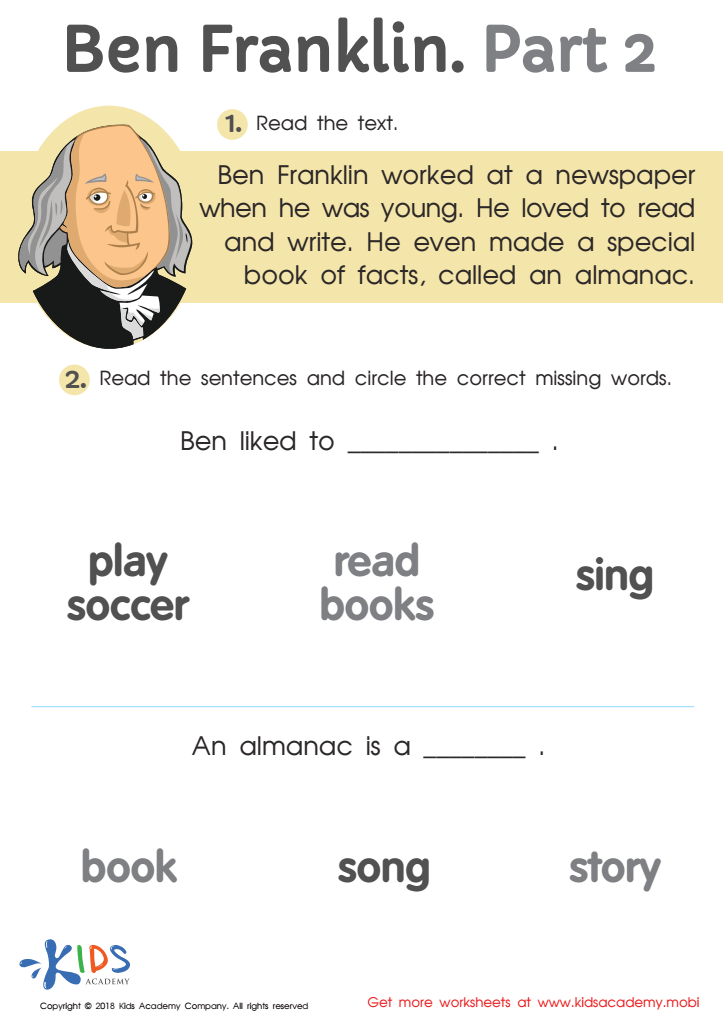
History is filled with great figures, like Benjamin Franklin. Let your kids in on the legacy by introducing them to the founder of the US fire department, diplomat, and inventor. Then, use a worksheet to have them fill in the blanks with the correct word to teach them more. Read the text, then read the sentences and have them circle the missing word.
Ben Franklin Part 2 Worksheet
Worksheet


Critical Thinking Normal Reading Non-Fiction for ages 3-7 is essential for fostering a child's cognitive development and enhancing their understanding of the world. During these formative years, children are naturally curious, and engaging them with non-fiction material allows them to explore real-life concepts, facts, and experiences.

Parents and teachers should prioritize this reading genre because it nurtures critical thinking skills by encouraging children to analyze, question, and make connections. Non-fiction texts promote a deeper understanding of diverse topics, from nature and science to culture and history, helping children to think beyond basic information. This exposure not only builds their background knowledge but also supports literacy development, as children learn to comprehend more complex vocabulary and ideas.

Additionally, incorporating critical thinking into early reading experiences positions children as active learners. They learn to differentiate between opinion and fact, which lays the groundwork for informed decision-making in later life. By cultivating these skills at a young age, educators and parents empower children to become independent thinkers, problem solvers, and informed citizens. Overall, prioritizing Critical Thinking Normal Reading Non-Fiction is crucial for developing young minds ready to navigate an increasingly complex world.