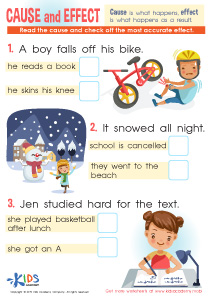
Improve reading comprehension Normal Reading Non-Fiction Worksheets for Ages 3-7
5 filtered results
-
From - To
Enhance your child's reading comprehension skills with our engaging non-fiction worksheets designed specifically for ages 3-7. These age-appropriate activities allow young readers to explore various topics while developing critical thinking and understanding of texts. Our Normal Reading Non-Fiction Worksheets encourage curiosity and promote a love for learning through interactive exercises. Each worksheet focuses on essential reading skills, fostering vocabulary expansion and comprehension. Perfect for home or classroom use, these resources empower educators and parents to facilitate enjoyable reading experiences. Help your child build a strong foundation in literacy with our fun, educational non-fiction worksheets today!
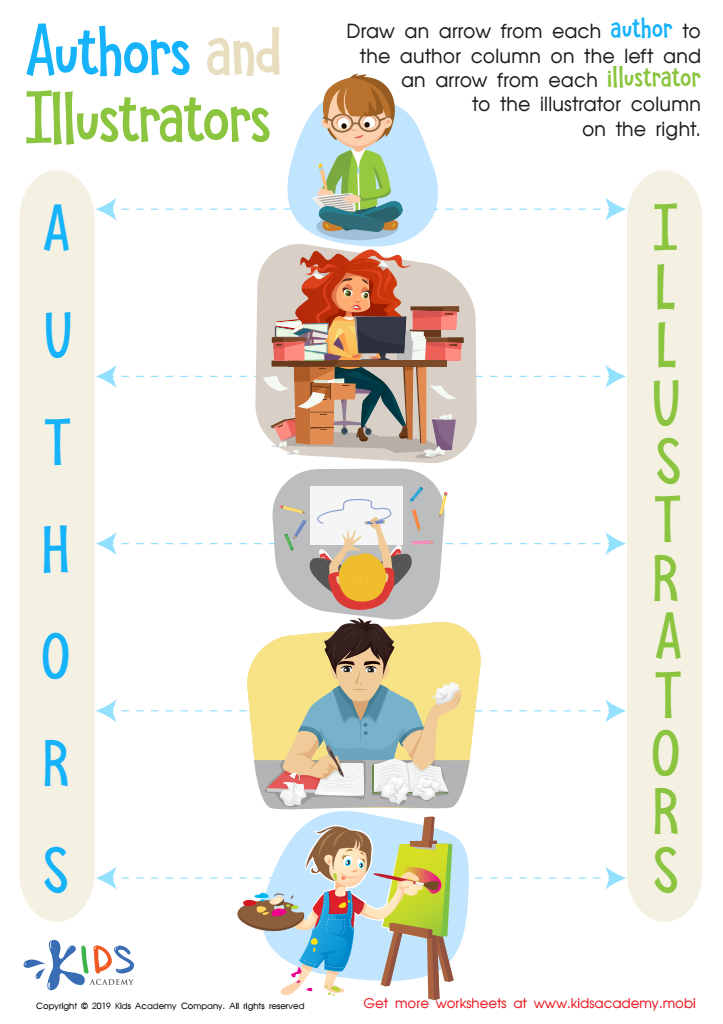
Authors and Illustrators Worksheet
 Assign to My Students
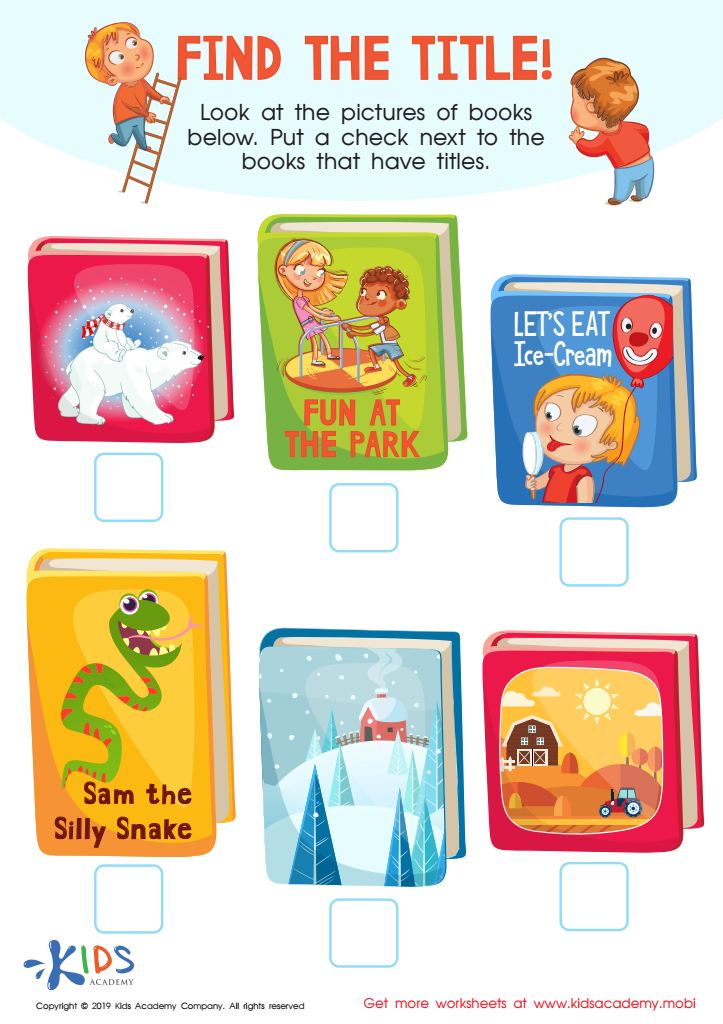
Find the Title Worksheet
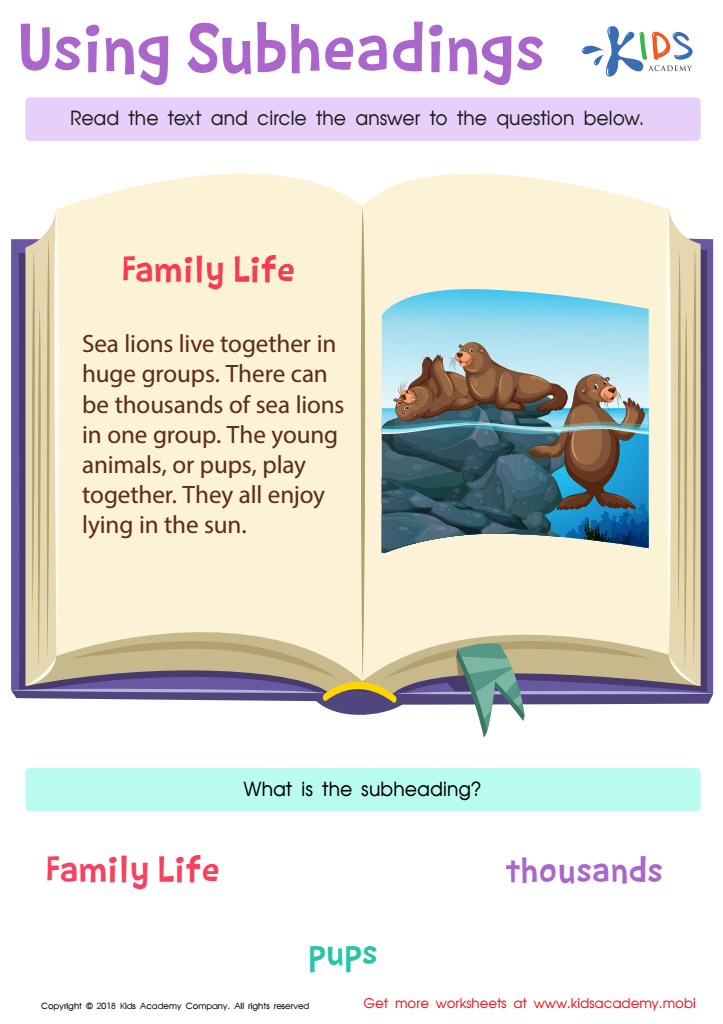
Using Subheadings Worksheet
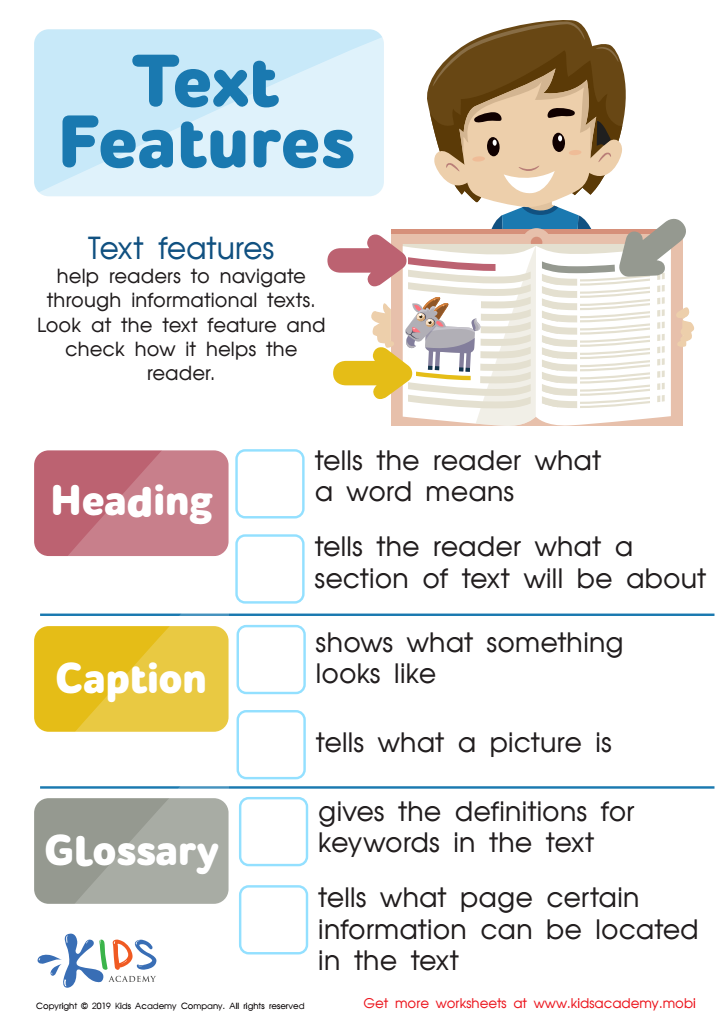
Text Features Worksheet
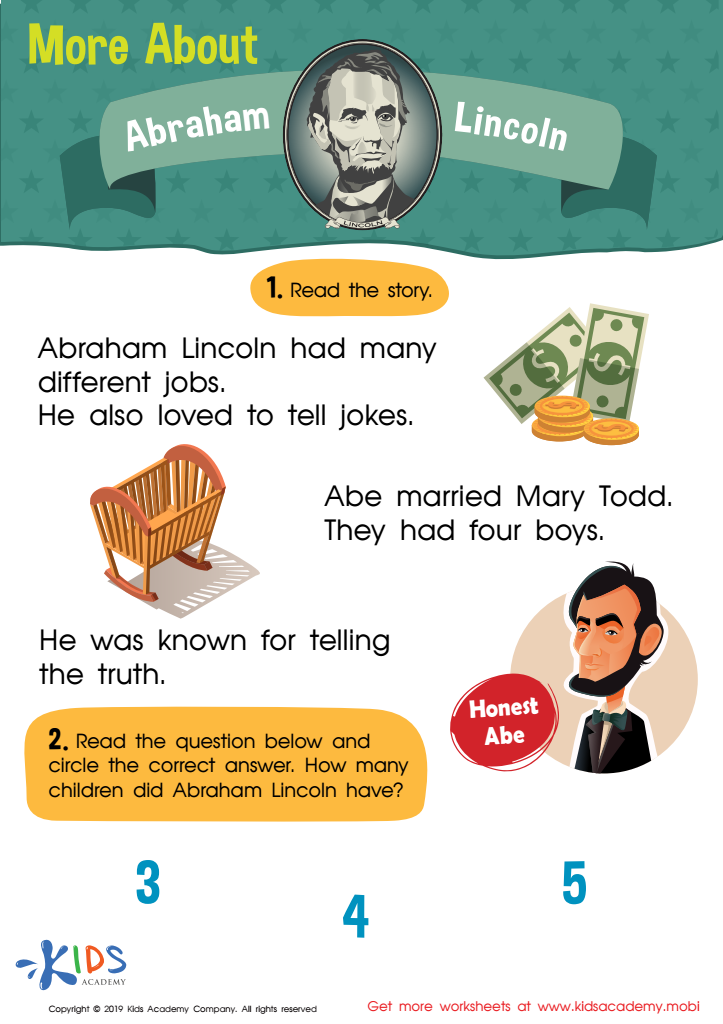
More About Abraham Lincoln Worksheet








Improving reading comprehension, especially in non-fiction texts for children ages 3-7, is essential for several reasons. At this formative age, children are developing foundational literacy skills that will impact their later academic success. Non-fiction reading helps children gain knowledge about the world, cultivating curiosity and critical thinking. By engaging with factual material, children learn to differentiate between types of texts, which is crucial as they progress in school.
Additionally, non-fiction reading enhances vocabulary development. As children encounter new words and concepts, they learn to articulate their thoughts more effectively. This aids in better communication skills, making it easier for them to express themselves both in writing and speaking.
For parents and teachers, fostering a love for reading non-fiction can spark children’s interest in various subjects, from science to history, and encourage lifelong learning habits. Understanding and discussing non-fiction texts can also foster stronger parent-child or teacher-student relationships through shared learning experiences. Ultimately, when children have strong comprehension skills, they will feel more confident, motivated, and prepared to tackle more complex texts, setting a solid foundation for their future educational journey. Thus, reading comprehensively in non-fiction is vital for holistic child development.